

Introduction
A 10kW solar energy system represents a significant investment in renewable energy for both residential and small - commercial applications. It has the potential to provide a substantial amount of electricity, reducing reliance on the grid and contributing to a more sustainable energy future. This comprehensive analysis will explore the various components, working principles, installation considerations, performance factors, applications, financial aspects, and future prospects of a 10kW solar energy system.
Components of a 10kW Solar Energy System
1. Solar Panels
The solar panels are the heart of the 10kW solar energy system. They are responsible for converting sunlight into direct current (DC) electricity. A 10kW system typically consists of multiple solar panels, depending on the wattage of each individual panel. For example, if each panel has a power rating of 330 watts, approximately 30 panels would be needed.
Solar panels are made up of photovoltaic (PV) cells. These cells are usually made from silicon, which has semiconductor properties. When sunlight hits the PV cells, electrons are excited and create an electric current. The efficiency of the solar panels can vary, with modern high - efficiency panels able to convert a larger percentage of sunlight into electricity. Monocrystalline panels are known for their high efficiency and sleek appearance, while polycrystalline panels are more cost - effective but may have slightly lower efficiency. Thin - film solar panels are another option, although they are less commonly used in 10kW systems due to their relatively lower efficiency per unit area.
2. Inverter
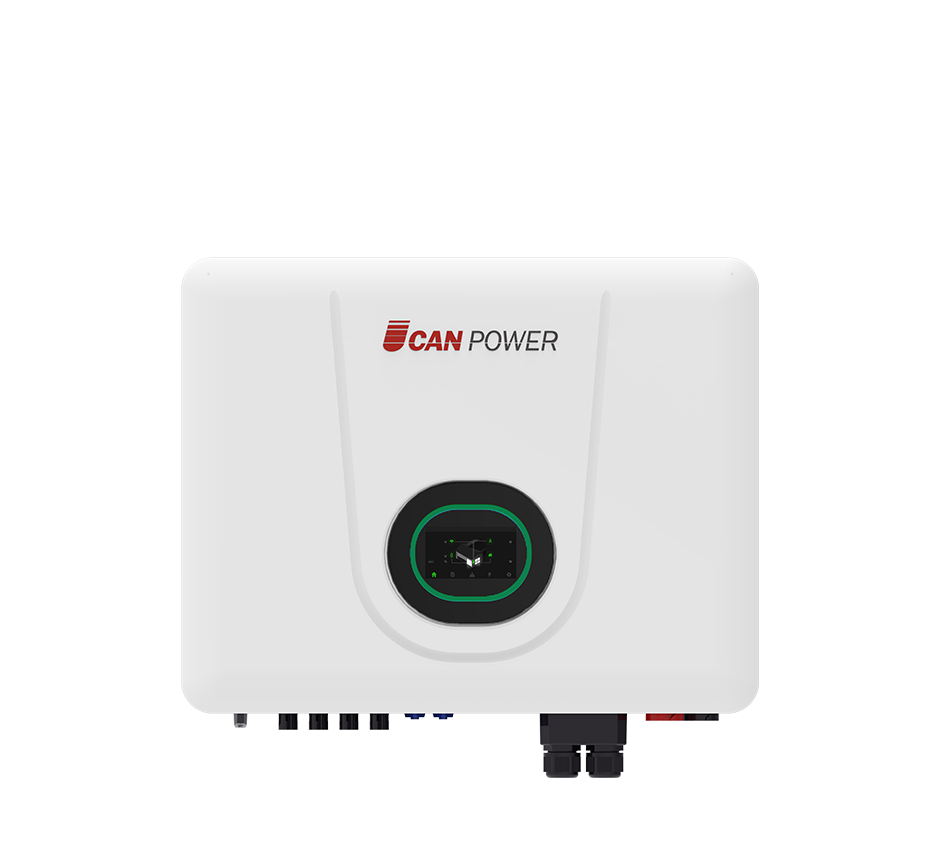
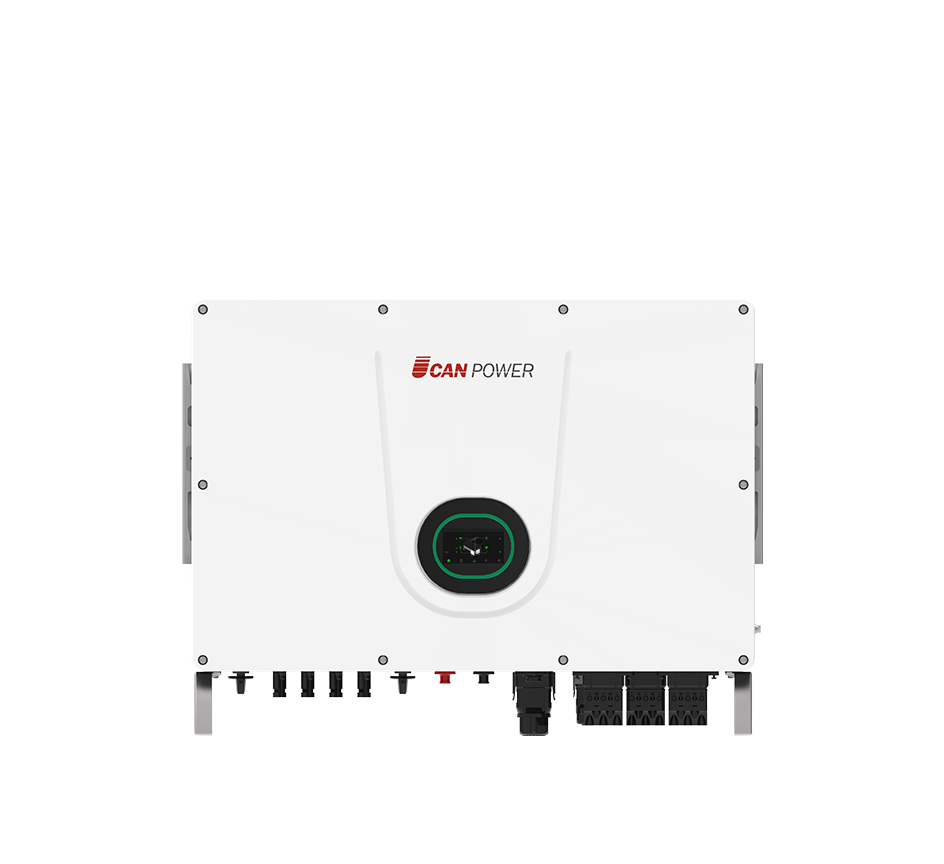
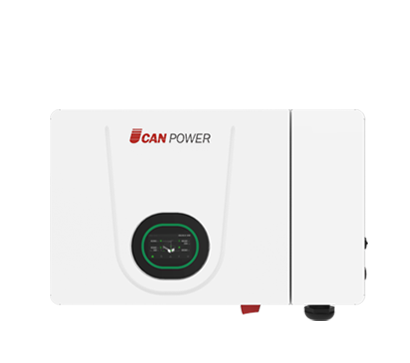
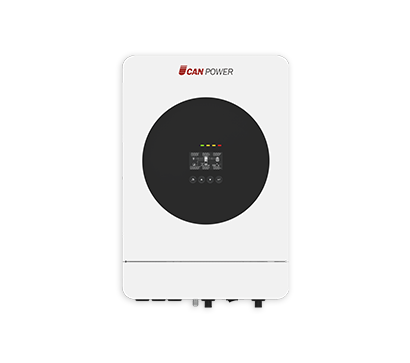
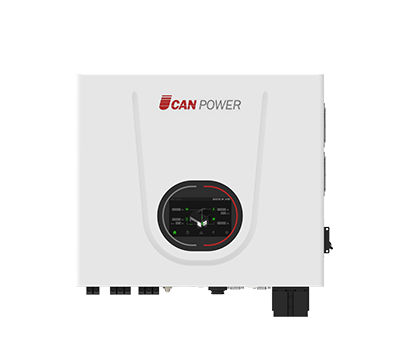
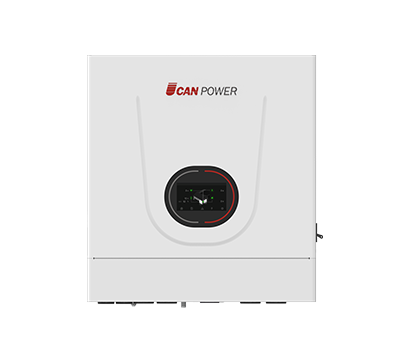
The inverter is a crucial component of the solar energy system. Since solar panels produce DC electricity, and most household appliances and the electrical grid use alternating current (AC), the inverter is needed to convert the DC power from the panels into AC power. In a 10kW solar system, a string inverter or multiple micro - inverters can be used.
A string inverter is connected to a series of solar panels (a string). It has the advantage of being relatively inexpensive and efficient for larger systems. However, if one panel in the string has reduced performance, such as due to shading, it can affect the performance of the entire string. Micro - inverters, on the other hand, are installed on each individual solar panel. This allows for independent operation of each panel, maximizing the energy output even if some panels are shaded or have different performance characteristics. The choice between string inverters and micro - inverters depends on factors such as the layout of the solar panels, shading conditions, and budget.
3. Mounting Structure
The mounting structure is responsible for securely holding the solar panels in place. In a 10kW solar energy system, the mounting structure must be able to withstand various environmental conditions, including wind, snow, and rain. There are different types of mounting options, such as roof - mounted and ground - mounted systems.
Roof - mounted systems are popular for residential applications. They can be either flush - mounted or tilted. Flush - mounted systems are installed directly on the roof surface and are less obtrusive, but they may not be able to be adjusted for optimal tilt angles. Tilted roof - mounted systems can be adjusted to the optimal angle for maximum sunlight absorption throughout the year, depending on the latitude of the installation site. Ground - mounted systems are often used in areas with large available land areas. They can be more easily adjusted for tilt and orientation, but they require more space and may be subject to different permitting and zoning requirements.
4. Battery Storage (Optional)
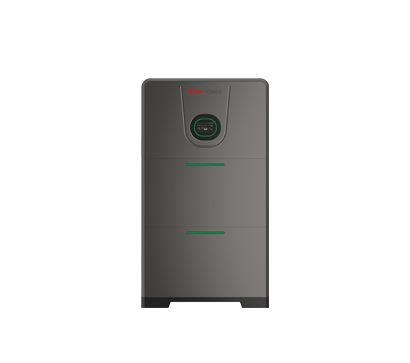
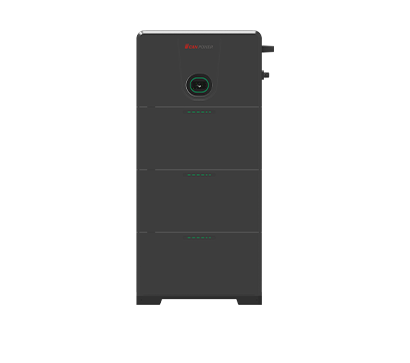
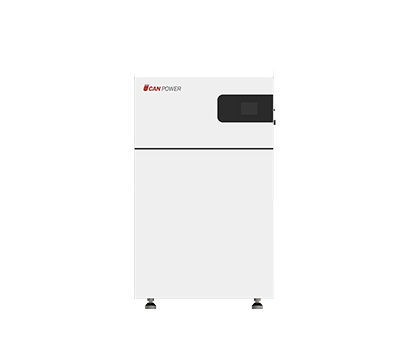
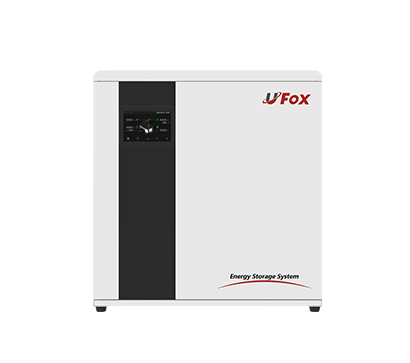
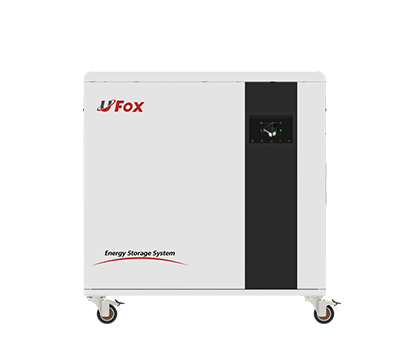
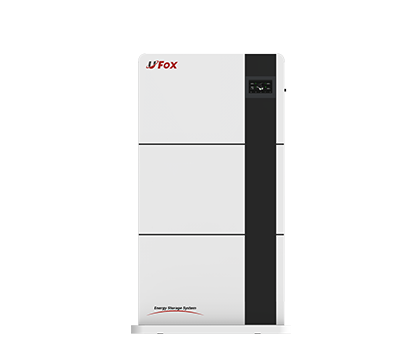
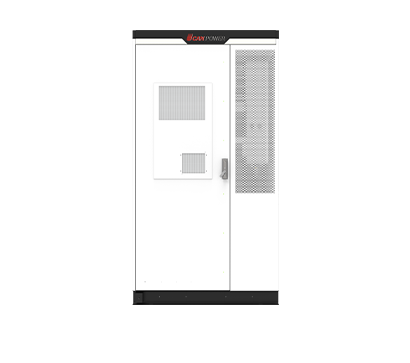
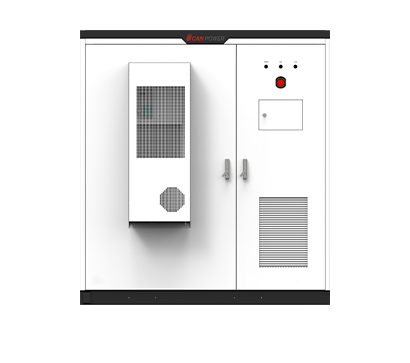
In some 10kW solar energy systems, battery storage is included. Batteries allow the system to store excess solar energy generated during the day for use at night or during power outages. The battery storage system consists of batteries, a battery management system (BMS), and associated electrical connections.
Lithium - ion batteries are commonly used in modern solar energy storage systems due to their high energy density, long cycle life, and relatively low maintenance requirements. The BMS monitors the state of charge, state of health, and temperature of the batteries, ensuring their safe and efficient operation. Battery storage can increase the self - sufficiency of the solar energy system, reducing reliance on the grid and providing backup power during emergencies. However, battery storage also adds to the cost of the system, and the decision to include it depends on factors such as the availability of grid power, the need for backup power, and the financial viability of the investment.
5. Monitoring and Control System
A monitoring and control system is an essential part of a 10kW solar energy system. It allows the user to track the performance of the system, including the amount of energy generated by the solar panels, the power output of the inverter, and the state of the battery (if applicable). The monitoring system can provide real - time data as well as historical data, enabling the user to identify any issues with the system, such as reduced energy production due to shading or a malfunctioning component.
The control system can also be used to manage the operation of the system. For example, it can control the charging and discharging of the battery, prioritize the use of solar energy over grid energy, or adjust the operation of the inverter based on the power demand. Some advanced monitoring and control systems can be accessed remotely via a smartphone app or a web - based interface, providing convenience and flexibility for the user.
Working Principles of a 10kW Solar Energy System
1. Solar Energy Conversion
The solar panels in the 10kW solar energy system convert sunlight into DC electricity through the photovoltaic effect. When sunlight, which consists of photons, hits the PV cells in the solar panels, the photons transfer their energy to the electrons in the silicon atoms. This energy transfer excites the electrons, creating electron - hole pairs. The electric field within the PV cell causes the electrons to flow in a particular direction, generating an electric current. The voltage and current generated by each solar panel depend on the characteristics of the panel, including its size, efficiency, and the intensity of sunlight.
2. Power Conversion by the Inverter
The DC electricity generated by the solar panels is then sent to the inverter. The inverter uses electronic circuits to convert the DC power into AC power. This process involves switching the DC current at a high frequency to create an alternating current waveform. The inverter also adjusts the voltage and frequency of the AC power to match the requirements of the electrical grid or the connected appliances. In addition, the inverter may perform maximum power point tracking (MPPT). MPPT is an algorithm that continuously adjusts the operating voltage of the solar panels to ensure that they are operating at their maximum power point, maximizing the energy output under varying sunlight conditions.
3. Energy Storage and Management (if applicable)
If the 10kW solar energy system includes battery storage, the excess AC power generated by the solar panels (after powering the connected load) is converted back to DC power by a charge controller and then stored in the batteries. The charge controller regulates the charging process to prevent overcharging of the batteries. When the energy demand exceeds the solar energy generation or during a power outage, the batteries discharge, and the DC power is converted back to AC power by an inverter within the battery storage system to supply power to the load. The battery management system ensures that the batteries are charged and discharged within safe limits, maintaining their health and performance.
4. System Operation and Load Management
The 10kW solar energy system operates in conjunction with the electrical load. During the day, when the solar panels are generating electricity, the power is first used to supply the connected electrical appliances. If the solar energy generation exceeds the load demand, the excess energy can be either sent to the grid (if the system is grid - tied) or stored in the batteries (if available). When the solar energy generation is insufficient to meet the load demand, the system can draw power from the grid or the batteries (if there is stored energy). The monitoring and control system plays a key role in managing this energy flow, optimizing the use of solar energy and ensuring a stable power supply to the load.
Installation Considerations for a 10kW Solar Energy System
1. Site Selection and Evaluation
The first step in installing a 10kW solar energy system is to select an appropriate site. The site should have good sunlight exposure throughout the day, with minimal shading from nearby trees, buildings, or other obstructions. A solar site assessment can be conducted to determine the solar potential of the area. This may involve using tools such as solar pathfinders or satellite - based solar mapping software. The orientation and tilt angle of the solar panels also need to be considered. In the northern hemisphere, solar panels should generally face south, and the tilt angle can be adjusted based on the latitude of the site to maximize sunlight absorption.
2. Roof or Ground Preparation
If the solar energy system is to be roof - mounted, the roof must be in good condition and able to support the weight of the solar panels and mounting structure. The roof type, whether it is asphalt shingle, metal, or tile, can affect the installation method. For ground - mounted systems, the ground needs to be leveled and prepared to ensure the stability of the mounting structure. In addition, proper drainage should be considered to prevent water accumulation around the mounting posts.
3. Electrical and Permitting Requirements
Installing a 10kW solar energy system involves electrical work that must comply with local electrical codes. The system needs to be properly grounded, and the electrical connections between the solar panels, inverter, and the grid (if applicable) must be made safely and securely. Permits are usually required for solar energy system installations. The permitting process may involve submitting plans and specifications of the system to the local building department or utility company for approval. The installer may need to be a licensed electrician or work under the supervision of one in some areas.
4. Safety Precautions during Installation
During the installation of the 10kW solar energy system, safety precautions must be taken. Workers should be trained in solar panel installation and electrical safety. They should wear appropriate personal protective equipment, such as hard hats, safety glasses, and gloves. When working on rooftops, fall protection measures should be in place. Additionally, care should be taken when handling electrical components to prevent electrical shocks. The installation process should be carried out in accordance with the manufacturer's instructions and safety guidelines.
Performance Factors of a 10kW Solar Energy System
1. Solar Irradiance and Climate
The amount of solar energy available at the installation site, known as solar irradiance, has a significant impact on the performance of the 10kW solar energy system. Areas with higher solar irradiance will generate more electricity. Climate conditions also play a role. Sunny and dry climates are generally more favorable for solar energy production. However, solar panels can still generate electricity on cloudy days, although at a reduced rate. Temperature also affects the performance of solar panels. While they operate more efficiently in cooler temperatures, they can still function in a wide range of temperature conditions.
2. Shading and Orientation
Shading can have a major negative impact on the performance of a 10kW solar energy system. Even a small amount of shade on a solar panel can significantly reduce its power output. Therefore, it is crucial to minimize shading during the installation process. The orientation of the solar panels also affects their performance. As mentioned earlier, panels facing south in the northern hemisphere (north in the southern hemisphere) and at the optimal tilt angle will receive the most sunlight throughout the year. Deviations from the ideal orientation and tilt can result in reduced energy generation.
3. System Efficiency and Degradation
The overall efficiency of the 10kW solar energy system depends on the efficiency of each component, including the solar panels, inverter, and any other associated equipment. High - efficiency components will result in more electricity being generated from the same amount of sunlight. Over time, solar panels may experience degradation, which can reduce their power output. The rate of degradation varies depending on the quality of the panels and environmental factors, but most modern panels have a relatively slow degradation rate, typically less than 1% per year. Regular maintenance and monitoring can help identify and address any issues that may affect system efficiency.
4. Load Profile and Energy Consumption
The performance of the 10kW solar energy system also depends on the load profile of the connected appliances. If the energy consumption of the household or business is relatively stable and matches the solar energy generation pattern, the system will be more effective in meeting the energy needs. For example, if most of the energy consumption occurs during the day when the solar panels are generating electricity, the system can supply a larger portion of the load. On the other hand, if there is a large energy demand during the night or during peak - demand periods that exceed the solar energy generation, additional energy storage or grid connection may be needed.
Applications of a 10kW Solar Energy System
1. Residential Use
In a residential setting, a 10kW solar energy system can provide a significant portion of a household's electricity needs. It can power lights, appliances, heating and cooling systems, and other electrical devices. For an average - sized home, a 10kW system can potentially cover a large percentage of the annual electricity consumption, depending on the family's energy - using habits and the local solar resources. The system can reduce the homeowner's reliance on the grid, resulting in lower electricity bills. In addition, with battery storage, the system can provide backup power during power outages, ensuring the comfort and safety of the household.
2. Small - Commercial Applications
Small - commercial establishments such as small offices, retail stores, and restaurants can also benefit from a 10kW solar energy system. It can help reduce their operating costs by providing electricity during business hours. The system can be sized to meet the specific energy requirements of the business, taking into account factors such as peak - demand periods and the energy consumption of different equipment. For example, a small office with computers, lighting, and heating/cooling systems can use the solar energy system to offset a significant portion of its electricity usage, improving its bottom line and environmental sustainability.
3. Remote and Off - grid Applications
In remote areas where grid connection is not available or is unreliable, a 10kW solar energy system can be a reliable source of electricity. It can be combined with battery storage and other backup power sources to provide a self - sufficient energy solution. This is particularly useful for remote cabins, rural communities, and telecommunication base stations. The solar energy system can power communication equipment, lighting, and small appliances, improving the quality of life and enabling essential services in these areas.
Financial Aspects of a 10kW Solar Energy System
1. Initial Investment and Cost Breakdown
The initial cost of a 10kW solar energy system can vary depending on several factors, including the quality of the components, the installation complexity, and the location. On average, the cost can range from $20,000 to $30,000 or more. The cost breakdown includes the solar panels, which may account for around 40% - 50% of the total cost, the inverter (about 10% - 15%), the mounting structure (5% - 10%), and the installation labor and other miscellaneous costs. Battery storage, if included, can add an additional significant cost, depending on the type and capacity of the batteries.
2. Savings on Electricity Bills
One of the main financial benefits of a 10kW solar energy system is the savings on electricity bills. The amount of savings depends on the local electricity rates, the amount of energy generated by the system, and the self - consumption rate. In areas with high electricity rates, the savings can be substantial. For example, if the average electricity cost is $0.20 per kilowatt - hour and the 10kW solar energy system generates 12,000 kilowatt - hours per year with a 70% self - consumption rate, the annual savings would be $1,680. Over time, these savings can offset the initial investment in the system.
3. Incentives and Rebates
There are often various incentives and rebates available for installing solar energy systems. These can include federal and state tax credits, local utility rebates, and other government - sponsored programs. For example, in the United States, the federal investment tax credit (ITC) can provide a significant reduction in the cost of the solar energy system. These incentives can make the investment in a 10kW solar energy system more financially attractive and can help shorten the payback period.
4. Return on Investment and Payback Period
The return on investment (ROI) and payback period of a 10kW solar energy system depend on the initial investment, the savings on electricity bills, and the value of any incentives. The payback period can range from 5 to 15 years, depending on these factors. After the payback period, the system continues to provide free electricity, resulting in long - term financial benefits. The ROI can be calculated by comparing the total savings and incentives over the life of the system to the initial investment.
Future Prospects of a 10kW Solar Energy System
1. Advances in Solar Panel Technology
Future developments in solar panel technology are expected to improve the performance and reduce the cost of 10kW solar energy systems. Research is ongoing in areas such as perovskite solar cells, which have the potential to achieve higher efficiencies and lower production costs compared to traditional silicon - based panels. Tandem solar cells, which combine different types of photovoltaic materials, are also being explored to increase the efficiency of solar energy conversion. These advancements could lead to more powerful and cost - effective solar panels in the future.
2. Improvements in Inverter and Energy Storage Technology
Inverter technology is likely to continue to improve, with more efficient and reliable inverters being developed. This will further enhance the performance of the 10kW solar energy system by reducing power losses during the conversion process. Energy storage technology is also advancing rapidly. New battery chemistries and designs are being developed to increase energy density, reduce cost, and improve the lifespan of batteries. This will make battery storage more viable and cost - effective in solar energy systems, increasing the self - sufficiency and reliability of the systems.
3. Integration with Smart Grid and Home Energy Management Systems
10kW solar energy systems will be more closely integrated with smart grid and home energy management systems. This integration will enable better control and optimization of the energy flow between the solar system, the grid, and the household load. For example, the system can communicate with the grid to provide grid - support services such as frequency regulation and voltage control. In a smart home environment, the solar energy system can work with other home energy - consuming devices to prioritize energy usage based on factors such as cost, energy availability, and user preferences.
4. Increasing Market Penetration and Sustainability
As the cost of solar energy systems continues to decline and the environmental benefits become more widely recognized, the market penetration of 10kW solar energy systems is expected to increase. This will lead to a more sustainable energy future, with more households and small - commercial establishments relying on solar energy to meet their electricity needs. The increased use of solar energy will also reduce the reliance on fossil - fuel - based electricity generation




 German
 Italian
 Japanese
 Global (English)
 Chinese
 Spanish
 French


