

1. Residential Applications
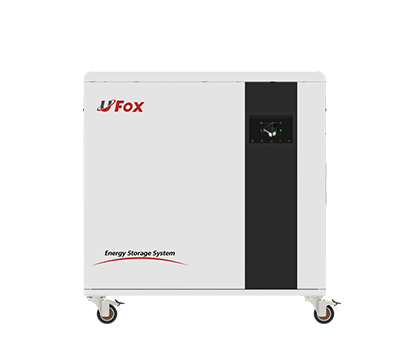
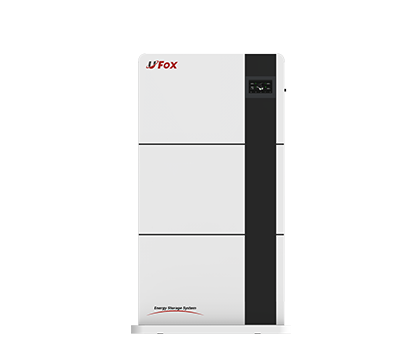
In residential settings, a 20kW solar battery can have a significant impact. It can be used to store solar energy generated during the day to power the entire household during the night. This means that homeowners can reduce their reliance on the grid and potentially even achieve energy independence. The battery can power essential appliances such as refrigerators, lights, air conditioners, and entertainment systems. For example, in a home with a large solar array and a 20kW solar battery, the family can enjoy uninterrupted power supply during power outages or during times when the solar panels are not generating sufficient energy. It also allows homeowners to take advantage of time - of - use electricity rates by storing energy during off - peak solar generation times and using it during peak - demand periods in the evening.
2. Commercial and Industrial Applications
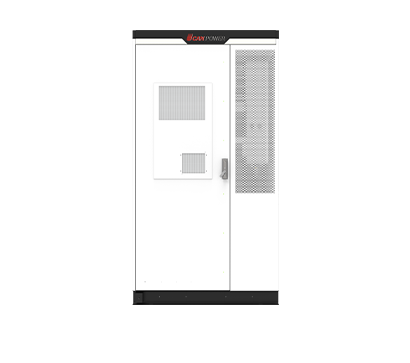
Commercial and industrial facilities can greatly benefit from a 20kW solar battery. In commercial buildings, it can be used to manage peak - demand charges. By storing solar energy during the day and using it during peak - demand hours, businesses can reduce their electricity costs. For example, in an office building with high - energy - consuming equipment such as computers, servers, and lighting systems, the solar battery can provide power during peak - demand periods, reducing the load on the grid and avoiding costly peak - demand tariffs. In industrial applications, the solar battery can be used to provide backup power for critical processes. In a manufacturing plant, it can ensure that production lines continue to operate during power interruptions, preventing costly downtime. It can also be integrated with on - site solar panels to make the most of renewable energy generation and reduce the facility's carbon footprint.
3. Utility - Scale Applications
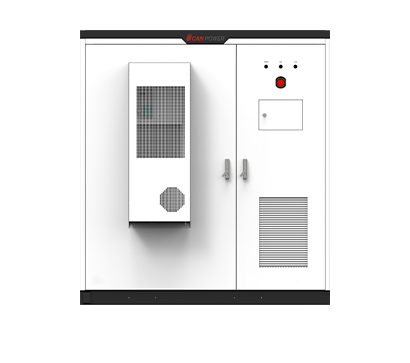
At the utility - scale, 20kW solar batteries can be aggregated to form larger energy storage systems. These systems are used to integrate solar energy into the power grid more effectively. They can store excess solar energy during periods of high solar generation and release it when the grid needs additional power. This helps to stabilize the grid and reduce the intermittency issues associated with solar power. For example, in a solar farm connected to the grid, a large number of 20kW solar batteries can be used to store the energy generated during sunny days and supply it to the grid during evenings or during periods of high electricity demand. This improves the reliability and flexibility of the power grid and enables a higher penetration of solar energy in the overall energy mix.




 German
 Italian
 Japanese
 Global (English)
 Chinese
 Spanish
 French


