

Introduction
In today's rapidly evolving world, the demand for reliable and sustainable power sources is ever-increasing. One innovative solution that has emerged in recent years is the container power station. These compact and modular power generation units offer a flexible and efficient way to meet the energy needs of various applications, from remote locations to urban areas in need of backup power. This article will explore the concept of container power stations, their benefits, applications, and the challenges they face.
I. Understanding Container Power Stations
A. What is a Container Power Station?
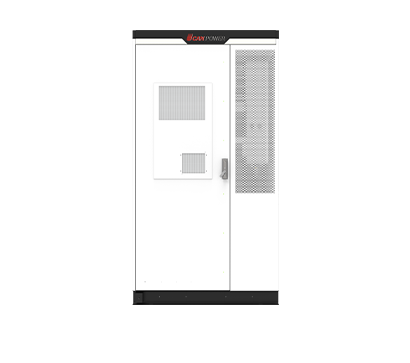
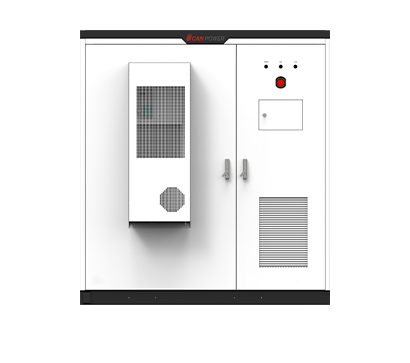
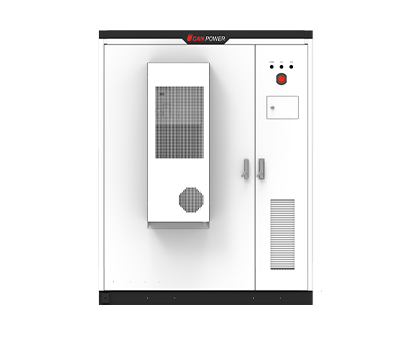
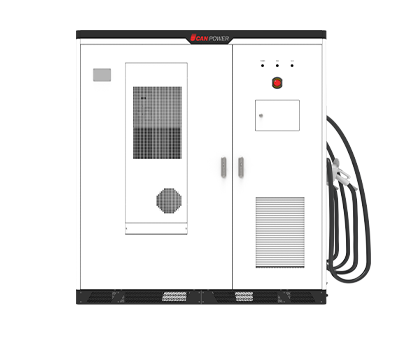
A container power station is a self-contained power generation unit housed in a shipping container. These stations can be equipped with various types of power generation technologies, such as diesel generators, natural gas generators, or renewable energy sources like solar panels and wind turbines. The container provides a durable and portable enclosure that protects the equipment and makes it easy to transport and install.
B. Components of a Container Power Station
A typical container power station consists of several key components:
1. Power Generation Equipment: This can include diesel or natural gas generators, or renewable energy systems such as solar panels and wind turbines.
2. Control and Monitoring Systems: These systems are responsible for controlling the operation of the power station and monitoring its performance. They may include programmable logic controllers (PLCs), sensors, and communication devices.
3. Fuel Storage and Supply Systems: If the power station uses fossil fuels, it will need a fuel storage tank and supply system to ensure a continuous supply of fuel.
4. Cooling and Ventilation Systems: To keep the equipment operating at optimal temperatures, container power stations are equipped with cooling and ventilation systems.
5. Electrical Distribution Systems: These systems distribute the generated power to the load, either through direct connection or via a transformer and switchgear.
C. Types of Container Power Stations
There are several types of container power stations, depending on the power generation technology used:
1. Diesel Generator Container Power Stations: These are the most common type of container power stations and are often used as backup power sources or in remote locations where grid power is unavailable.
2. Natural Gas Generator Container Power Stations: These stations use natural gas as a fuel source and are becoming increasingly popular due to their lower emissions and cost compared to diesel generators.
3. Renewable Energy Container Power Stations: These stations combine solar panels, wind turbines, or other renewable energy sources with energy storage systems to provide a sustainable and reliable power supply.
II. Benefits of Container Power Stations
A. Portability and Mobility
One of the major advantages of container power stations is their portability. Being housed in a shipping container, they can be easily transported by truck, ship, or rail to any location. This makes them ideal for use in remote areas where it is difficult or expensive to extend the power grid. Additionally, container power stations can be quickly deployed in emergency situations, providing power to disaster-stricken areas or during power outages.
B. Modularity and Scalability
Container power stations are highly modular, which means they can be easily expanded or downsized depending on the power requirements. Multiple containers can be connected together to increase the power output, or individual containers can be removed if the power demand decreases. This flexibility allows for efficient use of resources and cost savings.
C. Rapid Deployment
Compared to traditional power plants, container power stations can be deployed much more quickly. Since they are prefabricated and come in a ready-to-use package, they can be installed and commissioned in a matter of days or weeks, rather than months or years. This is particularly important in situations where time is of the essence, such as during emergencies or when there is a sudden increase in power demand.
D. Cost-Effectiveness
Container power stations can be a cost-effective solution for many applications. They have a lower initial investment cost compared to building a traditional power plant, and their modular design allows for easy expansion or relocation, reducing the risk of over-investment. Additionally, the use of renewable energy sources in container power stations can further reduce operating costs and environmental impact.
E. Environmental Friendliness
Some types of container power stations, such as those using renewable energy sources, are highly environmentally friendly. They produce no emissions or pollutants, helping to reduce the carbon footprint and protect the environment. Even diesel or natural gas generator container power stations can be equipped with emissions control systems to minimize their environmental impact.
III. Applications of Container Power Stations
A. Remote Locations
Container power stations are ideal for providing power to remote locations such as mining sites, oil and gas fields, construction projects, and rural communities. These areas often lack access to the power grid, and building a traditional power plant can be prohibitively expensive. Container power stations can be quickly deployed and provide a reliable source of power, enabling these activities to continue uninterrupted.
B. Emergency Power Supply
In the event of a natural disaster, power outage, or other emergencies, container power stations can provide critical backup power. They can be rapidly deployed to hospitals, emergency shelters, communication centers, and other essential facilities to ensure the continuity of essential services.
C. Temporary Power Requirements
Container power stations are often used to meet temporary power needs, such as during festivals, concerts, sporting events, or construction projects. They can be easily installed and removed after the event, providing a flexible and cost-effective solution.
D. Peak Shaving and Load Balancing
Container power stations can be used for peak shaving and load balancing in areas with fluctuating power demand. By providing additional power during peak periods, they can help reduce the strain on the power grid and lower electricity costs.
E. Microgrids
Container power stations can be integrated into microgrids, which are small-scale power systems that can operate independently or in conjunction with the main power grid. Microgrids with container power stations can provide reliable power to communities, industrial parks, or military bases, enhancing energy security and resilience.
IV. Challenges and Limitations of Container Power Stations
A. Reliability and Maintenance
Although container power stations are designed to be reliable, they still require regular maintenance and servicing to ensure optimal performance. The equipment inside the container may be subject to wear and tear, and failures can occur if proper maintenance is not carried out. Additionally, in remote locations, it may be difficult to access spare parts and technical support, which can affect the reliability of the power station.
B. Fuel Supply and Storage
For container power stations that use fossil fuels, ensuring a continuous supply of fuel can be a challenge. Fuel storage tanks need to be regularly refilled, and in remote locations, this can be logistically difficult and expensive. Additionally, fuel storage poses safety risks, and proper safety measures must be in place to prevent accidents.
C. Environmental Impact
While some types of container power stations are environmentally friendly, others, such as diesel generator container power stations, can have a significant environmental impact. Emissions from diesel generators can contribute to air pollution and climate change, and proper emissions control systems are necessary to minimize this impact.
D. Noise and Vibration
Container power stations can generate significant noise and vibration, which can be a nuisance in residential areas or sensitive environments. Adequate noise and vibration isolation measures must be taken to reduce the impact on the surrounding environment.
E. Regulatory and Permitting Issues
The installation and operation of container power stations may be subject to various regulatory and permitting requirements. These can vary depending on the location and the type of power generation technology used. Navigating these regulations can be complex and time-consuming, and may add to the cost and complexity of deploying container power stations.
V. Future Outlook and Trends
A. Technological Advancements
As technology continues to advance, container power stations are expected to become more efficient, reliable, and environmentally friendly. Improvements in power generation technologies, energy storage systems, and control and monitoring systems will enhance the performance and functionality of container power stations. Additionally, the integration of smart grid technologies will enable container power stations to interact more effectively with the power grid and optimize energy usage.
B. Increased Adoption of Renewable Energy
The growing demand for clean and sustainable energy sources is likely to drive the increased adoption of renewable energy in container power stations. Solar panels, wind turbines, and other renewable energy technologies are becoming more cost-effective and efficient, making them an attractive option for power generation. Hybrid container power stations that combine multiple renewable energy sources with energy storage systems are likely to become more common in the future.
C. Expansion into New Markets
Container power stations have the potential to expand into new markets and applications. As the cost of renewable energy continues to decline, container power stations could become a viable option for powering developing countries and remote areas that lack access to reliable electricity. Additionally, the growing demand for backup power and microgrids in urban areas could create new opportunities for container power stations.
D. Collaboration and Partnerships
To overcome the challenges and realize the full potential of container power stations, collaboration and partnerships between different stakeholders are essential. Manufacturers, energy providers, government agencies, and research institutions need to work together to develop and deploy innovative solutions. This could include sharing knowledge and expertise, investing in research and development, and collaborating on regulatory and policy initiatives.
Container power stations represent a promising innovation in the field of power generation. Their portability, modularity, and rapid deployment capabilities make them a valuable tool for meeting the energy needs of various applications. While there are challenges to overcome, such as reliability, fuel supply, and environmental impact, technological advancements and increased adoption of renewable energy are likely to drive the growth and evolution of container power stations in the future. As the world continues to seek sustainable and reliable energy solutions, container power stations have the potential to play a significant role in shaping the future of energy supply.




 German
 Italian
 Japanese
 Global (English)
 Chinese
 Spanish
 French


