

1. Advances in Battery Chemistries
Researchers are constantly exploring new battery chemistries to improve the performance of battery power storage. For example, solid - state batteries are being developed. These batteries use a solid electrolyte instead of a liquid one, which can potentially offer higher energy density, improved safety, and longer lifespan. Other emerging chemistries include lithium - sulfur batteries, which have the potential to provide even higher energy densities than current lithium - ion batteries. These new chemistries could revolutionize the way we store and use electrical energy.
2. Increasing Energy Density
Increasing the energy density of batteries is a key goal. Higher energy density would allow for longer - range electric vehicles, smaller and lighter batteries for portable electronics, and more efficient energy storage in renewable energy systems. This could be achieved through the development of new materials for electrodes and electrolytes, as well as improved manufacturing techniques.
3. Improved Battery Management Systems
Better battery management systems (BMS) are being developed to optimize the charging and discharging of batteries. BMS can monitor the state of charge, state of health, and temperature of the battery. They can also prevent overcharging, over - discharging, and thermal runaway. Advanced BMS can extend the lifespan of batteries and improve their overall performance. In the future, more intelligent and integrated BMS will be crucial for the reliable operation of battery - powered systems.
4. Grid - Scale Energy Storage
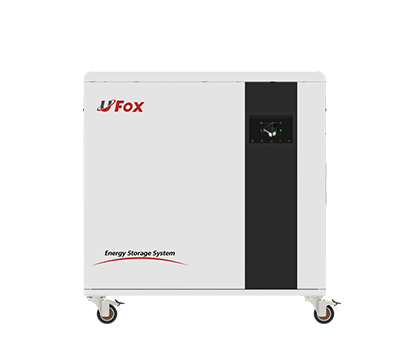
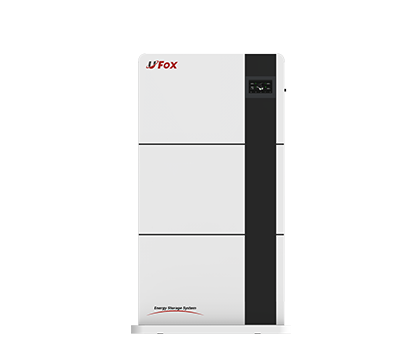
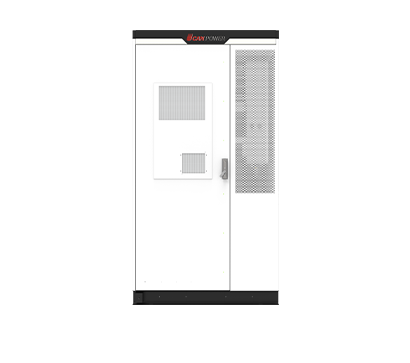
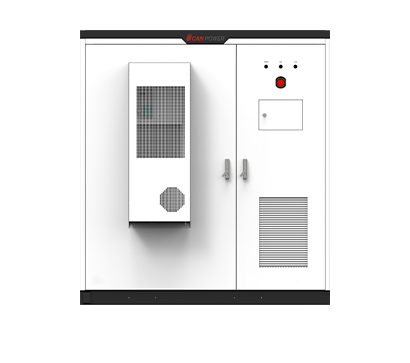
The development of grid - scale energy storage using batteries is expected to grow significantly. This will help to balance the power grid and make renewable energy more reliable. Batteries can store excess energy during periods of low demand and release it during peak demand. This can reduce the need for fossil - fuel - based power plants for peak load generation and make the power grid more resilient. Large - scale battery storage projects are already being implemented around the world, and this trend is likely to continue.
Battery power storage is a complex and dynamic field that has a wide range of applications and significant impact on our daily lives and the energy sector. The continuous development of different battery types, improvement in working principles, and addressing the challenges related to cost, safety, lifespan, and environmental impact are essential for the further growth of battery - powered applications. The future prospects of battery power storage, including new chemistries, increased energy density, improved management systems, and grid - scale storage, hold great promise for a more sustainable and energy - efficient world. As technology continues to evolve, battery power storage will play an even more crucial role in powering our modern society.






 German
 Italian
 Japanese
 Global (English)
 Chinese
 Spanish
 French


