

In today's world, where energy efficiency and sustainability are of utmost importance, high-efficiency inverters play a crucial role in various applications. From solar power systems to industrial processes, these advanced devices offer numerous benefits and are transforming the way we generate, store, and use electricity. In this in-depth exploration, we will delve into the world of high-efficiency inverters, understanding their functions, advantages, and the impact they have on different sectors.
I. Introduction to High-Efficiency Inverters
An inverter is a device that converts direct current (DC) electricity into alternating current (AC) electricity. This conversion is essential in many applications as most electrical devices and the power grid operate on AC power. High-efficiency inverters are designed to perform this conversion with minimal energy loss, maximizing the overall efficiency of the power system.
The demand for high-efficiency inverters has been on the rise due to several factors. Firstly, the growing emphasis on renewable energy sources such as solar and wind power requires efficient inverters to convert the DC power generated by these sources into usable AC power. Secondly, in industrial and commercial settings, energy efficiency is a key concern to reduce operating costs and meet environmental regulations. Additionally, with the increasing use of electronic devices and the need for reliable power supply, high-efficiency inverters are essential for ensuring smooth operation and minimizing power consumption.
II. How High-Efficiency Inverters Work
High-efficiency inverters utilize advanced technologies and design principles to achieve high conversion efficiency. The basic operation of an inverter involves taking in DC power from a source such as a battery, solar panel, or fuel cell and converting it into AC power through a series of electronic components.
One of the key components of a high-efficiency inverter is the power semiconductor device, typically an insulated gate bipolar transistor (IGBT) or a metal-oxide-semiconductor field-effect transistor (MOSFET). These devices are designed to handle high power levels and switch rapidly between on and off states, minimizing power loss during the conversion process.
In addition to the power semiconductor devices, high-efficiency inverters also employ advanced control algorithms and filtering techniques to ensure clean and stable AC output. These algorithms optimize the switching patterns and control the output voltage and frequency to meet the requirements of the connected load.
Furthermore, high-efficiency inverters often incorporate features such as power factor correction (PFC) to improve the power quality and reduce harmonic distortion. PFC ensures that the inverter draws a sinusoidal current from the source, minimizing reactive power and maximizing the real power transfer.
III. Advantages of High-Efficiency Inverters
Energy Savings
1. The most significant advantage of high-efficiency inverters is the energy savings they offer. By minimizing power loss during the conversion process, these inverters reduce the overall energy consumption of the power system. This not only leads to lower electricity bills but also contributes to energy conservation and environmental sustainability.
2. In solar power systems, high-efficiency inverters can increase the energy yield by maximizing the power output of the solar panels. This is especially important in areas with limited sunlight or where the cost of electricity is high.
Reliability and Durability
1. High-efficiency inverters are designed to be reliable and durable, with advanced thermal management systems and protection features. These inverters can operate in harsh environments and withstand high temperatures, humidity, and electrical stress.
2. The use of high-quality components and advanced manufacturing processes ensures long-term reliability and reduces the need for frequent maintenance and replacement. This is particularly beneficial in applications where downtime is costly, such as in industrial processes or critical infrastructure.
Improved Power Quality
1. High-efficiency inverters often incorporate features such as PFC and harmonic filtering to improve the power quality of the output AC power. This results in a cleaner and more stable power supply, reducing the risk of damage to sensitive electronic devices and improving the overall performance of the electrical system.
2. By minimizing harmonic distortion and improving the power factor, high-efficiency inverters can also help reduce electrical noise and interference, improving the reliability of communication and control systems.
Versatility and Compatibility
1. High-efficiency inverters are available in a wide range of power ratings and configurations, making them suitable for various applications. They can be used in residential, commercial, and industrial settings, as well as in off-grid and backup power systems.
2. These inverters are also compatible with different types of energy sources, including solar panels, batteries, fuel cells, and the power grid. This versatility allows for easy integration into existing power systems and enables the use of multiple energy sources for increased reliability and flexibility.
IV. Applications of High-Efficiency Inverters
Solar Power Systems
1. In solar power systems, high-efficiency inverters are essential for converting the DC power generated by the solar panels into AC power that can be used to power homes, businesses, and the grid. These inverters play a crucial role in maximizing the energy yield of the solar panels and ensuring a reliable and stable power supply.
2. High-efficiency inverters for solar power systems often come with features such as maximum power point tracking (MPPT), which optimizes the power output of the solar panels by adjusting the voltage and current. They also offer grid-tie functionality, allowing excess power to be fed back into the grid and potentially earning credits or payments from the utility company.
Wind Power Systems
1. In wind power systems, high-efficiency inverters are used to convert the variable DC power generated by the wind turbines into AC power that can be integrated into the electrical grid. These inverters must be able to handle the fluctuating power output of the wind turbines and ensure a stable and reliable power supply.
2. Similar to solar power inverters, wind power inverters often incorporate features such as MPPT and grid-tie functionality. They may also have advanced control algorithms to optimize the power output and reduce mechanical stress on the wind turbines.
1.
Industrial Applications
1. In industrial settings, high-efficiency inverters are used to power a wide range of equipment and processes. These inverters can be used to control the speed of motors, drive conveyor systems, and operate pumps and fans. By using high-efficiency inverters, industrial plants can reduce energy consumption, improve process control, and increase productivity.
2. Industrial inverters often come with features such as programmable logic controllers (PLCs) and communication interfaces, allowing for seamless integration into industrial automation systems. They may also have advanced safety features and protection mechanisms to ensure reliable operation in harsh industrial environments.
Backup Power Systems
1. High-efficiency inverters are also used in backup power systems, providing reliable power during power outages or emergencies. These inverters can be connected to batteries, generators, or other energy sources to ensure a continuous power supply to critical loads such as hospitals, data centers, and telecommunications facilities.
2. Backup power inverters often have features such as automatic transfer switches and battery management systems to ensure seamless transition between the main power source and the backup power source. They may also have built-in chargers to recharge the batteries when the main power is restored.
V. Choosing the Right High-Efficiency Inverter
When choosing a high-efficiency inverter, several factors need to be considered to ensure that it meets the specific requirements of the application. Some of these factors include:
Power Rating
1. The power rating of the inverter should be matched to the power requirements of the load. Consider the maximum power consumption of the connected devices and ensure that the inverter can handle this load without overloading.
2. In some cases, it may be necessary to choose an inverter with a higher power rating to allow for future expansion or to handle peak power demands.
Efficiency
1. Look for an inverter with a high conversion efficiency to maximize energy savings. Check the manufacturer's specifications for the efficiency rating at different load levels and ensure that it meets your energy efficiency requirements.
2. Consider the overall efficiency of the power system, including the efficiency of the energy source and the connected load. A high-efficiency inverter can help improve the overall efficiency of the system by minimizing power loss.
Features and Functionality
1. Consider the specific features and functionality required for your application. For example, if you are using the inverter in a solar power system, look for features such as MPPT, grid-tie functionality, and monitoring capabilities.
2. In industrial applications, features such as PLC integration, communication interfaces, and advanced control algorithms may be important. For backup power systems, look for features such as automatic transfer switches and battery management systems.
Reliability and Durability
1. Choose an inverter from a reputable manufacturer with a proven track record of reliability and durability. Check for reviews and testimonials from other users to get an idea of the inverter's performance and longevity.
2. Consider the warranty offered by the manufacturer and ensure that it provides adequate protection against defects and failures.
Cost
1. While high-efficiency inverters may have a higher upfront cost compared to traditional inverters, they can offer significant energy savings and long-term cost benefits. Consider the total cost of ownership, including the initial purchase price, installation costs, and energy savings over the life of the inverter.
2. Compare different models and brands to find the best value for your money, taking into account the features, efficiency, and reliability.
VI. Installation and Maintenance of High-Efficiency Inverters
Installation
1. High-efficiency inverters should be installed by a qualified electrician or technician who is experienced in working with electrical systems. Follow the manufacturer's installation instructions carefully to ensure proper installation and wiring.
2. Consider the location of the inverter, ensuring that it is installed in a dry, cool, and well-ventilated area. Avoid installing the inverter in direct sunlight or near sources of heat or moisture.
3. Ensure that all electrical connections are made properly and securely, using appropriate cables and connectors. Check for any loose connections or wiring errors that could lead to electrical hazards or performance issues.
Maintenance
1. Regular maintenance is essential to ensure the long-term performance and reliability of high-efficiency inverters. Follow the manufacturer's maintenance recommendations, which may include periodic inspections, cleaning, and software updates.
2. Check the inverter's display and indicators regularly to ensure that it is operating properly. Look for any error messages or warnings that may indicate a problem.
3. Clean the inverter's exterior and ventilation openings to prevent dust and debris from accumulating, which can affect its cooling and performance.
4. If the inverter is connected to a battery bank, check the battery's state of charge and voltage regularly. Ensure that the batteries are properly maintained and charged to prolong their lifespan.
VII. The Future of High-Efficiency Inverters
As the demand for energy efficiency and renewable energy continues to grow, high-efficiency inverters are expected to play an even more important role in the future. Technological advancements are likely to lead to further improvements in inverter efficiency, reliability, and functionality.
Some of the trends that we can expect to see in the future of high-efficiency inverters include:
Increased Integration with Smart Grids
1. High-efficiency inverters will become more integrated with smart grid technologies, allowing for seamless communication and coordination with the power grid. This will enable better management of energy flow, improved grid stability, and increased utilization of renewable energy.
2. Inverters may be equipped with advanced communication interfaces and software algorithms to interact with smart meters, energy management systems, and other grid-connected devices.
Advanced Control Algorithms
1. Research and development efforts are focused on developing more advanced control algorithms for high-efficiency inverters. These algorithms will optimize the power conversion process, improve power quality, and adapt to changing load conditions and energy sources.
2. For example, artificial intelligence and machine learning techniques may be used to predict load demands and optimize the inverter's operation in real-time.
Higher Power Densities
1. Future high-efficiency inverters are likely to have higher power densities, allowing for smaller and more compact designs. This will make them easier to install and integrate into various applications, especially in space-constrained environments.
2. Advances in power semiconductor technology and thermal management systems will enable higher power handling capabilities in smaller packages.
Integration with Energy Storage Systems
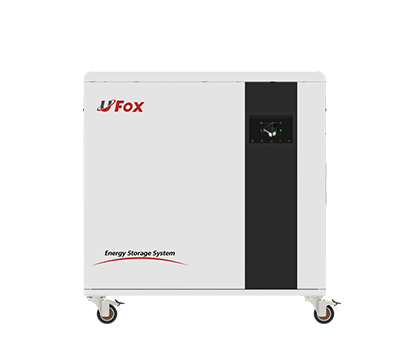
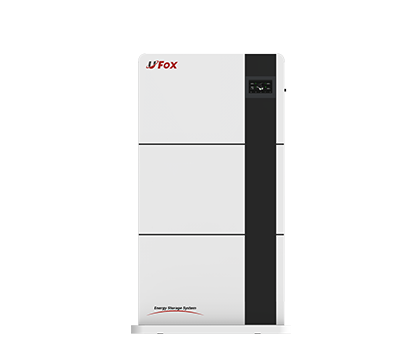
1. High-efficiency inverters will be increasingly integrated with energy storage systems such as batteries and supercapacitors. This will allow for more efficient energy management, enabling the storage of excess energy for later use and providing backup power during outages.
2. Inverters may be designed to work seamlessly with different types of energy storage technologies, optimizing the charging and discharging processes and maximizing the overall efficiency of the system.
VIII. Conclusion
High-efficiency inverters are a crucial component in today's energy landscape, offering numerous benefits in terms of energy savings, reliability, power quality, and versatility. Whether used in solar power systems, wind power systems, industrial applications, or backup power systems, these advanced devices are transforming the way we generate, store, and use electricity.
As technology continues to advance, we can expect to see even more innovative and efficient inverters in the future, further enhancing the performance and sustainability of our power systems. By choosing the right high-efficiency inverter and ensuring proper installation and maintenance, we can take a significant step towards a more energy-efficient and environmentally friendly future.




 German
 Italian
 Japanese
 Global (English)
 Chinese
 Spanish
 French


