

I. Introduction
Integrated power systems represent a sophisticated approach to meeting the energy requirements of various applications, ranging from small - scale residential setups to large - scale industrial complexes and even entire cities. These systems combine multiple power generation sources, energy storage solutions, and power management and distribution components to create a unified and efficient power infrastructure. The goal of integrated power systems is to optimize the utilization of available energy resources, enhance system reliability, and reduce environmental impact.
II. Components of Integrated Power Systems
1. Power Generation Sources
- Renewable Energy Generators: Renewable energy sources play a crucial role in integrated power systems. Solar photovoltaic (PV) panels are widely used for their ability to convert sunlight directly into electricity. The efficiency of solar panels has been steadily increasing, with advanced materials and designs being developed. Wind turbines are another significant renewable energy generator, available in various sizes from small - scale units for residential or community use to large - scale offshore turbines. Hydroelectric power, including small - hydro and micro - hydro systems for local applications and large - scale dams for grid - scale power generation, harnesses the energy of flowing water. Geothermal power plants utilize the heat from the Earth's interior to generate steam and electricity, providing a continuous and reliable source of energy in suitable locations.
- Conventional Power Generators: In some integrated power systems, conventional power generation sources such as fossil - fuel - based power plants (coal - fired, gas - fired) may still be present, especially in regions where renewable energy infrastructure is being developed or during transitional periods. These plants can provide a stable base load power, although efforts are being made to improve their efficiency and reduce their environmental impact through technologies like carbon capture and storage (CCS) and advanced combustion techniques.
- Distributed Generation: Distributed generation units, such as small - scale gas engines, micro - turbines, or fuel cells, are often part of integrated power systems. These can be located closer to the load centers, reducing transmission losses. Fuel cells, for example, can operate on various fuels like hydrogen, natural gas, or even biofuels, and offer high - efficiency power generation with low emissions.
2. Energy Storage Systems
- Batteries: Different types of batteries are used in integrated power systems. Lithium - ion batteries are popular due to their high energy density, long cycle life (especially with new chemistries like lithium - iron - phosphate), and relatively fast charging capabilities. They are widely used in applications from electric vehicles to grid - scale energy storage. Lead - acid batteries, although having a lower energy - to - weight ratio, are still used in some stationary applications due to their lower cost and proven technology. Flow batteries are emerging as a viable option for large - scale energy storage, as they can be easily scaled up by increasing the size of the electrolyte tanks and have good cycle life characteristics.
- Other Storage Technologies: Pumped - hydro storage is a well - established method where water is pumped to a higher elevation during periods of low electricity demand and released through turbines during peak - demand periods to generate power. Thermal energy storage can be used in conjunction with solar thermal or other heat - based power generation systems. For example, molten salts can store heat during the day in a solar thermal plant and release it at night to continue electricity production. Supercapacitors, with their high power density and fast charge - discharge times, are used in applications where quick bursts of energy are required, such as for providing backup power during short - term grid disturbances or in hybrid power systems with high - power - demand peaks.
3. Power Management and Distribution Components
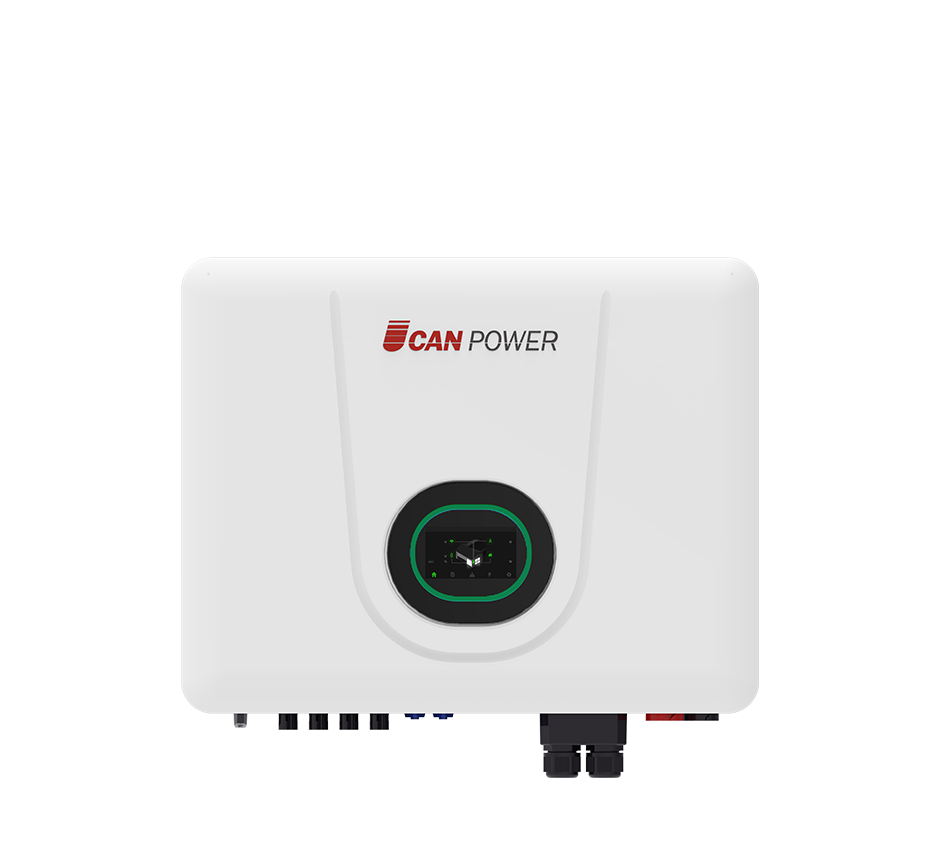
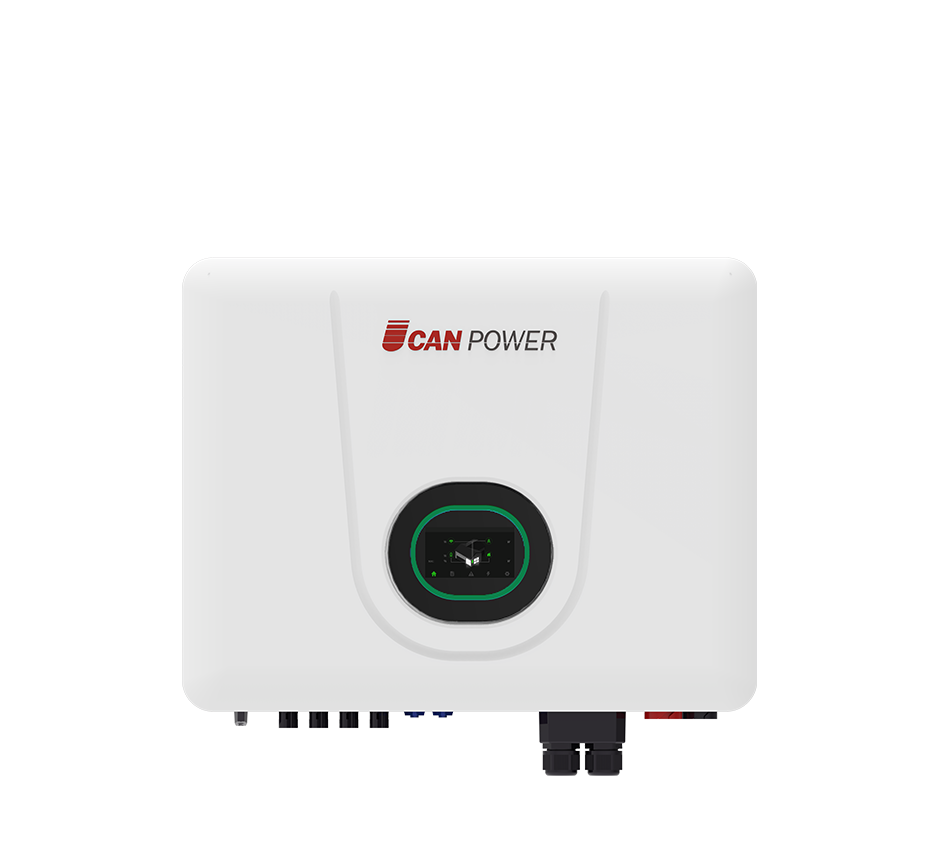
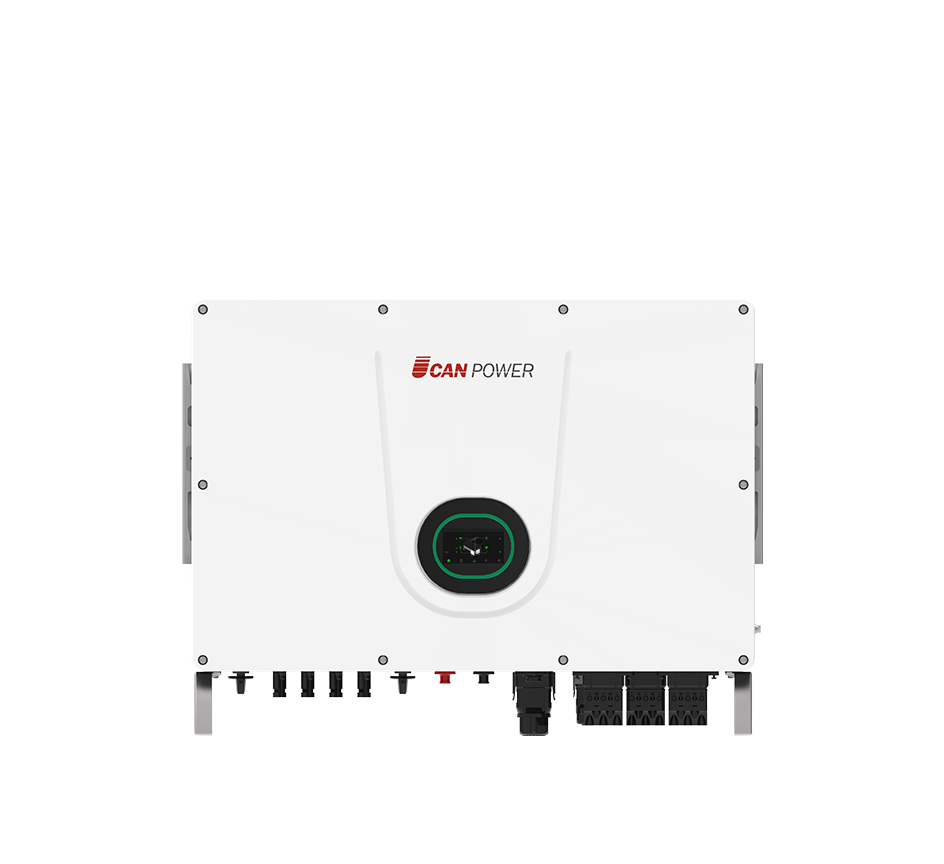
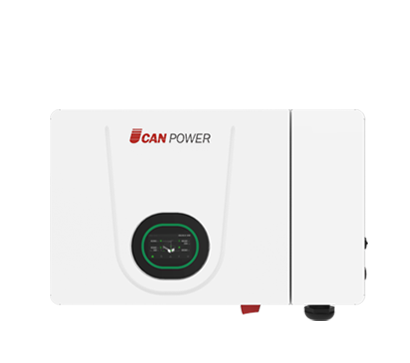
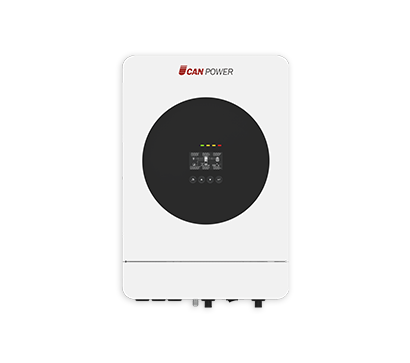
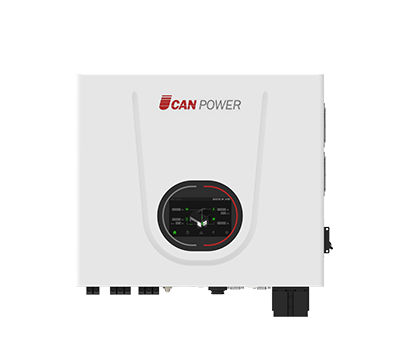
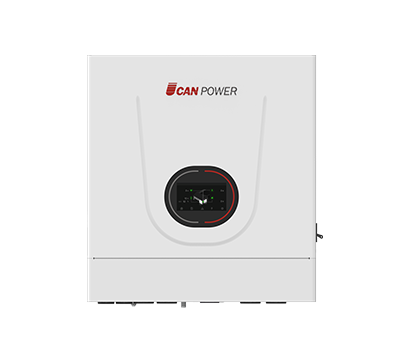
- Inverters: Inverters are essential for converting the direct current (DC) generated by renewable energy sources and stored in batteries into alternating current (AC) for use in the electrical grid or to power AC - based loads. Single - phase and three - phase inverters are used depending on the application. Advanced inverters have features like maximum power point tracking (MPPT) for solar panels, which optimizes the power output, and grid - connection functions that ensure safe and efficient power injection into the grid. Hybrid inverters, which can handle power from multiple sources such as solar panels, batteries, and the grid simultaneously, are becoming increasingly common in integrated power systems.
- Transformers: Transformers are used to change the voltage levels in the power distribution network. Step - up transformers increase the voltage for long - distance transmission to reduce losses, while step - down transformers lower the voltage for use in local distribution and at the end - user level. In integrated power systems, the proper selection and operation of transformers are crucial for efficient power transfer.
- Switchgear and Protection Devices: These components include circuit breakers, fuses, relays, and other protective devices. They are responsible for isolating faulty sections of the power system, protecting equipment from overcurrent, overvoltage, and other electrical faults. In an integrated power system, reliable switchgear and protection systems are necessary to ensure the safety and stability of the entire power infrastructure.
- Power Distribution Units (PDUs): PDUs are used to distribute power to various loads within a building or a specific area. They can monitor and control the power supply to different circuits, providing information on power consumption and enabling load management. In an integrated power system, PDUs play a role in optimizing the distribution of power to different end - users or processes.
III. Design and Operation of Integrated Power Systems
1. System Design Considerations
- Load Analysis: Understanding the power requirements of the loads is the first step in designing an integrated power system. This includes analyzing the peak and average power demands of different types of loads, such as residential appliances, industrial machinery, or commercial lighting. Load profiles are created to determine the power consumption patterns over time, which helps in sizing the power generation and storage components.
- Resource Assessment: For renewable energy - based integrated power systems, a thorough assessment of available resources is essential. This involves evaluating the solar irradiance, wind speed and direction, water flow for hydro systems, and geothermal potential in the area. Based on this assessment, the appropriate types and sizes of renewable energy generators can be selected.
- Reliability and Redundancy: To ensure continuous power supply, integrated power systems are designed with reliability and redundancy in mind. This may involve having multiple power generation sources, backup energy storage, and redundant distribution paths. For example, in a critical facility like a hospital, redundant generators and energy storage systems are installed to provide power during grid failures or maintenance of the primary power source.
- Scalability: The design of integrated power systems should allow for easy scalability to accommodate future growth in power demand or the addition of new power generation or storage technologies. This may involve modular designs of power generation units, expandable energy storage systems, and a flexible power distribution network.
2. Operation and Control Strategies
- Energy Management Systems (EMS): EMS are the brain of an integrated power system. They use advanced algorithms and real - time data from sensors throughout the system to optimize the operation of power generation, storage, and distribution. EMS can control the charging and discharging of energy storage systems, adjust the power output of generators based on load demand and available resources, and manage power flow in the distribution network. For example, during periods of high solar power generation and low load demand, the EMS can direct the excess power to charge the energy storage or feed it back to the grid.
- Load Management: Load management strategies are employed to balance the power demand with the available power supply. This can include demand - response programs where consumers are incentivized to reduce their power consumption during peak - demand periods. Load - shedding techniques may also be used in emergency situations to cut off non - essential loads to maintain power supply to critical loads. In an integrated power system, load management is coordinated with the operation of power generation and storage to ensure stability.
- Grid - Integration and Power Quality: When integrated power systems are connected to the main electrical grid, ensuring grid - integration and maintaining good power quality are important. This involves synchronizing the power output of the integrated system with the grid's voltage and frequency, managing power factor, and minimizing harmonic distortion. Advanced inverters and power conditioning equipment are used to achieve these goals, allowing for seamless interaction between the integrated power system and the grid.
IV. Advantages of Integrated Power Systems
1. Energy Efficiency
Integrated power systems optimize the use of different energy resources. By combining renewable and conventional power generation sources with energy storage, the system can make better use of available energy. For example, excess solar energy during the day can be stored and used at night or during cloudy days. This reduces the reliance on fossil - fuel - based power during peak - demand periods, improving the overall energy efficiency of the system. Additionally, the use of advanced power management and distribution components minimizes losses during power transfer and conversion.
2. Reliability and Resilience
The multiple power generation sources and energy storage in integrated power systems provide enhanced reliability. In case of a failure of one power source, such as a wind turbine outage or a solar panel malfunction, other sources can continue to supply power. Energy storage systems can provide backup power during short - term grid failures or fluctuations. This resilience is crucial for critical applications like data centers, hospitals, and emergency response facilities, ensuring continuous operation and minimizing the impact of power disruptions.
3. Environmental Benefits
With a greater emphasis on renewable energy sources in integrated power systems, there are significant environmental benefits. The use of solar, wind, hydro, and geothermal power reduces greenhouse gas emissions compared to traditional fossil - fuel - based power generation. Additionally, the efficient operation of these systems, including energy storage to optimize renewable energy utilization, further contributes to reducing the carbon footprint. This helps in mitigating climate change and improving air quality.
4. Cost - effectiveness
Although the initial investment in integrated power systems may be high, they can be cost - effective in the long run. By reducing reliance on expensive fossil fuels and optimizing energy usage, the overall cost of energy production and consumption can be decreased. For example, in a commercial building with an integrated power system, the ability to generate and store its own energy can lead to significant savings on electricity bills. The use of distributed generation and local energy storage can also reduce transmission and distribution costs by minimizing the need for long - distance power transmission from centralized power plants.
V. Challenges in Integrated Power Systems
1. Complexity of Integration
Integrating multiple power generation sources, energy storage systems, and power management components is a complex task. Different technologies have different operating characteristics, and ensuring seamless coordination among them requires sophisticated control systems. For example, synchronizing the output of solar panels, wind turbines, and conventional generators with the grid and energy storage systems involves complex power electronics and communication protocols. Compatibility issues between different components, such as inverters and batteries, can also arise, requiring careful selection and integration.
2. Initial Investment and Cost - benefit Analysis
The initial cost of setting up an integrated power system can be substantial. The purchase and installation of renewable energy generators, energy storage systems, and advanced power management equipment require significant capital investment. Conducting a comprehensive cost - benefit analysis is challenging as it involves considering factors such as the cost of energy over the system's lifespan, potential savings from reduced grid - dependence, and the value of improved reliability. In some cases, the payback period for the investment may be long, especially if government incentives or subsidies are not available.
3. Technical and Operational Challenges
- Intermittency of Renewable Energy: Renewable energy sources like solar and wind are intermittent, which can cause fluctuations in power supply. Managing these fluctuations with energy storage and backup power sources requires careful planning and operation. The sizing of energy storage systems to ensure continuous power supply during periods of low renewable energy generation is a critical technical challenge.
- Power Quality and Grid - connection Issues: Maintaining good power quality, such as stable voltage and frequency, is crucial when integrating power systems with the grid. Harmonic distortion, voltage sags, and other power quality issues can arise from the operation of power electronics in renewable energy systems and inverters. Ensuring proper grid - connection and compliance with grid - connection standards is also a challenge, especially as the penetration of integrated power systems into the grid increases.
- Lifespan and Maintenance of Components: Different components in an integrated power system have different lifespans and maintenance requirements. Batteries, for example, have a limited number of charge - discharge cycles and may require replacement after a certain period. Renewable energy generators also need regular maintenance to ensure optimal performance. Coordinating the maintenance schedules of various components and predicting component failures to avoid unexpected power outages is a complex operational challenge.
VI. Applications of Integrated Power Systems
1. Residential Applications
In residential settings, integrated power systems can provide homeowners with energy independence. A combination of solar panels, a small - scale energy storage system (such as a home battery), and a backup generator (if needed) can power the household during grid outages. The system can also reduce electricity bills by using solar energy during the day and storing excess energy for use at night. Smart home features can be integrated with the power system, allowing homeowners to monitor and control their energy consumption and production.
2. Commercial and Industrial Applications
Commercial and industrial facilities can benefit greatly from integrated power systems. For example, a large office building can use solar panels on the roof, combined with an energy storage system and a connection to the grid. During the day, the solar energy can be used to power the building's lighting, heating, ventilation, and air - conditioning (HVAC) systems. Excess energy can be stored and used during peak - demand periods or when the solar panels are not generating sufficient power. In industrial applications, integrated power systems can ensure a reliable power supply for critical processes, reduce energy costs, and help meet sustainability goals.
3. Microgrids and Community - based Power Systems
Microgrids are local power systems that can operate independently or in conjunction with the main grid. Integrated power systems are ideal for creating microgrids in communities, campuses, or remote areas. A microgrid can include a mix of renewable energy generators, energy storage, and local power distribution infrastructure. This provides local control over power supply, improves energy resilience, and can reduce the community's dependence on the main grid. In disaster - prone areas, microgrids with integrated power systems can quickly restore power to essential services and homes.
4. Utility - scale Applications
At the utility - scale, integrated power systems are becoming more common as utilities look to integrate more renewable energy into the grid. These systems can include large - scale solar and wind farms, grid - scale energy storage, and advanced power management and distribution systems. The integration of these components helps utilities manage the intermittency of renewable energy, improve grid stability, and meet the growing demand for clean energy.
VII. Future Trends in Integrated Power Systems
1. Advanced Energy Storage Technologies
Research and development in energy storage will continue to drive the evolution of integrated power systems. New battery chemistries, such as solid - state batteries with higher energy densities and improved safety, will become more prevalent. Other emerging storage technologies like hydrogen storage, which can be used in fuel cells for power generation, will gain more attention. These advanced storage solutions will enable more efficient storage and utilization of energy in integrated power systems, especially for long - duration storage requirements.
2. Increased Use of Artificial Intelligence and Big Data Analytics
Artificial intelligence (AI) and big data analytics will play a more significant role in integrated power systems. AI - based energy management systems will be able to make more accurate predictions of power demand, renewable energy generation, and component failures. They will optimize the operation of power generation, storage, and distribution in real - time, taking into account a large number of variables. Big data analytics will be used to analyze historical and real - time data from various components of the system to identify patterns, improve system design, and enhance overall performance.
3. Decentralization and Peer - to - peer Energy Trading
Integrated power systems will contribute to the trend of power system decentralization. More households, businesses, and communities will generate and store their own energy, creating a more distributed power landscape. Peer - to - peer energy trading platforms will emerge, allowing consumers to sell excess energy to their neighbors or local businesses. This will further incentivize the adoption of integrated power systems and change the traditional model of power distribution and consumption.
4. Hybridization of Power Generation Technologies
The hybridization of different power generation technologies will continue to evolve. For example, combining solar - thermal and photovoltaic systems can increase the overall energy output and efficiency. Hybrid systems that integrate multiple renewable energy sources with fossil - fuel - based generators in a more optimized way will also be developed. These hybrid systems will be designed to take advantage of the strengths of each technology while minimizing their weaknesses, providing a more stable and efficient power supply in integrated power systems.
integrated power systems are a complex yet essential solution for the future of energy supply. Despite the challenges, their numerous advantages in terms of energy efficiency, reliability, environmental benefits, and cost - effectiveness make them a promising option for a wide range of applications. With continued technological advancements and the development of appropriate policies and business models, integrated power systems will play an increasingly important role in meeting the world's energy needs.




 German
 Italian
 Japanese
 Global (English)
 Chinese
 Spanish
 French


