

In the modern era, the global energy landscape is undergoing a profound transformation. The increasing demand for energy, coupled with concerns about climate change and the need for sustainable development, has led to the emergence of smart energy solutions. These solutions encompass a wide range of technologies and strategies that aim to optimize energy generation, distribution, and consumption.
One of the key aspects of smart energy solutions is the integration of renewable energy sources. Renewable energy, such as solar, wind, hydro, and geothermal power, offers a clean and sustainable alternative to fossil fuels. Solar photovoltaic (PV) systems, for example, have become increasingly popular in both residential and commercial settings. These systems convert sunlight directly into electricity using semiconductor materials. With advancements in PV technology, the efficiency of solar panels has been steadily improving, while the cost has been decreasing, making solar power more accessible and cost - effective.
Wind energy is another major renewable source. Large - scale wind farms, consisting of multiple wind turbines, are capable of generating significant amounts of electricity. The power output of a wind turbine depends on factors such as the wind speed, the size of the rotor, and the height of the tower. Offshore wind farms have also gained traction in recent years, as they can take advantage of stronger and more consistent winds at sea. Additionally, small - scale wind turbines can be installed in rural and remote areas to provide local power generation.
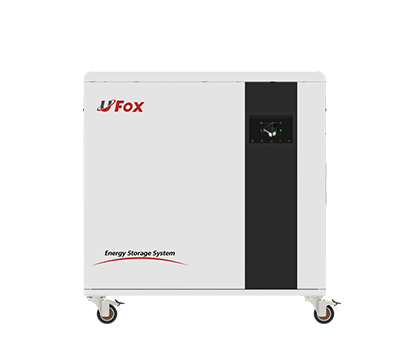
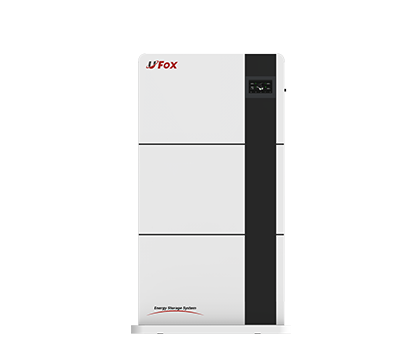
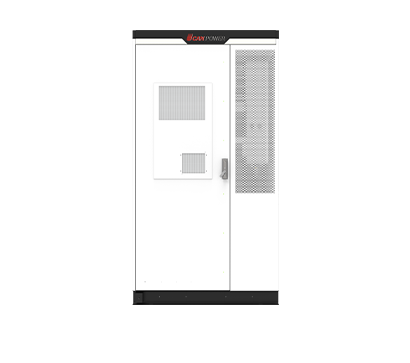
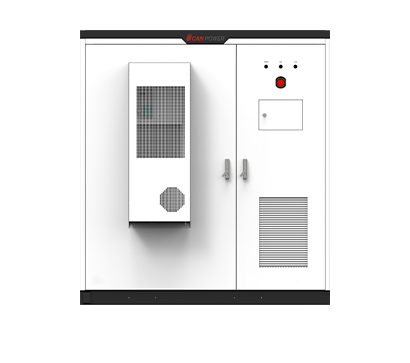
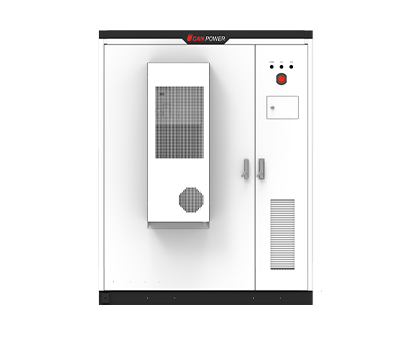
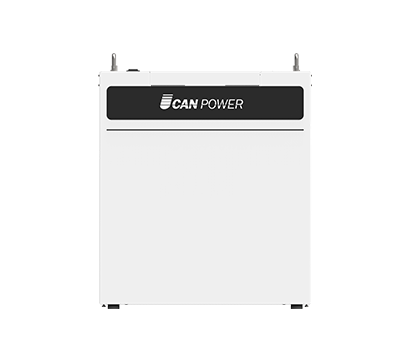
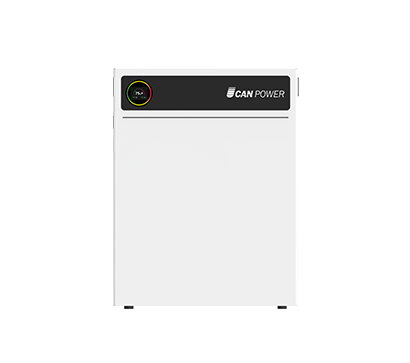
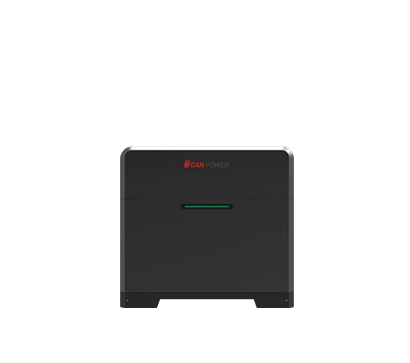
To effectively integrate renewable energy sources into the power grid, advanced energy storage technologies are essential. Energy storage systems, such as lithium - ion batteries, flow batteries, and pumped hydro storage, allow for the storage of excess energy generated during periods of high renewable production and its release during times of high demand or low renewable generation. Lithium - ion batteries are widely used in portable electronics and electric vehicles, and their application in stationary energy storage is growing rapidly. Flow batteries offer the advantage of scalability and long cycle life, while pumped hydro storage is a mature and reliable technology that can store large amounts of energy.
Smart grids are a crucial component of smart energy solutions. A smart grid is an intelligent electricity network that uses digital communication and control technologies to monitor and manage the flow of electricity. It enables two - way communication between the power generation facilities, the distribution network, and the end - users. This allows for real - time monitoring of energy consumption, the detection of faults and outages, and the optimization of power distribution. Smart grids can also facilitate the integration of distributed energy resources, such as rooftop solar panels and small - scale wind turbines, by enabling them to feed excess power back into the grid.
Demand response is another important aspect of smart energy solutions. Demand response programs aim to manage the electricity demand of consumers in response to changes in the supply - demand balance. This can be achieved through various mechanisms, such as dynamic pricing, where the electricity price varies depending on the time of day and the level of demand. Consumers can then adjust their electricity usage based on the price signals, for example, by shifting their energy - intensive activities to off - peak hours. Additionally, smart appliances and home energy management systems can be programmed to respond automatically to price signals or grid - related events, such as power outages or congestion.
The Internet of Things (IoT) is playing a significant role in enabling smart energy solutions. IoT devices, such as smart meters, sensors, and actuators, are being deployed throughout the energy system to collect data on energy generation, consumption, and distribution. Smart meters, for example, provide real - time information on electricity usage to both the consumers and the utility companies. This data can be used for billing purposes, as well as for analyzing consumption patterns and identifying opportunities for energy savings. Sensors can be installed on power lines, transformers, and other equipment to monitor their health and performance, enabling predictive maintenance and reducing the risk of failures.
Energy efficiency is a fundamental principle underlying smart energy solutions. Improving energy efficiency can lead to significant energy savings without sacrificing the quality of service. This can be achieved through measures such as the use of energy - efficient appliances, better insulation of buildings, and the implementation of efficient lighting systems. In the industrial sector, process optimization and the use of energy - efficient technologies can result in substantial energy savings. Energy management systems can be used to monitor and control energy usage in buildings and industrial facilities, identifying areas of inefficiency and implementing corrective measures.
Smart energy solutions also involve the use of advanced analytics and machine learning techniques. By analyzing the large amounts of data collected from various sources, such as smart meters, sensors, and historical energy consumption data, valuable insights can be gained. These insights can be used to predict energy demand, optimize energy generation and distribution, and identify potential faults and anomalies in the energy system. Machine learning algorithms can be trained to recognize patterns in energy consumption and to make predictions based on these patterns. This can help utilities and energy service providers to make more informed decisions and to improve the overall performance of the energy system.
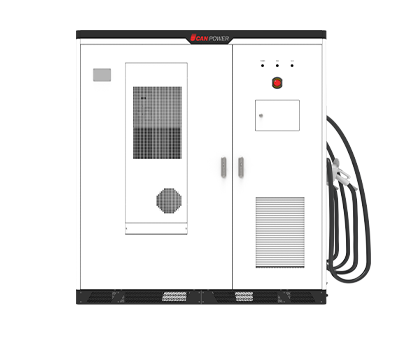
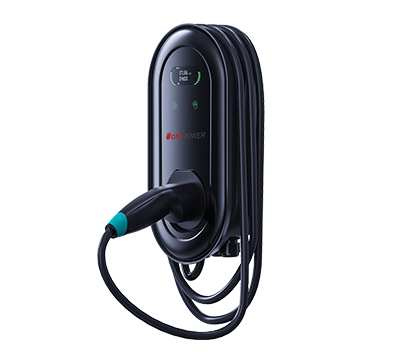
In the transportation sector, smart energy solutions are leading to the development of electric vehicles (EVs) and the expansion of the charging infrastructure. EVs offer a zero - emission alternative to traditional internal combustion engine vehicles. The performance and range of EVs have been steadily improving, while the cost of batteries has been decreasing. To support the widespread adoption of EVs, a comprehensive charging infrastructure is needed. This includes the installation of public charging stations in urban areas, at workplaces, and along highways. Smart charging systems can be used to manage the charging process, ensuring that the charging is carried out in an efficient and coordinated manner.
The implementation of smart energy solutions is not without challenges. One of the main challenges is the high initial investment required for the deployment of new technologies such as smart grids, energy storage systems, and IoT devices. However, the long - term benefits in terms of energy savings, reduced emissions, and improved grid reliability can outweigh the initial costs. Another challenge is the need for a regulatory framework that supports the development and deployment of smart energy solutions. This includes policies that promote renewable energy, incentivize energy efficiency, and ensure the security and privacy of the data collected by smart energy devices.
In conclusion, smart energy solutions represent a paradigm shift in the way we generate, distribute, and consume energy. By integrating renewable energy sources, implementing advanced energy storage and grid technologies, leveraging the IoT, and focusing on energy efficiency, we can create a more sustainable, reliable, and efficient energy system. While there are challenges to overcome, the potential benefits of smart energy solutions are enormous, both in terms of environmental protection and economic development. The continued development and widespread adoption of these solutions will be crucial in addressing the global energy and climate challenges we face today.




 German
 Italian
 Japanese
 Global (English)
 Chinese
 Spanish
 French


