

I. Introduction
In an era of increasing environmental consciousness and the pursuit of sustainable energy solutions, off-grid solar energy systems have emerged as a viable option for those seeking reliable power without relying on the traditional electrical grid. A 10kW off-grid solar energy system offers a significant amount of power generation capacity, making it suitable for a wide range of applications, from powering remote homes and cabins to providing electricity for small businesses and agricultural operations. This article will explore the features, benefits, and challenges of a 10kW off-grid solar energy system, as well as its potential for providing reliable solar power without grid dependency.
II. Components of a 10kW Off-Grid Solar Energy System
1. Solar Panels
The heart of any solar energy system is the solar panels. In a 10kW off-grid system, multiple high-efficiency solar panels are typically used to capture sunlight and convert it into direct current (DC) electricity. These panels are usually mounted on rooftops or on a dedicated solar array structure, and their orientation and tilt are optimized to maximize sunlight exposure.
2. Charge Controller
The charge controller is an essential component that regulates the flow of electricity from the solar panels to the battery bank. It ensures that the batteries are charged safely and efficiently, preventing overcharging and damage. The charge controller also manages the power output from the solar panels to meet the electrical load requirements.
3. Battery Bank
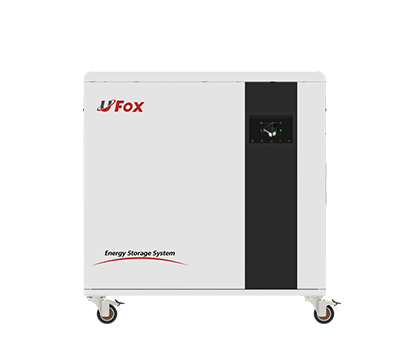
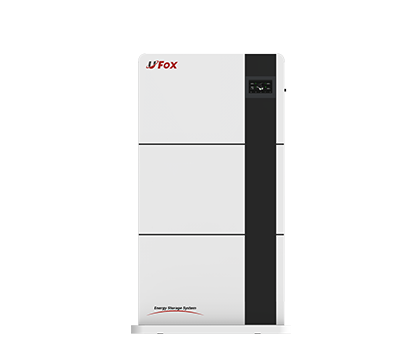
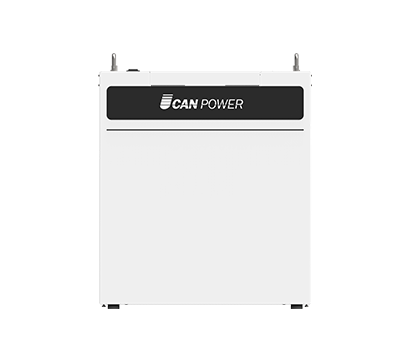
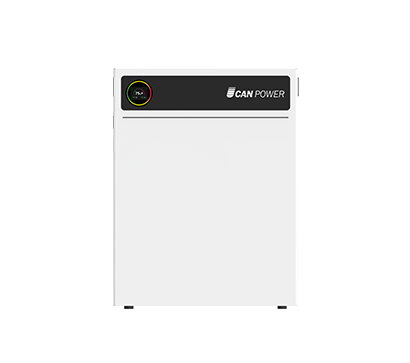
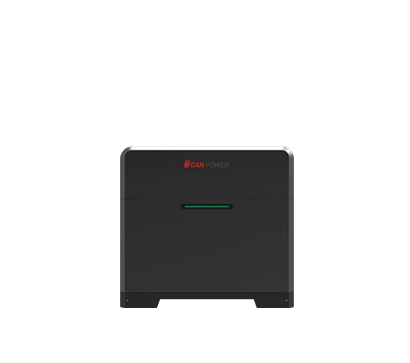
The battery bank is the storage component of the off-grid solar energy system. It stores the electricity generated by the solar panels for use when the sun is not shining. In a 10kW system, a large-capacity battery bank is required to provide sufficient power during periods of low sunlight or high demand. Lithium-ion batteries are commonly used in off-grid systems due to their high energy density, long cycle life, and relatively lightweight design.
4. Inverter
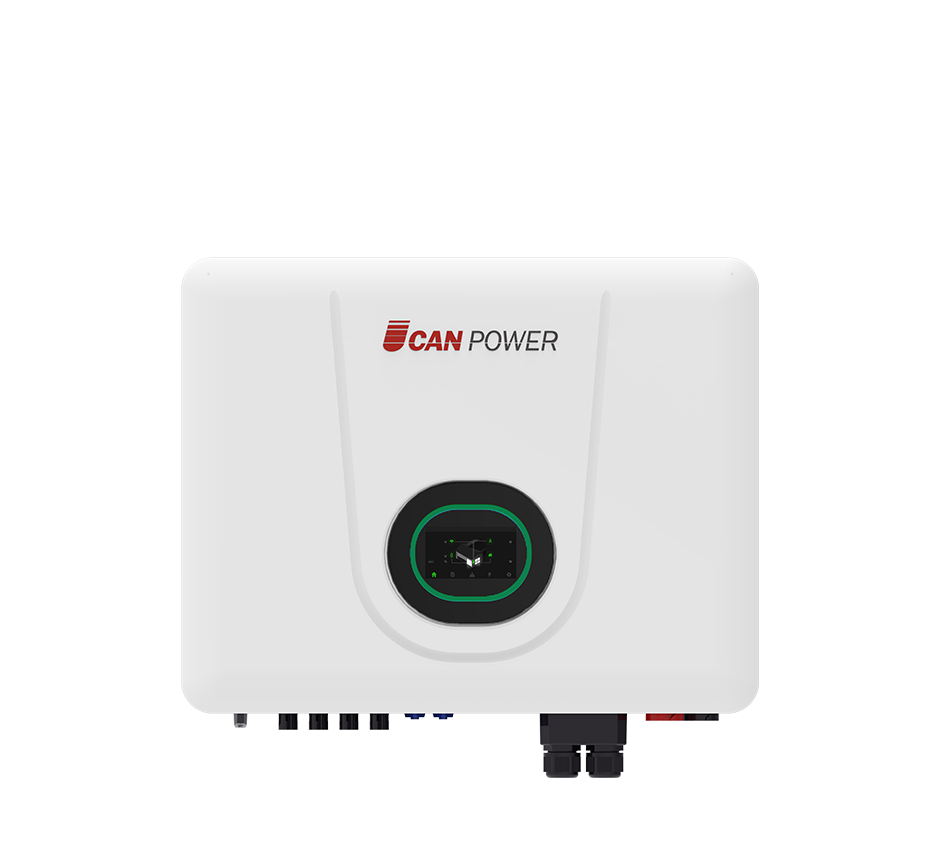
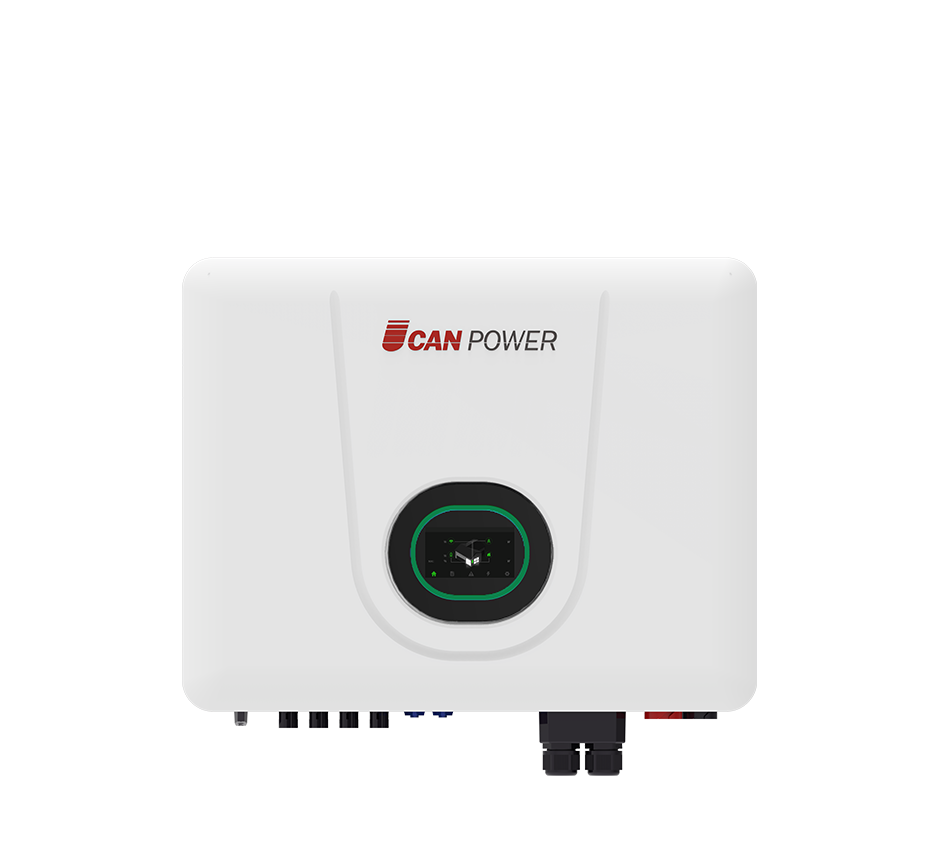
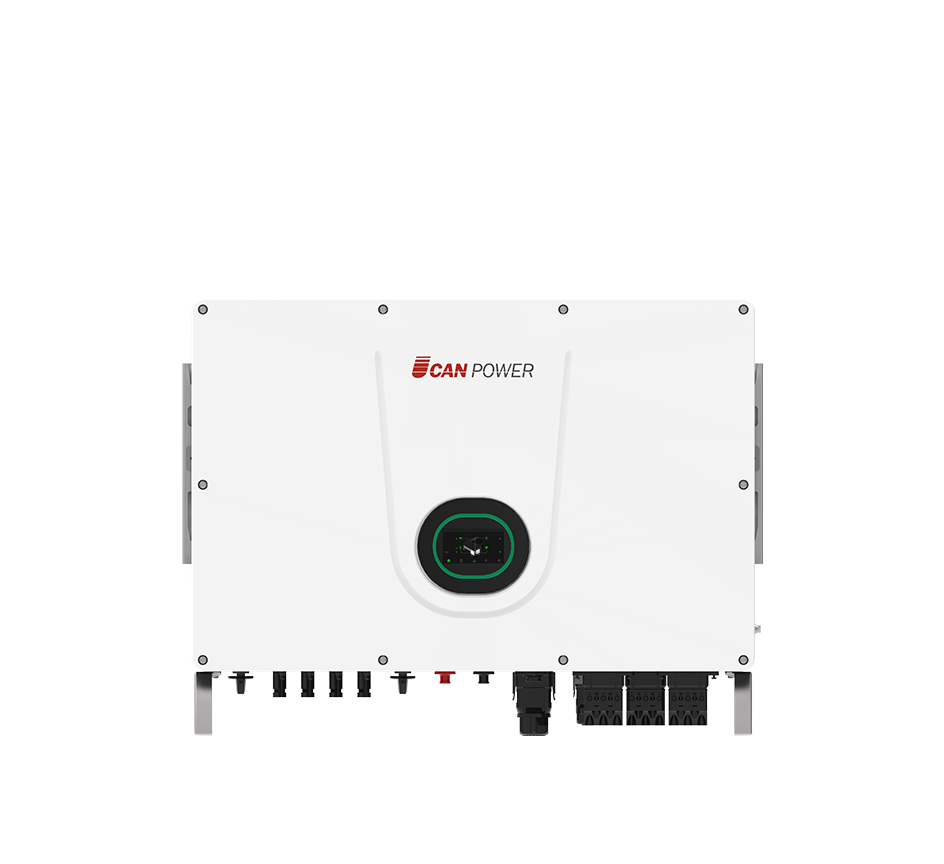
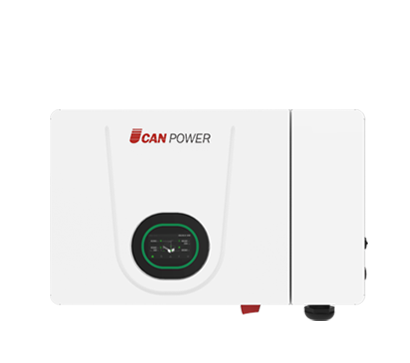
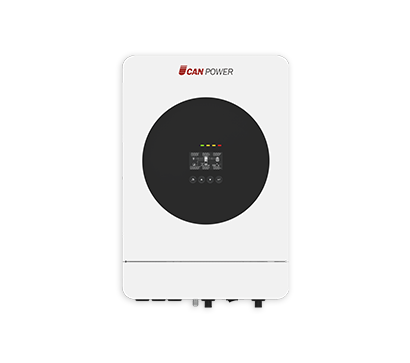
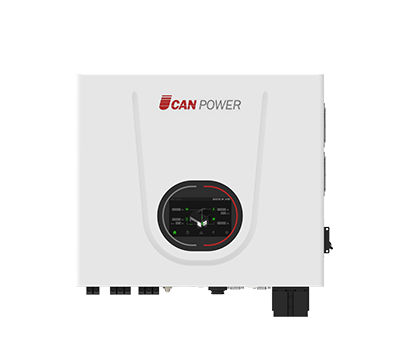
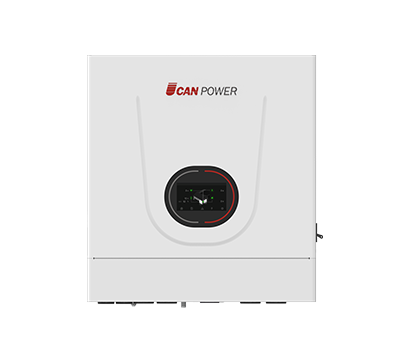
The inverter is responsible for converting the DC electricity stored in the battery bank into alternating current (AC) electricity that can be used to power household appliances and other electrical devices. In a 10kW off-grid system, a high-capacity inverter is needed to handle the power requirements of a typical home or small business.
5. Mounting Structure and Wiring
A sturdy mounting structure is required to support the solar panels and ensure their proper orientation towards the sun. The wiring system connects the various components of the off-grid solar energy system, ensuring safe and efficient transmission of electricity.
III. Benefits of a 10kW Off-Grid Solar Energy System
1. Energy Independence
One of the main benefits of a 10kW off-grid solar energy system is the ability to achieve energy independence. By generating their own electricity from the sun, users can reduce or eliminate their reliance on the electrical grid, which can be unreliable in some areas or subject to power outages. This provides a sense of security and stability, especially in remote locations where access to the grid may be limited.
2. Cost Savings
Over time, a 10kW off-grid solar energy system can lead to significant cost savings. While the initial investment may be relatively high, the system requires minimal maintenance and no fuel costs. In addition, users can avoid paying monthly electricity bills, which can add up over time. In some cases, excess electricity generated by the system can be sold back to the grid or used to power other devices, further reducing costs.
3. Environmental Sustainability
Off-grid solar energy systems are environmentally friendly as they produce no greenhouse gas emissions or air pollutants. By using solar power, users can reduce their carbon footprint and contribute to a more sustainable future. In addition, solar panels have a long lifespan and can be recycled at the end of their useful life, further reducing their environmental impact.
4. Reliable Power Supply
A 10kW off-grid solar energy system provides a reliable source of power, especially when combined with a proper battery bank and backup generator. The system can be designed to meet the specific power requirements of the user, ensuring that essential appliances and devices are always powered. In addition, off-grid systems are not affected by grid outages or power fluctuations, providing a consistent and stable power supply.
5. Flexibility and Scalability
Off-grid solar energy systems are highly flexible and can be customized to meet the specific needs of the user. They can be installed in a variety of locations, from remote rural areas to urban rooftops. In addition, the system can be easily expanded or upgraded as power requirements increase, allowing users to grow their energy production capacity over time.
IV. Challenges of a 10kW Off-Grid Solar Energy System
1. Initial Cost
The initial cost of a 10kW off-grid solar energy system can be a significant barrier for some users. The cost includes the purchase and installation of solar panels, charge controller, battery bank, inverter, and mounting structure, as well as any necessary electrical wiring and permits. However, the cost of solar technology has been steadily declining over the years, making off-grid systems more accessible to a wider range of users.
2. Battery Storage
Battery storage is a critical component of an off-grid solar energy system, but it also presents some challenges. Batteries have a limited lifespan and need to be replaced periodically, which can add to the overall cost of the system. In addition, batteries require proper maintenance and monitoring to ensure their optimal performance and safety.
3. Weather Dependency
Off-grid solar energy systems are highly dependent on sunlight, which means that their power generation capacity can be affected by weather conditions. Cloudy days, rain, and snow can reduce the amount of sunlight available, resulting in lower power output. In some cases, a backup generator may be needed to supplement the solar power during periods of low sunlight.
4. System Maintenance
Like any electrical system, a 10kW off-grid solar energy system requires regular maintenance to ensure its proper functioning. This includes cleaning the solar panels, checking the battery charge level, and inspecting the wiring and connections for any signs of damage or wear. In addition, the system may need to be serviced by a professional technician from time to time to address any issues that arise.
5. Regulatory and Permitting Requirements
Installing an off-grid solar energy system may require compliance with various regulatory and permitting requirements. These requirements can vary depending on the location and size of the system, and may include obtaining building permits, complying with electrical codes, and registering the system with the local utility company. Navigating these requirements can be complex and time-consuming, adding to the overall cost and complexity of the installation.
V. Design and Installation of a 10kW Off-Grid Solar Energy System
1. Site Assessment
Before installing a 10kW off-grid solar energy system, a thorough site assessment is essential. This includes evaluating the available sunlight, determining the electrical load requirements, and assessing the suitability of the installation location. Factors such as roof orientation, shading, and accessibility should be considered to ensure optimal performance and safety.
2. System Sizing
Based on the site assessment, the system size needs to be determined. This involves calculating the number of solar panels, the capacity of the battery bank, and the size of the inverter required to meet the electrical load demands. A professional solar installer can help with this process to ensure that the system is properly sized and optimized for maximum efficiency.
3. Equipment Selection
Once the system size has been determined, the appropriate equipment needs to be selected. This includes choosing high-quality solar panels, charge controller, battery bank, inverter, and mounting structure. Consider factors such as efficiency, durability, and warranty when selecting equipment to ensure long-term performance and reliability.
4. Installation Process
The installation of a 10kW off-grid solar energy system typically involves mounting the solar panels on a suitable structure, connecting the wiring, installing the charge controller, battery bank, and inverter, and testing the system to ensure proper functioning. The installation should be carried out by a qualified and experienced installer to ensure safety and compliance with local electrical codes.
5. Monitoring and Control
To ensure the efficient operation of the off-grid solar energy system, a monitoring and control system can be installed. This allows the user to monitor the power generation, battery charge level, and electrical load in real-time. Some systems also offer remote monitoring and control capabilities, enabling the user to manage the system from a distance.
VI. Maintenance and Troubleshooting of a 10kW Off-Grid Solar Energy System
1. Regular Maintenance
Regular maintenance is essential to keep a 10kW off-grid solar energy system in good working condition. This includes cleaning the solar panels regularly to remove dust, dirt, and debris, which can reduce their efficiency. The battery bank should also be checked regularly for signs of damage or deterioration, and the charge controller and inverter should be inspected for any faults or malfunctions.
2. Battery Maintenance
Batteries are a critical component of an off-grid solar energy system and require proper maintenance to ensure their optimal performance and lifespan. This includes monitoring the battery charge level, avoiding overcharging and deep discharging, and keeping the batteries clean and dry. In some cases, battery equalization may be required to ensure that all cells in the battery bank are charged evenly.
3. Troubleshooting
In case of a problem with the off-grid solar energy system, troubleshooting is necessary to identify and resolve the issue. Common problems include low power generation, battery not charging, inverter failure, and wiring faults. A professional solar installer or technician can help diagnose and fix these problems using specialized tools and equipment.
VII. Future Prospects of 10kW Off-Grid Solar Energy Systems
1. Technological Advancements
As technology continues to advance, we can expect to see further improvements in the efficiency and performance of solar panels, batteries, and inverters. This will lead to more cost-effective and reliable off-grid solar energy systems, making them even more accessible to a wider range of users. In addition, new technologies such as energy storage systems and microgrids are emerging, which can enhance the functionality and resilience of off-grid solar energy systems.
2. Increased Adoption
With the growing concerns about climate change and the need for sustainable energy solutions, the adoption of off-grid solar energy systems is likely to increase. In remote areas where access to the grid is limited or expensive, off-grid solar energy systems offer a viable alternative. In addition, as the cost of solar technology continues to decline, more people are likely to consider installing off-grid systems for their homes and businesses.
3. Integration with Other Technologies
Off-grid solar energy systems can be integrated with other technologies such as wind turbines, hydro generators, and biomass systems to provide a more diverse and reliable power supply. In addition, the integration of smart grid technologies can enable better management and optimization of off-grid solar energy systems, allowing users to interact with the grid and sell excess electricity when needed.
4. Policy and Incentives
Governments and policymakers can play a crucial role in promoting the adoption of off-grid solar energy systems by providing incentives such as tax credits, grants, and feed-in tariffs. In addition, policies that support the development of renewable energy infrastructure and remove barriers to the installation of off-grid systems can help accelerate the growth of the off-grid solar energy market.
VIII. Conclusion
A 10kW off-grid solar energy system offers a reliable and sustainable solution for those seeking power without grid dependency. With its ability to generate significant amounts of electricity, store it for use when needed, and provide a consistent power supply, off-grid solar energy systems can meet the energy needs of a wide range of applications. However, the installation and maintenance of these systems require careful planning, technical expertise, and regular maintenance. As technology continues to advance and the demand for sustainable energy solutions grows, off-grid solar energy systems are likely to play an increasingly important role in providing clean and reliable power to remote areas and off-grid communities.




 German
 Italian
 Japanese
 Global (English)
 Chinese
 Spanish
 French


