

Abstract
This paper explores the 10kW residential energy storage system as a comprehensive energy solution for medium-sized homes. It begins with an analysis of the energy consumption patterns and requirements typical of such homes, considering factors such as the number of occupants, appliance usage, and seasonal variations. The components and working principles of the 10kW system are then detailed, including the battery technology, power conversion systems, and energy management strategies. The benefits of this system, such as energy cost savings, backup power during outages, and integration with renewable energy sources, are examined. Installation, operation, and maintenance considerations are also discussed, along with an assessment of its cost-effectiveness and return on investment. Finally, future trends and potential advancements in residential energy storage technology for medium-sized homes are envisioned, highlighting the role of the 10kW system in the evolving energy landscape.
I. Introduction
Medium-sized homes present a unique set of energy challenges and opportunities. With a moderate number of occupants and a variety of electrical appliances, ensuring a reliable and cost-effective energy supply is essential. The 10kW residential energy storage system has emerged as a viable option to meet these needs. As the demand for energy independence and sustainability grows, homeowners are increasingly looking for ways to optimize their energy usage and reduce their reliance on the grid. This paper delves into how the 10kW energy storage system can be tailored to the specific requirements of medium-sized homes, providing a robust and efficient energy solution.
II. Energy Consumption Patterns in Medium-sized Homes
Medium-sized homes typically have a diverse range of energy-consuming devices, including refrigerators, air conditioners, heating systems, lighting, entertainment systems, and various kitchen appliances. The energy consumption varies throughout the day and across seasons. For example, during the summer, air conditioning usage peaks, while in the winter, heating systems dominate the load. Understanding these patterns is crucial for sizing and optimizing the 10kW energy storage system. By analyzing historical energy consumption data, homeowners can identify peak demand periods and plan for energy storage and management strategies. This may involve charging the battery during off-peak hours or when renewable energy is abundant and discharging it during times of high demand, such as evenings or during extreme weather conditions.
III. Components of the 10kW Residential Energy Storage System
A. High-Capacity Battery Bank
The battery bank is the cornerstone of the 10kW system. Lithium-ion batteries are commonly used due to their high energy density and relatively long cycle life. In a medium-sized home application, a combination of battery modules is carefully selected to provide the required capacity and voltage. The battery management system (BMS) is integrated to monitor and control the charging and discharging processes, ensuring the safety and optimal performance of the batteries. The BMS prevents overcharging, over-discharging, and overheating, which can damage the batteries and reduce their lifespan. It also balances the charge among individual cells to maintain uniform performance.
B. Robust Inverter
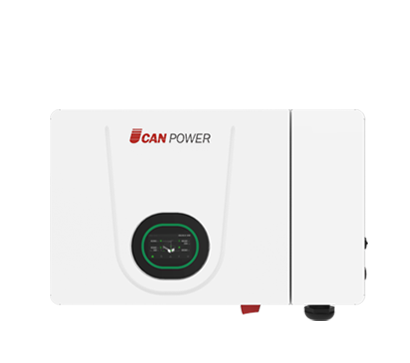
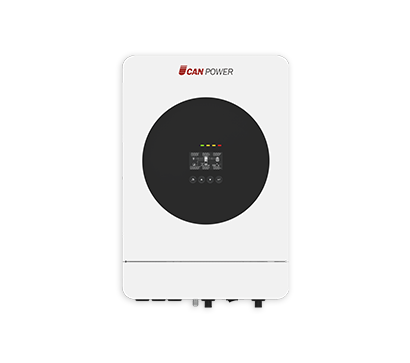
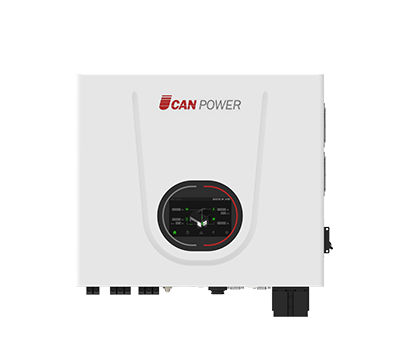
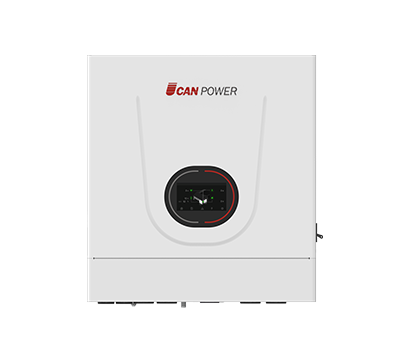
The inverter in a 10kW system is designed to handle the power conversion requirements of a medium-sized home. It converts the direct current (DC) stored in the battery bank into alternating current (AC) suitable for powering household appliances. A high-quality inverter with features such as maximum power point tracking (MPPT) is essential. MPPT enables the inverter to optimize the power output from the battery bank and any connected renewable energy sources, maximizing the energy harvest. The inverter also provides a seamless transition between grid power and battery power, ensuring a continuous power supply to the home. It should be capable of handling the peak power demands of the household and have built-in protection mechanisms against power surges and faults.
C. Advanced Charge Controller
If the home is equipped with renewable energy generation, such as solar panels, an advanced charge controller is necessary. It regulates the voltage and current flowing from the solar panels to the battery bank, ensuring that the batteries are charged optimally. The charge controller prevents overcharging of the batteries by the solar panels, especially during periods of high sunlight. It also protects the batteries from reverse current flow and can adjust the charging rate based on the battery's state of charge and temperature. Some charge controllers offer additional features such as battery equalization and remote monitoring, enhancing the overall performance and management of the energy storage system.
D. Intelligent Energy Management System (EMS)
The EMS is a key component that oversees the operation of the 10kW residential energy storage system. It monitors the energy generation from renewable sources, the state of charge of the battery bank, the power consumption of the home, and the grid connection. Based on this real-time data, the EMS makes intelligent decisions on when to charge or discharge the batteries, how to prioritize power usage, and whether to sell excess energy back to the grid. It can be programmed to perform load shifting, which involves storing energy during off-peak electricity rates and using it during peak demand hours to reduce electricity costs. The EMS also provides homeowners with a user-friendly interface to monitor and control the energy flow in their homes, allowing them to make informed decisions about their energy usage.
IV. Working Principles of the 10kW Residential Energy Storage System
A. Charging and Discharging
The 10kW energy storage system charges when there is available power, either from the grid during off-peak hours or from renewable energy sources such as solar panels during the day. The charge controller regulates the charging process, ensuring that the batteries are charged safely and efficiently. When the home's power demand exceeds the available grid power or during a power outage, the battery bank discharges to supply power to the household. The inverter converts the DC power from the batteries into AC power, which is then distributed throughout the house. The BMS continuously monitors the battery's state of charge and controls the discharge rate to prevent over-discharging, which could damage the batteries.
B. Grid Interaction and Backup Power
In grid-connected medium-sized homes, the 10kW energy storage system can interact with the grid in multiple ways. It can sell excess energy stored in the batteries back to the grid, depending on the local net metering policies, providing a potential source of income for the homeowner. During a power outage, the system can automatically switch to backup power mode, isolating the home from the grid and supplying power to critical loads. This ensures the continued operation of essential appliances such as refrigerators, lights, and medical equipment, providing peace of mind to the homeowners. The seamless transition between grid power and backup power is facilitated by the inverter, which synchronizes its output with the grid when power is restored.
C. Integration with Renewable Energy
Many medium-sized homeowners are increasingly adopting renewable energy sources, such as solar panels or small wind turbines. The 10kW energy storage system can be seamlessly integrated with these sources, allowing homeowners to store the excess energy generated during the day for use at night or during periods of low renewable energy production. This maximizes the self-consumption of renewable energy, reducing the reliance on the grid and further lowering electricity bills. The charge controller and EMS work together to optimize the energy flow between the renewable energy sources, the battery bank, and the home's electrical loads, ensuring that the renewable energy is utilized efficiently.
V. Benefits of the 10kW System for Medium-sized Homes
A. Energy Cost Savings
One of the significant benefits of the 10kW energy storage system for medium-sized homes is the potential for substantial cost savings. By storing energy during off-peak hours and using it during peak demand periods, homeowners can avoid the high electricity rates charged by utility companies. Additionally, if the home has renewable energy sources, the system can store the excess energy generated, reducing the need to sell it back to the grid at a low price and instead using it to power the home when needed. Over time, these savings can add up, offsetting the initial cost of the energy storage system.
B. Backup Power and Energy Independence
Medium-sized homes with a 10kW energy storage system gain a greater degree of energy independence. They are less reliant on the grid for their power needs, especially during power outages or periods of high electricity demand. This reliability is essential for homeowners who may rely on medical equipment or need to keep perishable items refrigerated. The backup power provided by the system ensures that essential services and appliances can continue to function, enhancing the overall quality of life and security in the home.
C. Environmental Sustainability
The use of the 10kW energy storage system in conjunction with renewable energy sources helps medium-sized homeowners reduce their carbon footprint. By storing and using clean energy, they contribute to the reduction of greenhouse gas emissions associated with traditional power generation. This is not only beneficial for the environment but also aligns with the growing trend of sustainable living. Medium-sized homes can play an important role in the transition to a more sustainable energy future by adopting these energy storage and renewable energy technologies.
D. Peak Load Management
The 10kW system can effectively manage peak loads in medium-sized homes. By discharging the stored energy during periods of high demand, it can reduce the strain on the grid and prevent the homeowner from incurring high demand charges. This is particularly useful during hot summer days when air conditioning usage is high or during winter evenings when heating systems are in operation. The ability to manage peak loads also contributes to the overall stability of the grid, making the home a more responsible energy consumer.
VI. Installation, Operation, and Maintenance Considerations for Medium-sized Homes
A. Installation
Installing a 10kW energy storage system in a medium-sized home requires careful planning and professional installation. The installer needs to consider the available space, electrical wiring, and ventilation requirements. The battery bank should be installed in a location that is protected from extreme temperatures and has proper ventilation to prevent overheating. The electrical connections need to be made in accordance with local building codes and safety regulations to ensure the system operates safely and reliably. Additionally, the installer should provide training to the homeowner on how to operate and maintain the system.
B. Operation
During operation, medium-sized homeowners should be familiar with the functions and controls of the energy storage system. The EMS provides a user interface that allows them to monitor the battery's state of charge, power consumption, and energy generation. Homeowners should follow the recommended charging and discharging schedules to maximize the system's performance and lifespan. They should also be aware of any warning signs or error messages displayed by the system and know how to respond to them. Regularly checking the system's performance and adjusting the settings as needed can help ensure its efficient operation.
C. Maintenance
Maintenance of the 10kW energy storage system in a medium-sized home is essential for its long-term reliability. The battery bank should be periodically inspected for any signs of damage or swelling. The connections should be checked and tightened if necessary to prevent power losses or safety hazards. The inverter and charge controller may require occasional cleaning to remove dust and debris that could affect their performance. The BMS should be updated with the latest firmware to ensure its optimal operation. Medium-sized homeowners can perform some of these maintenance tasks themselves, but it is also recommended to have a professional inspection at least once a year to ensure the system's continued performance and safety.
VII. Cost-Effectiveness and Return on Investment for Medium-sized Homes
A. Initial Cost
The initial cost of a 10kW residential energy storage system for medium-sized homes can be significant. It includes the cost of the battery bank, inverter, charge controller, EMS, and installation. However, the cost has been decreasing in recent years due to technological advancements and economies of scale. Additionally, government incentives and rebates may be available in some regions to help offset the initial cost. Medium-sized homeowners should carefully consider their energy consumption patterns and long-term energy needs when evaluating the affordability of the system.
B. Long-Term Savings
Over the long term, the energy cost savings and potential income from selling excess energy back to the grid can make the 10kW energy storage system a cost-effective investment for medium-sized homes. The ability to reduce electricity bills during peak demand hours and increase the utilization of renewable energy can result in significant savings. The backup power provided during outages also has value, as it can prevent losses due to food spoilage or business interruption. The return on investment for a medium-sized home energy storage system can be quite favorable, especially when considering the long lifespan of the components and the potential increase in the value of the home.
C. Resale Value
Installing a 10kW energy storage system can also increase the resale value of a medium-sized home. As more homeowners become aware of the benefits of energy storage and renewable energy, a home with an installed and operational system may be more attractive to buyers. This added resale value can further enhance the return on investment for medium-sized homeowners.
VIII. Future Trends and Improvements for Medium-sized Home Energy Storage
A. Technological Advancements
The future of 10kW energy storage systems for medium-sized homes is likely to see continued technological advancements. Battery technologies will improve, with higher energy densities, longer cycle lives, and faster charging capabilities. Inverter and EMS technologies will also become more sophisticated, enabling better integration with the grid and more intelligent energy management. Additionally, the development of new materials and chemistries, such as solid-state batteries, may offer even more efficient and reliable energy storage solutions for medium-sized homes.
B. Integration with Smart Home Technologies
As smart home technologies become more prevalent, 10kW energy storage systems will be increasingly integrated with these platforms. This will allow for more automated and intelligent energy management, with the ability to control and optimize energy usage based on real-time data and homeowner preferences. For example, the system could automatically adjust the charging and discharging of the batteries based on the home's occupancy, energy prices, and weather forecasts. The integration with smart home technologies will enhance the overall user experience and further increase the value of energy storage systems for medium-sized homes.
C. Community Energy Storage and Microgrids
The concept of community energy storage and microgrids is also emerging, where multiple medium-sized homes in a neighborhood can share a larger energy storage system or form a microgrid. This can offer economies of scale, reduced installation costs, and increased resilience for the community. Medium-sized homeowners could potentially participate in these initiatives, sharing the benefits of a larger energy storage capacity and enhanced grid support capabilities.
In conclusion, the 10kW residential energy storage system offers a comprehensive and efficient solution for medium-sized homes. It addresses the energy needs of these dwellings, providing cost savings, energy independence, and environmental benefits. While there are considerations for installation, operation, and maintenance, the long-term advantages and potential return on investment make it a viable option for medium-sized homeowners looking to enhance their energy management and resilience. As technology continues to evolve, the 10kW energy storage system is expected to play an even more significant role in the future of medium-sized home energy.




 German
 Italian
 Japanese
 Global (English)
 Chinese
 Spanish
 French


