

I. Introduction
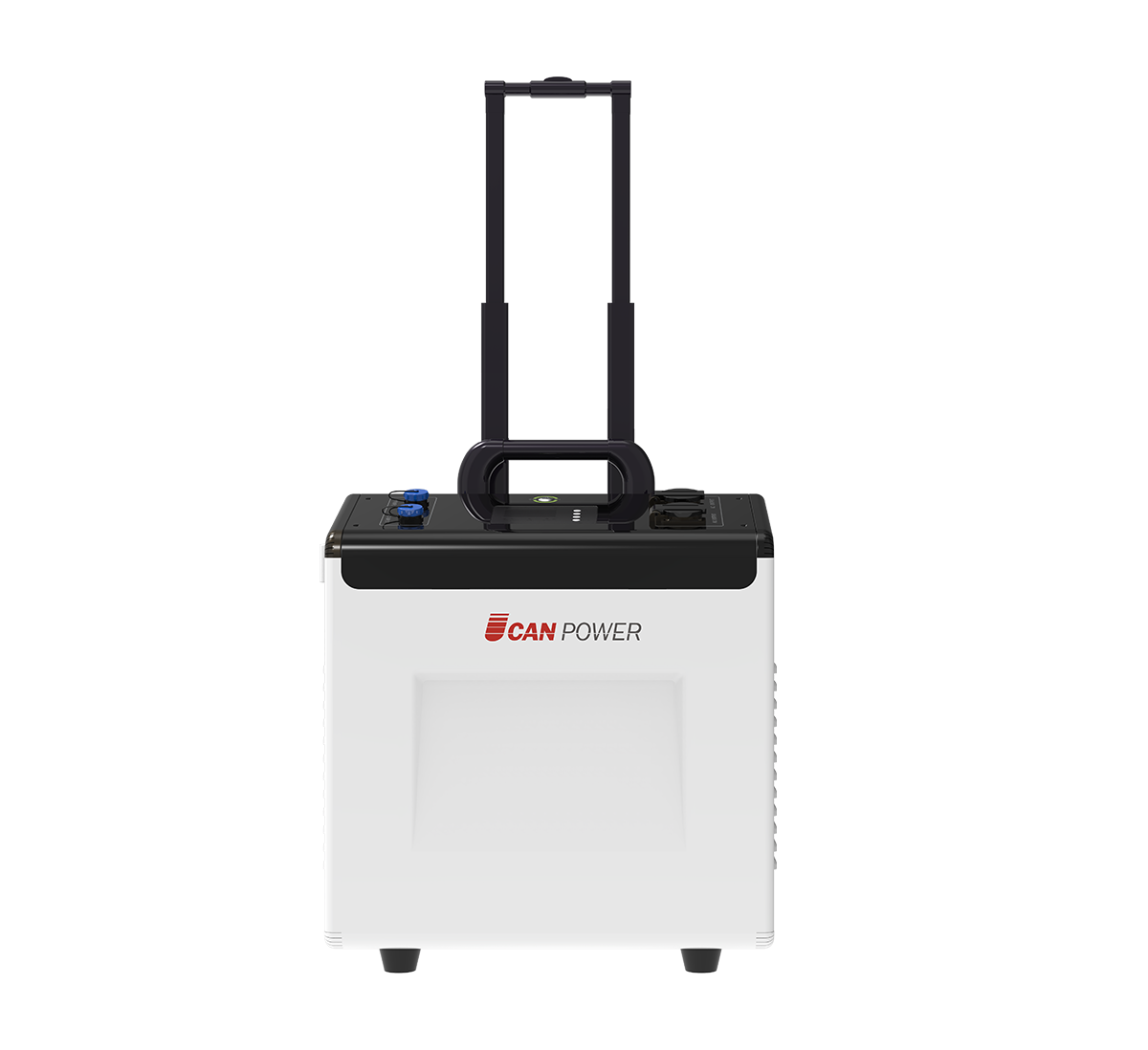
In an era of increasing energy demands and concerns about environmental sustainability, a 10kW residential energy storage system emerges as a powerful solution for powering homes comfortably. This system offers a significant amount of energy storage capacity, enabling homeowners to store excess electricity generated from renewable sources or during off-peak hours and use it when needed. In this article, we will explore the features, benefits, and applications of a 10kW residential energy storage system.
II. Features of a 10kW Residential Energy Storage System
1. High Power Output
The 10kW residential energy storage system is designed to deliver a substantial amount of power, capable of meeting the energy needs of a typical household. With this high power output, it can power multiple appliances and devices simultaneously, including refrigerators, air conditioners, lights, and electronics.
2. Large Capacity
In addition to high power output, these systems typically have a large storage capacity. This allows them to store a significant amount of energy, which can be used during power outages or when grid electricity is unavailable. The large capacity ensures that the home can operate for an extended period without relying on the grid.
3. Advanced Battery Technology
Residential energy storage systems often utilize advanced battery technologies, such as lithium-ion batteries. Lithium-ion batteries offer several advantages, including high energy density, long cycle life, and fast charging capabilities. These features make them ideal for residential energy storage applications.
4. Smart Monitoring and Control
Many 10kW residential energy storage systems come with smart monitoring and control features. These allow homeowners to monitor the system's performance, track energy usage, and manage the charging and discharging processes. Some systems even offer remote control capabilities, allowing users to control the system from their smartphones or other devices.
5. Expandability and Scalability
Some residential energy storage systems are designed to be expandable and scalable. This means that homeowners can add more batteries or increase the system's capacity as their energy needs grow. This flexibility allows for future-proofing and ensures that the system can adapt to changing circumstances.
III. Benefits of a 10kW Residential Energy Storage System
1. Reliable Power Supply
The primary benefit of a 10kW residential energy storage system is the provision of a reliable power supply. In the event of a power outage, the system can instantly kick in and supply electricity to the home, ensuring that essential appliances and devices continue to operate. This can be crucial for maintaining comfort and safety during emergencies.
2. Energy Independence
By having a residential energy storage system, homeowners can reduce their reliance on the grid and achieve a certain degree of energy independence. They can store excess energy generated from renewable sources such as solar panels or wind turbines and use it when needed. This not only reduces electricity bills but also contributes to a more sustainable lifestyle.
3. Cost Savings
Over time, a 10kW residential energy storage system can lead to significant cost savings. By storing energy during off-peak hours when electricity prices are lower and using it during peak hours, homeowners can avoid high electricity rates. Additionally, if the system is integrated with renewable energy sources, it can further reduce the cost of electricity by reducing the need to purchase grid power.
4. Environmental Sustainability
Residential energy storage systems can have a positive impact on the environment. By storing excess renewable energy and reducing reliance on fossil fuels, they help to reduce greenhouse gas emissions and combat climate change. Additionally, some systems are designed to be more energy-efficient, further reducing their environmental footprint.
5. Increased Property Value
A home with a reliable energy storage system is likely to have increased property value. Prospective homebuyers are often attracted to homes that offer backup power and energy independence, as these features provide peace of mind and security.
IV. Applications of a 10kW Residential Energy Storage System
1. Residential Use
In a residential setting, a 10kW residential energy storage system can be used to power essential appliances and devices during power outages or peak demand periods. It can also be integrated with renewable energy sources such as solar panels to provide a sustainable and cost-effective power solution.
2. Off-Grid Living
For those living off the grid or in remote areas where grid access is limited, a 10kW residential energy storage system is essential. It provides a reliable source of power and allows for a more self-sufficient lifestyle.
3. Emergency Preparedness
In times of emergencies such as natural disasters or power outages, a 10kW residential energy storage system can be a lifesaver. It can provide power for essential services such as lighting, communication, and medical equipment.
4. Peak Shaving
Peak shaving is the practice of reducing electricity consumption during peak demand periods to avoid high electricity rates. A 10kW residential energy storage system can be used for peak shaving by storing energy during off-peak hours and using it during peak hours, thereby reducing electricity bills.
V. Installation and Maintenance of a 10kW Residential Energy Storage System
1. Installation
The installation of a 10kW residential energy storage system should be carried out by a qualified professional. The installer will assess the home's energy needs, determine the appropriate location for the system, and ensure that all electrical connections are made safely and correctly. Depending on the system, installation may involve mounting the batteries, connecting them to the electrical panel, and installing any necessary monitoring and control equipment.
2. Maintenance
Regular maintenance is essential to ensure the optimal performance and longevity of a 10kW residential energy storage system. This may include checking the battery's state of charge, cleaning the system components, and monitoring for any signs of damage or malfunction. Some systems may also require periodic software updates to ensure that they are operating at their best.
In addition, homeowners should follow the manufacturer's recommendations for battery care, such as avoiding overcharging or deep discharging the batteries. They should also be aware of the battery's warranty period and any maintenance requirements specified by the manufacturer.
VI. Future Prospects of a 10kW Residential Energy Storage System
1. Technological Advancements
As technology continues to advance, we can expect to see further improvements in residential energy storage systems. This may include increased energy density, longer battery life, faster charging times, and more advanced monitoring and control features. Additionally, new battery chemistries and technologies may emerge, offering even better performance and cost-effectiveness.
2. Increased Adoption
With the growing concerns about energy independence, cost savings, and environmental sustainability, the adoption of residential energy storage systems is likely to increase. As the cost of these systems continues to decline and their benefits become more widely known, more homeowners will consider investing in a 10kW residential energy storage system.
3. Integration with Smart Grids
Residential energy storage systems are likely to become more integrated with smart grids. This will allow for more efficient energy management and grid stability. For example, the system can be programmed to discharge energy back to the grid during peak demand periods, helping to reduce stress on the grid and potentially earning revenue for the homeowner.
4. Expansion into New Markets
As the technology becomes more advanced and cost-effective, residential energy storage systems are likely to expand into new markets. This may include developing countries where access to reliable electricity is limited or areas with high renewable energy penetration.
VII. Conclusion
A 10kW residential energy storage system offers a powerful and reliable solution for powering homes comfortably. With its high power output, large capacity, advanced battery technology, and smart monitoring and control features, it can provide a reliable power supply during emergencies, reduce reliance on the grid, and lead to significant cost savings and environmental benefits. As technology continues to advance and the demand for sustainable energy solutions increases, we can expect to see even more widespread adoption of these systems in the future.




 German
 Italian
 Japanese
 Global (English)
 Chinese
 Spanish
 French


