

In today's modern world, access to a reliable power source is essential. Whether you're camping in the great outdoors, working on a construction site, or dealing with a power outage at home, a 220V power station can be a lifesaver. These portable power solutions offer a convenient and versatile way to meet your electricity needs wherever you are.
What is a 220V Power Station?
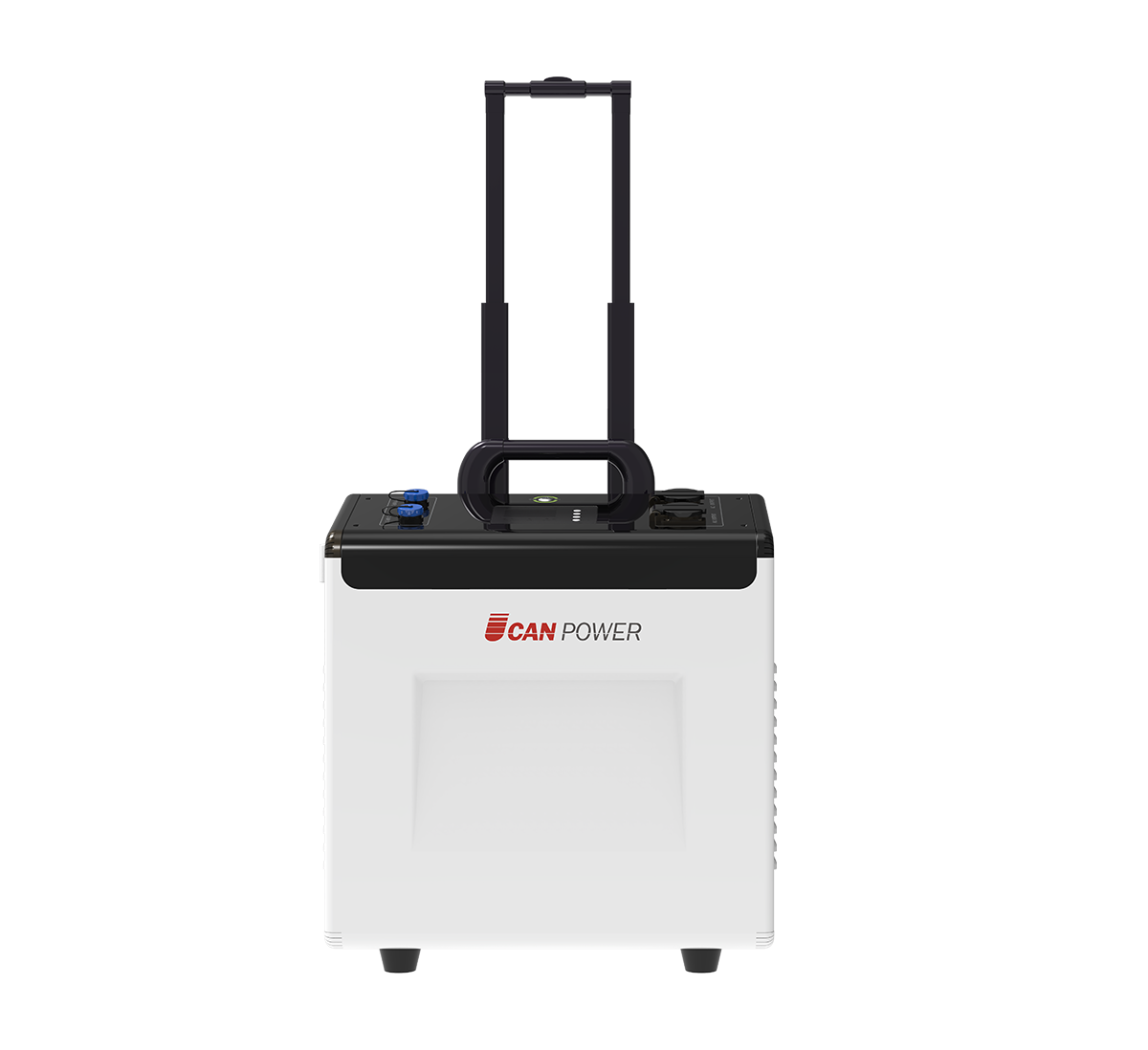
A 220V power station is a portable device that can store electrical energy and provide power output at a voltage of 220 volts. It typically consists of a battery pack, an inverter, and various output ports for connecting different electrical devices. The battery pack stores the electrical energy, which can be charged from a variety of sources such as wall outlets, solar panels, or car chargers. The inverter converts the direct current (DC) stored in the battery into alternating current (AC) at 220 volts, which is the standard voltage for most household appliances and electronic devices.
The Benefits of a 220V Power Station
1. Portability
One of the main advantages of a 220V power station is its portability. Unlike traditional generators, which are bulky and heavy, power stations are designed to be lightweight and easy to carry. This makes them ideal for camping, hiking, and other outdoor activities where you need a reliable power source but don't want to be weighed down by a large generator.
2. Versatility
Power stations are highly versatile and can be used to power a wide range of electrical devices. From small electronics like smartphones and tablets to larger appliances like refrigerators and power tools, a 220V power station can handle it all. Some models even come with multiple output ports, including USB ports, AC outlets, and DC ports, allowing you to connect different devices simultaneously.
3. Quiet Operation
Another benefit of power stations is their quiet operation. Unlike generators, which can be noisy and disruptive, power stations operate silently, making them ideal for use in quiet environments such as campsites, RVs, and boats. This allows you to enjoy the peace and tranquility of the outdoors without being disturbed by the noise of a generator.
4. Clean and Environmentally Friendly
Power stations are also clean and environmentally friendly. They produce no emissions or fumes, making them a great alternative to traditional generators, which can pollute the air and environment. Additionally, many power stations can be charged using renewable energy sources such as solar panels, further reducing their environmental impact.
5. Reliable Power Supply
A 220V power station provides a reliable power supply, ensuring that your devices are always charged and ready to use. Whether you're dealing with a power outage at home or need power on the go, a power station can keep your essential devices running smoothly. This can be especially important in emergency situations where access to electricity is crucial.
Types of 220V Power Stations
1. Lithium-Ion Power Stations
Lithium-ion power stations are the most common type of power station on the market. They are lightweight, portable, and offer high energy density, making them ideal for a wide range of applications. Lithium-ion batteries also have a long lifespan and can be charged and discharged many times without significant degradation.
2. Lead-Acid Power Stations
Lead-acid power stations are another option, although they are generally heavier and less portable than lithium-ion power stations. However, lead-acid batteries are often more affordable and can provide a reliable power source for basic applications.
3. Solar-Powered Power Stations
Solar-powered power stations are a great option for those who want to use renewable energy sources. These power stations are equipped with solar panels that can be used to charge the battery pack, allowing you to generate electricity even in remote locations where there is no access to grid power.
4. Hybrid Power Stations
Hybrid power stations combine the benefits of different power sources, such as lithium-ion batteries and solar panels. This allows you to have a reliable power supply even in situations where one source may not be sufficient. For example, you can use the solar panels to charge the battery during the day and then rely on the battery to provide power at night.
How to Choose a 220V Power Station
1. Capacity
The capacity of a power station is measured in watt-hours (Wh) or amp-hours (Ah). This indicates how much electrical energy the power station can store and how long it can power your devices. When choosing a power station, consider the power requirements of the devices you will be using and choose a model with a capacity that meets your needs.
2. Output Ports
Make sure the power station has the right output ports to connect your devices. Look for models with multiple USB ports, AC outlets, and DC ports to ensure compatibility with a wide range of devices.
3. Charging Options
Consider the charging options available for the power station. Some models can be charged from wall outlets, while others can be charged using solar panels or car chargers. Choose a power station with charging options that are convenient for your needs.
4. Portability
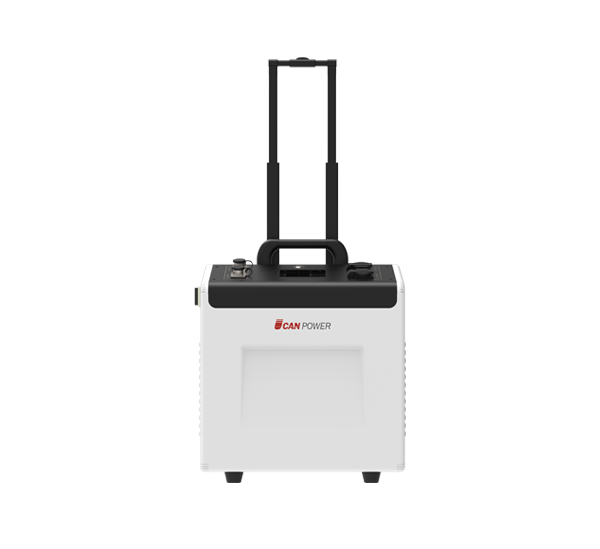
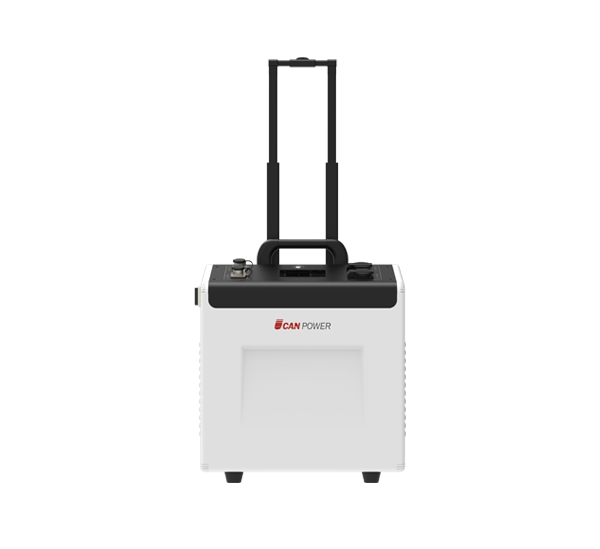
If portability is important to you, look for a lightweight and compact power station. Consider the size and weight of the power station, as well as any additional features such as handles or wheels for easy transportation.
5. Brand and Quality
Choose a power station from a reputable brand that offers good quality and customer support. Read reviews and compare different models to ensure that you are getting a reliable and durable product.
Using a 220V Power Station
1. Charging the Power Station
Before using a power station, make sure it is fully charged. You can charge the power station from a wall outlet, solar panel, or car charger, depending on the model. Follow the manufacturer's instructions for charging to ensure safe and efficient operation.
2. Connecting Devices
Once the power station is charged, you can connect your devices using the appropriate output ports. Make sure to check the power requirements of your devices and ensure that they are compatible with the power station. Avoid overloading the power station by connecting too many devices at once.
3. Monitoring the Power Level
Most power stations have a display that shows the remaining battery level. Keep an eye on the power level to ensure that you have enough power to meet your needs. If the battery level gets low, you can recharge the power station or disconnect some devices to conserve power.
4. Safety Precautions
When using a power station, follow all safety precautions provided by the manufacturer. Avoid using the power station in wet or damp conditions, and keep it away from flammable materials. Do not overload the power station or use it with damaged devices.
Conclusion
A 220V power station is a valuable tool for anyone who needs a reliable source of portable power. Whether you're camping, working on a construction site, or dealing with a power outage at home, a power station can provide the electricity you need to keep your devices running. With their portability, versatility, and quiet operation, power stations are a great alternative to traditional generators. When choosing a power station, consider your power requirements, charging options, and portability needs to ensure that you get the right model for your needs. With proper use and care, a 220V power station can be a reliable and useful addition to your toolkit.




 German
 Italian
 Japanese
 Global (English)
 Chinese
 Spanish
 French


