

Introduction
In today's world, where environmental concerns and energy independence are becoming increasingly important, off-grid solar energy systems are gaining popularity. A 5000W off-grid solar energy system is a significant investment that can provide a reliable source of power for homes, cabins, remote locations, or any other application where access to the electrical grid is limited or unreliable. This article will explore the various components, benefits, installation considerations, and maintenance requirements of a 5000W off-grid solar energy system.
I. Components of a 5000W Off Grid Solar Energy System
A. Solar Panels
Solar panels are the heart of any solar energy system. For a 5000W off-grid system, a significant number of high-quality solar panels will be required. The choice of solar panels depends on several factors, including efficiency, durability, and cost.
1. Types of Solar Panels
There are two main types of solar panels available in the market: monocrystalline and polycrystalline. Monocrystalline panels are known for their high efficiency and sleek appearance. They are made from a single crystal of silicon and have a uniform black color. Polycrystalline panels, on the other hand, are less expensive and have a slightly lower efficiency. They are made from multiple crystals of silicon and have a mottled blue color.
2. Efficiency and Power Output
The efficiency of solar panels determines how much sunlight they can convert into electricity. Higher efficiency panels will generate more power per square meter, which is important for maximizing the output of a limited installation area. For a 5000W system, it is advisable to choose solar panels with an efficiency of at least 18% to ensure sufficient power generation.
3. Durability and Warranty
Solar panels are exposed to the elements and need to be durable enough to withstand harsh weather conditions such as hail, wind, and extreme temperatures. Look for panels with a solid warranty that covers at least 25 years to ensure long-term performance and peace of mind.
B. Solar Inverter
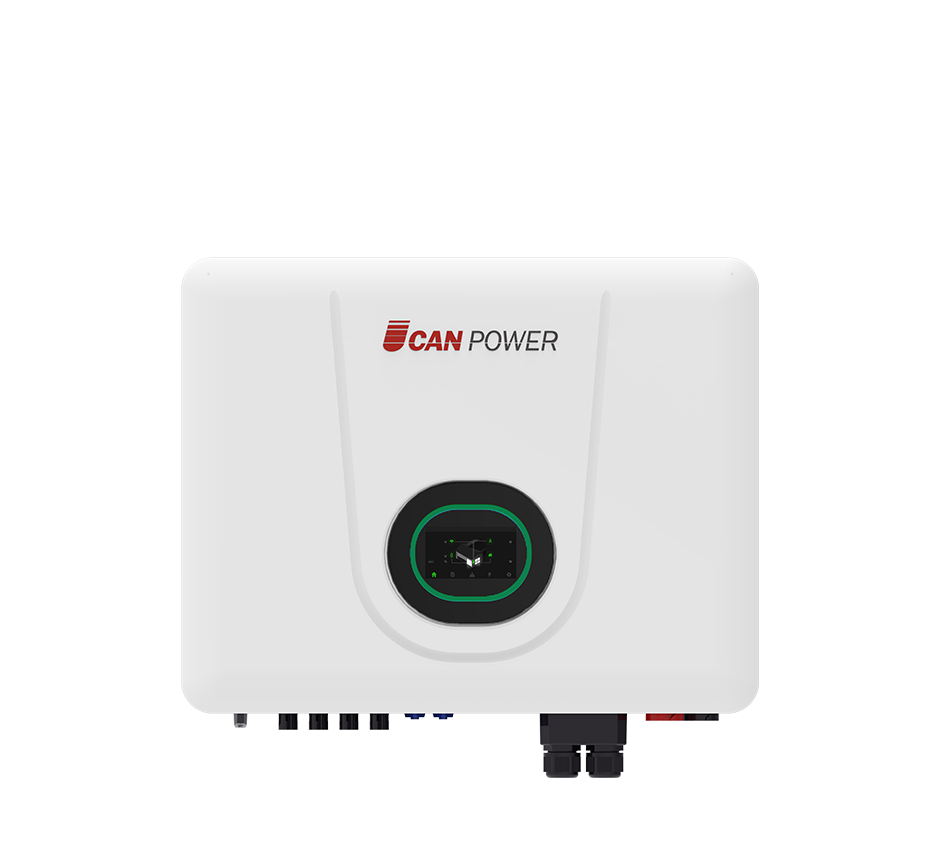
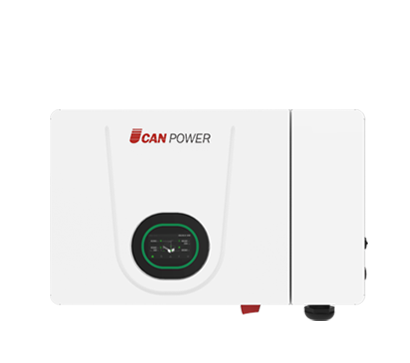
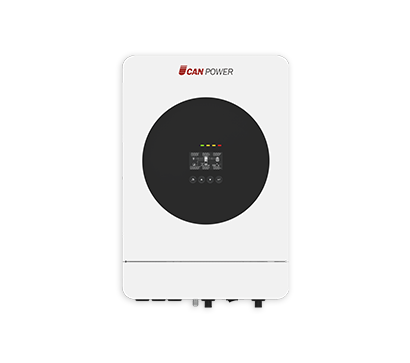
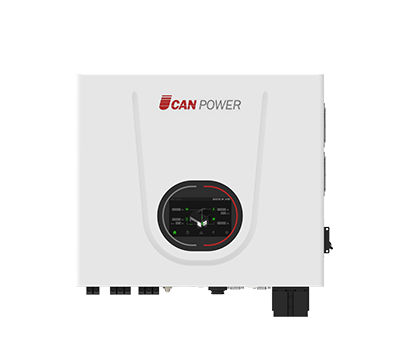
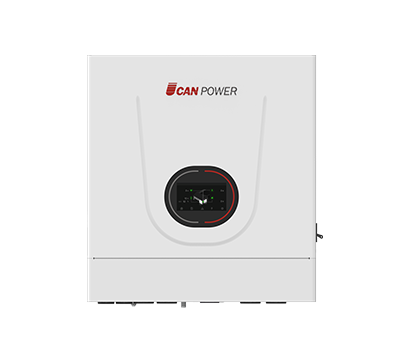
The solar inverter is another crucial component of an off-grid solar energy system. It converts the direct current (DC) electricity generated by the solar panels into alternating current (AC) electricity that can be used to power household appliances and other electrical devices.
1. Types of Inverters
There are two main types of inverters available for off-grid systems: string inverters and microinverters. String inverters are connected to a string of solar panels and convert the DC output of the entire string into AC. Microinverters are installed on each individual solar panel and convert the DC output of that panel into AC. Microinverters offer several advantages over string inverters, including improved performance in shaded conditions and easier installation.
2. Power Rating and Capacity
The power rating of the inverter should be matched to the total power output of the solar panels. For a 5000W system, a suitable inverter should have a power rating of at least 5000W. In addition to the power rating, consider the inverter's capacity to handle peak power loads and start-up currents of electrical appliances.
3. Features and Functions
Look for an inverter with advanced features such as maximum power point tracking (MPPT), which optimizes the power output of the solar panels. Other useful features include remote monitoring and control, overload protection, and low voltage disconnect to protect the battery bank.
C. Battery Bank
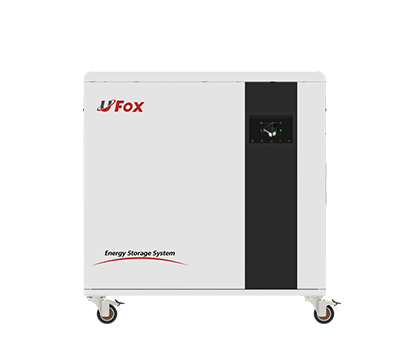
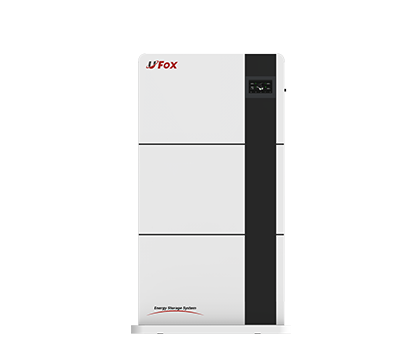
The battery bank stores the excess electricity generated by the solar panels for use when the sun is not shining. It is an essential component of an off-grid solar energy system as it provides backup power during periods of low sunlight or high power demand.
1. Types of Batteries
There are several types of batteries suitable for off-grid solar systems, including lead-acid batteries, lithium-ion batteries, and nickel-iron batteries. Lead-acid batteries are the most common and affordable option but have a shorter lifespan and lower energy density compared to lithium-ion batteries. Lithium-ion batteries are more expensive but offer higher energy density, longer lifespan, and better performance. Nickel-iron batteries are known for their durability and can last for decades but are relatively heavy and expensive.
2. Capacity and Voltage
The capacity of the battery bank should be determined based on the power consumption of your appliances and the desired backup time. For a 5000W system, a battery bank with a capacity of at least 10kWh is recommended. The voltage of the battery bank should be matched to the inverter and solar charge controller.
3. Maintenance and Lifespan
Batteries require regular maintenance to ensure optimal performance and longevity. Lead-acid batteries need to be checked for water levels and charged regularly. Lithium-ion batteries are maintenance-free but may require a battery management system to ensure safe operation. Consider the lifespan of the batteries when choosing a type, as replacing batteries can be a significant expense.
D. Charge Controller
The charge controller regulates the flow of electricity from the solar panels to the battery bank. It prevents overcharging and over-discharging of the batteries, which can damage them and reduce their lifespan.
1. Types of Charge Controllers
There are two main types of charge controllers available: pulse width modulation (PWM) and maximum power point tracking (MPPT). MPPT charge controllers are more efficient and can extract up to 30% more power from the solar panels compared to PWM charge controllers. However, they are also more expensive.
2. Current Rating and Voltage Range
The current rating of the charge controller should be matched to the total current output of the solar panels. The voltage range of the charge controller should be compatible with the voltage of the solar panels and battery bank.
3. Features and Functions
Look for a charge controller with features such as temperature compensation, which adjusts the charging voltage based on the temperature of the batteries. Other useful features include low voltage disconnect, overvoltage protection, and reverse polarity protection.
E. Mounting System
The mounting system is used to install the solar panels on a roof, ground, or other surface. It should be sturdy and durable enough to withstand wind, snow, and other weather conditions.
1. Roof Mounting vs. Ground Mounting
There are two main options for mounting solar panels: roof mounting and ground mounting. Roof mounting is more common for residential applications as it does not require additional land space. However, it may be limited by the size and orientation of the roof. Ground mounting is suitable for larger systems and provides more flexibility in terms of panel placement and orientation.
2. Types of Mounting Systems
There are several types of mounting systems available, including fixed mounts, tilt mounts, and tracking mounts. Fixed mounts are the simplest and most affordable option but do not allow for adjustment of the panel angle. Tilt mounts can be adjusted to optimize the panel angle for different seasons. Tracking mounts follow the movement of the sun throughout the day to maximize power generation but are more expensive and complex.
3. Installation and Safety
The installation of the mounting system should be done by a professional to ensure proper alignment and stability. Consider the safety aspects of the installation, such as wind load calculations and fall protection.
II. Benefits of a 5000W Off Grid Solar Energy System
A. Energy Independence
One of the main benefits of a 5000W off-grid solar energy system is energy independence. By generating your own electricity, you are not reliant on the electrical grid and can avoid power outages and blackouts. This is especially important in remote locations where access to the grid is limited or unreliable.
B. Environmental Sustainability
Solar energy is a clean and renewable source of energy that does not produce greenhouse gas emissions or air pollutants. By using a 5000W off-grid solar energy system, you can reduce your carbon footprint and contribute to a more sustainable future.
C. Cost Savings
Although the initial cost of a 5000W off-grid solar energy system can be significant, it can provide long-term cost savings. Once the system is installed, you will no longer need to pay for electricity from the grid, which can save you money on your monthly utility bills. In addition, some governments offer incentives and rebates for installing solar energy systems, which can further reduce the cost.
D. Reliability and Resilience
Off-grid solar energy systems are designed to be reliable and resilient. They can operate independently of the grid and provide power even during natural disasters or other emergencies. With a proper battery bank and backup generator, you can ensure a continuous supply of electricity.
E. Flexibility and Portability
A 5000W off-grid solar energy system can be installed in a variety of locations and can be easily moved if needed. This makes it suitable for use in remote cabins, RVs, boats, or other mobile applications. You can also expand or upgrade the system as your energy needs change.
III. Installation Considerations for a 5000W Off Grid Solar Energy System
A. Site Assessment
Before installing a 5000W off-grid solar energy system, it is important to conduct a site assessment to determine the suitability of the location. Consider factors such as sunlight exposure, shading, roof orientation and pitch, and available space for the solar panels, battery bank, and other components.
1. Sunlight Exposure
The site should receive a sufficient amount of sunlight throughout the day to ensure optimal power generation. Avoid locations with excessive shading from trees, buildings, or other obstructions. Use a solar pathfinder or online solar calculator to determine the amount of sunlight available at the site.
2. Roof Orientation and Pitch
The roof orientation and pitch can affect the efficiency of the solar panels. Ideally, the roof should face south (in the northern hemisphere) or north (in the southern hemisphere) with a pitch between 15 and 45 degrees. However, solar panels can still generate electricity even if the roof orientation is not ideal.
3. Available Space
Make sure there is enough space on the roof or ground to install the required number of solar panels and other components. Consider the weight and size of the panels and ensure that the mounting system can support them.
B. System Design
Once the site assessment is complete, you need to design the off-grid solar energy system to meet your specific energy needs. This involves determining the size and configuration of the solar panels, battery bank, inverter, charge controller, and other components.
1. Power Consumption Analysis
Start by analyzing your power consumption to determine the size of the system you need. Make a list of all the electrical appliances and devices you will be using and their power ratings. Calculate your daily and monthly power consumption and determine the peak power demand.
2. System Sizing
Based on your power consumption analysis, determine the size of the solar panels, battery bank, and inverter. Consider factors such as sunlight availability, battery capacity, and peak power demand. You may need to consult with a solar energy professional to ensure that the system is properly sized.
3. Wiring and Connections
Design the wiring and connections for the system to ensure safe and efficient operation. Use high-quality cables and connectors and follow proper electrical codes and standards. Consider the placement of the components to minimize cable lengths and losses.
C. Permits and Regulations
Before installing a 5000W off-grid solar energy system, you may need to obtain permits and comply with local regulations. Check with your local building department and utility company to determine the requirements for installing a solar energy system.
1. Building Permits
In some cases, you may need a building permit to install the solar panels and mounting system on your roof or property. The permit process may involve submitting plans and specifications for the system and undergoing an inspection.
2. Electrical Permits
If you are connecting the solar energy system to your electrical panel or grid-tied inverter, you may need an electrical permit. The permit process may involve hiring a licensed electrician to install the system and obtaining approval from the local electrical inspector.
3. Net Metering and Interconnection Agreements
If you are considering a grid-tied solar energy system or want to sell excess electricity back to the grid, you may need to enter into a net metering or interconnection agreement with your utility company. These agreements outline the terms and conditions for connecting to the grid and may require additional equipment and approvals.
D. Installation by Professionals
Installing a 5000W off-grid solar energy system is a complex and potentially dangerous task. It is recommended to hire a professional solar installer with experience in off-grid systems to ensure a safe and proper installation.
1. Qualifications and Experience
Look for a solar installer who is licensed, insured, and has experience in installing off-grid solar energy systems. Ask for references and check their reviews online. Make sure they are familiar with the local regulations and permit requirements.
2. Installation Process
The installer should follow a detailed installation plan and use proper tools and equipment. They should install the solar panels, mounting system, inverter, battery bank, charge controller, and other components in a safe and efficient manner. They should also test the system to ensure proper operation and provide training on how to use and maintain the system.
3. Warranty and Support
Make sure the installer offers a warranty on their work and provides ongoing support and maintenance services. This will ensure that any issues with the system are addressed promptly and that the system continues to operate at optimal performance.
IV. Maintenance Requirements for a 5000W Off Grid Solar Energy System
A. Regular Inspections
Regular inspections are essential to ensure the proper operation and longevity of a 5000W off-grid solar energy system. Inspect the solar panels, mounting system, inverter, battery bank, charge controller, and other components at least once a year.
1. Solar Panels
Check the solar panels for dirt, debris, and damage. Clean the panels if necessary using a soft cloth and mild detergent. Inspect the wiring and connections for signs of wear or damage.
2. Mounting System
Inspect the mounting system for signs of corrosion, loose bolts, or other damage. Make sure the panels are securely attached and aligned properly.
3. Inverter and Charge Controller
Check the inverter and charge controller for proper operation. Look for error codes or warning lights. Clean the equipment if necessary and ensure that the ventilation is not blocked.
4. Battery Bank
Inspect the battery bank for signs of corrosion, leakage, or damage. Check the battery voltage and electrolyte levels if applicable. Charge the batteries regularly to maintain their capacity.
B. Cleaning and Maintenance
Keep the solar panels clean to ensure maximum power generation. Dust, dirt, and bird droppings can reduce the efficiency of the panels. Clean the panels at least twice a year using a soft cloth and mild detergent.
1. Cleaning Methods
Use a soft cloth or sponge and mild detergent to clean the panels. Avoid using abrasive materials or harsh chemicals that can damage the panels. Rinse the panels thoroughly with clean water to remove any soap residue.
2. Safety Precautions
When cleaning the panels, take proper safety precautions. Wear gloves and safety glasses to protect yourself from injury. Avoid standing on the panels or using ladders that can damage the panels or the mounting system.
C. Battery Maintenance
Proper maintenance of the battery bank is crucial for the performance and longevity of an off-grid solar energy system. Follow these guidelines to maintain your battery bank.
1. Charging and Discharging
Charge the batteries regularly to maintain their capacity. Avoid overcharging or undercharging the batteries, as this can damage them. Use a proper battery charger or charge controller to ensure safe and efficient charging.
2. Temperature Control
Keep the batteries at a proper temperature to ensure optimal performance. Avoid exposing the batteries to extreme temperatures, as this can reduce their lifespan. Use a battery enclosure or insulation if necessary to protect the batteries from heat or cold.
3. Water Levels (for lead-acid batteries)
If you are using lead-acid batteries, check the water levels regularly and add distilled water as needed. Avoid overfilling the batteries, as this can cause acid spills and damage.
D. System Monitoring
Install a monitoring system to keep track of the performance of your 5000W off-grid solar energy system. A monitoring system can provide real-time data on power generation, battery status, and other parameters.
1. Types of Monitoring Systems
There are several types of monitoring systems available, including standalone monitors, web-based monitors, and mobile apps. Choose a monitoring system that meets your needs and is compatible with your inverter and other components.
2. Monitoring Parameters
The monitoring system should provide data on power generation, battery voltage, charge current, discharge current, and other important parameters. Use this data to identify any issues with the system and take corrective action if necessary.
3. Alerts and Notifications
Set up alerts and notifications to be notified of any problems with the system. For example, you can receive an email or text message if the battery voltage drops too low or if the inverter fails.
E. Professional Maintenance
Consider hiring a professional solar maintenance company to perform regular maintenance and inspections of your 5000W off-grid solar energy system. A professional can identify and address issues that may not be obvious to the untrained eye.
1. Maintenance Contracts
Some solar maintenance companies offer maintenance contracts that include regular inspections, cleaning, and repairs. Consider signing a maintenance contract to ensure that your system is properly maintained and to extend its lifespan.
2. Emergency Repairs
In the event of a system failure or emergency, a professional maintenance company can provide prompt repairs and support. Make sure the company has a 24/7 emergency hotline and can respond quickly to your needs.
A 5000W off-grid solar energy system can provide a reliable and sustainable source of power for your home, cabin, or other off-grid application. By understanding the components, benefits, installation considerations, and maintenance requirements of such a system, you can make an informed decision and invest in a system that meets your specific needs. Remember to hire a professional installer and follow proper maintenance procedures to ensure the long-term performance and reliability of your off-grid solar energy system.




 German
 Italian
 Japanese
 Global (English)
 Chinese
 Spanish
 French


