

1. Introduction
In the dynamic landscape of commercial solar energy adoption, energy storage has become an indispensable component. The 51.2V wall mounted LiFePO4 (Lithium Iron Phosphate) battery has emerged as a popular choice for commercial solar systems, offering a blend of technical advantages, space saving installation options, and reliable energy storage capabilities.
Commercial solar systems are increasingly being deployed across various industries, including manufacturing, retail, and office complexes, to reduce electricity costs, enhance energy independence, and meet sustainability goals. However, the intermittent nature of solar energy, with power generation being dependent on sunlight availability, poses challenges. Energy storage solutions, such as the 51.2V wall mounted LiFePO4 battery, bridge the gap between solar power generation and the continuous energy demands of commercial operations. These batteries are designed to store excess solar energy during peak generation periods and supply power when solar production is insufficient, ensuring a stable and reliable energy supply.
2. Technical Specifications and Features of 51.2V Wall Mounted LiFePO4 Batteries
2.1 Voltage Configuration
The 51.2V voltage configuration of these batteries is carefully engineered to optimize performance in commercial solar setups. This voltage level is a result of a specific combination of LiFePO4 cells connected in series and parallel. LiFePO4 cells typically have a nominal voltage of around 3.2V. By connecting multiple cells in series, the overall voltage of the battery pack can be increased to the desired 51.2V. This voltage is well suited for integration with common commercial solar inverters and electrical systems.
For example, many commercial solar inverters are designed to operate within a specific voltage range, and the 51.2V output of the wall mounted LiFePO4 battery can be easily matched to the input requirements of these inverters. This compatibility ensures efficient power transfer between the battery and the inverter, minimizing power losses during the charging and discharging processes. In addition, the 51.2V voltage allows for a more balanced distribution of power within the commercial electrical system, reducing the need for excessive voltage transformation or complex electrical circuitry.
2.2 Energy Capacity and Power Rating
51.2V wall mounted LiFePO4 batteries are available in a range of energy capacities to meet the diverse needs of commercial solar systems. Energy capacity is measured in kilowatt hours (kWh) and determines the amount of energy the battery can store. The power rating, on the other hand, indicates the maximum amount of power the battery can deliver or absorb in a given time.
In a small scale commercial establishment, such as a local retail store, a 51.2V wall mounted LiFePO4 battery with a capacity of 10 20 kWh may be sufficient to store excess solar energy during the day and power essential equipment during periods of low solar generation. In contrast, a large scale manufacturing facility or a multi story office building may require batteries with capacities ranging from 100 kWh to several megawatt hours. These high capacity batteries can support the continuous operation of multiple high power electrical appliances, machinery, and lighting systems within the commercial premises.
The power rating of the battery is crucial for applications where rapid charging or discharging is required. For instance, in a commercial building with a high energy consuming HVAC system that experiences sudden spikes in power demand, a 51.2V wall mounted LiFePO4 battery with a high power rating can quickly discharge power to meet these demands, preventing disruptions in the building's climate control system.
2.3 Wall Mounted Design
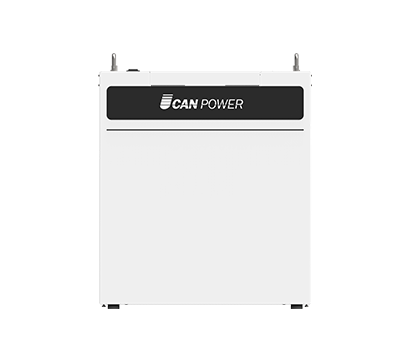
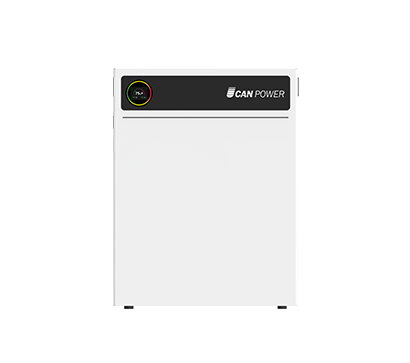
The wall mounted design of these LiFePO4 batteries offers several practical advantages in commercial settings. Space is often a valuable commodity in commercial buildings, and the wall mounted configuration allows for efficient use of vertical space. These batteries can be easily installed on the walls of utility rooms, basements, or even on the exterior walls of commercial buildings, depending on local regulations and environmental conditions.
This design not only saves floor space but also simplifies the installation process. In comparison to larger, floor standing battery systems, wall mounted batteries require less complex mounting structures. They can be securely fastened to the wall using appropriate brackets and hardware, reducing the time and cost associated with installation. Additionally, the wall mounted design provides better accessibility for maintenance and monitoring. Technicians can easily reach the battery for inspection, cleaning, and any necessary repairs, ensuring the long term reliability of the energy storage system.
2.4 Battery Management System (BMS)
A sophisticated Battery Management System (BMS) is an integral part of 51.2V wall mounted LiFePO4 batteries for commercial solar systems. The BMS plays a crucial role in ensuring the safe and efficient operation of the battery. It monitors various parameters, including battery voltage, current, temperature, and state of charge (SoC).
During the charging process, the BMS ensures that the battery is charged at an optimal rate, preventing overcharging, which can lead to a reduction in battery lifespan and potential safety hazards. It also adjusts the charging current and voltage based on the battery's SoC and temperature. For example, if the battery temperature rises above a certain threshold during charging, the BMS may reduce the charging current to prevent overheating.
In the discharging phase, the BMS monitors the battery's voltage and current to ensure that it is not discharged below a safe threshold. Deep discharging can cause permanent damage to the battery cells and significantly shorten the battery's lifespan. The BMS also provides protection against over current and short circuit conditions. In the event of a fault, such as an over current situation, the BMS can quickly cut off the power supply to the battery, safeguarding the battery and the connected electrical equipment.
Furthermore, the BMS is responsible for cell balancing. LiFePO4 batteries are composed of multiple cells, and over time, due to manufacturing variations and differences in usage patterns, the cells may become unbalanced, with some cells having a higher state of charge than others. The BMS equalizes the charge among the cells by diverting excess charge from fully charged cells to those that are not yet fully charged, ensuring the uniform performance and longevity of the entire battery pack.
3. Benefits of 51.2V Wall Mounted LiFePO4 Batteries in Commercial Solar Systems
3.1 Energy Cost Savings
3.1.1 Time of Use Tariff Arbitrage
One of the primary benefits of integrating 51.2V wall mounted LiFePO4 batteries into commercial solar systems is the potential for significant energy cost savings through time of use (TOU) tariff arbitrage. In many regions, electricity providers implement TOU tariffs, where the cost of electricity varies depending on the time of day. Peak rate hours, typically during the late afternoon and early evening when commercial electricity consumption is high, have higher electricity prices. Off peak hours, usually at night or in the early morning, have lower prices.
Commercial solar systems with 51.2V wall mounted LiFePO4 batteries can take advantage of these TOU tariffs. During off peak hours, when electricity prices are low, the battery can be charged using grid supplied electricity (if solar power is not available) or excess solar power. Then, during peak rate hours, the battery can be discharged to meet the commercial building's energy needs, reducing the amount of expensive grid supplied electricity consumed. This simple yet effective strategy can result in substantial savings on monthly electricity bills.
For example, a large commercial office building that operates during business hours and has high electricity consumption during peak rate hours can save a significant amount of money by using the stored solar energy in the 51.2V wall mounted LiFePO4 battery instead of relying solely on grid supplied electricity. The cost savings can be even more pronounced for businesses with high energy consuming operations, such as data centers or manufacturing plants.
3.1.2 Reducing Peak Demand Charges
In addition to TOU tariffs, many commercial customers are subject to peak demand charges. Peak demand charges are based on the maximum amount of power (in kilowatts) consumed during a specific period, usually a month. By using a 51.2V wall mounted LiFePO4 battery in a commercial solar system, businesses can reduce their peak demand.
The battery can discharge power during periods of high energy demand, supplementing the power from the grid and preventing the peak demand from exceeding a certain threshold. For instance, in a manufacturing facility where large scale machinery is used, sudden spikes in power demand can occur during production processes. The 51.2V wall mounted LiFePO4 battery can supply the additional power required during these peak demand periods, reducing the overall peak demand of the facility. This can lead to substantial savings in peak demand charges, which can be a significant portion of the overall electricity bill for commercial customers.
3.2 Enhanced Energy Reliability
3.2.1 Continuous Power Supply
Commercial operations often require a continuous and reliable power supply to avoid disruptions in business activities. Solar energy, being intermittent, can pose challenges in meeting this requirement. However, with a 51.2V wall mounted LiFePO4 battery, commercial solar systems can ensure a continuous power supply even during periods of low solar generation or grid outages.
For example, in a retail store, a power outage can lead to the loss of sales, damage to perishable goods, and a negative customer experience. A 51.2V wall mounted LiFePO4 battery can store excess solar energy during the day and supply power to the store's lighting, cash registers, and refrigeration systems during cloudy days, at night, or in the event of a grid failure. This ensures that the store can continue to operate smoothly, minimizing the impact of power disruptions on business operations.
3.2.2 Grid Support and Resilience
Commercial solar systems with 51.2V wall mounted LiFePO4 batteries can also contribute to grid support and resilience. In areas with a high penetration of solar energy, the intermittent nature of solar power can cause fluctuations in grid voltage and frequency. The battery can help stabilize the grid by discharging power during periods of low grid voltage or absorbing excess power during periods of high grid voltage.
In addition, during grid outages, the commercial solar battery system can operate in island mode, providing power to the local load without being connected to the grid. This not only ensures the continuous operation of the commercial establishment but also reduces the burden on the grid during restoration efforts. By enhancing grid support and resilience, 51.2V wall mounted LiFePO4 batteries in commercial solar systems contribute to a more stable and reliable overall energy infrastructure.
3.3 Environmental Sustainability
3.3.1 Reduced Carbon Emissions
The use of 51.2V wall mounted LiFePO4 batteries in commercial solar systems significantly contributes to environmental sustainability by reducing carbon emissions. Commercial buildings are major consumers of electricity, and a large portion of this electricity is often generated from fossil fuel based power plants, which emit greenhouse gases.
By relying more on solar energy stored in the battery, commercial establishments can reduce their consumption of grid supplied electricity and, consequently, their carbon footprint. Solar energy is a clean and renewable energy source that produces no greenhouse gas emissions during operation. Even when the battery is charged using grid supplied electricity during off peak hours, the overall carbon emissions are still lower compared to continuous reliance on grid power, especially if the grid mix includes a significant proportion of renewable energy sources.
For example, a large commercial shopping mall that installs a solar battery system with 51.2V wall mounted LiFePO4 batteries can significantly reduce its annual carbon emissions. This not only aligns with the mall's corporate social responsibility goals but also contributes to global efforts to combat climate change.
3.3.2 Energy Conservation
In addition to reducing carbon emissions, these systems promote energy conservation. By storing excess solar energy and using it when needed, commercial solar battery systems minimize the waste of solar power that would otherwise be lost when the energy demand is lower than the solar power generation.
This more efficient use of energy resources helps to optimize the overall energy balance and reduces the need for additional energy generation from non renewable sources. It also contributes to a more sustainable use of energy at the local level, conserving natural resources and reducing the environmental impact associated with energy production and distribution.
4. Challenges in Implementing 51.2V Wall Mounted LiFePO4 Batteries in Commercial Solar Systems
4.1 High Initial Cost
4.1.1 Cost Components
The high initial cost is one of the most significant barriers to the widespread adoption of 51.2V wall mounted LiFePO4 batteries in commercial solar systems. The cost of a complete system includes several components. The battery itself, with its advanced LiFePO4 technology, represents a major expense. The cost of LiFePO4 cells, along with the associated BMS and other electronics, can account for a large portion of the total cost.
The wall mounting hardware and installation labor also contribute to the overall cost. In commercial applications, the installation may require the expertise of licensed electricians and may involve additional safety and compliance measures, further increasing the cost. Moreover, the cost of integrating the battery with the existing commercial solar system, including any necessary upgrades to the inverter or electrical wiring, can be substantial.
4.1.2 Cost Reduction Strategies
To address the high initial cost issue, several strategies are being pursued. Technological advancements in battery manufacturing are leading to cost reductions over time. As the production volume of LiFePO4 batteries increases, economies of scale are realized, resulting in lower per unit costs. New manufacturing processes and materials are being developed to reduce the cost of battery production without sacrificing performance.
In addition, some regions offer financial incentives, such as government subsidies, tax credits, or rebates, to encourage businesses to invest in solar battery systems. These incentives can significantly reduce the upfront cost for commercial customers, making the adoption of 51.2V wall mounted LiFePO4 batteries more financially viable. Energy service companies (ESCOs) are also emerging, offering innovative financing models, such as power purchase agreements (PPAs) or lease to own programs, which allow businesses to install solar battery systems with little or no upfront capital investment.
4.2 System Integration Complexity
4.2.1 Compatibility Issues
Integrating 51.2V wall mounted LiFePO4 batteries into commercial solar systems can pose challenges in terms of system integration and compatibility. Different solar panels, inverters, and battery systems may have different voltage and current ratings, communication protocols, and control interfaces.
Ensuring that these components work together seamlessly is crucial for the efficient operation of the overall system. For example, the voltage and current requirements of the 51.2V wall mounted LiFePO4 battery must be compatible with those of the solar panels and the inverter. If there is a mismatch, it can lead to inefficient charging and discharging, reduced battery lifespan, and even system failures.
The communication between the BMS of the battery and the other components of the system, such as the inverter and the solar charge controller, also needs to be properly configured. Compatibility issues can arise if the communication protocols are not standardized or if there are software related glitches. This complexity in system integration may require the expertise of trained technicians and may lead to additional costs and time for system commissioning.
4.2.2 Electrical Safety and Compliance
In commercial settings, electrical safety and compliance with local regulations are of utmost importance. Installing a 51.2V wall mounted LiFePO4 battery in a commercial solar system must adhere to strict electrical codes and safety standards.
The battery installation should be designed to prevent electrical hazards, such as short circuits, over currents, and electrical shocks. Proper grounding, insulation, and protection devices need to be installed. In addition, the system must comply with local building codes and regulations regarding the installation of energy storage systems. Failure to meet these safety and compliance requirements can result in fines, system shutdowns, and potential safety risks.
4.3 Long Term Maintenance and Monitoring
4.3.1 Maintenance Requirements
51.2V wall mounted LiFePO4 batteries in commercial solar systems require regular maintenance to ensure optimal performance and longevity. The battery cells need to be inspected periodically for signs of degradation, such as changes in voltage or capacity. The BMS also needs to be checked for proper operation, and any software updates should be installed in a timely manner.
The wall mounting hardware should be inspected for stability and corrosion, especially in outdoor installations. In addition, the electrical connections between the battery, solar panels, and inverter need to be checked regularly to ensure reliable power transfer. Regular maintenance may require the services of trained technicians, which can add to the long term cost of operating the solar battery system.
4.3.2 Monitoring and Data Management
Effective monitoring and data management are essential for the long term operation of 51.2V wall mounted LiFePO4 batteries in commercial solar systems. Monitoring the battery's state of charge, voltage, current, and temperature in real time allows for early detection of any issues or anomalies.
However, implementing a comprehensive monitoring system can be complex and costly. Commercial establishments need to invest in monitoring hardware and software, and may also need to set up a data management infrastructure to store and analyze the collected data. In addition, the data needs to be interpreted correctly to make informed decisions about battery maintenance, charging and discharging strategies, and overall system optimization.
5. Market Trends and Future Outlook
5.1 Growing Adoption in Commercial Sectors
5.1.1 Retail and Hospitality
experience but also showcases the hotel's commitment to sustainable energy practices. As consumer awareness of environmental issues grows, businesses in the retail and hospitality sectors that invest in such technologies can gain a competitive edge by appealing to eco conscious customers.
5.1.2 Manufacturing and Industrial
The manufacturing and industrial sectors are also recognizing the value of 51.2V wall mounted LiFePO4 batteries in their solar integrated setups. Manufacturing plants often have high and variable energy demands, with large scale machinery and equipment operating continuously. Solar battery systems can help these facilities reduce their energy costs significantly. For instance, a manufacturing plant that operates three shift schedules can store excess solar energy during the day and use it to power the plant during peak rate hours or when grid supplied electricity is more expensive.
In addition, the ability of the 51.2V wall mounted LiFePO4 battery to provide a stable power supply is crucial for industrial processes that require consistent voltage and frequency. Any power disruptions can lead to costly production downtimes, damaged equipment, and quality control issues. By integrating these batteries into their solar systems, industrial facilities can enhance the resilience of their power supply, ensuring uninterrupted operations.
5.1.3 Office Buildings and Data Centers
Office buildings and data centers are major consumers of electricity, and the adoption of 51.2V wall mounted LiFePO4 batteries in their solar systems is on the rise. Office buildings can use solar battery systems to power their lighting, heating, ventilation, and air conditioning (HVAC) systems, as well as office equipment. This not only reduces their electricity bills but also helps them meet their corporate sustainability targets.
Data centers, with their round the clock operation and high power requirements, are particularly well suited for solar battery integration. The 51.2V wall mounted LiFePO4 batteries can provide backup power during grid outages, ensuring the continuous operation of servers and other critical IT infrastructure. In addition, by storing excess solar energy, data centers can reduce their reliance on grid supplied electricity, which is often associated with high costs and potential carbon emissions.
5.2 Technological Advancements
5.2.1 Improved Battery Performance
Ongoing research and development efforts are focused on improving the performance of 51.2V wall mounted LiFePO4 batteries. One area of focus is increasing the energy density of the batteries. By developing new materials and manufacturing techniques, it is possible to pack more energy into the same physical space. This would allow commercial solar systems to store more energy using the same number of batteries, or reduce the size and weight of the battery system while maintaining the same energy capacity.
Another aspect of performance improvement is enhancing the cycle life of the batteries. New chemical formulations and cell designs are being explored to increase the number of charge discharge cycles the batteries can withstand before significant capacity degradation occurs. This would reduce the long term cost of ownership for commercial users, as they would need to replace the batteries less frequently.
5.2.2 Integration of Smart Grid Technologies
The integration of smart grid technologies with 51.2V wall mounted LiFePO4 batteries in commercial solar systems is an emerging trend. Smart grid technologies enable two way communication between the solar battery system, the grid, and other energy consumers and producers. This allows for more efficient energy management.
For example, the battery system can receive real time information about grid conditions, such as voltage and frequency fluctuations, and adjust its charging and discharging behavior accordingly. In addition, commercial users can participate in demand response programs, where they can receive incentives for reducing their electricity consumption during peak demand periods. The 51.2V wall mounted LiFePO4 battery can be used to store energy during off peak periods and then discharge it during peak demand periods when the grid needs additional support.
5.3 Regulatory and Policy Support
5.3.1 Incentive Programs Expansion
Governments around the world are increasingly recognizing the importance of commercial solar battery systems in promoting renewable energy adoption and grid resilience. As a result, there is a growing trend of expanding incentive programs for these systems. Existing incentives, such as tax credits, subsidies, and feed in tariffs, are being extended or enhanced to encourage more businesses to invest in 51.2V wall mounted LiFePO4 battery based solar systems.
In addition, new incentive mechanisms are being introduced. For example, some regions are implementing capacity payments for commercial battery owners who are willing to make their battery capacity available for grid support services. This would further incentivize the installation and utilization of these batteries in commercial solar systems.
5.3.2 Regulatory Adaptations
As the adoption of 51.2V wall mounted LiFePO4 batteries in commercial solar systems increases, regulatory bodies are adapting existing regulations. Regulations regarding grid connection, power quality, and the operation of distributed energy resources are being updated to accommodate the unique characteristics of these systems.
For example, rules for net metering, which govern how commercial users are compensated for exporting excess solar power to the grid, are being revised to better account for the role of battery storage. In addition, regulations related to the safety and performance of LiFePO4 batteries and associated equipment are being strengthened to ensure the protection of consumers and the integrity of the grid.
6. Conclusion
The 51.2V wall mounted LiFePO4 battery has emerged as a game changing solution for commercial solar systems. Its unique combination of technical features, such as voltage configuration, energy capacity, wall mounted design, and advanced BMS, offers numerous benefits to commercial users. These benefits include significant energy cost savings through TOU tariff arbitrage and reduced peak demand charges, enhanced energy reliability with continuous power supply and grid support, and environmental sustainability with reduced carbon emissions and energy conservation.
Despite the challenges of high initial cost, system integration complexity, and long term maintenance and monitoring requirements, the future of 51.2V wall mounted LiFePO4 batteries in commercial solar systems looks promising. Growing adoption across various commercial sectors, driven by the pursuit of cost savings, energy reliability, and sustainability goals, is expected to continue. Technological advancements will further improve battery performance and enable seamless integration with smart grid technologies. Regulatory and policy support, in the form of expanded incentive programs and regulatory adaptations, will create a more conducive environment for the widespread adoption of these batteries in commercial solar systems.
In conclusion, the 51.2V wall mounted LiFePO4 battery is set to play a pivotal role in the transformation of the commercial energy landscape, enabling businesses to become more energy efficient, sustainable, and resilient in the face of an evolving energy market.




 German
 Italian
 Japanese
 Global (English)
 Chinese
 Spanish
 French


