

In today's world, where energy efficiency and sustainability are of utmost importance, advanced hybrid inverter functions are playing a crucial role in transforming the way we manage and utilize power. Hybrid inverters combine the capabilities of traditional inverters with additional features that enable seamless integration of renewable energy sources, energy storage systems, and grid-tied operations. In this in-depth exploration, we will delve into the various aspects of advanced hybrid inverter functions, including their benefits, working principles, applications, and future prospects.
I. Introduction to Advanced Hybrid Inverter Function
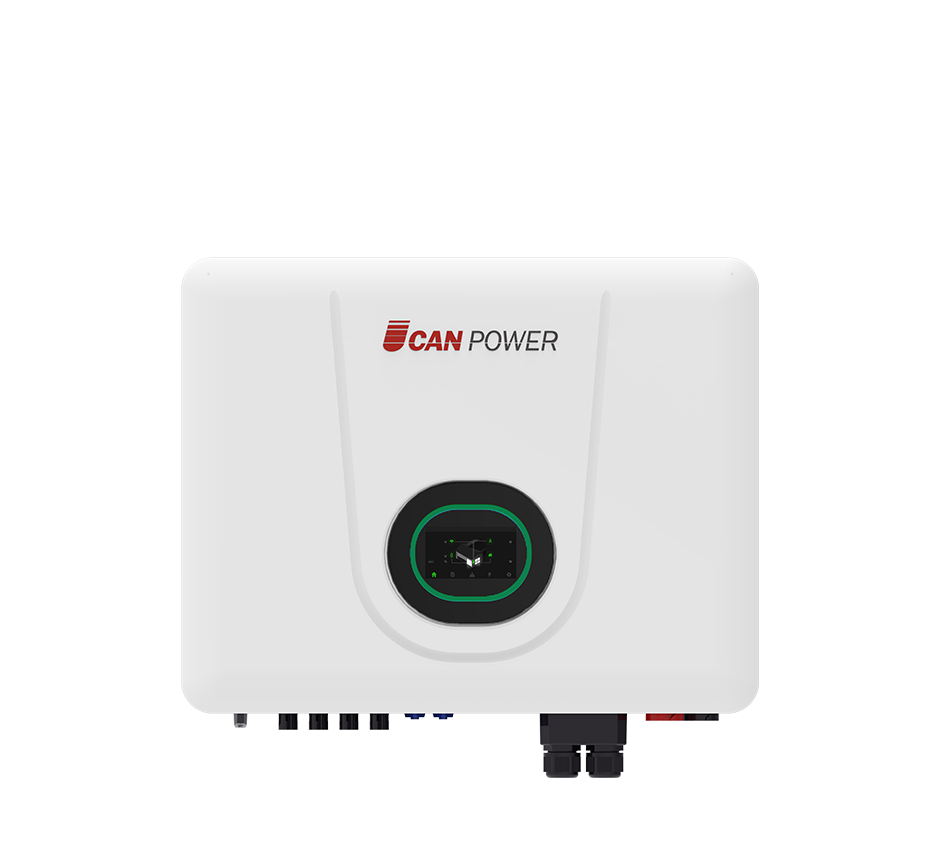
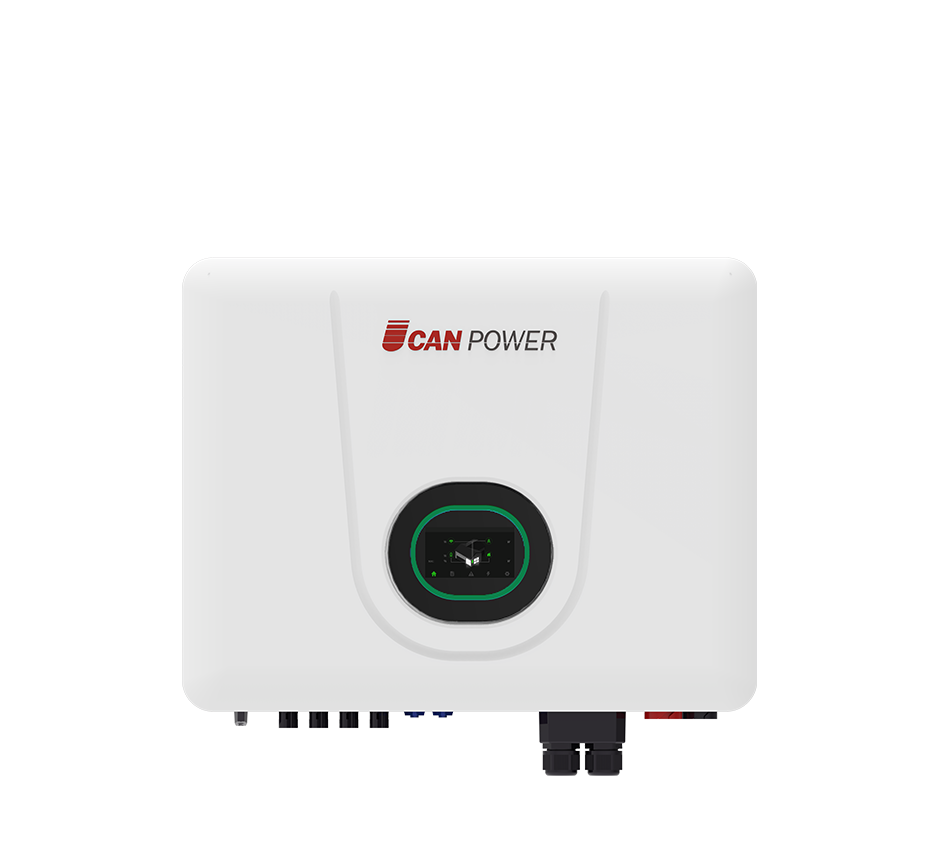
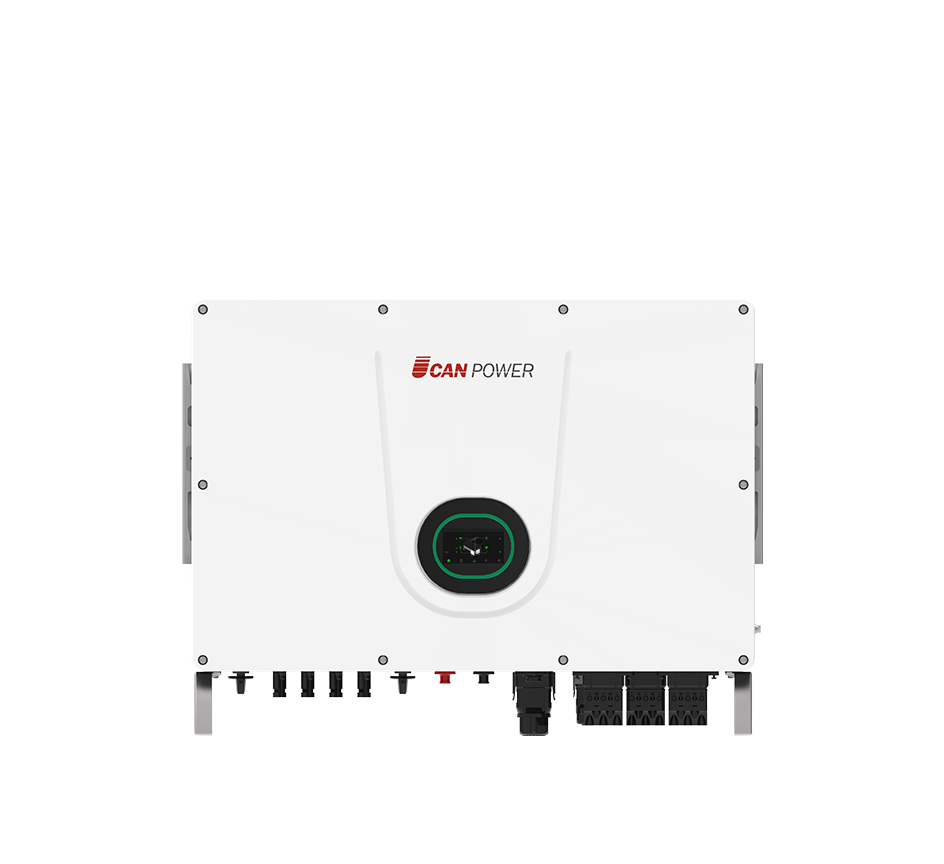
A hybrid inverter is an electrical device that can convert direct current (DC) power from sources such as solar panels, batteries, or wind turbines into alternating current (AC) power that can be used to power household appliances, industrial equipment, or fed back into the electrical grid. In addition to the basic power conversion function, advanced hybrid inverters offer a range of additional features that make them highly versatile and efficient.
One of the key features of advanced hybrid inverters is their ability to operate in multiple modes, depending on the available power sources and the load requirements. For example, they can operate in grid-tied mode, where they synchronize with the electrical grid and feed excess power generated from renewable sources back into the grid. They can also operate in off-grid mode, where they provide power independently of the grid, using stored energy from batteries or other sources. Additionally, hybrid inverters can operate in backup mode, providing emergency power during grid outages.
Another important feature of advanced hybrid inverters is their integration with energy storage systems. These inverters can charge and discharge batteries, optimizing the use of stored energy and ensuring a continuous supply of power. They can also manage the power flow between the renewable energy sources, the batteries, and the load, maximizing the efficiency of the overall power system.
II. Benefits of Advanced Hybrid Inverter Function
1. Energy Independence
Advanced hybrid inverters enable users to achieve a certain degree of energy independence by allowing them to generate and store their own power. This is particularly beneficial in areas where the electrical grid is unreliable or expensive, or for those who want to reduce their reliance on fossil fuels.
By integrating renewable energy sources such as solar panels and wind turbines with energy storage systems, users can generate clean power during the day and store it for use at night or during power outages. This not only reduces electricity bills but also helps to protect the environment.
2. Grid Interaction and Support
Hybrid inverters can interact with the electrical grid in a smart way, providing benefits to both the user and the grid operator. For example, they can participate in demand response programs, where they reduce their power consumption during peak demand periods in exchange for financial incentives.
They can also provide grid support services such as voltage regulation and frequency control, helping to maintain the stability and reliability of the grid. This is especially important as the penetration of renewable energy sources increases, as these sources can cause fluctuations in the grid voltage and frequency.
3. Enhanced Power Quality
Advanced hybrid inverters often incorporate power quality features such as harmonic filtering and power factor correction. These features help to improve the quality of the power supplied to the load, reducing electrical noise and interference and ensuring stable and reliable operation of sensitive equipment.
By optimizing the power flow and minimizing power losses, hybrid inverters can also improve the overall efficiency of the power system, reducing energy waste and lowering operating costs.
4. Scalability and Flexibility
Hybrid inverters are highly scalable and flexible, allowing users to expand their power systems as their energy needs grow. They can be easily integrated with additional solar panels, batteries, or other power sources, providing a modular and customizable solution.
This flexibility also makes hybrid inverters suitable for a wide range of applications, from small residential systems to large commercial and industrial installations.
III. Working Principles of Advanced Hybrid Inverter Function
1. Power Conversion
The basic function of a hybrid inverter is to convert DC power from sources such as solar panels or batteries into AC power that can be used by the load or fed back into the grid. This is achieved through the use of power electronics devices such as transistors and diodes, which switch the DC power on and off at a high frequency to create an AC waveform.
The efficiency of the power conversion process is crucial, as it determines how much of the input power is converted into useful output power. Advanced hybrid inverters use advanced technologies such as pulse-width modulation (PWM) and maximum power point tracking (MPPT) to optimize the power conversion efficiency and maximize the power output.
2. Energy Management
Hybrid inverters are equipped with advanced energy management systems that control the flow of power between the different components of the power system. These systems monitor the power generation from renewable sources, the state of charge of the batteries, and the load requirements, and adjust the power flow accordingly.
For example, when the solar panels are generating excess power, the inverter can charge the batteries or feed the power back into the grid. When the load requirements are high and the renewable sources are not generating enough power, the inverter can draw power from the batteries or the grid to meet the demand.
3. Grid Interaction
When connected to the grid, hybrid inverters synchronize with the grid voltage and frequency to ensure a seamless transfer of power. They also monitor the grid conditions and adjust their output to provide grid support services as required.
In case of a grid outage, the inverter can automatically switch to off-grid mode and provide backup power using the stored energy from the batteries. Once the grid is restored, the inverter can seamlessly switch back to grid-tied mode and resume normal operation.
4. Battery Management
The integration of batteries into the power system requires careful management to ensure their safe and efficient operation. Hybrid inverters incorporate battery management systems that monitor the battery state of charge, voltage, and temperature, and control the charging and discharging processes.
These systems can also protect the batteries from overcharging, over-discharging, and other abnormal conditions, prolonging their lifespan and ensuring reliable power supply.
IV. Applications of Advanced Hybrid Inverter Function
1. Residential Solar Power Systems
Advanced hybrid inverters are widely used in residential solar power systems, where they enable homeowners to generate their own clean power and reduce their electricity bills. They can be integrated with solar panels and batteries to provide a reliable and sustainable source of power, even during power outages.
Hybrid inverters can also be connected to the grid, allowing homeowners to sell excess power back to the utility company and earn credits or revenue. This not only reduces the cost of electricity but also contributes to the overall stability and reliability of the grid.
2. Commercial and Industrial Applications
In commercial and industrial settings, hybrid inverters can be used to power large-scale solar power installations, backup power systems, and microgrids. They can help businesses and industries reduce their energy costs, improve their energy efficiency, and meet their sustainability goals.
Hybrid inverters can also be integrated with energy storage systems to provide backup power during peak demand periods or grid outages, ensuring continuous operation of critical equipment and processes.
3. Remote and Off-Grid Locations
For remote locations where access to the electrical grid is limited or expensive, advanced hybrid inverters can provide a reliable source of power. They can be combined with renewable energy sources such as solar panels, wind turbines, and diesel generators to create off-grid power systems that can meet the electricity needs of remote communities, farms, and industrial sites.
Hybrid inverters can also be used in mobile applications such as RVs, boats, and camping trailers, providing portable power solutions for outdoor enthusiasts.
4. Grid Support and Microgrids
Hybrid inverters can play an important role in grid support and microgrid applications. They can be used to manage the power flow between distributed energy resources such as solar panels, wind turbines, and energy storage systems, and the electrical grid.
In microgrid systems, hybrid inverters can operate in island mode, providing power independently of the grid during emergencies or when the grid is unstable. They can also be used to connect multiple microgrids together, creating a more resilient and flexible power network.
V. Future Prospects of Advanced Hybrid Inverter Function
1. Technological Advancements
As the demand for clean and sustainable energy solutions continues to grow, we can expect to see further technological advancements in advanced hybrid inverter functions. These may include improvements in power conversion efficiency, energy management algorithms, and battery technologies.
New materials and manufacturing processes may also lead to smaller, lighter, and more cost-effective hybrid inverters, making them more accessible to a wider range of users.
2. Integration with Smart Grids
The integration of hybrid inverters with smart grids is expected to become more widespread in the future. Smart grids enable two-way communication between the grid operator and the power system, allowing for more efficient management of power flow and demand response.
Hybrid inverters can play a key role in this integration by providing real-time information about the power generation and consumption of the connected devices, and responding to commands from the grid operator to adjust their output.
3. Expansion of Renewable Energy Integration
The increasing penetration of renewable energy sources such as solar and wind power will drive the demand for advanced hybrid inverters. These inverters will be essential for integrating large amounts of intermittent renewable energy into the grid and ensuring a stable and reliable power supply.
Hybrid inverters can also help to address the challenges associated with the variability of renewable energy sources by providing energy storage and backup power capabilities.
4. Growth in Energy Storage Market
The growth of the energy storage market will also have a significant impact on the future of advanced hybrid inverter functions. As battery technologies continue to improve and costs decline, more users will be able to afford energy storage systems, which will increase the demand for hybrid inverters that can manage the power flow between the batteries and the grid.
Hybrid inverters may also be integrated with other types of energy storage technologies such as flywheels and supercapacitors, providing more flexible and efficient power management solutions.
VI. Conclusion
Advanced hybrid inverter functions are revolutionizing the way we manage and utilize power. By combining the capabilities of traditional inverters with additional features such as energy storage integration, grid interaction, and advanced energy management, these inverters offer a highly versatile and efficient solution for a wide range of applications. As technology continues to advance and the demand for clean and sustainable energy grows, we can expect to see even more innovative and advanced hybrid inverter functions in the future, playing a crucial role in the transition to a more sustainable energy future.




 German
 Italian
 Japanese
 Global (English)
 Chinese
 Spanish
 French


