

I. Introduction
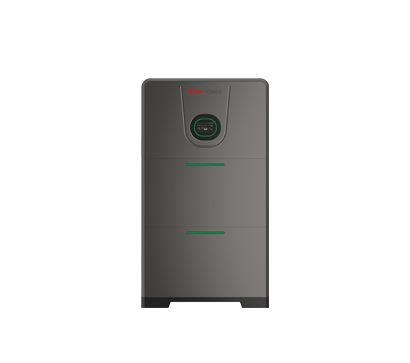
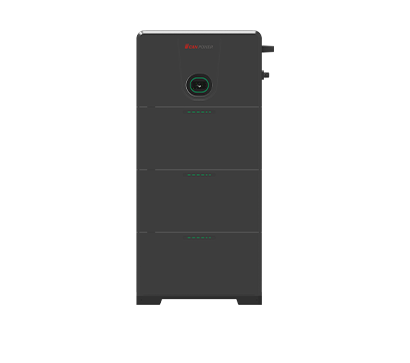
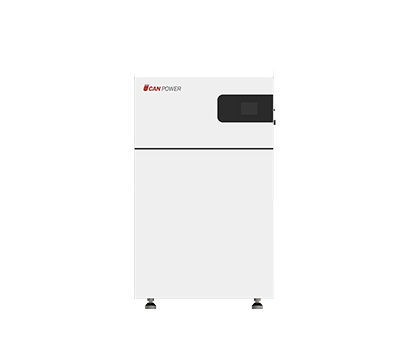
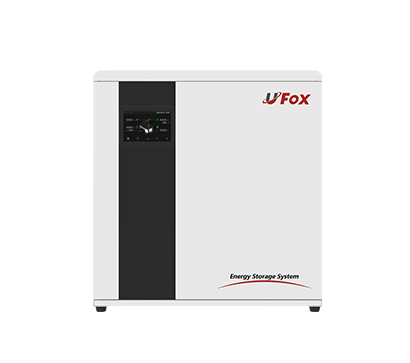
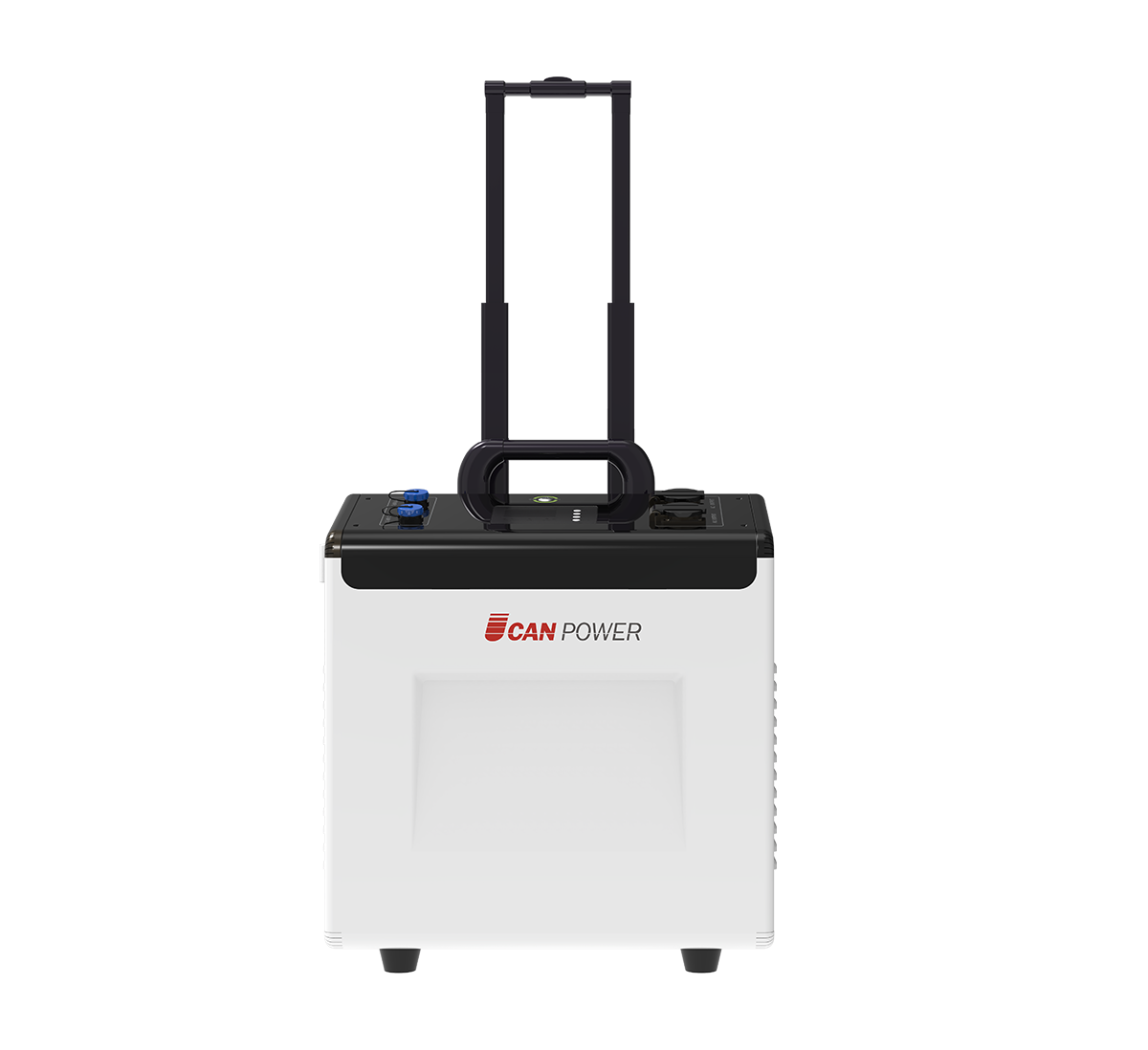
In today's world, where the demand for reliable and sustainable energy sources is on the rise, the all in one energy storage system has emerged as a revolutionary solution. This integrated system combines multiple energy storage technologies and functions into a single unit, providing a comprehensive and efficient way to manage energy. In this article, we will explore the various aspects of the all in one energy storage system, including its working principles, features, applications, and future prospects.
II. Working Principles of All in One Energy Storage System
A. Hybrid Energy Storage Technologies
1. Battery Storage
The all in one energy storage system typically includes one or more types of batteries, such as lithium-ion batteries, lead-acid batteries, or flow batteries. These batteries store electrical energy in chemical form and can release it when needed. The choice of battery depends on factors such as energy density, cycle life, cost, and safety.
2. Supercapacitor Storage
In addition to batteries, the system may also incorporate supercapacitors. Supercapacitors store energy electrostatically and can discharge it rapidly, providing high-power bursts when required. They are useful for applications that need quick power delivery, such as peak shaving and backup power.
3. Thermal Energy Storage
Some all in one energy storage systems may include thermal energy storage components. This can involve storing heat or cold in materials such as phase change materials (PCMs) or water tanks. Thermal energy storage can be used for space heating, cooling, or industrial processes.
B. Power Conversion and Management
1. Inverters and Converters
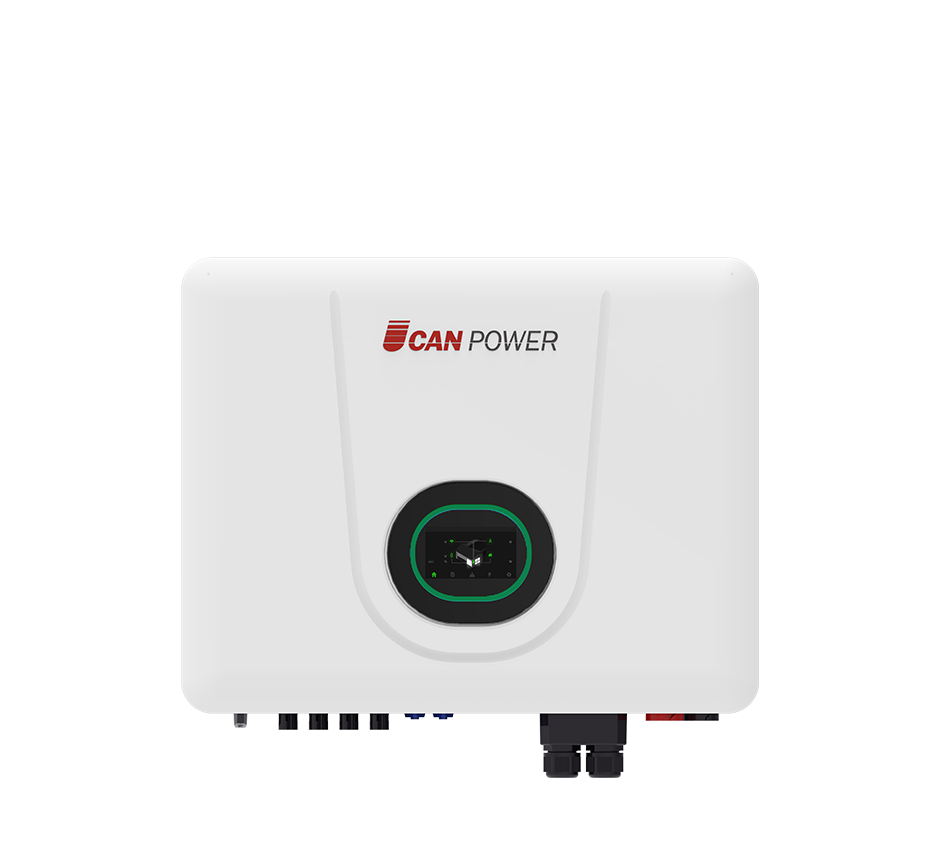
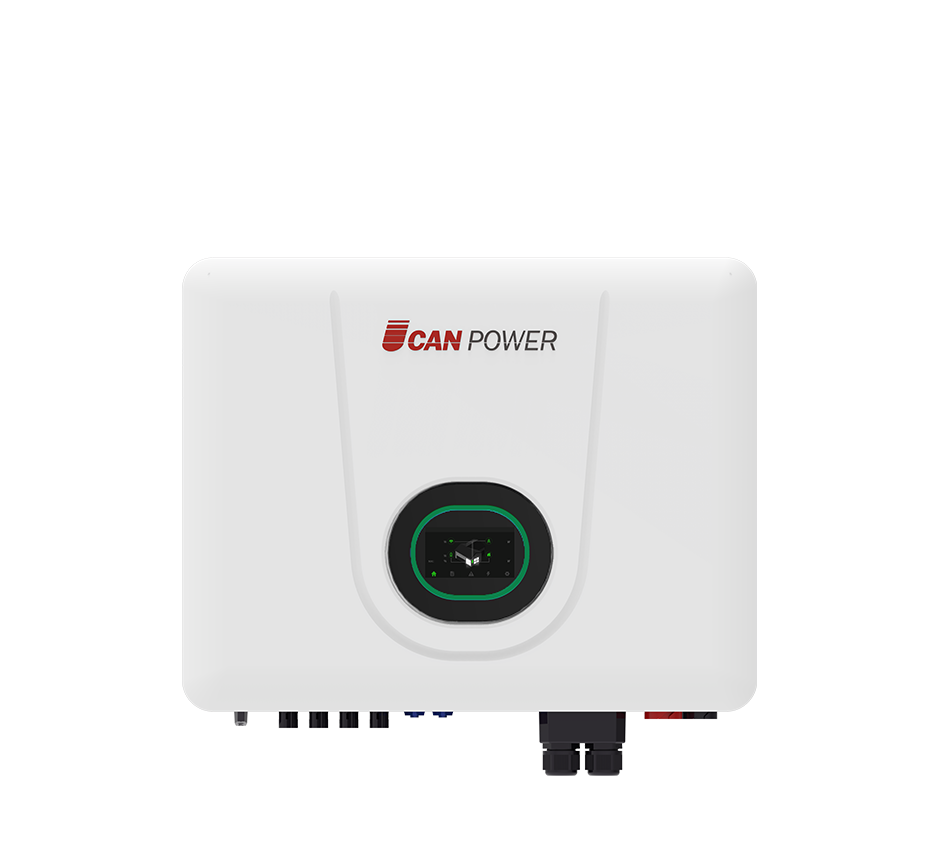
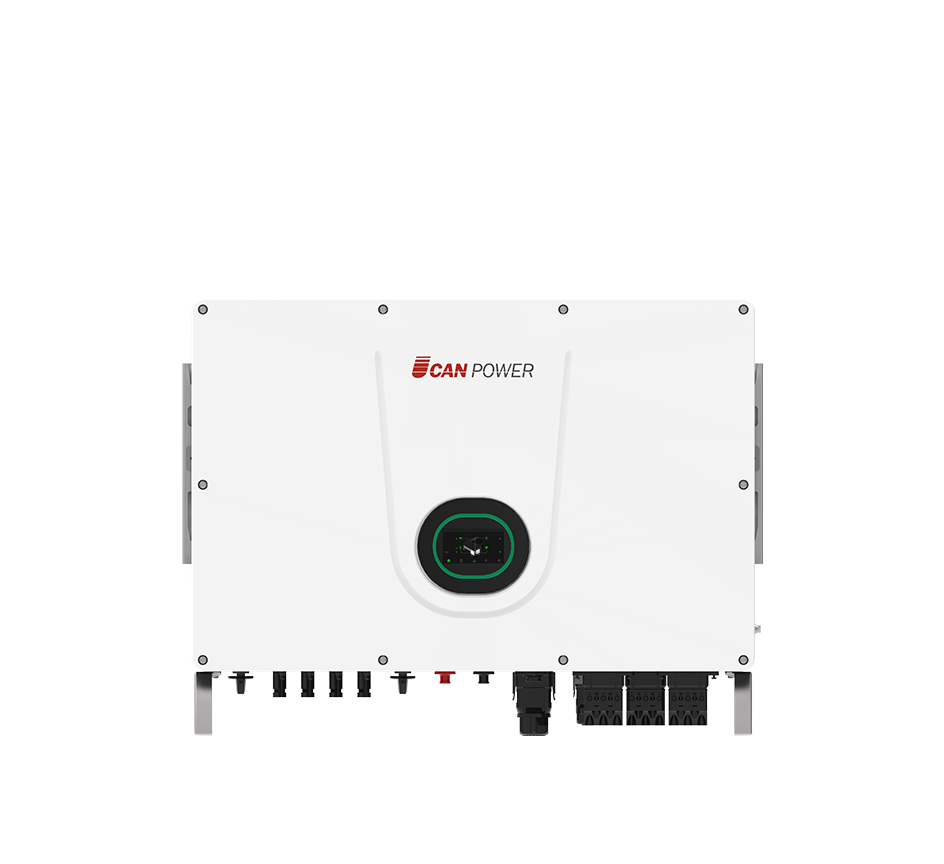
The system includes inverters and converters to convert the direct current (DC) output of the batteries and supercapacitors into alternating current (AC) for use in powering electrical loads or feeding back into the grid. Inverters also play a crucial role in regulating the voltage and frequency of the output power.
2. Charge Controllers
Charge controllers manage the charging and discharging of the batteries and supercapacitors. They ensure that the batteries are charged safely and efficiently and prevent overcharging or over-discharging. Charge controllers may also incorporate maximum power point tracking (MPPT) algorithms for solar panels or wind turbines.
3. Energy Management System (EMS)
The all in one energy storage system is equipped with an energy management system (EMS) that monitors and controls the entire system. The EMS optimizes the power flow between the different energy storage components, manages the charging and discharging of the batteries and supercapacitors, and coordinates with external power sources and loads.
III. Features of All in One Energy Storage System
A. Compact and Integrated Design
1. Space Saving
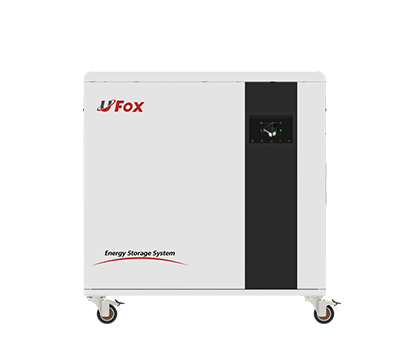
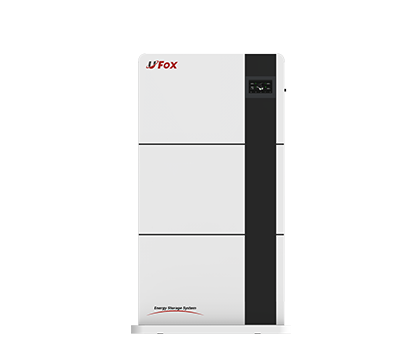
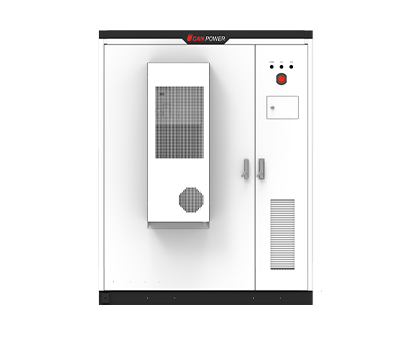
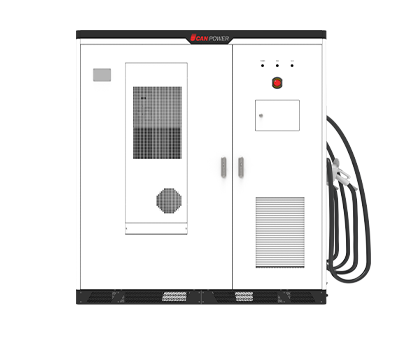
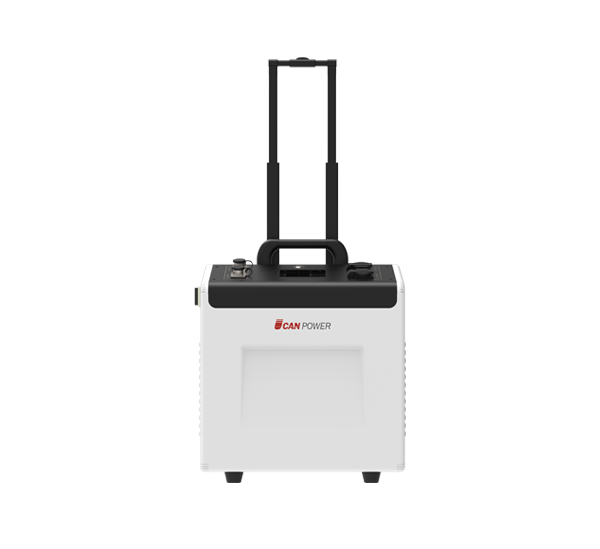
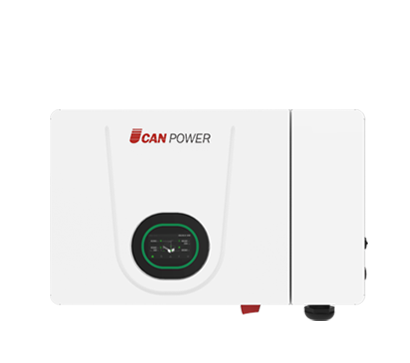
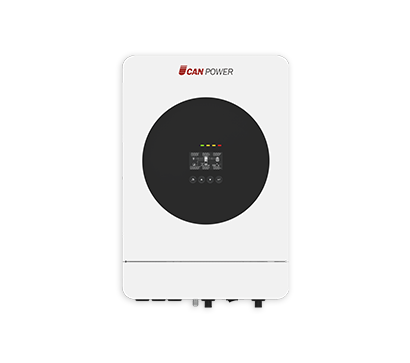
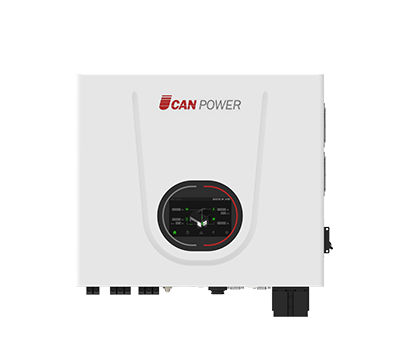
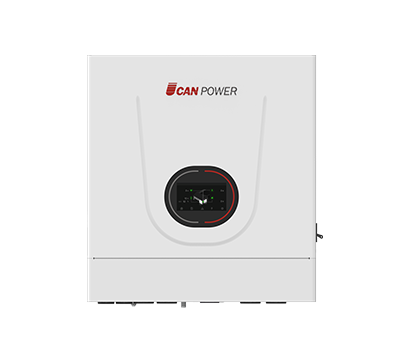
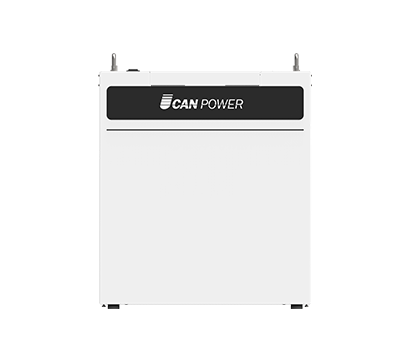
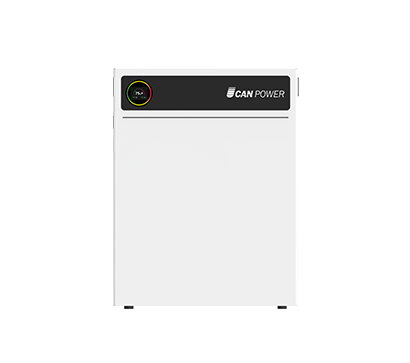
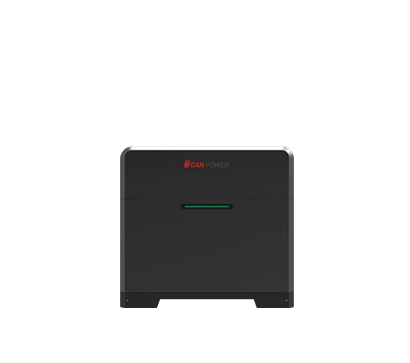
The all in one energy storage system is designed to be compact and integrated, taking up less space than traditional separate energy storage and power conversion systems. This makes it suitable for installation in limited spaces, such as homes, businesses, and mobile applications.
2. Easy Installation
The integrated design simplifies the installation process, reducing the time and cost required. The system can be pre-assembled and tested at the factory, ensuring reliable performance and minimizing on-site installation errors.
3. Aesthetically Pleasing
The compact and integrated design can also be aesthetically pleasing, making it more acceptable for installation in visible locations. This is particularly important for residential and commercial applications where appearance matters.
B. High Efficiency and Performance
1. Energy Conversion Efficiency
The all in one energy storage system is designed to have high energy conversion efficiency, minimizing losses during charging and discharging. This results in more efficient use of energy and lower operating costs.
2. Fast Response Time
The system can respond quickly to changes in power demand or supply, providing immediate backup power or grid stability services. This fast response time is crucial for maintaining reliable power supply and ensuring the safety and functionality of critical infrastructure.
3. Long Cycle Life
The combination of different energy storage technologies in the all in one system can result in a longer cycle life compared to single-technology systems. For example, the use of supercapacitors in conjunction with batteries can reduce the stress on the batteries and extend their lifespan.
C. Versatility and Customizability
1. Multiple Applications
The all in one energy storage system can be used in a wide range of applications, including residential, commercial, industrial, and utility-scale settings. It can provide backup power, peak shaving, grid stability, renewable energy integration, and other services.
2. Customizable Configurations
The system can be customized to meet the specific needs of different applications. For example, the size and capacity of the batteries and supercapacitors can be adjusted, and different power conversion and management options can be selected.
3. Expandability
The all in one energy storage system can be easily expanded by adding more energy storage modules or power conversion components. This allows for future growth and adaptation to changing energy requirements.
IV. Applications of All in One Energy Storage System
A. Residential Energy Storage
1. Solar Self-Consumption
In residential settings, the all in one energy storage system can be used to store excess solar energy generated during the day for use at night or during power outages. This increases the self-consumption of solar power, reducing reliance on the grid and saving on electricity bills.
2. Backup Power
The system can provide backup power during grid outages, ensuring a continuous supply of electricity for essential appliances and devices. This is particularly important in areas prone to power outages or for households with critical medical equipment.
3. Demand Charge Management
Residential users can use the all in one energy storage system to manage their peak demand charges by shifting their electricity usage to off-peak hours. This can result in significant savings on electricity bills.
B. Commercial and Industrial Energy Storage
1. Peak Shaving
Commercial and industrial facilities can use the all in one energy storage system to reduce their peak demand charges by storing energy during off-peak hours and discharging it during peak periods. This helps to lower electricity costs and improve energy efficiency.
2. Microgrids
The system can be integrated into microgrids for commercial and industrial campuses, providing reliable power supply, grid stability, and backup power. Microgrids can operate independently from the main grid or in conjunction with it, depending on the needs of the facility.
3. Renewable Energy Integration
Commercial and industrial users can use the all in one energy storage system to integrate renewable energy sources such as solar panels and wind turbines into their operations. The energy storage system can store excess renewable energy for use when the renewable source is not available, ensuring a continuous supply of clean power.
C. Utility-Scale Energy Storage
1. Grid Stabilization
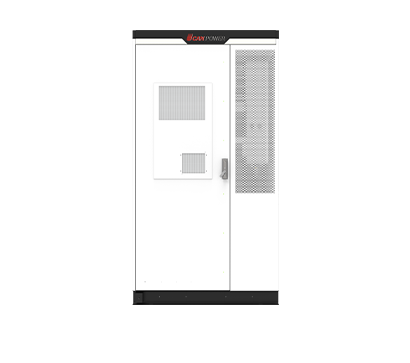
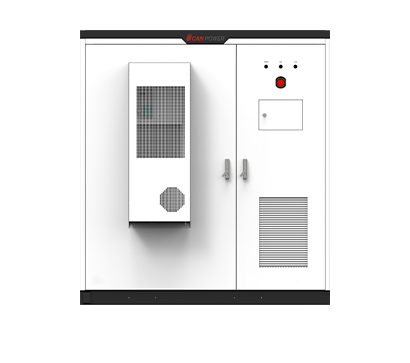
The all in one energy storage system can play a crucial role in stabilizing the power grid by providing frequency regulation, voltage support, and spinning reserve services. These services help to maintain the balance between power supply and demand and ensure the reliable operation of the grid.
2. Renewable Energy Integration
Utility-scale all in one energy storage systems can be used to store excess renewable energy generated during periods of high production and release it when needed, reducing the intermittency of renewable sources and improving grid integration.
3. Demand Response
Utilities can use the all in one energy storage system to participate in demand response programs, where they can remotely control the charging and discharging of the storage system to respond to changes in power demand. This helps to manage peak demand and reduce the need for new power generation capacity.
V. Future Prospects of All in One Energy Storage System
A. Technological Advancements
1. Improved Energy Storage Technologies
Research and development efforts are ongoing to improve the performance and cost-effectiveness of energy storage technologies. This includes the development of new battery chemistries, supercapacitor materials, and thermal energy storage solutions. These advancements will lead to higher energy density, longer cycle life, and faster charging and discharging capabilities, making the all in one energy storage system even more efficient and reliable.
2. Integration with Smart Grids
The all in one energy storage system will increasingly be integrated with smart grids, enabling real-time monitoring and control of power flow. Smart grid technologies such as advanced metering infrastructure (AMI), demand response systems, and energy management software will allow for more efficient use of energy storage and better coordination with other grid components.
3. Hybrid Energy Storage Systems
The combination of different energy storage technologies in the all in one system will continue to evolve. Hybrid systems that combine batteries, supercapacitors, and thermal energy storage will offer even more flexibility and performance, providing a comprehensive solution for energy management.
B. Market Growth and Adoption
1. Increasing Demand for Renewable Energy
The growing demand for renewable energy sources such as solar and wind power is driving the need for energy storage solutions to manage the intermittency of these sources. The all in one energy storage system offers a convenient and efficient way to integrate renewable energy into the grid and provide reliable power supply.
2. Government Incentives and Policies
Governments around the world are implementing policies and incentives to promote the adoption of energy storage systems. This includes subsidies, tax credits, and feed-in tariffs for energy storage systems, as well as regulations that require utilities to incorporate energy storage into their grid operations. These policies will drive the growth and adoption of the all in one energy storage system.
3. Cost Reduction
As the technology matures and economies of scale are achieved, the cost of the all in one energy storage system is expected to decline. This will make it more accessible to a wider range of users and accelerate its adoption in various applications.
C. Environmental and Social Impact
1. Reduced Carbon Emissions
The all in one energy storage system can help reduce carbon emissions by enabling the increased use of renewable energy sources and improving the efficiency of the power grid. By storing excess renewable energy and releasing it when needed, the system can reduce the reliance on fossil fuel-based power generation and lower greenhouse gas emissions.
2. Energy Independence and Resilience
The all in one energy storage system can provide energy independence and resilience to communities and businesses, reducing their reliance on the grid and ensuring a reliable power supply during emergencies. This can enhance the security and stability of the energy supply and contribute to the overall well-being of society.
3. Job Creation and Economic Growth
The development and deployment of the all in one energy storage system will create jobs in manufacturing, installation, maintenance, and research and development. This will stimulate economic growth and drive innovation in the energy sector, contributing to a more sustainable and prosperous future.
VI. Conclusion
The all in one energy storage system represents a significant advancement in energy management. By integrating multiple energy storage technologies and functions into a single unit, it provides a compact, efficient, and versatile solution for managing energy. With its high efficiency, fast response time, and customizable features, the all in one energy storage system is well-suited for a wide range of applications, from residential to utility-scale. As technological advancements continue and market adoption grows, this innovative system has the potential to transform the energy landscape and contribute to a more sustainable and reliable energy future.




 German
 Italian
 Japanese
 Global (English)
 Chinese
 Spanish
 French


