

1. Introduction
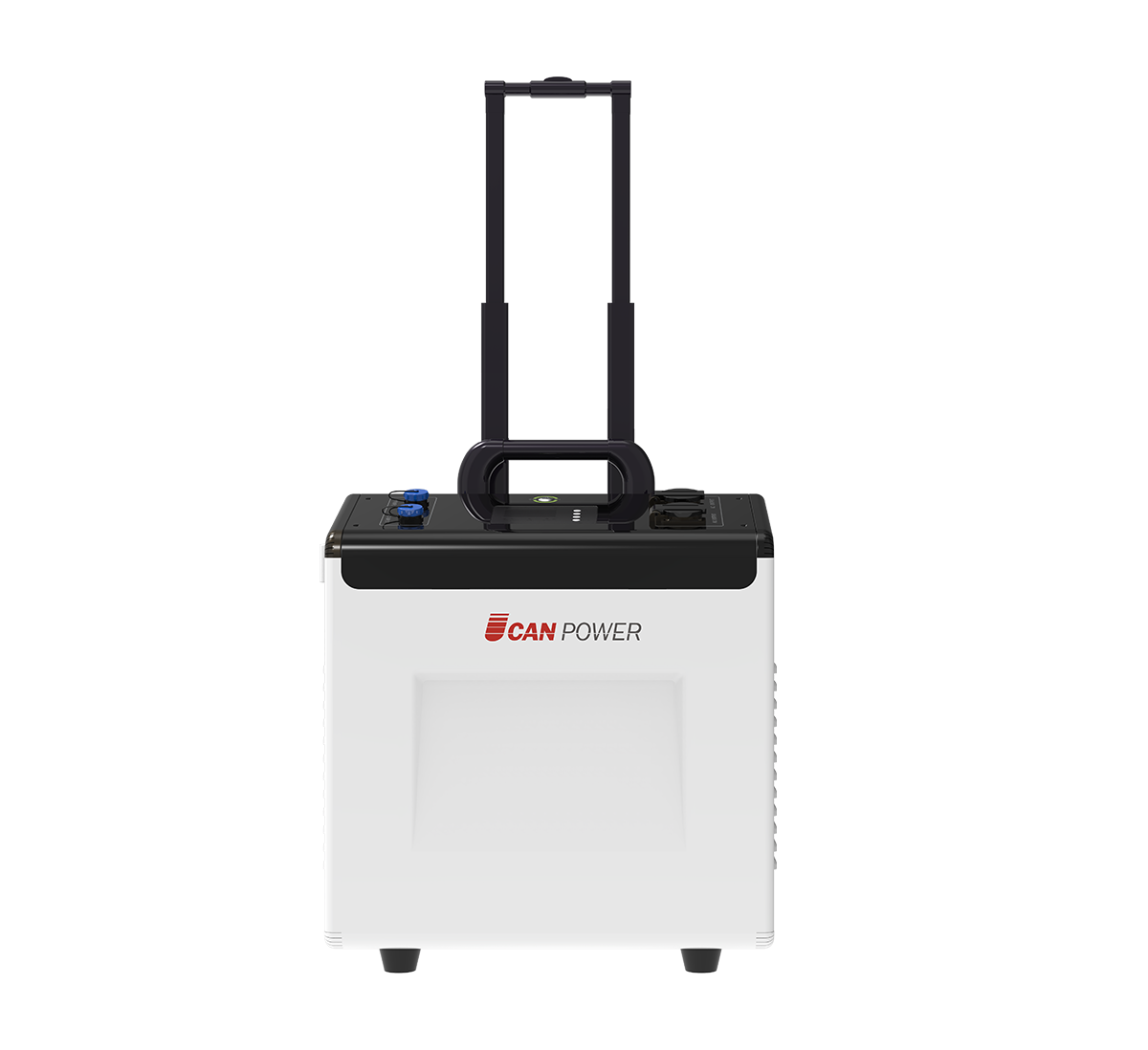
In the pursuit of a more sustainable and reliable energy future, all in one energy storage systems that combine solar power generation and lithium ion battery storage have emerged as a revolutionary solution. These integrated systems are designed to simplify the process of harnessing solar energy and storing it for later use, making them an attractive option for a wide range of applications, from residential rooftops to large scale industrial and utility scale installations. This article delves into the technical aspects, applications, benefits, challenges, and future prospects of all in one energy storage systems with solar and lithium ion batteries.
2. Technical Details of All in One Energy Storage Systems
2.1 Solar Power Generation Components
2.1.1 Solar Panel Types and Characteristics
All in one energy storage systems typically incorporate solar panels as the primary source of energy. There are several types of solar panels available, each with its own characteristics. Monocrystalline solar panels are made from a single crystal of silicon. This uniform structure allows for efficient electron movement, resulting in high energy conversion efficiencies, usually ranging from 20% to 25%. Monocrystalline panels are known for their sleek black appearance and relatively high power to area ratio, making them suitable for applications where space is limited.
Polycrystalline solar panels, on the other hand, are composed of multiple silicon crystals. While their conversion efficiencies are generally slightly lower, in the range of 15% to 20%, they are often more cost effective to produce. The manufacturing process for polycrystalline panels is less complex, which contributes to their lower cost. These panels are a popular choice for large scale solar installations where cost effectiveness is a crucial factor.
Thin film solar panels represent another category. These panels are made by depositing a thin layer of photovoltaic material, such as amorphous silicon, cadmium telluride (CdTe), or copper indium gallium selenide (CIGS), onto a substrate. Thin film panels are lightweight and flexible, which makes them suitable for a variety of applications, including building integrated photovoltaics (BIPV). Amorphous silicon thin film panels are relatively inexpensive but have lower conversion efficiencies, typically around 7% to 13%. However, CdTe and CIGS thin film panels have shown significant potential, with conversion efficiencies reaching up to 20% in some cases.
2.1.2 Maximum Power Point Tracking (MPPT)
Maximum Power Point Tracking (MPPT) is an essential feature in all in one energy storage systems. Solar panels operate most efficiently at a specific voltage current combination known as the maximum power point (MPP). However, factors such as sunlight intensity, temperature, and panel orientation can cause the MPP to vary. MPPT algorithms are designed to continuously monitor the voltage and current output of the solar panels and adjust the load impedance to ensure that the panels operate at the MPP.
One of the most common MPPT algorithms is the perturb and observe (P&O) algorithm. This algorithm periodically perturbs the operating voltage of the solar panel and observes the change in power output. If the power increases, the perturbation is continued in the same direction; otherwise, it is reversed. This iterative process allows the system to track the MPP under changing conditions. Other algorithms, such as the incremental conductance algorithm, offer more precise tracking but may be more complex to implement. The implementation of MPPT can significantly improve the overall efficiency of the solar power generation component of the all in one system, increasing the amount of electricity generated from the same amount of sunlight.
2.2 Lithium Ion Battery Storage Components
2.2.1 Battery Chemistries and Their Properties
Lithium ion batteries are the most commonly used energy storage technology in all in one energy storage systems. There are several lithium ion battery chemistries, each with its own set of properties. Lithium cobalt oxide (LiCoO₂) batteries were among the first lithium ion chemistries developed. They offer high energy density, which means they can store a large amount of energy in a relatively small volume. However, LiCoO₂ batteries have some drawbacks, such as a relatively short cycle life and safety concerns related to cobalt, which is expensive and has ethical and environmental issues associated with its mining.
Lithium nickel manganese cobalt (NMC) batteries have gained popularity in recent years. They offer a good balance between energy density, power density, and cycle life. NMC batteries can provide high power output, making them suitable for applications where rapid charging and discharging are required. Lithium iron phosphate (LiFePO₄) batteries are known for their high thermal stability and long cycle life. They are a safer option compared to some other lithium ion chemistries and are often used in applications where safety and long term reliability are crucial, such as in off grid energy storage systems.
2.2.2 Battery Management System (BMS)
A Battery Management System (BMS) is an integral part of the lithium ion battery storage component in all in one energy storage systems. The BMS plays a crucial role in ensuring the safe and efficient operation of the battery. It continuously monitors various parameters of the battery, including voltage, current, temperature, and state of charge (SoC). By monitoring the voltage of each cell in the battery pack, the BMS can detect any cell imbalances. Cell imbalances can occur over time due to manufacturing variations and differences in usage patterns. If left unaddressed, cell imbalances can lead to premature aging of the battery and reduced overall performance.
The BMS also monitors the battery's temperature. Lithium ion batteries have an optimal operating temperature range, and deviations from this range can affect their performance and lifespan. In case of overheating, the BMS can take measures such as reducing the charging or discharging current or activating a cooling system. Additionally, the BMS calculates the SoC of the battery, which is essential for determining how much energy is available in the battery and for optimizing its charging and discharging strategies. The BMS also provides protection against over charging, over discharging, over current, and short circuit conditions, ensuring the safety and longevity of the battery.
2.3 Integration of Solar and Battery Components
2.3.1 DC Coupled vs. AC Coupled Systems
In all in one energy storage systems, there are two main ways to integrate the solar and battery components: DC coupled and AC coupled systems. In a DC coupled system, the solar panels are directly connected to the battery through a charge controller. The charge controller regulates the flow of electricity from the solar panels to the battery, ensuring that the battery is charged safely and efficiently. The inverter in a DC coupled system is then used to convert the DC power from the battery into AC power for use in the connected loads. DC coupled systems are generally more efficient in terms of energy transfer, as there is only one conversion step from DC to AC.
In an AC coupled system, the solar panels are connected to the grid tied inverter first, which converts the DC power from the solar panels into AC power. The AC power can then be used to power the connected loads or fed into the grid. The battery storage system in an AC coupled system is connected to the AC side of the inverter through a separate bidirectional inverter. This bidirectional inverter can charge the battery when there is excess AC power available and discharge the battery to supply power to the loads when needed. AC coupled systems offer more flexibility in terms of component selection and system configuration, as the solar panels and battery can be sourced from different manufacturers and integrated more easily.
2.3.2 Power Electronics and Control Systems
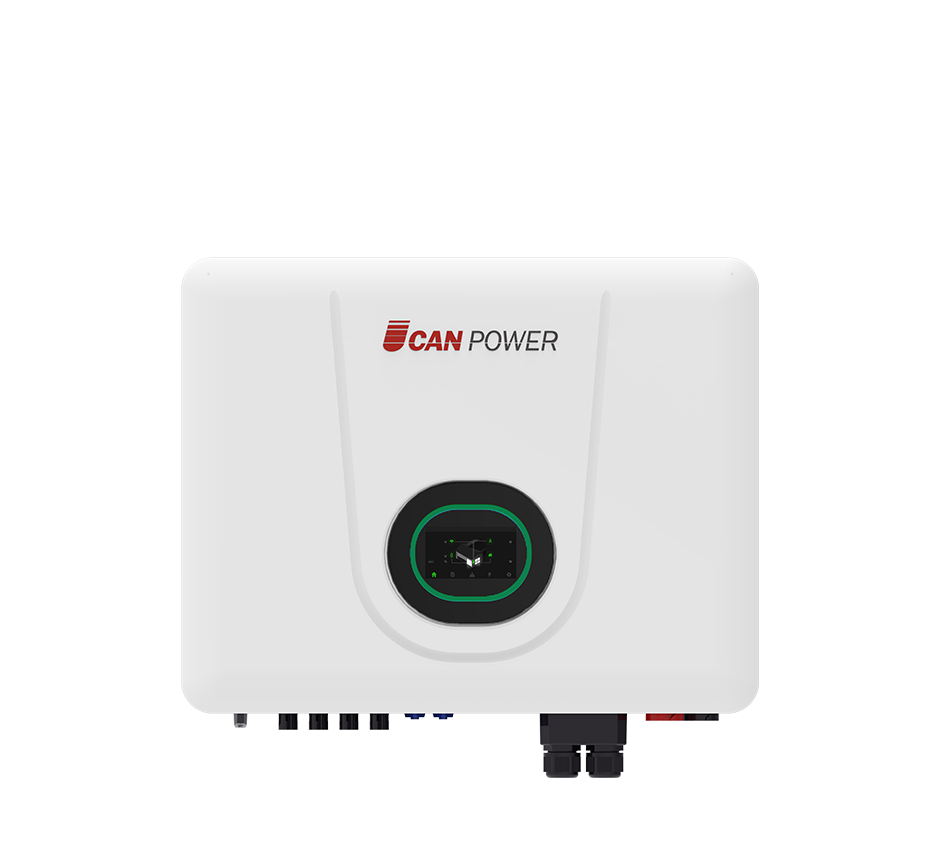
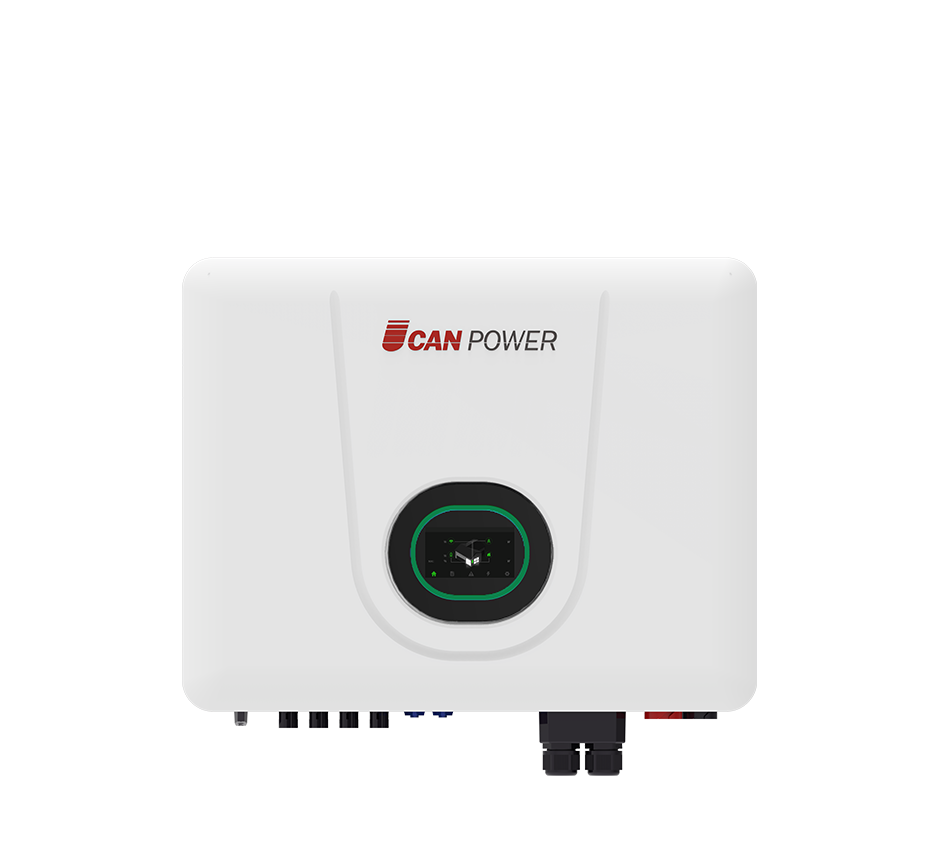
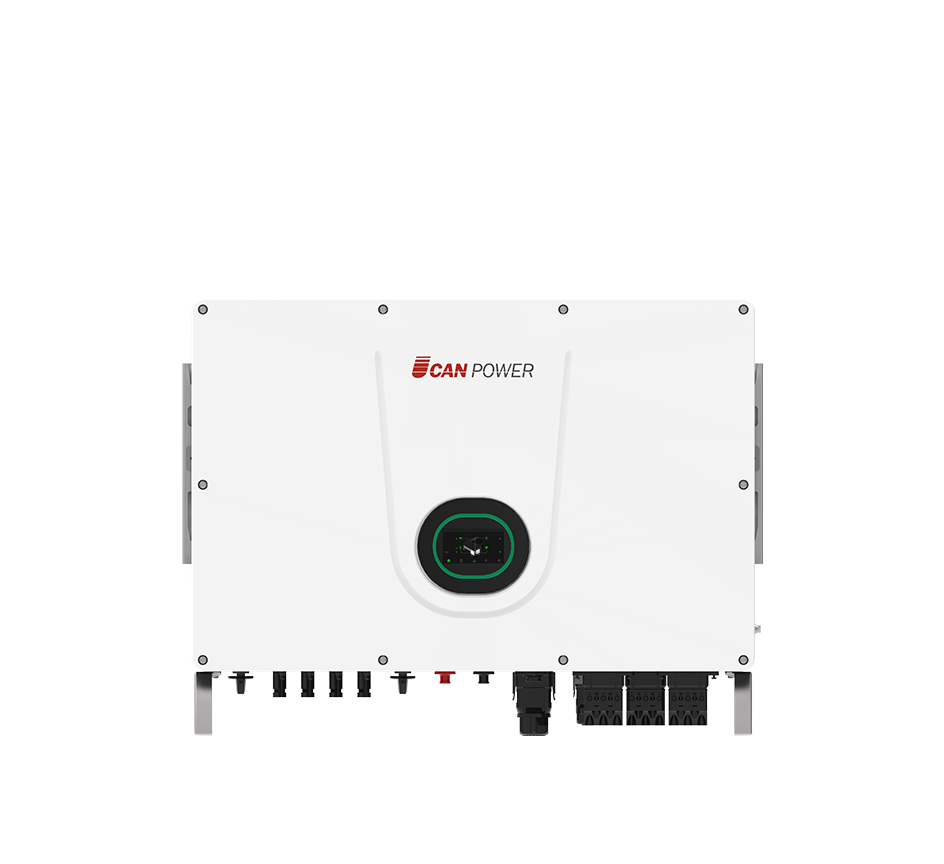
The integration of solar and battery components in all in one energy storage systems requires sophisticated power electronics and control systems. The power electronics components, such as inverters, charge controllers, and bidirectional converters, are responsible for regulating the flow of electricity between the solar panels, the battery, and the connected loads. The control systems, on the other hand, are responsible for coordinating the operation of these power electronics components.
For example, the control system can determine when to charge the battery from the solar panels, when to discharge the battery to power the loads, and when to switch between different power sources. It can also optimize the operation of the system based on factors such as the state of charge of the battery, the availability of sunlight, and the power demand of the connected loads. In addition, the control system can communicate with other components in the system, such as smart meters and energy management systems, to provide real time information about the system's performance and to enable remote monitoring and control.
3. Applications of All in One Energy Storage Systems
3.1 Residential Applications
3.1.1 Energy Independence and Cost Savings
In residential settings, all in one energy storage systems offer homeowners the opportunity to achieve greater energy independence. By generating their own electricity from solar panels and storing it in lithium ion batteries, homeowners can reduce their reliance on grid supplied electricity. This is particularly beneficial in areas with high electricity costs or unreliable grid service.
During the day, when solar panels are generating more electricity than the household is consuming, the excess energy is stored in the lithium ion battery. In the evening or at night, when solar generation is low or non existent, the stored energy in the battery can be used to power the home. This not only reduces the amount of electricity purchased from the grid but also helps homeowners avoid peak rate charges. In some regions, homeowners can even earn revenue by exporting excess solar energy stored in the battery back to the grid through net metering programs.
3.1.2 Backup Power During Outages
Another significant application in residential areas is the provision of backup power during grid outages. Natural disasters, such as hurricanes, earthquakes, or severe storms, can disrupt the electrical grid, leaving households without power for extended periods. An all in one energy storage system can serve as a reliable backup power source. When the grid goes down, the system automatically switches to battery powered mode, ensuring that essential appliances, such as refrigerators, lighting, and medical equipment (if applicable), can continue to operate. This provides homeowners with a sense of security and helps maintain a normal living environment during challenging times.
3.2 Commercial Applications
3.2.1 Industrial Manufacturing Plants
Industrial manufacturing plants often have high and variable energy demands. All in one energy storage systems can help these plants optimize their energy consumption and reduce costs. Solar panels can be installed on the rooftops or in open areas of the plant to generate electricity. The lithium ion battery storage system can store excess solar energy during periods of low energy demand and supply power during peak demand periods.
For example, in a manufacturing plant that operates large scale machinery, the energy demand can fluctuate significantly. By using solar generated and battery stored energy during peak demand hours, the plant can avoid paying high peak demand charges. In addition, the ability to rely on solar and battery power during grid outages can prevent production disruptions, which can be costly in terms of lost productivity and potential damage to products and equipment.
3.2.2 Commercial Buildings and Offices
Commercial buildings and offices can also benefit from all in one energy storage systems. These buildings typically consume a large amount of electricity for lighting, heating, ventilation, and air conditioning (HVAC) systems, as well as office equipment. By installing an all in one energy storage system, commercial property owners can reduce their electricity bills and enhance their environmental sustainability.
Solar generated electricity can be used to power the building during the day, and the battery can store excess energy for use during periods of high demand or when the grid is experiencing instability. In addition, some commercial buildings may be eligible for incentives, such as tax credits or rebates, for installing solar storage systems, further reducing the overall cost and increasing the return on investment.
3.3 Grid Scale Applications
3.3.1 Grid Stability and Frequency Regulation
At the grid scale, all in one energy storage systems play a crucial role in maintaining grid stability and frequency regulation. Solar power generation is intermittent, and sudden changes in sunlight intensity can cause fluctuations in the power injected into the grid. Lithium ion battery storage systems in all in one setups can act as a buffer, storing excess solar energy during periods of high generation and releasing it during periods of low generation.
This helps to smooth out the power output from solar installations and reduce the impact of solar intermittency on the grid. In addition, lithium ion batteries can quickly respond to changes in grid frequency. During periods of high demand and low generation, the batteries can discharge power into the grid to increase the frequency. Conversely, when there is an excess of power generation and the frequency is rising, the batteries can absorb the excess power, helping to stabilize the grid frequency.
3.3.2 Energy Arbitrage and Peak Shaving
Grid scale all in one energy storage systems can also be used for energy arbitrage and peak shaving. Energy arbitrage involves buying electricity at a low price (e.g., during off peak hours) and selling it at a high price (e.g., during peak rate hours). The lithium ion batteries in the all in one system can be charged during off peak hours when electricity prices are low and discharged during peak rate hours, allowing grid operators to take advantage of the price differential and generate revenue.
Peak shaving, on the other hand, involves reducing the peak power demand on the grid. By using the stored energy in lithium ion batteries during peak demand periods, grid operators can avoid having to build additional generation capacity to meet the short term peak demand. This not only reduces the cost of grid expansion but also improves the overall efficiency of the grid.
4. Benefits of All in One Energy Storage Systems
4.1 Enhanced Energy Reliability
4.1.1 Uninterrupted Power Supply
The combination of solar power generation and lithium ion battery storage in all in one energy storage systems provides an enhanced level of energy reliability. In both residential, commercial, and grid scale applications, the ability to store solar energy in lithium ion batteries ensures a continuous power supply even during periods of low sunlight or grid outages.
For example, in a remote village with an all in one energy storage system, the system can provide electricity to the community around the clock, regardless of weather conditions or grid disruptions. In a commercial data center, the all in one system can ensure that servers and other critical IT infrastructure continue to operate without interruption, protecting against data loss and service disruptions.
4.1.2 Grid Support and Resilience
All in one energy storage systems also contribute to grid support and resilience. By smoothing out the power output from solar installations and providing frequency regulation services, these systems help to maintain the stability of the grid. In addition, in areas with a high penetration of solar energy, the presence of lithium ion battery storage in all in one systems can reduce the risk of grid instability caused by the intermittent nature of solar power.
Grid scale all in one energy storage systems can also act as a backup power source for the grid during emergencies. In the event of a major power plant failure or a natural disaster that affects the grid, the stored energy in the batteries can be used to supply power to critical loads, such as hospitals, emergency services, and water treatment plants, ensuring the continued functioning of essential services.
4.2 Cost Savings
4.2.1 Reduced Electricity Bills
One of the most immediate benefits for end users is the reduction in electricity bills. By generating their own electricity from solar panels and using stored energy during peak rate hours, residential and commercial customers can significantly reduce their reliance on grid supplied electricity. This is especially true in areas with high electricity prices or time of use tariffs, where the cost of electricity can vary significantly depending on the time of day.
For example, a commercial building that operates during business hours and has high electricity consumption during peak rate hours can save a substantial amount of money by using solar generated and battery stored energy instead of relying solely on grid supplied electricity. In addition, some regions offer incentives, such as net metering credits or feed in tariffs, which further increase the cost savings for customers with all in one energy storage systems.
4.2.2 Lower Grid Infrastructure Costs
At the grid scale, the integration of solar power generation and lithium ion battery storage in all in one energy storage systems can lead to lower grid infrastructure costs. By reducing the peak power demand on the grid through peak shaving and energy arbitrage, grid operators can avoid the need to build additional generation capacity and transmission and distribution infrastructure to meet short term peak demand.
This can result in significant cost savings for utilities and ultimately for consumers. In addition, the improved grid stability provided by all in one energy storage systems can reduce the frequency of grid failures and associated repair costs, further contributing to overall cost savings in the energy sector.
4.3 Environmental Sustainability
4.3.1 Reduced Carbon Emissions
The use of all in one energy storage systems is a significant step towards environmental sustainability. Solar energy is a clean and renewable energy source that produces no greenhouse gas emissions during operation. By relying more on solar generated electricity and storing it in lithium ion batteries, both residential and commercial customers can significantly reduce their carbon footprints.
Even when the battery is charged using grid supplied electricity during off peak hours, if the grid mix includes a significant proportion of renewable energy sources, the overall carbon emissions are still lower compared to continuous reliance on grid power. This reduction in carbon emissions helps combat climate change and contributes to a cleaner and more sustainable environment.
4.3.2 Energy Conservation
All in one energy storage systems also promote energy conservation. Solar power generation often exceeds the immediate demand during peak sunlight hours. Without energy storage, this excess solar energy would be wasted. Lithium ion battery storage systems in all in one setups capture and store this surplus energy, allowing it to be used when the sun is not shining or when the demand exceeds the solar generation.
This efficient use of energy resources minimizes the need for additional energy generation from non renewable sources. By conserving energy, we reduce the strain on natural resources such as coal, oil, and gas, which are finite and environmentally damaging to extract and use. In addition, energy conservation also helps
reduce the environmental impact associated with energy production, such as air and water pollution, and land degradation.
5. Challenges in All in One Energy Storage Systems
5.1 High Initial Costs
5.1.1 Cost Components
The high initial cost of all in one energy storage systems is a major obstacle to their widespread adoption. The cost of solar panels, despite a decreasing trend over the years, still represents a significant portion of the total investment. High efficiency solar panels, like monocrystalline or advanced thin film varieties, come at a premium due to their complex manufacturing processes and the use of high quality materials. For instance, the production of monocrystalline silicon wafers requires precise control and advanced technology, which contributes to their relatively high cost.
Lithium ion battery storage systems also add a substantial expense. The cost of raw materials, including lithium, cobalt (in some chemistries), nickel, and other components, has a direct impact on the price of the batteries. Moreover, the manufacturing of battery cells and the associated Battery Management System (BMS) involves sophisticated techniques and high tech equipment, further driving up the cost. Additionally, the power electronics components such as inverters, charge controllers, and bidirectional converters, which are essential for the proper functioning of the all in one system, are not inexpensive. These components require specialized design and production processes to ensure efficient and reliable operation.
The installation costs of all in one energy storage systems should not be overlooked. Professional installation is often necessary to ensure proper connection of solar panels, batteries, and power electronics components. This includes tasks such as wiring, grounding, and ensuring compliance with safety regulations. Installation in remote areas may incur additional costs due to transportation and logistical challenges. In some cases, site preparation, such as ensuring proper structural support for solar panels on rooftops or constructing a suitable foundation for ground mounted installations, can also add to the overall cost.
5.1.2 Cost Reduction Strategies
To address the high initial cost issue, several strategies are being pursued. Technological advancements are playing a crucial role in reducing the cost of solar panels. New manufacturing techniques are being developed to increase production efficiency and lower the cost per watt of power generation. For example, improvements in the production of polycrystalline solar panels have led to higher yields and reduced material waste, making them more cost effective. In the case of thin film solar panels, research is focused on finding more efficient deposition methods and improving the performance of the photovoltaic materials, which could potentially lead to cost savings.
In the lithium ion battery sector, efforts are underway to develop alternative chemistries that use less expensive and more abundant raw materials. For instance, lithium iron phosphate (LiFePO₄) batteries, which do not contain cobalt, are becoming more popular due to their relatively lower cost and good performance. Additionally, the growing scale of battery production is enabling economies of scale, which in turn reduces the cost per unit. As more manufacturers enter the market and production volumes increase, the cost of lithium ion batteries is expected to decline further.
For power electronics components, standardization of designs and components can simplify the manufacturing process and reduce costs. Industry wide cooperation in developing common standards for inverters, charge controllers, and other components can lead to increased competition and lower prices. In addition, governments and non profit organizations are offering financial incentives such as subsidies, tax credits, and grants to promote the adoption of all in one energy storage systems. These incentives can significantly reduce the upfront cost for end users, making the technology more accessible.
5.2 Battery Related Challenges
5.2.1 Limited Battery Lifespan
The lifespan of lithium ion batteries in all in one energy storage systems is a critical concern. Multiple factors can affect the battery's lifespan. The number of charge discharge cycles is a primary factor. With each cycle, the battery experiences a gradual degradation in capacity. The depth of discharge (DoD) also plays a significant role. Deeper discharges generally lead to more rapid capacity loss. For example, if a lithium ion battery in an all in one system is regularly discharged to a very low state of charge, its lifespan will be shorter compared to a battery that is only discharged to a moderate level.
Temperature is another crucial factor. High temperatures can accelerate the chemical reactions within the battery, leading to more rapid degradation. In hot climates or in applications where the battery is exposed to high ambient temperatures, proper thermal management is essential. On the other hand, extremely low temperatures can also impact the battery's performance and lifespan. In cold conditions, the lithium ion mobility in the electrolyte decreases, reducing the battery's ability to charge and discharge efficiently.
5.2.2 Battery Replacement Costs
When the lithium ion battery reaches the end of its lifespan, the cost of replacement can be substantial. As mentioned earlier, lithium ion batteries are relatively expensive, and replacing a large capacity battery bank in an all in one energy storage system can be a significant financial burden. In addition, the disposal of old batteries also poses environmental challenges. Lithium ion batteries contain toxic materials such as lithium, cobalt, and nickel, which need to be properly recycled or disposed of to prevent environmental pollution.
5.2.3 Strategies to Address Battery Related Challenges
To mitigate the issue of limited battery lifespan, proper battery management is essential. The BMS plays a crucial role in this regard. It can monitor and control the charging and discharging process to ensure that the battery operates within safe limits. For example, the BMS can prevent over charging and over discharging, adjust the charging rate based on the battery's temperature, and balance the charge among individual battery cells. In addition, using battery chemistries with longer cycle life, such as LiFePO₄ batteries, can be a solution. These batteries are known for their high thermal stability and long lifespan, making them more suitable for applications where long term reliability is required.
For the issue of battery replacement costs, some manufacturers are exploring battery leasing models. Under these models, customers lease the battery rather than purchasing it outright. This can reduce the upfront cost and also shift the responsibility of battery replacement and disposal to the leasing company. In addition, recycling programs for lithium ion batteries are being developed to recover valuable materials such as lithium, cobalt, and nickel. Recycling can not only reduce the environmental impact but also potentially offset some of the costs of new battery production by providing a source of recycled materials.
5.3 System Integration Complexity
5.3.1 Compatibility Issues
Integrating solar panels, lithium ion batteries, and power electronics components in all in one energy storage systems can be complex due to compatibility issues. Solar panels come in various sizes, power ratings, and electrical characteristics. The voltage and current output of the solar panels need to be compatible with the input requirements of the charge controller and inverter. If there is a mismatch, it can lead to inefficient power transfer, reduced system performance, and even damage to the components.
Similarly, the lithium ion battery's voltage, capacity, and charging discharging characteristics should match the capabilities of the charge controller and inverter. Different manufacturers' products may not be fully compatible, especially if they use proprietary communication protocols or have non standard electrical interfaces. This lack of compatibility can make it difficult for users to mix and match components from different suppliers, limiting their options and potentially increasing the cost.
5.3.2 Installation and Commissioning Challenges
The installation and commissioning of all in one energy storage systems also pose challenges. The installation process requires knowledge of electrical engineering principles, safety regulations, and the specific requirements of the solar panels, batteries, and power electronics components. Incorrect installation of components, such as improper wiring or grounding, can lead to electrical hazards, system failures, and reduced performance.
During commissioning, ensuring that all components are working together seamlessly can be a complex task. The control system needs to be properly configured to communicate with the solar panels, battery, and power electronics components. This may involve setting parameters such as the maximum power point tracking settings, battery charging and discharging limits, and grid synchronization settings (if applicable). Any errors in configuration can result in sub optimal system performance or even system malfunctions.
5.3.3 Solutions for System Integration
To address the system integration challenges, industry wide standards are being developed. These standards aim to ensure compatibility between different manufacturers' products. For example, standards for the electrical interfaces, communication protocols, and performance requirements of solar panels, batteries, and power electronics components are being established. This will make it easier for users to select and integrate components from different suppliers, promoting competition and potentially reducing costs.
In addition, training programs are being offered to installers and technicians to improve their skills in installing and commissioning all in one energy storage systems. These programs cover topics such as electrical safety, system design, component installation, and system configuration. By having a well trained workforce, the quality of installations and commissioning can be improved, reducing the likelihood of system failures and performance issues.
6. Future Trends and Outlook
6.1 Technological Advancements
6.1.1 Smart and Integrated Energy Management Systems
The future of all in one energy storage systems is likely to see the development of smart and integrated energy management systems. These systems will be able to communicate with various components in the home, building, or grid, and optimize the use of solar energy and battery storage. For example, smart energy management systems can analyze the energy consumption patterns of the connected loads and adjust the charging and discharging of the battery accordingly. They can also communicate with the grid to participate in demand response programs, where the system can reduce its power consumption during peak demand periods in exchange for financial incentives.
In addition, these systems may be integrated with other smart home or building automation systems, such as lighting control, HVAC control, and security systems. This integration can further enhance the energy efficiency and comfort of the living or working environment. For instance, the energy management system can coordinate with the HVAC system to adjust the temperature based on the available solar energy and battery charge, reducing the overall energy consumption.
6.1.2 New Battery Technologies and Materials
Research and development efforts are focused on developing new battery technologies and materials for all in one energy storage systems. One area of research is the development of solid state batteries. Solid state batteries use solid electrolytes instead of the liquid or gel based electrolytes found in traditional lithium ion batteries. This offers several advantages, including higher energy density, improved safety, and longer cycle life. Solid state batteries have the potential to revolutionize the energy storage industry by providing more efficient and reliable energy storage solutions for all in one systems.
Another area of focus is the use of new materials in battery electrodes. For example, researchers are exploring the use of silicon based anodes in lithium ion batteries. Silicon has a much higher theoretical lithium storage capacity compared to traditional graphite anodes. However, challenges such as volume expansion during charging and discharging need to be overcome. If successful, the use of silicon based anodes could significantly increase the energy density of lithium ion batteries, leading to smaller and more powerful battery storage systems for all in one applications.
6.2 Market Growth and Expansion
6.2.1 Increasing Adoption in Developing Countries
The market for all in one energy storage systems is expected to experience significant growth, especially in developing countries. In many developing regions, access to reliable grid electricity is limited, and there is a growing demand for sustainable energy solutions. The combination of solar power generation and lithium ion battery storage in all in one systems provides a viable option for meeting this demand.
For example, in sub Saharan Africa, there is a push to provide electricity to rural communities. All in one energy storage systems can be easily installed in these communities, providing a reliable source of power for lighting, water pumping, and small scale businesses. In Asia, countries like India and Indonesia are also investing in renewable energy projects, and all in one energy storage systems are expected to play a crucial role in these initiatives. The growth in developing countries will not only drive the expansion of the market but also lead to the development of more cost effective and region specific solutions.
6.2.2 Expansion into New Application Areas
All in one energy storage systems are also likely to expand into new application areas. One such area is the off grid electric vehicle (EV) charging infrastructure. As the use of EVs increases, even in remote areas, there is a need for off grid charging stations. All in one energy storage systems can be used to power these charging stations. The solar panels can generate electricity, which is stored in the lithium ion battery and then used to charge the EVs. This not only provides a sustainable solution for EV charging but also helps to reduce the dependence on grid supplied electricity.
In the marine industry, all in one energy storage systems can be used to power electric boats and ships. The ability to generate and store solar energy on board can provide a reliable and clean power source for marine vessels. This can reduce the use of fossil fuels in the marine sector, leading to lower emissions and a more sustainable marine environment. The expansion into these new application areas will further drive the growth of the market for all in one energy storage systems.
6.3 Regulatory and Policy Support
6.3.1 Incentive Programs for Renewable Energy Storage
Governments around the world are increasingly recognizing the importance of renewable energy storage in the transition to a clean energy future. As a result, there is a growing trend of implementing incentive programs for all in one energy storage systems. These incentive programs can take various forms, such as subsidies, tax credits, and grants.
In some countries, subsidies are provided to reduce the upfront cost of installing all in one energy storage systems. This makes the technology more affordable for end users, especially in rural and remote areas. Tax credits can also be offered to encourage the adoption of these systems. For example, users may be eligible for tax deductions based on the amount of money they spend on installing solar panels, lithium ion batteries, and power electronics components. Grants are another form of incentive, which can be used to fund research and development of all in one energy storage systems or to support community scale renewable energy projects.
6.3.2 Regulatory Adaptations for Grid Integration
As the penetration of all in one energy storage systems in the grid increases, regulatory bodies are adapting existing regulations to ensure safe and efficient grid integration. Regulations regarding grid connection, power quality, and the operation of distributed energy resources are being updated.
For example, rules for net metering, which govern how users are compensated for exporting excess electricity from their all in one energy storage systems to the grid, are being revised to better account for the role of these systems. New regulations are also being developed to ensure fair competition between different energy storage technologies and to promote the optimal use of grid resources. In addition, regulations related to the safety and performance of solar panels, lithium ion batteries, and power electronics components are being strengthened to protect consumers and the integrity of the grid.
7. Conclusion
All in one energy storage systems with solar and lithium ion batteries represent a significant advancement in the field of renewable energy. These integrated systems offer enhanced energy reliability, cost savings, and environmental sustainability, making them suitable for a wide range of applications, from residential to grid scale. The technical features, such as efficient solar power generation components, reliable lithium ion battery storage, and sophisticated integration mechanisms, enable the effective harnessing and storage of solar energy.
However, several challenges, including high initial costs, battery related issues, and system integration complexities, currently limit their widespread adoption. Nevertheless, the future looks promising. Technological advancements, such as the development of smart energy management systems and new battery technologies, are expected to address many of these challenges. The market for all in one energy storage systems is set to grow, with increasing adoption in developing countries and expansion into new application areas. Regulatory and policy support, in the form of incentive programs and regulatory adaptations, will also play a crucial role in driving the development and deployment of these systems.
In conclusion, all in one energy storage systems have the potential to be a key component in the global transition to a more sustainable and reliable energy future. As research and development continue, and the market matures, these systems are likely to become an increasingly common and essential part of the energy landscape.




 German
 Italian
 Japanese
 Global (English)
 Chinese
 Spanish
 French


