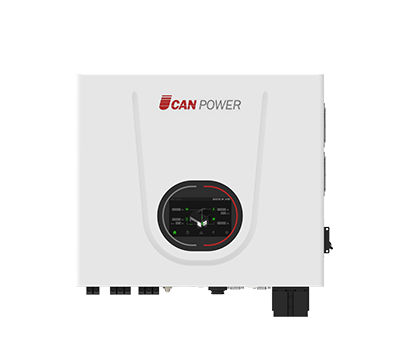
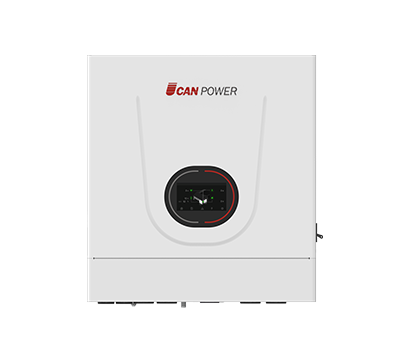
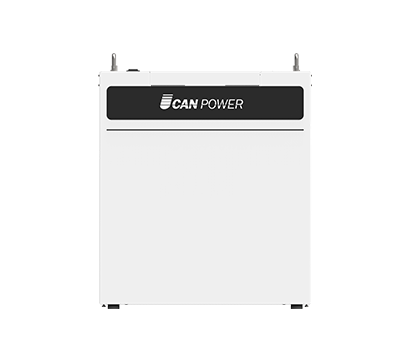
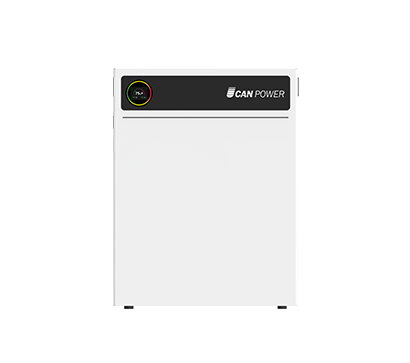
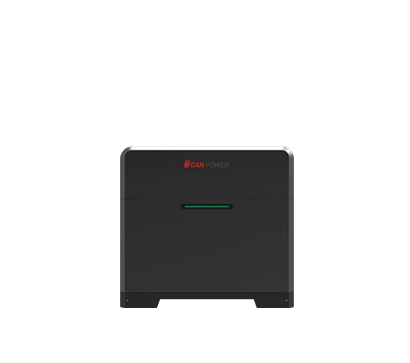
An All in One energy storage system typically consists of a battery pack, an inverter, a battery management system (BMS), a control unit, and a communication interface. The battery pack is the heart of the system, storing electrical energy for later use. Lithium-ion batteries are commonly used due to their high energy density, long cycle life, and relatively fast charging capabilities.
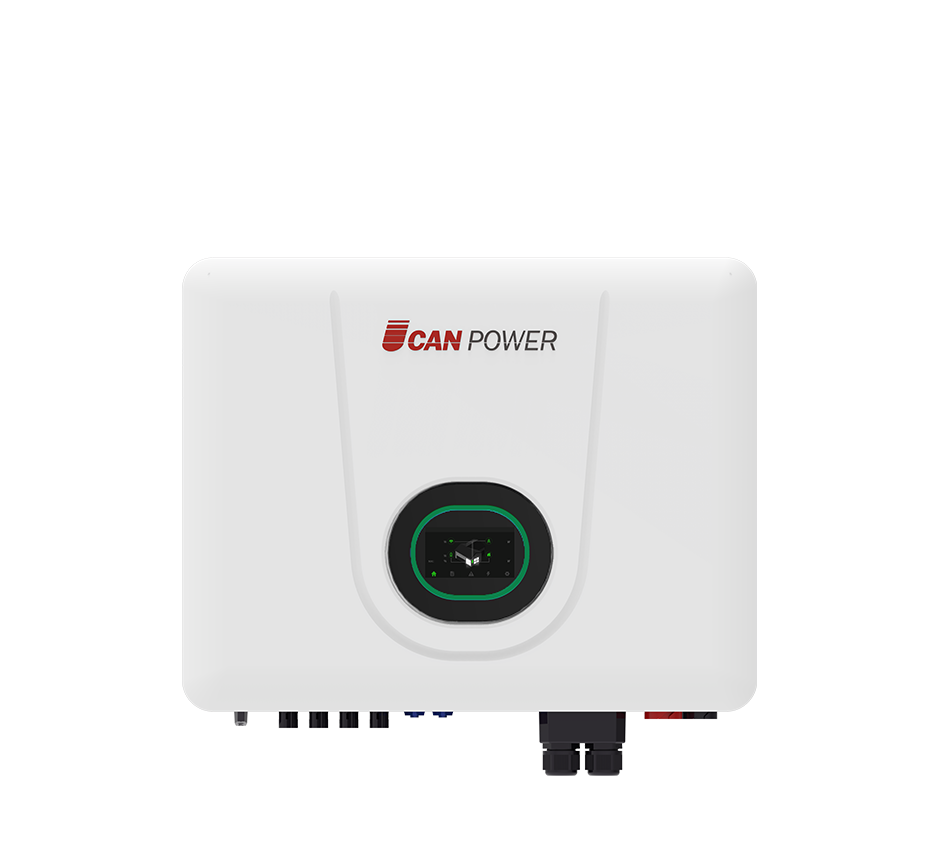
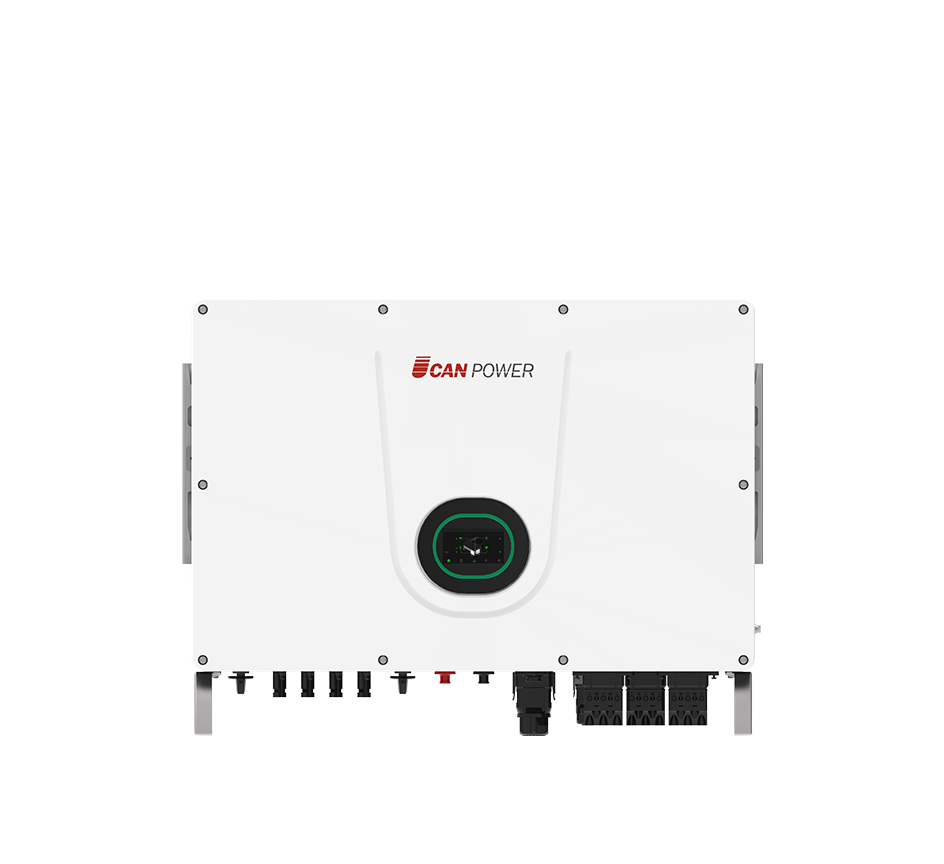
The inverter plays a crucial role in converting the direct current (DC) stored in the battery into alternating current (AC) that can be used to power household appliances, industrial equipment, or fed back into the grid. It ensures a stable and clean power output, protecting the connected devices from power fluctuations and surges.
The BMS is responsible for monitoring and controlling the battery's performance, including voltage, current, temperature, and state of charge. It ensures the battery operates within safe limits, prolonging its lifespan and preventing overcharging or over-discharging.
The control unit governs the overall operation of the system, making decisions based on the energy demand, battery status, and grid conditions. It can automatically switch between different modes of operation, such as charging from the grid, discharging to supply power, or operating in off-grid mode.
The communication interface enables the system to connect to a smart grid or a home energy management system, allowing for remote monitoring, control, and optimization of energy usage.
One of the significant advantages of the All in One energy storage system is its ability to provide backup power during grid outages. In the event of a power failure, the system can instantly switch to battery power, ensuring a continuous supply of electricity for essential devices and services. This is particularly crucial for critical infrastructure such as hospitals, data centers, and emergency response facilities.
For residential applications, an All in One energy storage system can help homeowners reduce their electricity bills by storing excess solar energy generated during the day for use at night or during peak demand periods. It also enables them to take advantage of time-of-use tariffs, where electricity prices are lower during off-peak hours.
In industrial and commercial settings, these systems can improve power quality, reduce reliance on the grid, and provide energy independence. They are especially beneficial for factories, warehouses, and office buildings with high energy consumption and intermittent power needs.
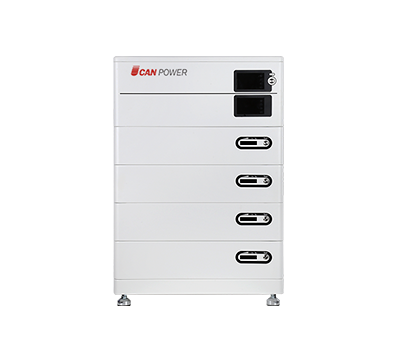
Let's take a look at some examples of how All in One energy storage systems are being implemented in different scenarios.
In a solar-powered residential home, a rooftop solar array generates electricity during the day. The excess energy is stored in the All in One energy storage system instead of being exported to the grid. At night or when the solar output is insufficient, the stored energy is used to power the home, reducing the need to draw electricity from the grid and saving on energy costs.
In a remote rural area where the grid connection is unreliable or nonexistent, an All in One energy storage system combined with a renewable energy source like wind or solar can provide a reliable and self-sufficient power supply for households and small communities.
For a manufacturing plant, an All in One energy storage system can be integrated with the existing power infrastructure to smooth out power fluctuations, store energy during periods of low demand, and release it during peak production hours, reducing the strain on the grid and minimizing energy costs.
The development of All in One energy storage systems is also driving innovation in the energy sector. Advances in battery technology, such as the emergence of solid-state batteries and improvements in lithium-ion battery performance, are increasing the energy density and longevity of these systems.
Furthermore, the integration of artificial intelligence and machine learning algorithms in the control and management of the systems is enabling more intelligent and efficient energy usage patterns. These technologies can predict energy demand, optimize charging and discharging schedules, and adapt to changing grid conditions in real-time.
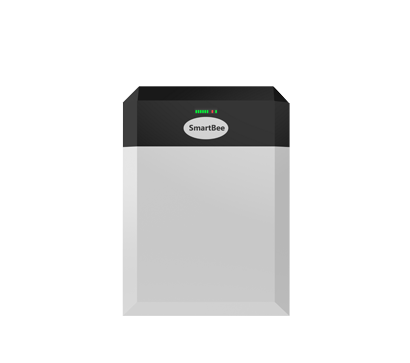
However, there are still some challenges that need to be addressed for the widespread adoption of All in One energy storage systems. The initial cost of these systems can be relatively high, although it is expected to decrease as technology improves and economies of scale are achieved. Additionally, issues related to battery recycling and disposal need to be properly managed to minimize the environmental impact.
In conclusion, the All in One energy storage system holds great promise for a more sustainable and resilient energy future. Its ability to store and manage energy efficiently, provide backup power, and integrate with renewable energy sources makes it a key component in the transition towards a cleaner and smarter energy ecosystem. With continued technological advancements and policy support, these systems are likely to become increasingly common in our homes, businesses, and communities, shaping the way we consume and produce energy.





 German
 Italian
 Japanese
 Global (English)
 Chinese
 Spanish
 French


