

I. Introduction
In today's world, where the demand for reliable and sustainable energy sources is on the rise, the all in one energy storage system has emerged as a game-changer. This innovative technology combines multiple functions into a single unit, providing a seamless and efficient solution for storing and managing energy. Whether for residential, commercial, or industrial applications, the all in one energy storage system offers a host of benefits that make it an attractive option for those looking to reduce their energy costs and environmental impact.
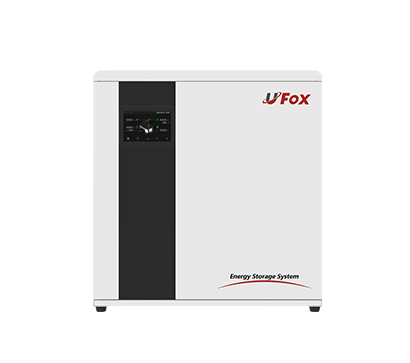
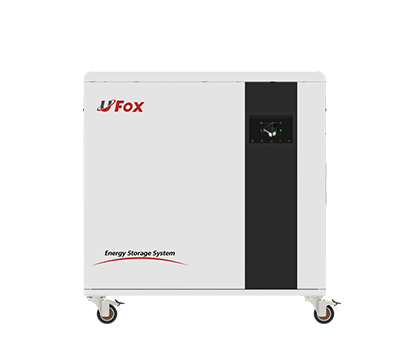
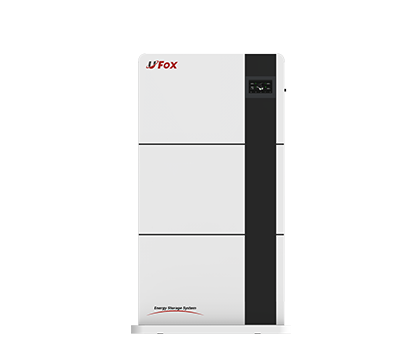
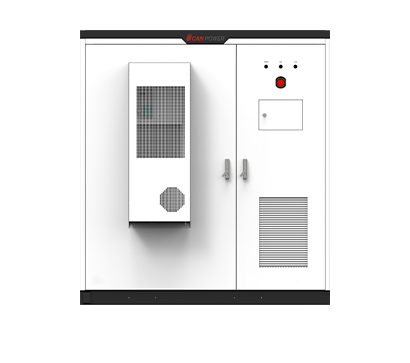
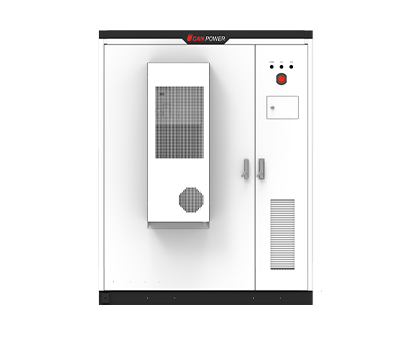
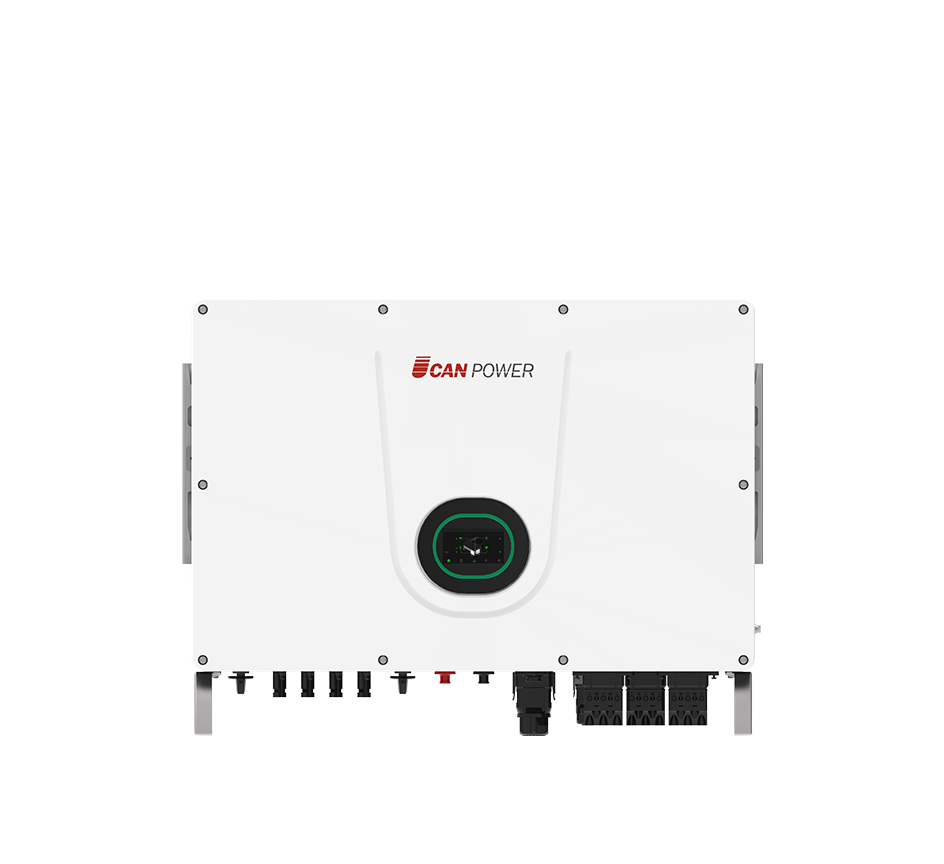
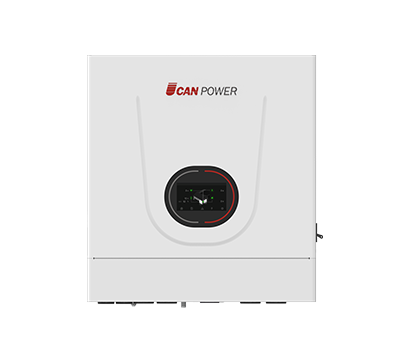
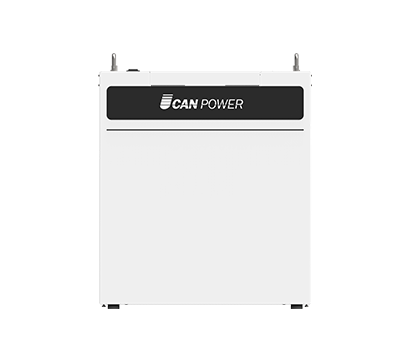
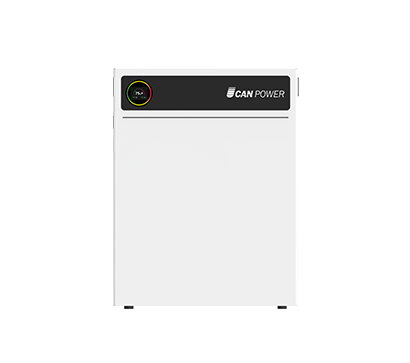
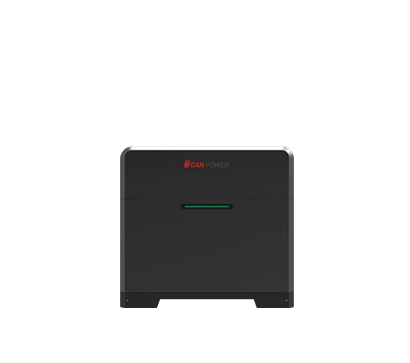
The all in one energy storage system typically consists of a battery pack, an inverter, a charge controller, and a monitoring and management system. These components work together to store excess energy generated from renewable sources such as solar panels or wind turbines, and then release it when needed to power electrical devices and appliances. By integrating these functions into a single unit, the all in one energy storage system offers a more compact and streamlined solution compared to traditional energy storage systems that require separate components.
II. Components of an All in One Energy Storage System
Battery Pack
The battery pack is the heart of the all in one energy storage system. It is responsible for storing the excess energy generated from renewable sources and releasing it when needed. Battery packs can be made from a variety of materials, including lithium-ion, lead-acid, and nickel-metal hydride.
Lithium-ion batteries are the most common type used in all in one energy storage systems due to their high energy density, long cycle life, and fast charging capabilities. They can be configured in different sizes and capacities to meet the specific energy storage needs of different applications.
The battery pack also includes a battery management system (BMS) that monitors and controls the charging and discharging of the batteries. The BMS ensures that the batteries are operating within safe limits and helps to prolong their lifespan.
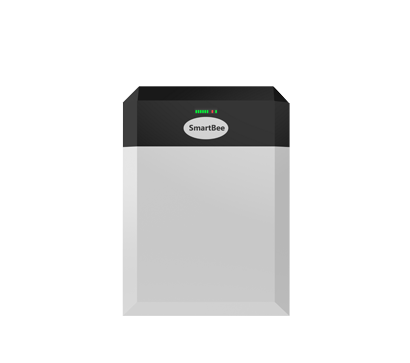
Inverter
The inverter is another key component of the all in one energy storage system. It converts the direct current (DC) electricity stored in the battery pack into alternating current (AC) electricity that can be used to power electrical devices and appliances.
Inverters come in different power ratings and can be configured to match the specific electrical load requirements of different applications. Some inverters also include advanced features such as power factor correction, grid-tie capabilities, and backup power functionality.
The inverter is typically integrated with the battery pack and charge controller in the all in one energy storage system, providing a seamless and efficient solution for converting and managing energy.
Charge Controller
The charge controller is responsible for regulating the charging of the battery pack from renewable energy sources such as solar panels or wind turbines. It ensures that the batteries are charged safely and efficiently, without overcharging or undercharging.
Charge controllers can be either standalone units or integrated with the inverter and battery pack in the all in one energy storage system. They typically include features such as maximum power point tracking (MPPT), which optimizes the charging process by maximizing the power output from the renewable energy source.
The charge controller also protects the battery pack from overvoltage, overcurrent, and short circuit conditions, helping to prolong its lifespan and ensure safe operation.
Monitoring and Management System
The monitoring and management system is an essential component of the all in one energy storage system. It provides real-time data on the status of the battery pack, inverter, and charge controller, allowing users to monitor and manage the energy storage system remotely.
The monitoring and management system can be accessed through a web-based interface or a mobile app, providing users with convenient access to information on energy usage, battery charge level, and system performance. It may also include features such as alerts and notifications, allowing users to be notified of any issues or abnormalities in the system.
The monitoring and management system can also be integrated with smart home or building management systems, providing seamless energy management and control.
III. Benefits of an All in One Energy Storage System
Space-Saving and Compact Design
One of the main advantages of an all in one energy storage system is its space-saving and compact design. By integrating multiple components into a single unit, the all in one energy storage system takes up less space compared to traditional energy storage systems that require separate components.
This makes it an ideal solution for applications where space is limited, such as residential homes, small businesses, and off-grid installations. The compact design also makes it easier to install and transport, reducing installation costs and time.
Seamless Integration and Easy Installation
The all in one energy storage system is designed for seamless integration with renewable energy sources such as solar panels or wind turbines. It can be easily connected to the existing electrical system, providing a hassle-free installation process.
The integrated design also eliminates the need for complex wiring and interconnections between different components, reducing the risk of errors and improving system reliability. Additionally, many all in one energy storage systems come with pre-configured settings and user-friendly interfaces, making it easy for users to set up and operate the system.
Enhanced Energy Efficiency
The all in one energy storage system is designed to optimize energy usage and efficiency. The integrated battery management system (BMS), charge controller, and inverter work together to ensure that the batteries are charged and discharged efficiently, maximizing the energy storage capacity and minimizing energy losses.
The advanced features such as maximum power point tracking (MPPT) and power factor correction also help to improve the efficiency of the system by maximizing the power output from renewable energy sources and reducing power consumption from the grid. This can result in significant savings on energy costs over time.
Reliable Backup Power
In the event of a power outage, the all in one energy storage system can provide reliable backup power. The integrated battery pack can store enough energy to power essential electrical devices and appliances for a certain period of time, ensuring uninterrupted power supply.
Some all in one energy storage systems also include backup power functionality that automatically switches to battery power when the grid fails, providing seamless transition and ensuring continuous power supply. This can be especially important for critical applications such as hospitals, data centers, and emergency response facilities.
Environmental Sustainability
By storing excess energy generated from renewable sources, the all in one energy storage system helps to reduce reliance on fossil fuels and lower carbon emissions. This makes it an environmentally sustainable solution that contributes to a cleaner and greener future.
Additionally, the use of renewable energy sources and energy storage systems can help to reduce energy costs and increase energy independence, providing long-term economic benefits.
IV. Applications of an All in One Energy Storage System
Residential Homes
The all in one energy storage system is becoming increasingly popular for residential applications. It allows homeowners to store excess energy generated from solar panels or wind turbines, reducing their reliance on the grid and lowering their energy bills.
The system can also provide backup power during power outages, ensuring uninterrupted power supply for essential electrical devices and appliances. Additionally, the compact design and easy installation make it an ideal solution for homeowners who want to add energy storage to their existing renewable energy systems.
Commercial and Industrial Buildings
All in one energy storage systems are also being used in commercial and industrial buildings to reduce energy costs and improve energy efficiency. These systems can be integrated with building management systems to optimize energy usage and provide backup power in case of grid failures.
For example, businesses can use the stored energy during peak demand periods to reduce their electricity bills and avoid peak demand charges. The system can also help to reduce carbon emissions and meet sustainability goals, making it an attractive option for environmentally conscious businesses.
Off-Grid Installations
In remote areas where access to the grid is limited or unreliable, the all in one energy storage system is a crucial component of off-grid power systems. It allows users to store energy generated from renewable sources such as solar panels or wind turbines, providing a reliable source of power for lighting, heating, and other essential needs.
Off-grid installations can range from small cabins and RVs to large-scale remote communities and industrial facilities. The all in one energy storage system provides a scalable and flexible solution that can be customized to meet the specific energy needs of different applications.
Microgrids
Microgrids are small-scale power grids that can operate independently or in conjunction with the main grid. All in one energy storage systems can play a key role in microgrids by providing energy storage and backup power capabilities.
Microgrids can be used in a variety of applications, such as campuses, military bases, and island communities. The all in one energy storage system helps to ensure reliable power supply and improve energy resilience, reducing the risk of power outages and enhancing the quality of life for users.
V. Future Trends in All in One Energy Storage Systems
Increased Energy Density and Capacity
As technology advances, we can expect to see all in one energy storage systems with increased energy density and capacity. This will allow for longer storage times and more power output, making the systems more useful for a wider range of applications.
Researchers are constantly working on developing new battery chemistries and materials that can store more energy in a smaller space. Additionally, improvements in battery management systems and charge controllers will help to optimize the performance of the batteries and increase their lifespan.
Integration with Smart Grid Technologies
All in one energy storage systems are likely to become more integrated with smart grid technologies in the future. This will allow for better management and control of energy flow, enabling more efficient use of renewable energy sources and reducing grid stress.
Smart grid technologies such as demand response, energy management systems, and grid-tie inverters will work in conjunction with all in one energy storage systems to optimize energy usage and provide seamless integration with the grid. This will help to create a more resilient and sustainable energy infrastructure.
Cost Reduction
The cost of all in one energy storage systems is expected to continue to decline as technology improves and economies of scale are achieved. This will make the systems more accessible to a wider range of users, including residential homeowners and small businesses.
As the cost of batteries and other components decreases, the payback period for installing an all in one energy storage system will shorten, making it a more attractive investment. Additionally, government incentives and subsidies may further drive down the cost and increase the adoption of these systems.
Enhanced Safety and Reliability
Safety and reliability are always top concerns when it comes to energy storage systems. In the future, we can expect to see all in one energy storage systems with enhanced safety features such as fire suppression systems, overcharge protection, and thermal management.
Additionally, advancements in battery technology and manufacturing processes will improve the reliability and lifespan of the batteries, reducing the risk of failures and ensuring long-term performance. This will give users greater confidence in the safety and reliability of these systems.
VI. Conclusion
The all in one energy storage system is a revolutionary technology that offers a seamless and efficient solution for storing and managing energy. With its space-saving design, seamless integration, enhanced energy efficiency, and reliable backup power, it is becoming an increasingly popular option for residential, commercial, and industrial applications. As technology continues to advance, we can expect to see even more improvements in all in one energy storage systems, making them an essential part of the future energy landscape. Whether you are looking to reduce your energy costs, increase your energy independence, or contribute to a more sustainable future, the all in one energy storage system is definitely worth considering.




 German
 Italian
 Japanese
 Global (English)
 Chinese
 Spanish
 French


