

1. Introduction
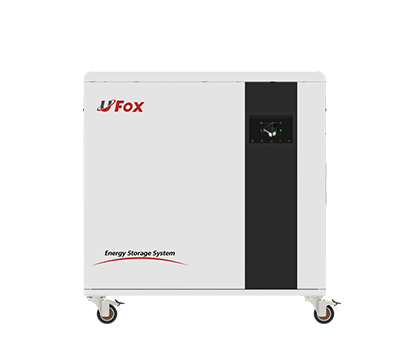
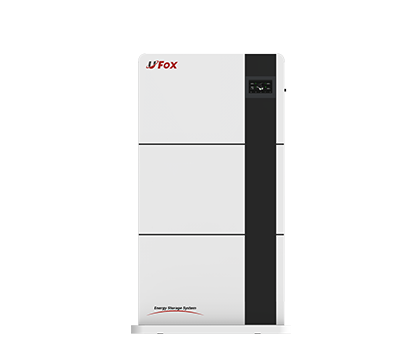
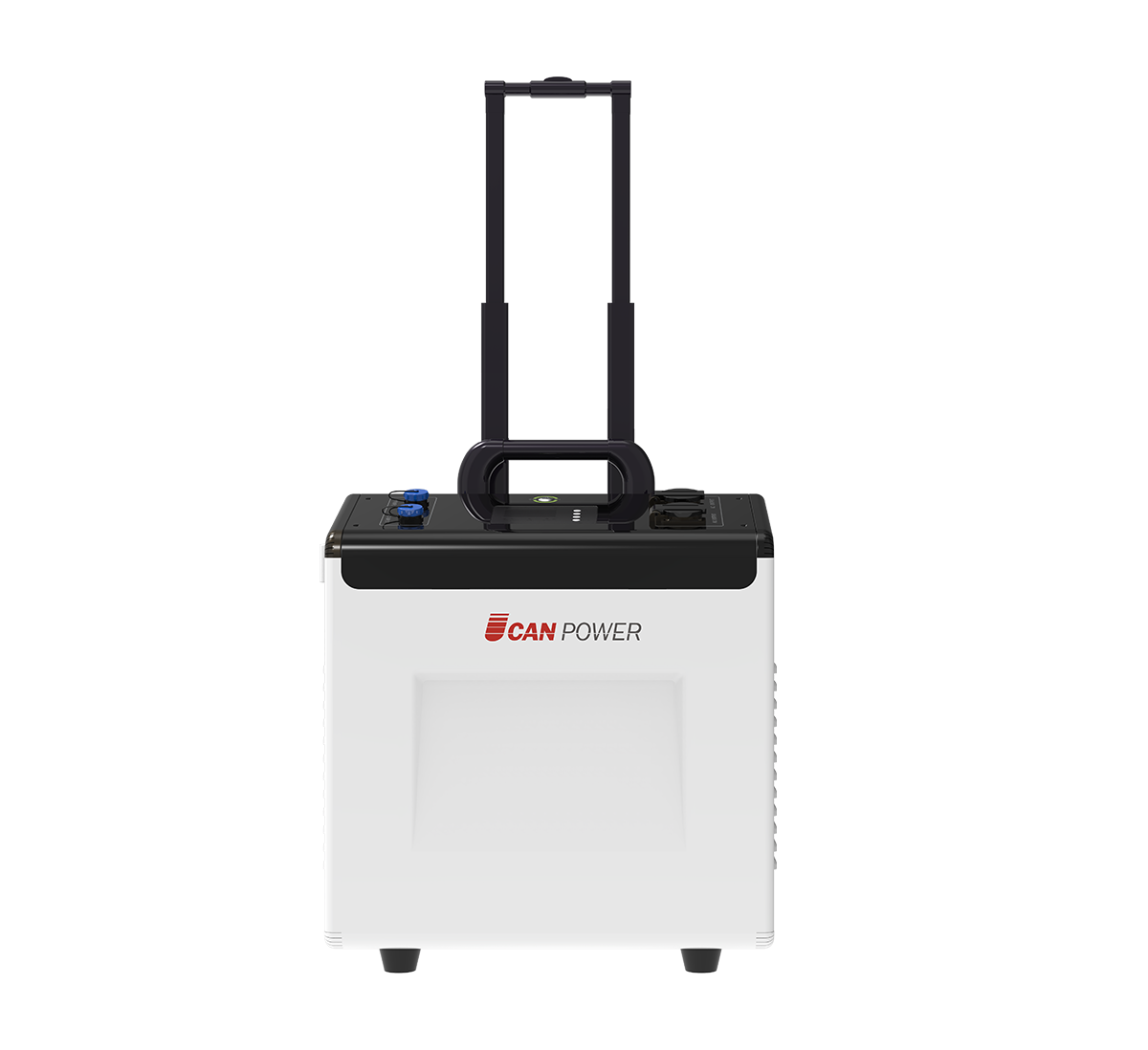
In the pursuit of a sustainable and reliable energy future, all in one energy storage systems with solar power have emerged as a revolutionary solution. These integrated systems combine the power generation capabilities of solar panels with the energy storage functionality of batteries and the conversion features of inverters, all within a single, compact unit. The increasing demand for clean energy sources, driven by environmental concerns and the need for energy independence, has propelled the development and adoption of such systems. Whether in residential, commercial, or industrial settings, all in one solar integrated energy storage systems offer a host of benefits, including reduced reliance on the grid, lower electricity costs, and enhanced energy resilience.
2. Components of All in One Energy Storage Systems with Solar Power
2.1 Solar Panels
Solar panels, also known as photovoltaic (PV) panels, are the heart of the power generation component in these systems. They are designed to capture sunlight and convert it into direct current (DC) electricity through the photovoltaic effect. The efficiency of solar panels has significantly improved over the years, with modern panels able to convert a larger percentage of sunlight into electricity. There are different types of solar panels available in the market. Monocrystalline solar panels, made from a single crystal of silicon, offer high efficiency, typically ranging from 15% to 22%. They are known for their sleek black appearance and relatively small footprint, making them suitable for applications where space is limited. Polycrystalline solar panels, on the other hand, are made from multiple silicon crystals and are more cost effective. Their efficiency usually ranges from 13% to 18%. Thin film solar panels, which are made by depositing thin layers of semiconductor materials on a substrate, are lightweight and flexible. However, they generally have a lower efficiency, typically around 6% to 13%, but are often used in applications where flexibility or a large surface area for installation is required, such as on curved rooftops or in some portable solar devices.
2.2 Battery Storage
The battery storage component in all in one systems is crucial for storing the excess electricity generated by the solar panels for later use. Lithium ion batteries have become the most popular choice for these systems due to their high energy density, long cycle life, and relatively low self discharge rate. Lithium iron phosphate (LiFePO₄) batteries, a type of lithium ion battery, are particularly favored in all in one energy storage systems. They offer excellent safety features, as they are less prone to thermal runaway compared to other lithium ion chemistries. LiFePO₄ batteries can withstand a large number of charge discharge cycles, often exceeding 2000 cycles, which makes them a cost effective long term solution. In addition, their flat discharge voltage profile allows for more stable power output. Other types of batteries, such as lead acid batteries, are also used in some cases, especially in more budget conscious applications. However, lead acid batteries have limitations, including a lower energy density, shorter cycle life, and the need for regular maintenance, such as adding distilled water to the cells.
2.3 Inverters
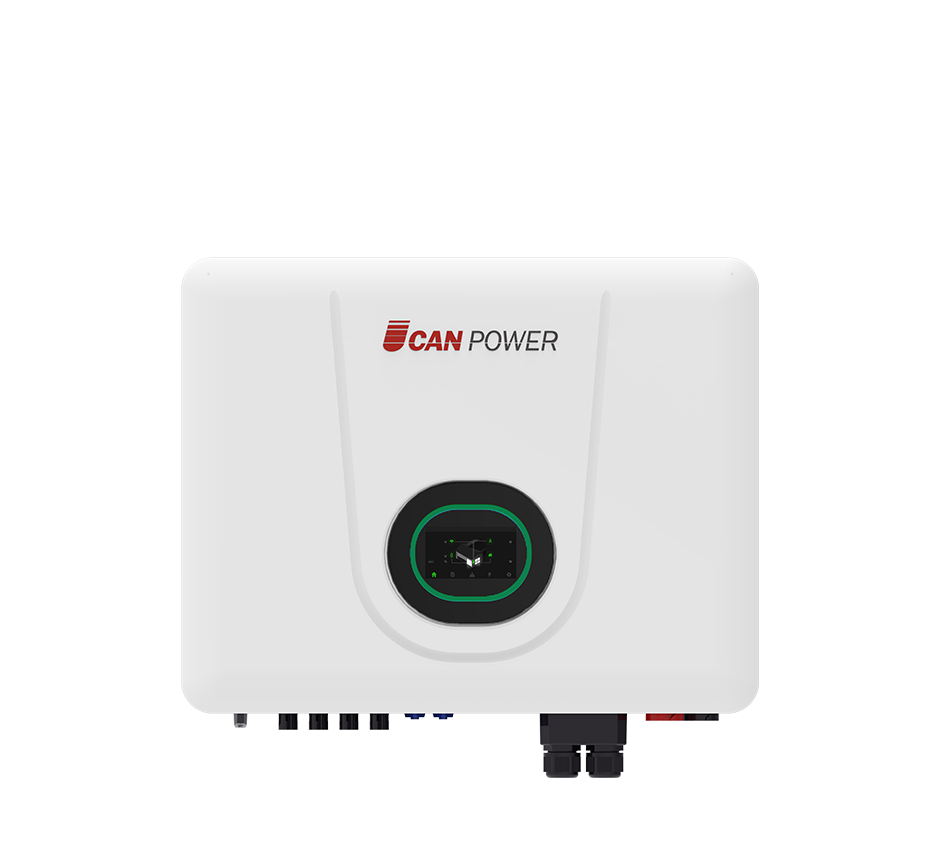
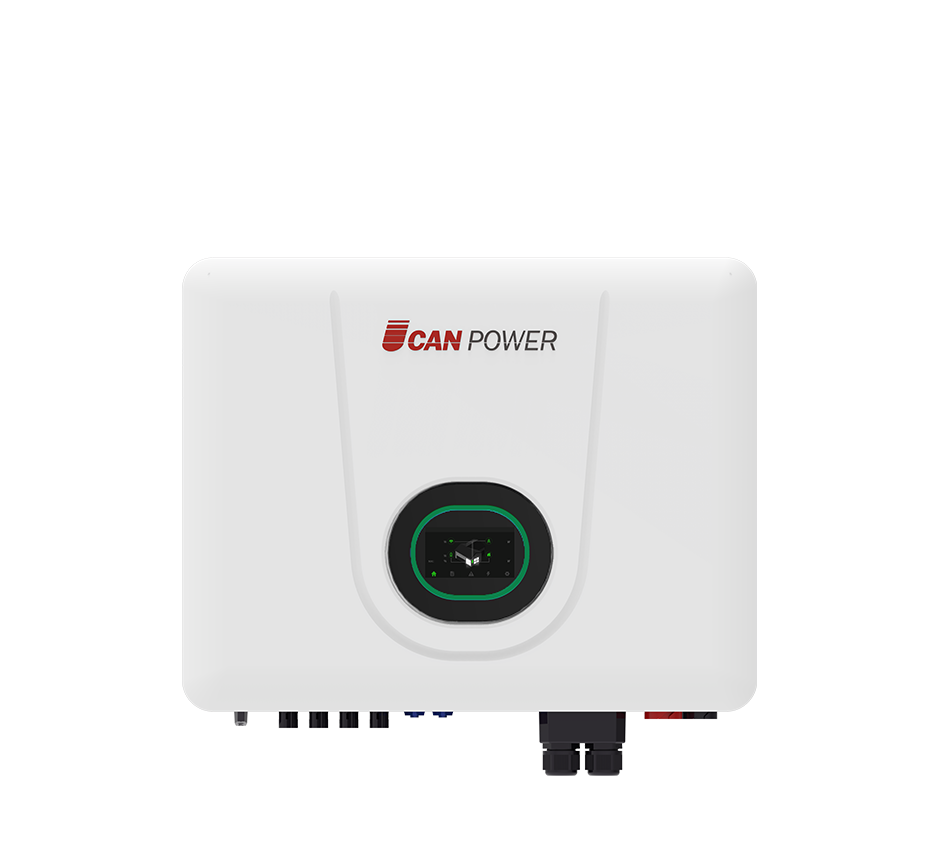
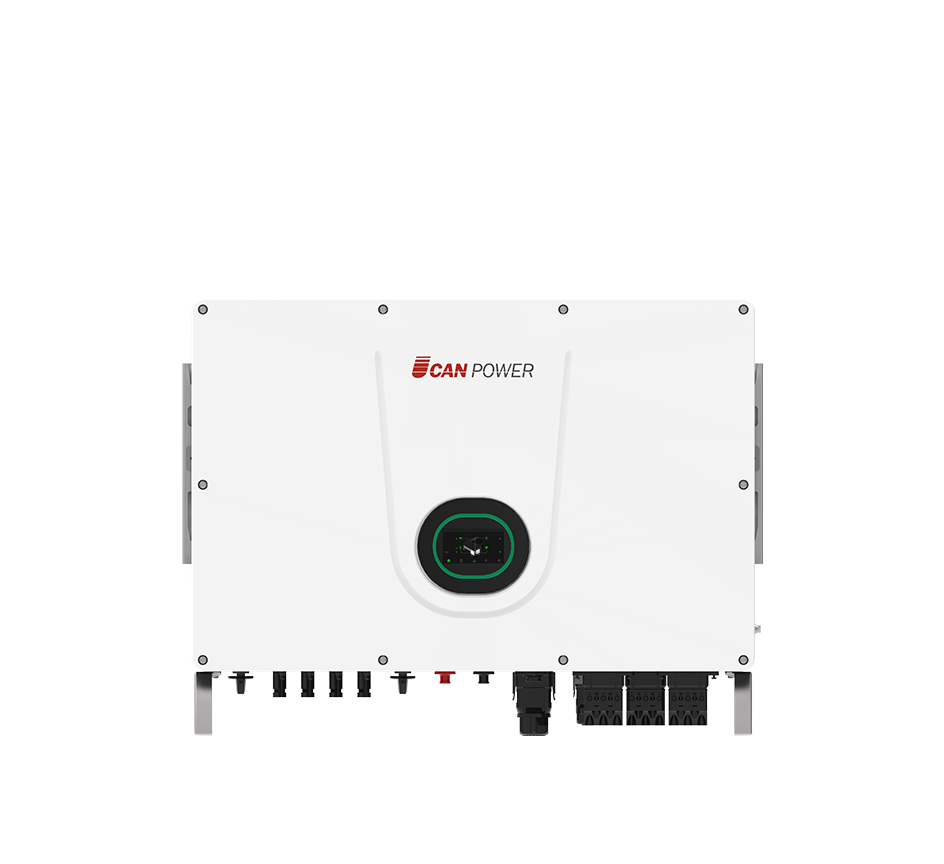
Inverters play a vital role in all in one energy storage systems with solar power by converting the DC electricity generated by the solar panels and stored in the batteries into alternating current (AC) electricity, which is the standard form of electricity used in most household and industrial applications. There are two main types of inverters commonly used in these systems: pure sine wave inverters and modified sine wave inverters. Pure sine wave inverters produce an AC output that closely mimics the smooth, sinusoidal waveform of the utility grid. This makes them ideal for powering sensitive electronic devices, such as computers, medical equipment, and high end audio visual systems. They ensure that the electrical devices operate smoothly and without interference, reducing the risk of damage. Modified sine wave inverters, while more affordable, produce a stepped waveform output that approximates a sine wave. They are suitable for less sensitive loads, such as incandescent lights, electric heaters, and some power tools. However, they may cause issues with certain types of electrical devices, such as motors running less efficiently or producing more noise.
2.4 Control and Monitoring Systems
All in one energy storage systems are equipped with sophisticated control and monitoring systems. These systems are responsible for managing the flow of electricity between the solar panels, the battery storage, and the connected loads. They ensure that the batteries are charged and discharged in an optimal manner to maximize their lifespan and performance. For example, the control system can detect when the solar panels are generating more electricity than is currently needed by the loads and direct the excess power to charge the batteries. When the solar panels are not generating enough power or during periods of high load demand, the control system can draw power from the batteries to meet the requirements. Monitoring systems, on the other hand, provide real time information about the system's performance. They can display data such as the amount of electricity generated by the solar panels, the state of charge of the batteries, the power consumption of the loads, and the efficiency of the inverter. Some advanced monitoring systems can also be accessed remotely via the internet or a mobile app, allowing users to monitor and manage their energy storage systems from anywhere.
3. Working Principles of All in One Energy Storage Systems with Solar Power
3.1 Power Generation
During daylight hours, when sunlight is available, the solar panels in the all in one system start generating DC electricity. The intensity of sunlight, the angle of the solar panels, and their efficiency determine the amount of electricity produced. As the sunlight hits the semiconductor materials in the solar panels, it causes electrons to be excited and flow, creating an electric current. This DC electricity is then sent to the control system.
3.2 Energy Storage
If the electricity generated by the solar panels is more than what is required by the connected loads at that moment, the control system diverts the excess power to the battery storage. The battery charging process is carefully regulated to ensure the batteries are charged safely and efficiently. For lithium ion batteries, the charging process typically involves multiple stages. First, a constant current charging stage is applied, where a fixed current is used to charge the battery until it reaches a certain voltage. Then, a constant voltage charging stage takes over, where the voltage is maintained while the charging current gradually decreases. This helps to prevent over charging and extends the battery's lifespan.
3.3 Power Conversion and Distribution
When the connected loads need power, and the solar panels are not generating enough electricity (such as at night or on cloudy days), the batteries discharge. The DC power from the batteries is sent to the inverter, which converts it into AC power. The AC power is then distributed to the various electrical devices and appliances in the building or facility. The control system also ensures that the power output from the inverter is stable and meets the voltage and frequency requirements of the connected loads. In some cases, if the all in one system is grid connected, the control system can also manage the flow of electricity between the grid, the solar panels, and the battery storage. For example, if the batteries are low on charge and the solar panels are not generating enough power, the system can draw power from the grid to meet the load demand. Conversely, if the solar panels are generating excess power and the batteries are already full, the system can sell the surplus electricity back to the grid.
4. Applications of All in One Energy Storage Systems with Solar Power
4.1 Residential Applications
In residential settings, all in one energy storage systems with solar power offer homeowners a high degree of energy independence. These systems can power all the electrical appliances in a house, including lights, refrigerators, air conditioners, and televisions. By generating and storing their own electricity, homeowners can reduce their reliance on the grid and lower their electricity bills. In addition, in the event of a power outage, the system can continue to supply electricity, ensuring that the household's essential functions are not disrupted. For example, during a hurricane or a snowstorm, when the power grid may go down for an extended period, a residential all in one solar energy storage system can keep the lights on, the refrigerator running, and provide power for heating or cooling systems, depending on the season. Some homeowners may also choose to install these systems to reduce their carbon footprint and contribute to environmental sustainability.
4.2 Commercial Applications
Commercial buildings, such as offices, retail stores, and restaurants, can also benefit greatly from all in one energy storage systems with solar power. These systems can help businesses manage their energy costs more effectively. By using the electricity generated by the solar panels during the day and storing excess power in the batteries, commercial establishments can reduce their peak demand charges from the utility company. Peak demand charges are typically levied on businesses that consume a large amount of electricity during certain high demand periods. With an all in one energy storage system, businesses can shift their power consumption to off peak hours, when electricity rates are lower. In addition, for businesses that require continuous power supply, such as data centers or hospitals, these systems can provide reliable backup power, ensuring that critical operations are not interrupted. For example, a data center can use an all in one solar energy storage system to power its servers and cooling systems during a grid outage, preventing data loss and maintaining service continuity.
4.3 Industrial Applications
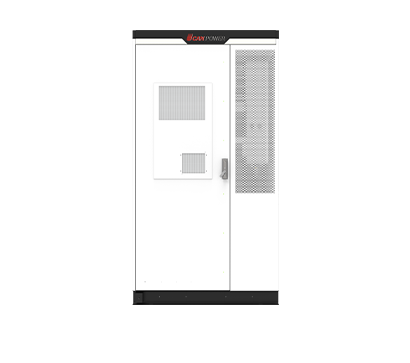
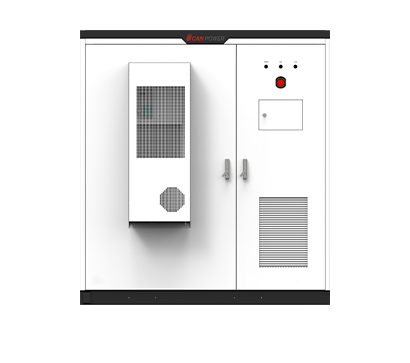
In the industrial sector, all in one energy storage systems with solar power can be used to power manufacturing plants, factories, and other industrial facilities. These systems can help industrial operations reduce their energy costs and improve their energy efficiency. For example, an industrial plant may use a large scale all in one system to power its machinery and equipment. By generating and storing solar energy, the plant can reduce its reliance on expensive grid supplied electricity. In addition, some industrial processes may require a stable and uninterrupted power supply. All in one energy storage systems can provide this stability by storing excess power during periods of low demand and releasing it during peak production times. This can help to improve the quality of the products produced and reduce the risk of production disruptions due to power fluctuations. Moreover, in remote industrial sites where grid access may be limited or unreliable, all in one solar energy storage systems offer a viable solution for powering operations.
4.4 Remote and Off Grid Applications
All in one energy storage systems with solar power are particularly well suited for remote and off grid applications. In areas where access to the main power grid is limited or non existent, such as remote villages, cabins in the mountains, or islands, these systems can provide a reliable source of electricity. They can power homes, schools, community centers, and even small scale agricultural or industrial operations. For example, a remote village in a developing country may install an all in one solar energy storage system to provide electricity for lighting, water pumping, and communication systems. In off grid applications, the system's ability to store energy ensures that there is a continuous power supply, even when the solar panels are not generating electricity, such as at night or during periods of low sunlight.
5. Market Analysis of All in One Energy Storage Systems with Solar Power
5.1 Current Market Trends
The market for all in one energy storage systems with solar power has been experiencing significant growth in recent years. The increasing cost effectiveness of solar panels and battery storage, along with the growing awareness of environmental issues, has led to a surge in demand for these systems. In many regions around the world, government incentives and subsidies for renewable energy adoption have further fueled the market growth. For example, in some countries, homeowners and businesses can receive tax credits or feed in tariffs for installing solar energy storage systems. The market is also witnessing a trend towards more integrated and user friendly all in one solutions. Manufacturers are focusing on developing systems that are easy to install, operate, and maintain. These systems often come with pre integrated components and intuitive control interfaces, making them accessible to a wider range of users.
5.2 Market Drivers
Several factors are driving the growth of the all in one energy storage systems with solar power market. Firstly, the need for energy independence and security is a major driver. With the increasing volatility of energy prices and the potential for grid disruptions, many individuals and businesses are seeking alternative energy sources. All in one solar energy storage systems offer a reliable and sustainable solution that can reduce dependence on the grid. Secondly, environmental concerns are pushing the adoption of clean energy sources. Solar power is a renewable and clean energy source, and when combined with energy storage, it can help to reduce carbon emissions and mitigate climate change. Thirdly, the decreasing cost of solar panels and battery storage is making these systems more affordable. As the manufacturing technology improves and economies of scale are achieved, the cost per watt of solar panels and the cost per kilowatt hour of battery storage have been steadily declining. This has made all in one energy storage systems with solar power a more attractive option for consumers and businesses.
5.3 Market Challenges
Despite the growth potential, the market for all in one energy storage systems with solar power also faces several challenges. One of the main challenges is the high upfront cost. Although the cost of components has been decreasing, the initial investment required to purchase and install an all in one system can still be significant for many consumers and small businesses. This may limit the widespread adoption of these systems, especially in regions with lower incomes. Another challenge is the lack of standardization in the industry. Different manufacturers may offer systems with varying specifications, compatibility issues, and quality levels. This can make it difficult for consumers to compare products and make informed purchasing decisions. In addition, the performance and lifespan of these systems can be affected by factors such as weather conditions, maintenance, and the quality of the components. Ensuring consistent performance and reliability across different applications and environments is an ongoing challenge for the industry.
6. Future Trends in All in One Energy Storage Systems with Solar Power
6.1 Technological Advancements
The future of all in one energy storage systems with solar power is likely to see significant technological advancements. In the area of solar panels, research is focused on developing more efficient materials and manufacturing processes. For example, the use of perovskite solar cells, which have the potential to achieve even higher conversion efficiencies than traditional silicon based solar panels, is an area of active research. In battery technology, new chemistries are being explored to further improve energy density, cycle life, and safety. Solid state batteries, as mentioned earlier, are expected to play a major role in the future of energy storage. They offer the potential for higher energy density, faster charging times, and improved safety compared to traditional lithium ion batteries. Inverters are also likely to become more efficient and intelligent. The use of advanced semiconductor materials, such as gallium nitride (GaN) and silicon carbide (SiC), can reduce power losses in inverters and enable more compact and lightweight designs. In addition, future inverters may be equipped with more advanced control algorithms and communication capabilities, allowing for better integration with smart grids and other energy management systems.
6.2 Integration with Smart Grids and IoT
All in one energy storage systems with solar power are expected to be more closely integrated with smart grids and the Internet of Things (IoT) in the future. Smart grids can provide real time information on grid conditions, electricity prices, and demand response signals. All in one systems can use this information to optimize their operation. For example, they can adjust the charging and discharging of the battery storage based on grid electricity prices, selling excess electricity back to the grid when prices are high and drawing power from the grid when prices are low. IoT devices can be used to monitor and control the various components of the all in one system remotely. Homeowners or system operators can use a mobile app to check the status of the solar panels, battery storage, and inverter, and make adjustments as needed. In addition, IoT enabled sensors can be installed to monitor environmental factors such as temperature, humidity, and solar irradiance, which can help in predicting the performance of the system and scheduling maintenance tasks. This integration with smart grids and IoT will enable more efficient and intelligent management of all in one energy storage systems, and facilitate their seamless integration into the broader energy ecosystem.
6.3 Expansion in Developing Countries
The market for all in one energy storage systems with solar power is likely to expand significantly in developing countries in the future. In many developing regions, access to reliable electricity is still a major challenge, especially in rural and remote areas. All in one solar energy storage systems offer a viable solution to this problem. They can be installed relatively quickly and easily, without the need for extensive grid infrastructure development. In addition, as the cost of these systems continues to decline, they are becoming more affordable for consumers and businesses in developing countries. Government initiatives in these countries to promote renewable energy adoption and improve energy access are also likely to drive the growth of the market. For example, some developing countries are implementing programs to provide subsidies or low interest loans for the installation of solar energy storage systems in rural areas.
7. Conclusion
All in one energy storage systems with solar power represent a significant step forward in the transition to a sustainable and reliable energy future. These integrated systems offer a wide range of benefits, including energy independence, cost savings, and environmental sustainability. They are applicable in various sectors, from residential to commercial, industrial, and remote off grid applications. Although the market for these systems faces challenges such as high upfront costs and lack of standardization, ongoing technological advancements, market growth, and integration with smart grids and IoT hold great promise for the future. As the cost of components continues to decline and the technology improves, all in one energy storage systems with solar power are likely to become an even more prevalent and important part of the global energy landscape, contributing to a cleaner, more efficient, and more resilient energy system.




 German
 Italian
 Japanese
 Global (English)
 Chinese
 Spanish
 French


