

1. Introduction
In the pursuit of sustainable living and energy independence, homeowners around the world are increasingly turning to renewable energy sources. Solar panels have become a common sight on rooftops, harnessing the sun's energy to generate electricity. However, the intermittent nature of solar power, with generation limited to daylight hours and affected by weather conditions, has led to the rise of energy storage systems as an essential complement. The allinone energy storage system for residential use represents a revolutionary solution that combines multiple functions into a single, integrated unit, making it easier than ever for homeowners to manage their energy needs efficiently. This comprehensive exploration will cover every aspect of these allinone systems, from their components and working principles to their applications, advantages, challenges, and future prospects.
2. Components of an AllinOne Energy Storage System for Residential Use
2.1 Battery Bank
The battery bank lies at the core of the allinone energy storage system. Lithiumion batteries are the most prevalent choice for residential applications due to their high energy density, long cycle life, and relatively low selfdischarge rate. These batteries can store the excess electricity generated by solar panels during the day for use at night or during periods of low solar generation, such as on cloudy days.
For example, a typical residential allinone system might include a lithiumion battery bank with a capacity of 515 kWh. This capacity can vary depending on the energy consumption patterns of the household and the size of the solar panel installation. Some advanced lithiumion batteries, like lithiumironphosphate (LFP) batteries, offer enhanced safety features, making them a popular choice for home use. They are less prone to thermal runaway and have a longer lifespan compared to some other lithiumion chemistries, ensuring reliable energy storage over the long term.
2.2 Inverter
The inverter is another crucial component. Its primary function is to convert the direct current (DC) stored in the battery bank into alternating current (AC), which is the standard form of electricity used in household appliances. In an allinone system, the inverter is designed to be highly efficient and reliable.
Modern inverters often come with maximum power point tracking (MPPT) technology. MPPT continuously monitors the voltage and current of the solar panels and adjusts the operating point to ensure that the panels operate at their maximum power output under varying sunlight and temperature conditions. This significantly improves the overall energy harvest from the solar panels. For instance, on a sunny day with highintensity sunlight, the MPPTenabled inverter can optimize the solar panel operation to capture the maximum amount of energy, while on a cooler or overcast day, it can still adjust to extract as much power as possible.
2.3 Charge Controller
The charge controller manages the flow of electricity from the solar panels to the battery bank. Its main role is to prevent overcharging of the batteries, which can damage the battery cells and reduce their lifespan. In an allinone energy storage system, the charge controller is integrated with the other components for seamless operation.
There are different types of charge controllers, with pulsewidth modulation (PWM) and maximum power point tracking (MPPT) charge controllers being the most common. While PWM charge controllers regulate the charging current through onoff pulses, MPPT charge controllers, as mentioned earlier, are more advanced. They not only prevent overcharging but also maximize the power transfer from the solar panels to the batteries, ensuring efficient energy storage.
2.4 Monitoring and Control System
A sophisticated monitoring and control system is an integral part of the allinone energy storage system. This system allows homeowners to monitor the performance of the entire setup in realtime. It provides information on parameters such as the state of charge (SOC) of the batteries, the power generation from the solar panels, the power consumption of the household, and the flow of electricity between different components.
Homeowners can access this information through a mobile app or a webbased interface. For example, they can check the SOC of the batteries to see how much energy is available for use, monitor the power generation of the solar panels to ensure they are operating correctly, and analyze the household's energy consumption patterns to identify areas for energy savings. The control system also enables homeowners to set charging and discharging schedules, adjust the power output, and receive alerts in case of any malfunctions or异常情况.
3. Working Principle
3.1 Charging Process
During the day, when the solar panels are exposed to sunlight, they generate DC electricity. This DC power is first sent to the charge controller. The charge controller, equipped with MPPT technology, optimizes the power transfer from the solar panels and regulates the charging current and voltage to the battery bank. It ensures that the batteries are charged safely and efficiently, preventing overcharging and maintaining the battery's health.
For example, if the solar panels are generating more power than the household is consuming at a given time, the excess power is directed to the battery bank for storage. The charge controller adjusts the charging rate based on the state of the batteries. In the initial stages of charging, when the battery SOC is low, it may allow a higher charging current to quickly increase the stored energy. As the batteries approach full charge, the charge controller reduces the charging current to prevent overstressing the battery cells.
3.2 Discharging Process
When the solar panels are not generating enough electricity, such as at night or during periods of low sunlight, the battery bank discharges. The stored DC electricity in the battery bank is sent to the inverter. The inverter converts this DC power into AC power, which is then used to power the household appliances.
The monitoring and control system plays a crucial role during the discharging process. It monitors the power consumption of the household and the SOC of the batteries. If the SOC drops below a certain level, the control system may adjust the power output to nonessential loads to ensure that there is enough power for critical appliances. For example, it may automatically turn off nonessential lighting or postpone the operation of lesscritical appliances like a clothes dryer until the battery SOC is higher or the solar panels start generating power again.
4. Applications in Residential Settings
4.1 Energy Independence
One of the primary applications of an allinone energy storage system is to achieve a high degree of energy independence. Homeowners can rely on the stored energy in the battery bank during grid outages, ensuring that essential appliances such as refrigerators, lights, and medical equipment (if any) can continue to operate. This provides a sense of security and comfort, especially in areas prone to power outages due to weather events or grid failures.
4.2 Cost Savings
By storing excess solargenerated electricity and using it during peakdemand periods when electricity prices are high, homeowners can significantly reduce their electricity bills. In many regions, electricity tariffs are structured in a way that charges higher rates during peak hours. With an allinone energy storage system, homeowners can avoid drawing power from the grid during these peak times and instead use the stored energy, resulting in substantial cost savings over time.
4.3 Environmental Sustainability
The use of an allinone energy storage system promotes environmental sustainability. By maximizing the use of solar energy and reducing the reliance on gridsupplied electricity, which may be generated from fossilfuelbased power plants, homeowners can significantly reduce their carbon footprint. This is in line with the global efforts to combat climate change and transition to a more sustainable energy future.
5. Advantages
5.1 Simplified Installation and Operation
The allinone nature of the energy storage system simplifies the installation process. Instead of having to source and install multiple components separately, homeowners can opt for a single, preintegrated unit. This reduces the complexity of the installation and the potential for compatibility issues between different components.
Operation is also made easier. With a unified monitoring and control system, homeowners can manage the entire energy storage setup with a single interface, whether it's through a mobile app or a webbased platform. This simplicity makes it accessible to a wider range of homeowners, even those with limited technical knowledge.
5.2 SpaceSaving Design
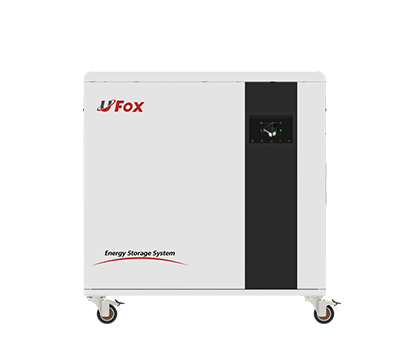
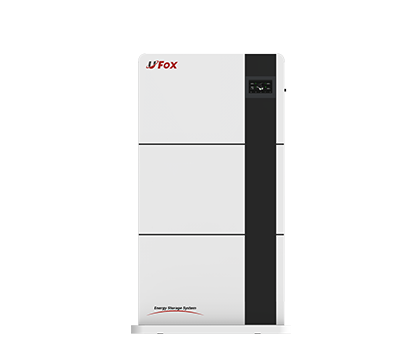
Allinone energy storage systems are designed to be compact, taking up less space compared to traditional, componentbased systems. This is especially beneficial for homeowners with limited space, such as those living in apartments or small houses. The integrated design allows for a more efficient use of space, as all the necessary components are housed in a single enclosure.
5.3 Scalability
Many allinone energy storage systems are designed to be scalable. Homeowners can start with a basic system and expand it as their energy needs grow. For example, they can add more battery capacity or increase the power output of the inverter by connecting additional modules or upgrading the existing components. This scalability provides flexibility and allows homeowners to adapt the system to their changing energy requirements over time.
6. Challenges
6.1 High Initial Cost
The upfront cost of an allinone energy storage system can be a significant barrier for many homeowners. The cost includes the battery bank, inverter, charge controller, monitoring and control system, and installation. Although the cost of energy storage technology has been gradually decreasing, it still represents a substantial investment, especially for those on a tight budget.
6.2 Battery Degradation
Batteries in the allinone energy storage system have a limited lifespan. Over time, the capacity of the battery cells to store energy decreases due to factors such as the number of chargedischarge cycles, operating temperature, and charging and discharging rates. As the battery degrades, the overall performance of the energy storage system declines, and eventually, the batteries need to be replaced. The cost of battery replacement and the environmental impact of disposing of old batteries are also concerns.
6.3 Grid Compatibility and Regulatory Issues
Ensuring compatibility with the local electrical grid can be a challenge. The allinone energy storage system needs to meet specific gridconnection standards regarding voltage, frequency, and power quality. In some regions, regulatory requirements for gridconnected energy storage systems can be complex and may include procedures for grid connection, metering, and safety regulations. Complying with these regulations can be timeconsuming and costly for homeowners.
7. Future Trends
7.1 Technological Advancements
- New Battery Technologies: The future of allinone energy storage systems for residential use is likely to be shaped by advancements in battery technology. Research is ongoing to develop new battery chemistries with higher energy density, longer cycle life, and lower cost. For example, solidstate batteries are a promising technology that could potentially revolutionize the residential energy storage market. They offer advantages such as improved safety, higher energy density, and faster charging times compared to traditional lithiumion batteries.
Integration with Smart Home Technologies: Allinone energy storage systems will increasingly be integrated with smart home technologies. This integration will enable seamless communication between the energy storage system, household appliances, and other smart devices. For example, the energy storage system can be programmed to automatically adjust the power supply to different appliances based on their energy consumption patterns and the availability of solar energy. This integration will further enhance the energyefficiency and convenience of the home.
7.2 Market Expansion
- Increasing Adoption in Emerging Markets: As the cost of energy storage technology continues to decline and awareness of the benefits of energy independence and sustainability grows, the market for allinone energy storage systems is expected to expand in emerging markets. These regions often have a large number of households with a growing demand for reliable and affordable energy solutions, making them ripe for the adoption of allinone energy storage systems.
Growth in the SecondHand Market: With the increasing installation of allinone energy storage systems, there will likely be a growth in the secondhand market. Homeowners who upgrade their energy storage systems or move to a new location may sell their used systems. This secondhand market can provide a more affordable option for budgetconscious homeowners, further driving the adoption of energy storage technology.
In conclusion, the allinone energy storage system for residential use represents a significant step forward in home energy management. Despite the challenges it faces, its numerous advantages and the potential for future technological advancements and market expansion make it a promising solution for homeowners looking to achieve energy independence, save costs, and contribute to a more sustainable environment. As the technology continues to evolve, these allinone systems are likely to become an even more integral part of modern homes.




 German
 Italian
 Japanese
 Global (English)
 Chinese
 Spanish
 French


