

In today's industrial landscape, where energy efficiency and reliability are of utmost importance, high-efficiency inverter solutions play a crucial role. These advanced power conversion devices offer numerous benefits for industrial applications, ranging from reducing energy consumption and costs to enhancing process control and productivity. In this in-depth exploration, we will delve into the world of high-efficiency inverter solutions for industrial applications, examining their features, benefits, types, and applications.
I. Introduction to High-Efficiency Inverter Solutions for Industrial Applications
Industrial processes often require a significant amount of electrical power to operate machinery, equipment, and systems. Inverters are essential components in these applications as they convert direct current (DC) power from sources such as batteries or solar panels into alternating current (AC) power that can be used to drive motors, pumps, fans, and other electrical loads. High-efficiency inverters are designed to maximize the conversion efficiency, minimizing energy losses and reducing operating costs.
The demand for high-efficiency inverter solutions in industrial applications is driven by several factors. Firstly, rising energy costs and environmental concerns have led industries to seek ways to reduce their energy consumption and carbon footprint. High-efficiency inverters can help achieve these goals by optimizing power usage and reducing waste. Secondly, industrial processes often require precise control of motor speed and torque, which can be achieved through the use of inverters. This not only improves process efficiency but also reduces wear and tear on equipment, leading to longer service life and lower maintenance costs. Finally, the increasing complexity and automation of industrial systems require reliable and flexible power conversion solutions that can adapt to different operating conditions and load requirements.
II. Features and Benefits of High-Efficiency Inverter Solutions for Industrial Applications
1. Energy Efficiency
High-efficiency inverters are designed to minimize power losses during the conversion process. They achieve this through advanced technologies such as pulse-width modulation (PWM), which precisely controls the output voltage and frequency to match the load requirements. By reducing energy losses, high-efficiency inverters can significantly lower electricity consumption and operating costs.
In addition to direct energy savings, high-efficiency inverters can also contribute to overall energy efficiency in industrial facilities by enabling the use of energy-efficient motors and drives. These components work in conjunction with inverters to optimize motor performance and reduce power consumption.
2. Process Control and Optimization
In industrial applications, precise control of motor speed and torque is essential for optimizing processes and improving productivity. High-efficiency inverters offer advanced control features such as variable speed control, which allows operators to adjust the motor speed according to the specific requirements of the process. This can lead to significant energy savings and improved product quality.
Inverters can also provide soft start and stop functions, reducing mechanical stress on equipment and extending its service life. Additionally, they can be integrated with sensors and control systems to monitor and adjust motor performance in real-time, ensuring optimal process control and efficiency.
3. Reliability and Durability
Industrial environments can be harsh, with high temperatures, dust, vibrations, and electrical noise. High-efficiency inverters are designed to withstand these conditions and provide reliable operation over a long service life. They are often built with rugged construction and advanced protection features such as overvoltage, overcurrent, and short-circuit protection.
Some high-efficiency inverters also offer redundant power modules or backup systems to ensure continuous operation in case of a component failure. This is particularly important in critical industrial applications where downtime can be costly.
4. Flexibility and Scalability
Industrial processes often require different power levels and load characteristics. High-efficiency inverters are available in a wide range of power ratings and configurations, allowing them to be customized to meet the specific needs of different applications. They can also be easily scaled up or down as the production requirements change.
In addition, many high-efficiency inverters are compatible with a variety of communication protocols and can be integrated into industrial automation systems. This enables remote monitoring and control, as well as seamless integration with other equipment and processes.
5. Environmental Benefits
By reducing energy consumption and carbon emissions, high-efficiency inverters contribute to a more sustainable industrial environment. They also help industries meet regulatory requirements and corporate sustainability goals.
In some cases, high-efficiency inverters can enable the use of renewable energy sources such as solar panels or wind turbines, further reducing the environmental impact of industrial operations.
III. Types of High-Efficiency Inverter Solutions for Industrial Applications
1. Voltage Source Inverters (VSIs)
Voltage source inverters are the most common type of inverter used in industrial applications. They convert a DC voltage source into a variable voltage and frequency AC output. VSIs are available in different configurations, including single-phase and three-phase models.
VSIs can be further classified into two main types: pulse-width modulated (PWM) inverters and square-wave inverters. PWM inverters offer better control and efficiency, while square-wave inverters are simpler and less expensive.
2. Current Source Inverters (CSIs)
Current source inverters are less common than VSIs but are used in some specific industrial applications where a constant current output is required. CSIs convert a DC current source into a variable current and frequency AC output.
CSIs are typically more complex and expensive than VSIs but offer some advantages such as better immunity to voltage fluctuations and short circuits.
3. Matrix Inverters
Matrix inverters are a relatively new type of inverter that offers high efficiency and advanced control features. They can directly convert a three-phase AC input into a three-phase AC output without the need for a DC link.
Matrix inverters are highly flexible and can operate in both motoring and regenerative modes, allowing for energy recovery and savings. However, they are currently more expensive and complex than traditional inverters.
4. Multilevel Inverters
Multilevel inverters are designed to produce a high-quality AC output with reduced harmonic distortion. They achieve this by using multiple voltage levels instead of the traditional two-level output. Multilevel inverters are often used in applications where high power and low harmonic distortion are required, such as in large industrial motors and drives.
There are different types of multilevel inverters, including diode-clamped inverters, flying capacitor inverters, and cascaded H-bridge inverters. Each type has its own advantages and disadvantages in terms of complexity, efficiency, and cost.
IV. Applications of High-Efficiency Inverter Solutions for Industrial Applications
1. Industrial Motors and Drives
High-efficiency inverters are widely used to control the speed and torque of industrial motors. They can be used with induction motors, synchronous motors, and permanent magnet motors, providing precise control and energy savings.
Inverters are particularly beneficial in applications where variable speed operation is required, such as in pumps, fans, compressors, and conveyor systems. They can also improve the starting and stopping characteristics of motors, reducing mechanical stress and wear.
2. Process Control and Automation
In industrial processes, high-efficiency inverters can be integrated with sensors and control systems to optimize process parameters such as flow rate, pressure, and temperature. They can also be used to control the speed and position of robotic arms and other automated equipment.
Inverters can provide real-time feedback and adjustment, ensuring consistent product quality and reducing waste. They can also be programmed to respond to changes in production requirements or environmental conditions.
3. Renewable Energy Integration
High-efficiency inverters are essential for integrating renewable energy sources such as solar panels and wind turbines into industrial power systems. They convert the DC power generated by these sources into AC power that can be used to power industrial loads or fed back into the grid.
Inverters for renewable energy applications often have advanced features such as maximum power point tracking (MPPT) to optimize the energy output of solar panels or wind turbines. They can also be designed to operate in island mode, providing backup power during grid outages.
4. Energy Storage Systems
In industrial applications, energy storage systems can be used to store excess energy generated during off-peak periods and release it during peak demand times. High-efficiency inverters are required to convert the DC power from the energy storage system into AC power for use by industrial loads.
Inverters for energy storage systems need to be able to handle bidirectional power flow and provide fast response times to ensure reliable operation. They can also be integrated with energy management systems to optimize the use of stored energy and reduce electricity costs.
5. Electric Vehicles and Charging Stations
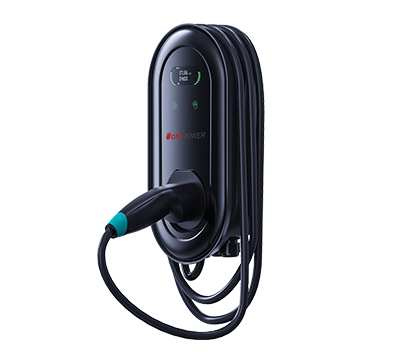
High-efficiency inverters are used in electric vehicles to convert the DC power from the battery into AC power to drive the motor. They also play a role in charging stations, converting the AC power from the grid into DC power to charge the vehicle batteries.
Inverters for electric vehicles need to be compact, lightweight, and highly efficient to maximize the driving range and performance of the vehicle. They also need to be able to handle high power levels and fast charging rates.
V. Future Trends and Developments in High-Efficiency Inverter Solutions for Industrial Applications
1. Increased Efficiency and Performance
As the demand for energy efficiency and sustainability continues to grow, there will be a continuous drive to improve the efficiency and performance of high-efficiency inverters. This will involve the development of new technologies and materials, as well as the optimization of existing designs.
For example, the use of wide bandgap semiconductors such as silicon carbide (SiC) and gallium nitride (GaN) is expected to increase in inverter applications. These materials offer lower switching losses and higher operating temperatures than traditional silicon-based semiconductors, leading to increased efficiency and power density.
2. Integration with Smart Grids and Industrial Internet of Things (IIoT)
The integration of high-efficiency inverters with smart grids and the Industrial Internet of Things (IIoT) is another trend that is likely to gain momentum. This will enable real-time monitoring and control of power consumption and generation, as well as the optimization of energy usage across industrial facilities.
Inverters can be equipped with communication interfaces and sensors to provide data on power quality, energy consumption, and equipment performance. This information can be used to optimize processes, reduce downtime, and improve overall productivity.
3. Modular and Scalable Designs
Modular and scalable designs will become more common in high-efficiency inverters for industrial applications. This will allow users to easily expand or upgrade their power conversion systems as their needs change.
Modular inverters can be configured in different combinations to meet specific power requirements, and they can be easily replaced or repaired in case of a component failure. This reduces downtime and maintenance costs and provides greater flexibility for industrial operations.
4. Enhanced Safety and Reliability
Safety and reliability will remain top priorities in the development of high-efficiency inverters for industrial applications. Inverters will be designed with advanced protection features such as overvoltage, overcurrent, and short-circuit protection, as well as fire and explosion protection.
Additionally, redundant power modules and backup systems will be increasingly used to ensure continuous operation in case of a component failure. This will provide greater peace of mind for industrial users and help to minimize downtime and production losses.
VI. Conclusion
High-efficiency inverter solutions are essential for powering industrial applications in a sustainable and cost-effective way. These advanced power conversion devices offer numerous benefits, including energy savings, process control and optimization, reliability and durability, flexibility and scalability, and environmental benefits. With the continuous development of new technologies and the increasing demand for energy efficiency and sustainability, high-efficiency inverters are expected to play an even more important role in the industrial sector in the years to come. By choosing the right high-efficiency inverter solution for their specific applications, industrial users can improve their productivity, reduce their operating costs, and contribute to a more sustainable future.




 German
 Italian
 Japanese
 Global (English)
 Chinese
 Spanish
 French


