

Introduction
In today's world, where energy resources are depleting and environmental concerns are on the rise, the need for high-efficiency power conversion technologies has never been greater. Inverters play a crucial role in this context, as they convert direct current (DC) into alternating current (AC), enabling the utilization of renewable energy sources and improving overall energy efficiency. This article delves into the world of high-efficiency inverter solutions, exploring their significance, technological advancements, and applications across various industries.
Understanding Inverters and Their Importance
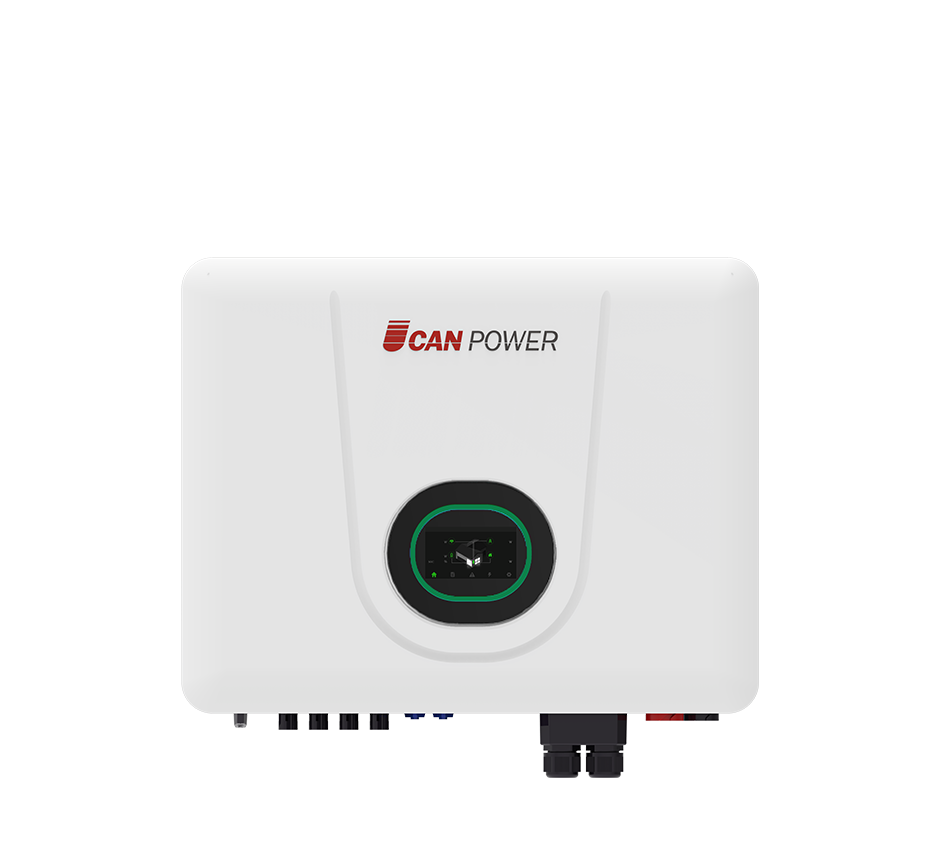
An inverter is an electronic device that converts DC electricity from sources such as solar panels, batteries, or fuel cells into AC electricity, which is used by most household appliances and industrial equipment. The efficiency of an inverter determines how effectively it can perform this conversion, impacting both energy consumption and cost savings. High-efficiency inverters are designed to minimize power losses during the conversion process, thereby enhancing energy utilization and reducing carbon emissions.
Technological Advancements in Inverter Design
1. Silicon Carbide (SiC) and Gallium Nitride (GaN)
The advent of wide-bandgap semiconductors, such as SiC and GaN, has revolutionized inverter technology. These materials offer superior electrical properties compared to traditional silicon-based semiconductors, allowing for higher switching frequencies, lower resistance, and better thermal conductivity. As a result, inverters built with SiC and GaN exhibit significantly higher efficiency and smaller form factors.
2. Modular Multilevel Converters (MMC)
MMC is a cutting-edge inverter topology that employs multiple small, modular units to achieve high voltage and power levels. This design offers several advantages, including reduced harmonic distortion, improved fault tolerance, and easier maintenance. MMCs are particularly well-suited for high-power applications, such as renewable energy integration and high-voltage direct current (HVDC) transmission systems.
3. Digital Signal Processing (DSP) and Artificial Intelligence (AI)
The integration of DSP and AI into inverter systems has enabled real-time monitoring, control, and optimization of power conversion processes. DSP allows for precise control of inverter operations, while AI algorithms can analyze operational data to identify patterns and optimize performance. These advancements lead to enhanced efficiency, reliability, and longevity of inverter systems.
Applications of High-Efficiency Inverters
1. Renewable Energy Systems
Solar and wind energy systems rely heavily on high-efficiency inverters to convert the DC power generated by solar panels and wind turbines into usable AC power. By maximizing the efficiency of this conversion process, inverters play a critical role in enhancing the overall efficiency and economic viability of renewable energy systems.
2. Electric Vehicles (EVs)
EVs use inverters to convert the DC power stored in their batteries into AC power for the electric motor. High-efficiency inverters are essential in EVs, as they directly impact the vehicle's range, performance, and energy consumption. Advances in inverter technology have contributed significantly to the growth and adoption of EVs.
3. Industrial Automation
In industrial applications, inverters are used to control the speed and torque of AC motors, leading to significant energy savings and improved productivity. High-efficiency inverters help reduce operational costs and minimize downtime, making them indispensable in modern industrial automation systems.
4. Uninterruptible Power Supplies (UPS)
UPS systems rely on high-efficiency inverters to provide reliable backup power during power outages. By ensuring a continuous supply of clean, stable AC power, these inverters protect critical equipment and data from disruptions and potential damage.
Future Directions and Innovations
1. Integration with Smart Grids
The development of smart grids is driving the need for more intelligent and efficient inverter solutions. By seamlessly integrating with smart grid infrastructure, high-efficiency inverters can help balance supply and demand, manage distributed energy resources, and enhance grid stability and resilience.
2. Wireless Power Transfer
Advances in wireless power transfer technology are opening new possibilities for inverter applications. High-efficiency inverters can play a crucial role in wireless charging systems for EVs, consumer electronics, and other devices, offering greater convenience and flexibility.
3. Multi-Functional Inverters
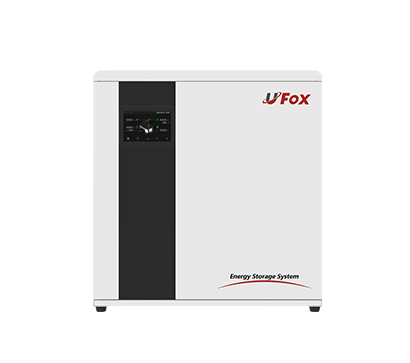
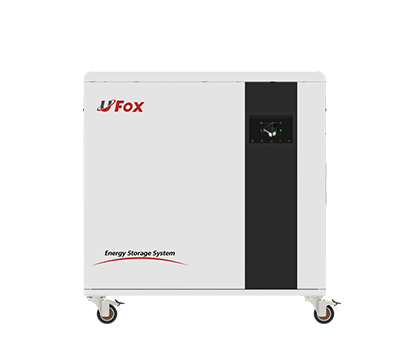
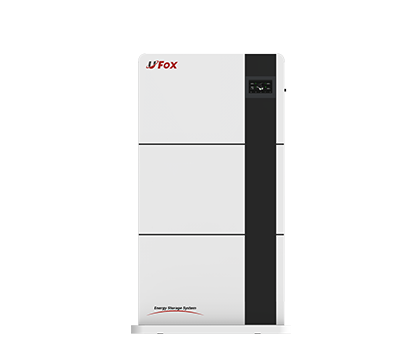
Future inverter designs are expected to incorporate additional functionalities beyond basic power conversion. For instance, inverters may integrate energy storage, home automation, and grid interaction capabilities, providing comprehensive energy management solutions for residential and commercial users.
Conclusion
High-efficiency inverter solutions are at the forefront of technological innovations aimed at addressing global energy and environmental challenges. By continually pushing the boundaries of efficiency and performance, these inverters not only enhance the utilization of renewable energy sources but also contribute to a more sustainable and prosperous future. As technology continues to evolve, the integration of advanced materials, digital technologies, and innovative designs will further propel the development of high-efficiency inverters, enabling them to play an even more critical role in meeting our energy needs.




 German
 Italian
 Japanese
 Global (English)
 Chinese
 Spanish
 French


