

In today's world, where energy efficiency and sustainability are of utmost importance, high-efficiency inverter solutions play a crucial role. Inverters are devices that convert direct current (DC) power into alternating current (AC) power, enabling the use of renewable energy sources such as solar panels and wind turbines. In this article, we will explore the various aspects of high-efficiency inverter solutions, including their types, features, benefits, and applications.
I. Introduction
Inverters are an essential component of any renewable energy system. They convert the DC power generated by solar panels or wind turbines into AC power that can be used to power homes, businesses, and industries. High-efficiency inverters are designed to maximize the energy output of renewable energy systems while minimizing energy losses. They offer several advantages over traditional inverters, including higher efficiency, better reliability, and longer lifespan.
II. Types of High-Efficiency Inverters
1. String Inverters
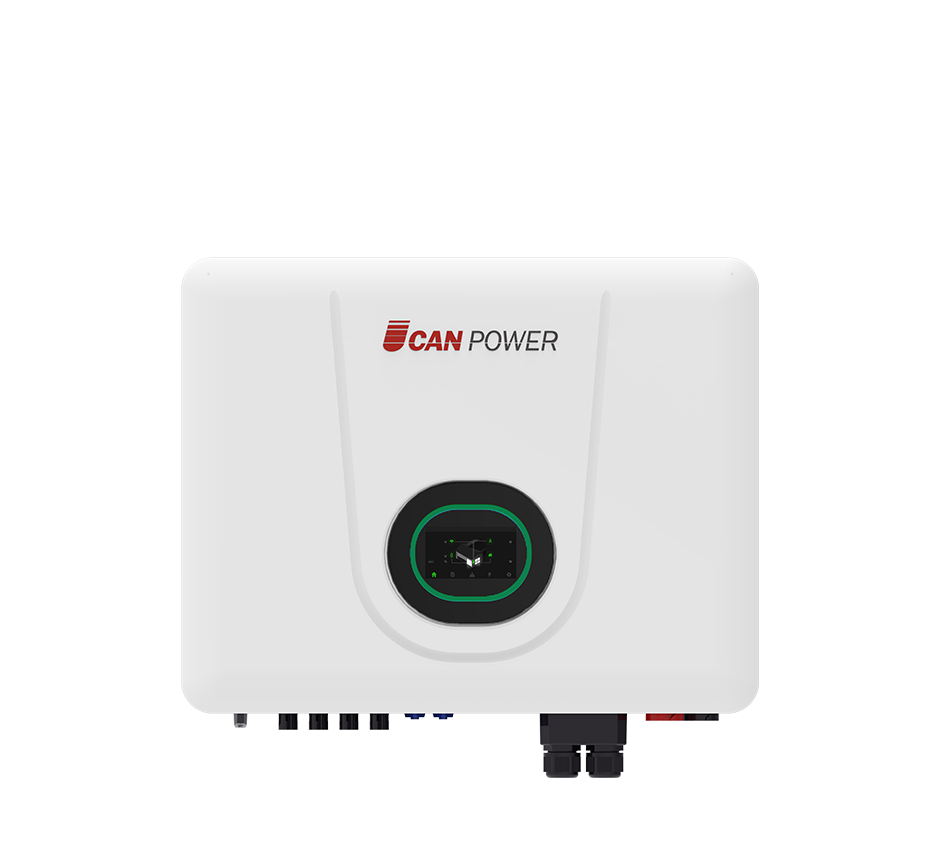
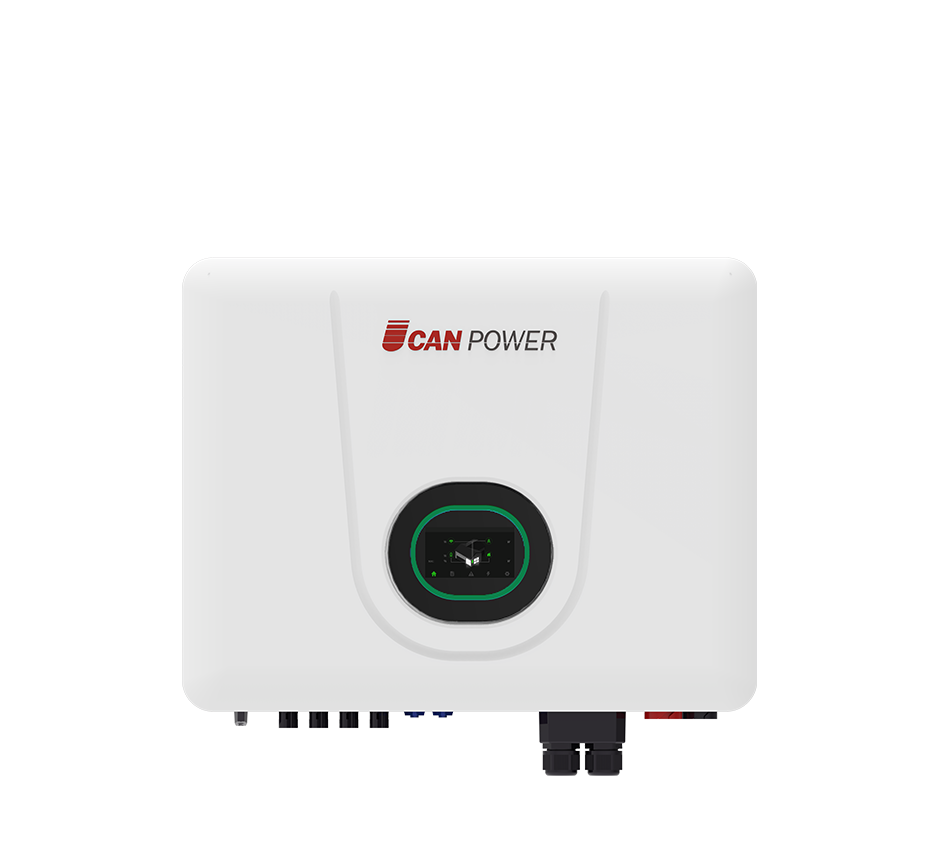
String inverters are the most common type of inverter used in solar power systems. They are connected to a series of solar panels (a string) and convert the DC power generated by the panels into AC power. String inverters are available in different power ratings and can be used for both residential and commercial applications.
2. Microinverters
Microinverters are small inverters that are attached to each individual solar panel. They convert the DC power generated by the panel into AC power and send it directly to the electrical grid. Microinverters offer several advantages over string inverters, including higher efficiency, better monitoring capabilities, and increased reliability.
3. Central Inverters
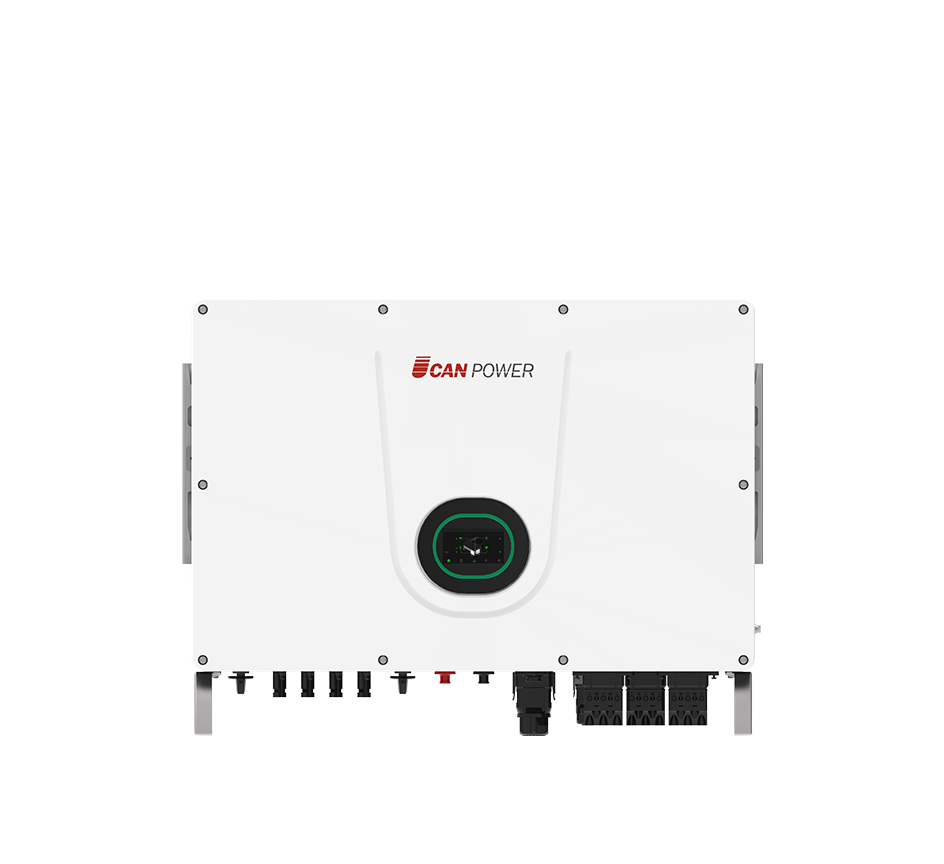
Central inverters are large inverters that are used in large-scale solar power plants. They are connected to multiple strings of solar panels and convert the DC power generated by the panels into AC power. Central inverters are available in very high power ratings and are designed for maximum efficiency and reliability.
III. Features of High-Efficiency Inverters
1. High Efficiency
The most important feature of high-efficiency inverters is their high conversion efficiency. They are designed to convert DC power into AC power with minimal energy losses, maximizing the energy output of renewable energy systems. High-efficiency inverters typically have an efficiency rating of 95% or higher.
2. Advanced Monitoring and Control
High-efficiency inverters come with advanced monitoring and control features that allow users to monitor the performance of their renewable energy systems in real-time. These features include remote monitoring, data logging, and fault detection, enabling users to quickly identify and address any issues that may arise.
3. Reliability and Durability
High-efficiency inverters are designed to be highly reliable and durable. They are built with high-quality components and are tested to withstand harsh environmental conditions, ensuring long-term performance and minimal maintenance requirements.
4. Grid-Tie Capability
Most high-efficiency inverters are grid-tied, meaning they can be connected to the electrical grid and feed excess power back to the grid. This allows users to earn credits or payments from their utility company, reducing their electricity bills and increasing the economic viability of renewable energy systems.
IV. Benefits of High-Efficiency Inverter Solutions
1. Energy Savings
High-efficiency inverters can significantly reduce energy losses, resulting in lower electricity bills and increased energy savings. By maximizing the energy output of renewable energy systems, they can help users reduce their reliance on fossil fuels and lower their carbon footprint.
2. Increased Reliability
High-efficiency inverters are designed to be highly reliable and durable, reducing the risk of system failures and downtime. This ensures a continuous supply of power and increases the overall reliability of renewable energy systems.
3. Better Monitoring and Control
The advanced monitoring and control features of high-efficiency inverters allow users to monitor the performance of their renewable energy systems in real-time. This enables them to quickly identify and address any issues that may arise, improving the efficiency and reliability of the system.
4. Environmental Benefits
By using high-efficiency inverters in renewable energy systems, users can reduce their carbon footprint and contribute to a more sustainable future. Renewable energy sources such as solar and wind power are clean and renewable, reducing the reliance on fossil fuels and minimizing environmental damage.
V. Applications of High-Efficiency Inverter Solutions
1. Residential Solar Power Systems
High-efficiency inverters are widely used in residential solar power systems. They allow homeowners to generate their own electricity and reduce their reliance on the grid. With the increasing popularity of solar power, high-efficiency inverters are becoming an essential component of residential renewable energy systems.
2. Commercial and Industrial Solar Power Systems
High-efficiency inverters are also used in commercial and industrial solar power systems. These systems are often larger in scale and require inverters with higher power ratings and advanced features. High-efficiency inverters can help businesses and industries reduce their electricity costs and increase their energy independence.
3. Wind Power Systems
Inverters are also used in wind power systems to convert the DC power generated by wind turbines into AC power. High-efficiency inverters can improve the efficiency and reliability of wind power systems, making them a viable alternative to traditional fossil fuel-based power generation.
4. Off-Grid Power Systems
High-efficiency inverters are essential for off-grid power systems, where there is no access to the electrical grid. These systems rely on renewable energy sources such as solar panels and wind turbines to generate electricity, and high-efficiency inverters are used to convert the DC power into AC power for use in homes, businesses, and industries.
VI. Future Trends in High-Efficiency Inverter Solutions
1. Increased Efficiency
As technology continues to advance, we can expect to see further improvements in the efficiency of inverters. High-efficiency inverters with even higher conversion efficiencies will be developed, reducing energy losses and maximizing the energy output of renewable energy systems.
2. Intelligent Monitoring and Control
The future of high-efficiency inverters will likely involve more intelligent monitoring and control features. These features will include advanced algorithms for optimizing system performance, predictive maintenance capabilities, and integration with smart grid technologies.
3. Hybrid Inverter Solutions
Hybrid inverter solutions that combine multiple renewable energy sources and energy storage systems will become more popular. These inverters will be able to manage the flow of power from different sources and optimize the energy output of the system, providing a more reliable and sustainable power supply.
4. Miniaturization and Cost Reduction
As the demand for renewable energy systems continues to grow, we can expect to see a trend towards miniaturization and cost reduction in high-efficiency inverters. Smaller, more affordable inverters will make renewable energy systems more accessible to a wider range of users.
VII. Conclusion
High-efficiency inverter solutions are essential for maximizing the energy output of renewable energy systems and reducing energy losses. With their advanced features, benefits, and applications, high-efficiency inverters are playing a crucial role in the transition to a more sustainable future. As technology continues to advance, we can expect to see further improvements in the efficiency, reliability, and functionality of inverters, making renewable energy systems even more viable and accessible.




 German
 Italian
 Japanese
 Global (English)
 Chinese
 Spanish
 French


