

In today's world, where the demand for clean and sustainable energy sources is on the rise, hybrid solar energy solutions have emerged as a promising alternative. These solutions combine the power of solar energy with other energy sources or technologies to provide a more reliable and efficient energy supply. In this article, we will explore the various aspects of hybrid solar energy solutions, including their benefits, types, components, applications, and future prospects.
I. Introduction
Solar energy is one of the most abundant and clean sources of energy available. However, it is also intermittent in nature, depending on factors such as sunlight availability and weather conditions. Hybrid solar energy solutions aim to address this limitation by combining solar energy with other energy sources or technologies to ensure a continuous and reliable energy supply. These solutions can include the integration of solar panels with energy storage systems, diesel generators, wind turbines, or other renewable energy sources.
II. Benefits of Hybrid Solar Energy Solutions
A. Increased Reliability
One of the main benefits of hybrid solar energy solutions is increased reliability. By combining solar energy with other energy sources or technologies, these solutions can provide a continuous energy supply even when solar energy is not available. For example, in a hybrid solar-diesel system, the diesel generator can kick in when there is insufficient sunlight to meet the energy demand. This ensures that there is no interruption in the power supply, making hybrid solar energy solutions ideal for applications where reliability is crucial, such as hospitals, telecommunications towers, and remote industrial sites.
B. Cost Savings
Hybrid solar energy solutions can also lead to cost savings. Although the initial investment for a hybrid system may be higher than that for a standalone solar system, the combination of solar energy with other energy sources can reduce the overall operating costs. For instance, in a hybrid solar-wind system, the wind turbines can generate electricity during periods when the solar panels are not producing enough power. This reduces the reliance on expensive diesel generators or grid electricity, resulting in significant cost savings over time.
C. Environmental Sustainability
Another advantage of hybrid solar energy solutions is their environmental sustainability. By combining solar energy with other renewable energy sources, these solutions can reduce the carbon footprint and dependence on fossil fuels. For example, a hybrid solar-biomass system can use biomass as a backup fuel source, reducing the consumption of diesel or gasoline. This not only helps to protect the environment but also contributes to the global efforts to combat climate change.
D. Energy Independence
Hybrid solar energy solutions can also provide energy independence. By generating their own electricity, users can reduce their reliance on the grid and become less vulnerable to power outages and fluctuations in electricity prices. This is particularly important in remote areas where grid access is limited or unreliable. With a hybrid solar energy system, users can have a reliable and self-sufficient source of power, enhancing their energy security and resilience.
III. Types of Hybrid Solar Energy Solutions
A. Solar-Diesel Hybrid Systems
Solar-diesel hybrid systems are one of the most common types of hybrid solar energy solutions. These systems combine solar panels with diesel generators to provide a reliable and cost-effective energy supply. The solar panels generate electricity during the day, while the diesel generator kicks in when there is insufficient sunlight or during peak demand periods. This combination can reduce the fuel consumption and operating costs of the diesel generator, while also providing a cleaner and more sustainable energy source.
B. Solar-Wind Hybrid Systems
Solar-wind hybrid systems combine solar panels with wind turbines to take advantage of the complementary nature of these two renewable energy sources. Wind turbines can generate electricity during periods when there is little or no sunlight, while solar panels can produce power during the day. This combination can provide a more consistent and reliable energy supply than a standalone solar or wind system.
C. Solar-Biomass Hybrid Systems
Solar-biomass hybrid systems combine solar energy with biomass as a backup fuel source. Biomass can be used to generate electricity or heat when the solar panels are not producing enough power. This combination can reduce the consumption of fossil fuels and provide a more sustainable energy solution. Biomass can be sourced from agricultural waste, forest residues, or dedicated energy crops.
D. Solar-Storage Hybrid Systems
Solar-storage hybrid systems combine solar panels with energy storage systems such as batteries or pumped hydro storage. The energy storage system stores excess electricity generated by the solar panels during the day and releases it when needed, such as during peak demand periods or at night. This combination can provide a more reliable and flexible energy supply, reducing the reliance on the grid and increasing energy independence.
IV. Components of Hybrid Solar Energy Solutions
A. Solar Panels
Solar panels are the main component of hybrid solar energy solutions. They convert sunlight into electricity using photovoltaic cells. Solar panels come in different sizes and power ratings, and the choice of solar panels depends on the energy demand and available space.
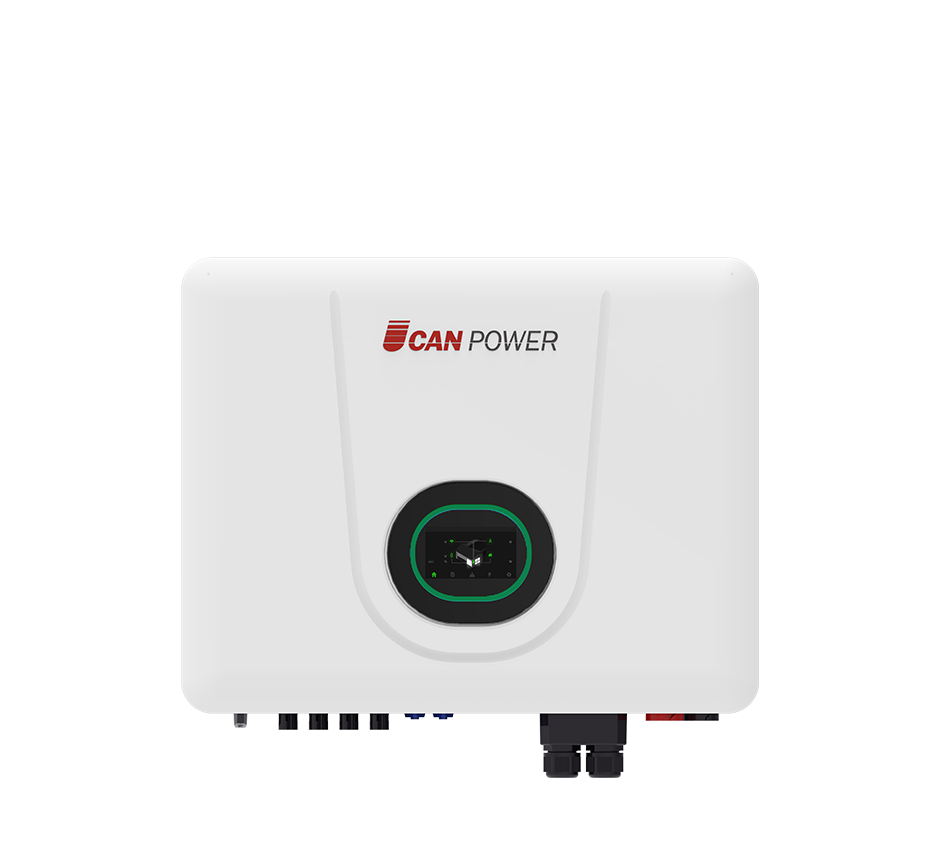
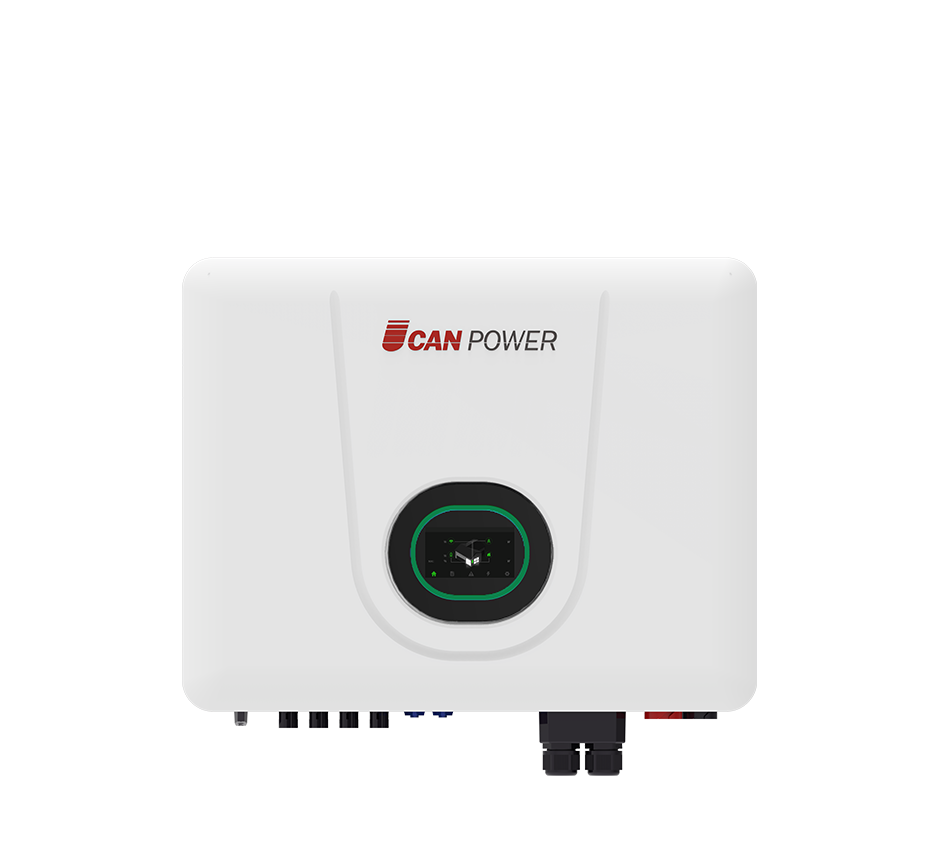
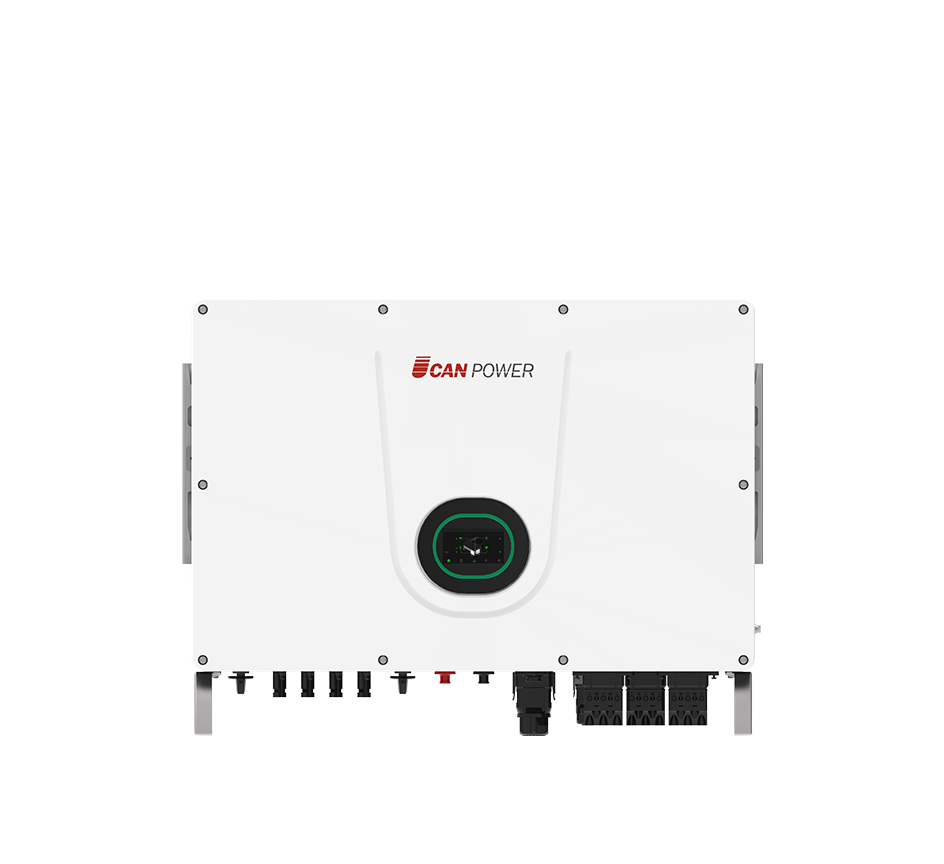
B. Inverters
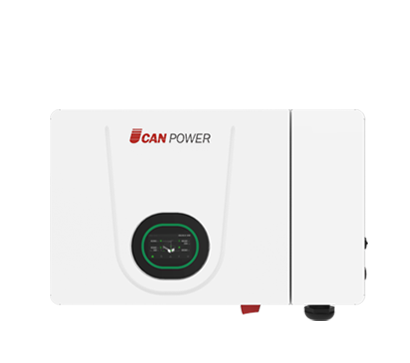
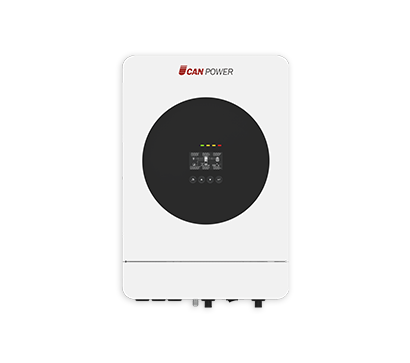
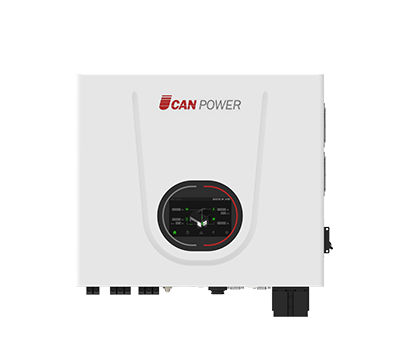
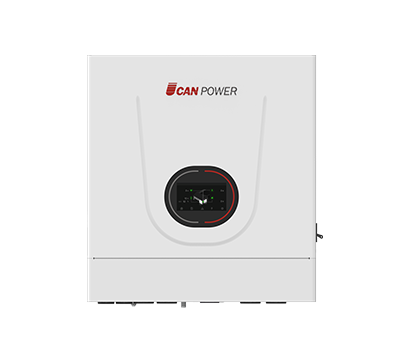
Inverters are used to convert the direct current (DC) electricity generated by the solar panels into alternating current (AC) electricity that can be used by household appliances and other electrical devices. Inverters also play a crucial role in managing the power flow between the solar panels, energy storage systems, and other components of the hybrid system.
C. Energy Storage Systems
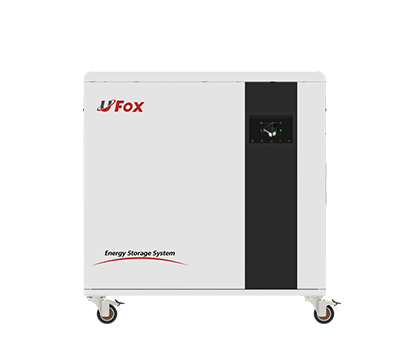
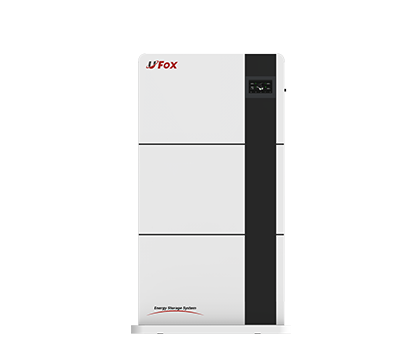
Energy storage systems are an important component of hybrid solar energy solutions. They store excess electricity generated by the solar panels or other energy sources for later use. Energy storage systems can include batteries, pumped hydro storage, or compressed air energy storage. The choice of energy storage system depends on factors such as the energy demand, available space, and cost.
D. Backup Generators
Backup generators are used in hybrid solar energy solutions to provide power when there is insufficient sunlight or when the energy storage system is depleted. Backup generators can be diesel generators, natural gas generators, or other types of generators. The choice of backup generator depends on factors such as the energy demand, fuel availability, and cost.
E. Control Systems
Control systems are used to manage and optimize the power flow between the different components of the hybrid solar energy system. Control systems can include programmable logic controllers (PLCs), microcontrollers, or other types of control devices. They monitor the energy production and consumption, adjust the power output of the solar panels and backup generators, and manage the charging and discharging of the energy storage system.
V. Applications of Hybrid Solar Energy Solutions
A. Remote Areas
Hybrid solar energy solutions are ideal for powering remote areas where grid access is limited or unreliable. These solutions can provide a reliable and self-sufficient source of power for communities, schools, hospitals, and other essential facilities. For example, in rural areas of developing countries, hybrid solar-diesel systems are being used to provide electricity for lighting, cooking, and other basic needs.
B. Industrial Sites
Industrial sites often have high energy demands and require a reliable power supply. Hybrid solar energy solutions can help reduce the operating costs and carbon footprint of industrial facilities by providing a combination of solar energy and other energy sources. For example, in manufacturing plants, hybrid solar-storage systems can be used to power production lines during peak demand periods, reducing the reliance on the grid and saving on electricity costs.
C. Telecommunications Towers
Telecommunications towers require a continuous power supply to ensure reliable communication services. Hybrid solar energy solutions can provide a reliable and cost-effective power source for telecommunications towers, reducing the reliance on diesel generators and grid electricity. For example, in remote areas where grid access is limited, hybrid solar-diesel systems are being used to power telecommunications towers, ensuring uninterrupted communication services.
D. Off-Grid Homes
Off-grid homes are not connected to the grid and rely on alternative energy sources for their power needs. Hybrid solar energy solutions can provide a sustainable and reliable power supply for off-grid homes, combining solar energy with energy storage systems and backup generators. For example, in remote areas where grid extension is not feasible, hybrid solar-storage systems are being used to power homes, providing electricity for lighting, heating, and other essential needs.
VI. Future Prospects of Hybrid Solar Energy Solutions
A. Technological Advancements
As technology continues to advance, hybrid solar energy solutions are expected to become more efficient, reliable, and cost-effective. For example, improvements in solar panel efficiency, energy storage technologies, and control systems will lead to better performance and longer lifespan of hybrid systems. Additionally, the development of new materials and manufacturing processes will reduce the cost of hybrid solar energy solutions, making them more accessible to a wider range of users.
B. Increased Adoption
With the growing demand for clean and sustainable energy sources, hybrid solar energy solutions are expected to see increased adoption in the coming years. Governments and organizations around the world are promoting the use of renewable energy and providing incentives for the installation of hybrid solar energy systems. Additionally, as the cost of hybrid systems continues to decline, more users will be able to afford and install these solutions, leading to a wider adoption.
C. Integration with Smart Grids
As the power grid becomes more intelligent and decentralized, hybrid solar energy solutions can be integrated with smart grids to provide a more flexible and reliable energy supply. Smart grids can manage the power flow between different energy sources and consumers, optimizing the use of renewable energy and reducing the reliance on fossil fuels. Hybrid solar energy systems can play a crucial role in this transition by providing a local source of clean energy that can be integrated with the grid.
D. Innovation and Collaboration
The future of hybrid solar energy solutions will also depend on innovation and collaboration between different stakeholders. Researchers, manufacturers, and policymakers need to work together to develop new technologies, improve existing systems, and create supportive policies and regulations. Additionally, collaboration between different industries and sectors can lead to the development of innovative hybrid solar energy solutions that address specific needs and challenges.
hybrid solar energy solutions offer a promising alternative to traditional energy sources, providing a more reliable, cost-effective, and sustainable energy supply. With technological advancements, increased adoption, integration with smart grids, and innovation and collaboration, hybrid solar energy solutions are expected to play a significant role in the transition to a clean and sustainable energy future.




 German
 Italian
 Japanese
 Global (English)
 Chinese
 Spanish
 French


