Introduction
These solutions combine the power of solar energy with other complementary technologies to provide a more reliable, efficient, and cost-effective source of power. In this article, we will explore the concept of hybrid solar energy solutions, their benefits, components, applications, and future prospects.
I. Understanding Hybrid Solar Energy Solutions
Hybrid solar energy solutions refer to systems that combine solar photovoltaic (PV) panels with other energy sources or technologies to generate electricity. These solutions can include combinations of solar PV with wind turbines, diesel generators, battery storage systems, or other renewable energy sources. The goal of a hybrid solar energy system is to optimize the generation and use of electricity while reducing reliance on traditional fossil fuels.
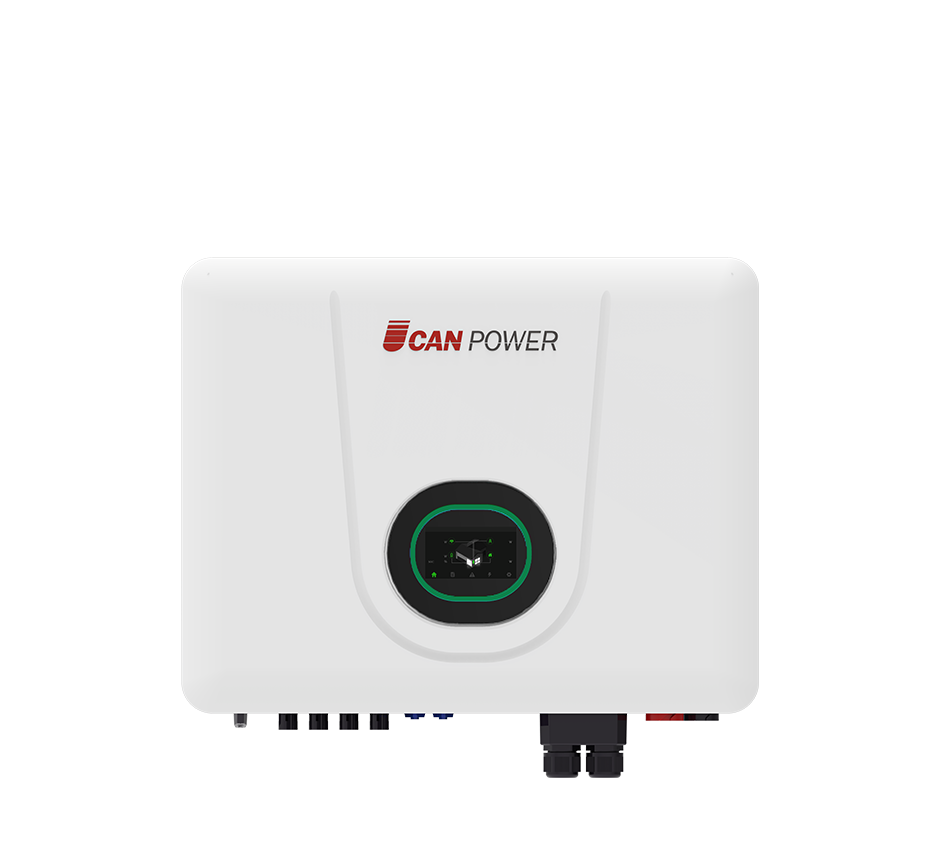
II. Benefits of Hybrid Solar Energy Solutions
Increased Reliability
One of the main benefits of hybrid solar energy solutions is increased reliability. By combining solar PV with other energy sources, the system can continue to generate electricity even when the sun is not shining. For example, a hybrid system that includes a diesel generator can provide backup power during periods of extended cloudy weather or when the solar panels are not producing enough electricity.
Improved Efficiency
Hybrid solar energy solutions can also improve the overall efficiency of the power generation system. By using multiple energy sources, the system can be optimized to meet the specific energy needs of a particular location or application. For example, a hybrid system that combines solar PV with battery storage can store excess electricity generated during the day for use at night or during peak demand periods.
Cost Savings
Another advantage of hybrid solar energy solutions is cost savings. By reducing reliance on traditional fossil fuels, hybrid systems can lower electricity costs over the long term. Additionally, many hybrid systems can be designed to take advantage of government incentives and tax credits for renewable energy projects, further reducing the overall cost of the system.
Environmental Sustainability
Hybrid solar energy solutions are also environmentally sustainable. By using renewable energy sources, these systems can reduce greenhouse gas emissions and help combat climate change. Additionally, hybrid systems can be designed to minimize waste and environmental impact by using recycled materials and energy-efficient components.
III. Components of Hybrid Solar Energy Solutions
Solar Photovoltaic (PV) Panels
Solar PV panels are the primary component of most hybrid solar energy solutions. These panels convert sunlight into electricity using the photovoltaic effect. Solar PV panels can be installed on rooftops, in open fields, or on other suitable locations to maximize exposure to sunlight.
Battery Storage Systems
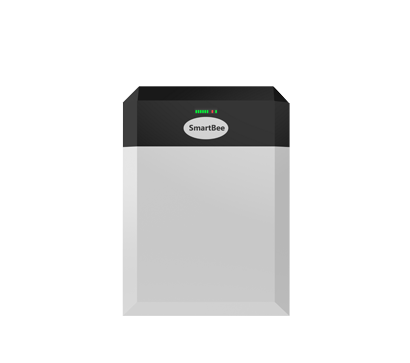
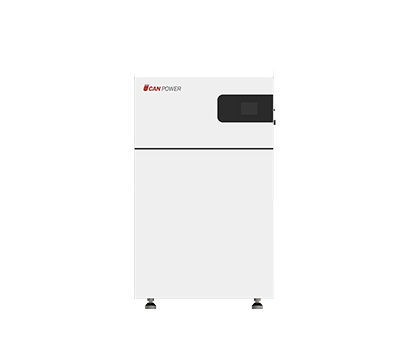
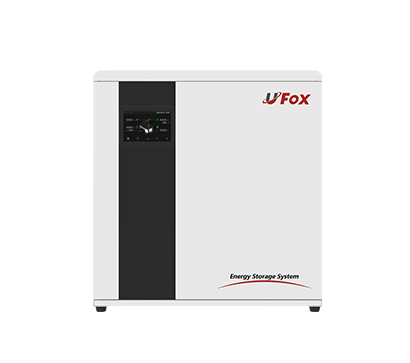
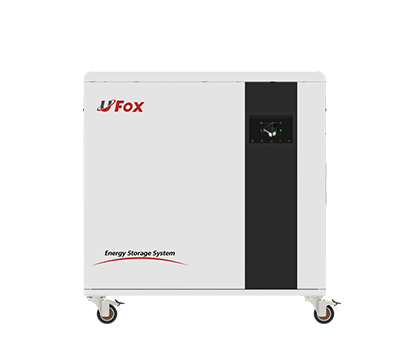
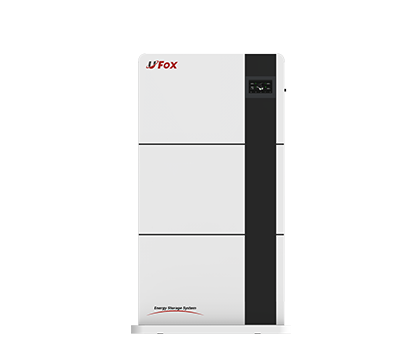
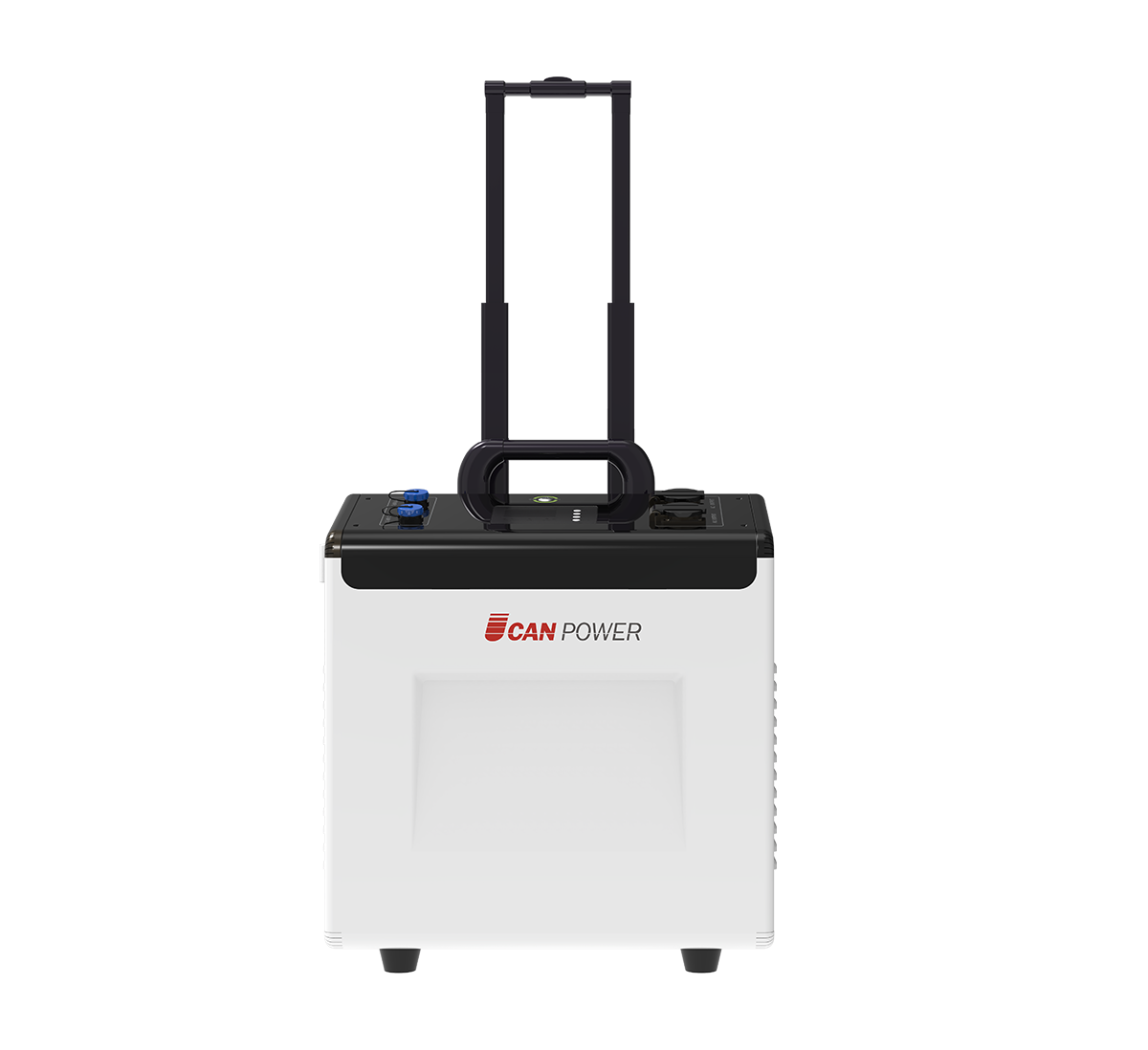
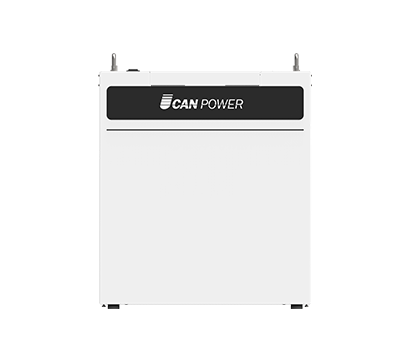
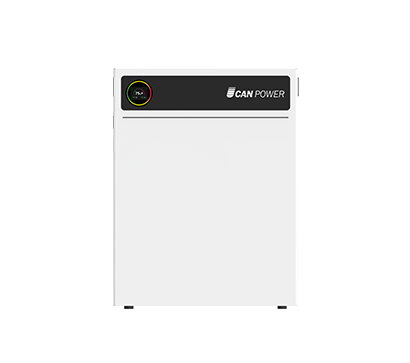
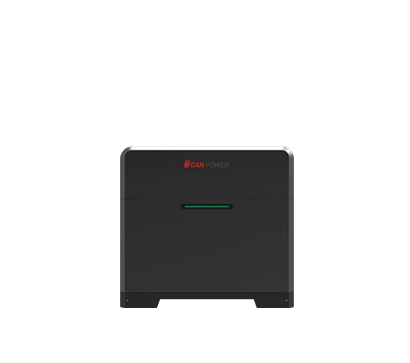
Battery storage systems are often used in hybrid solar energy solutions to store excess electricity generated by the solar panels. These systems can be used to provide backup power during periods of low sunlight or high demand, and can also help smooth out fluctuations in power output from the solar panels.
Inverters
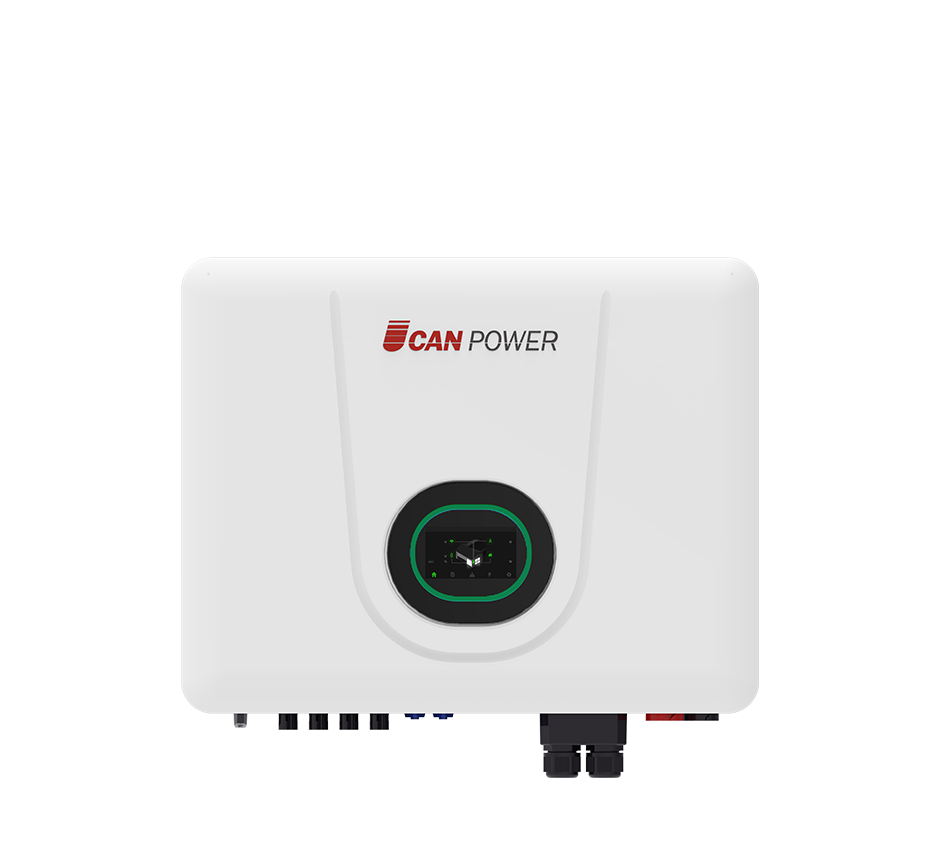
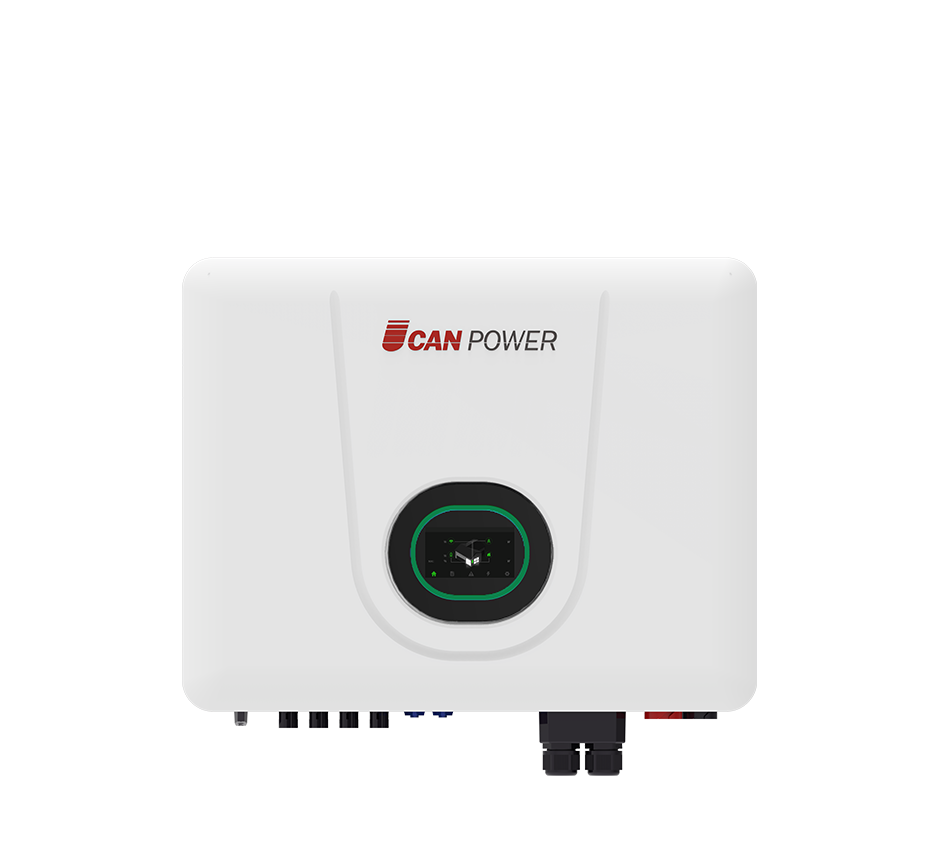
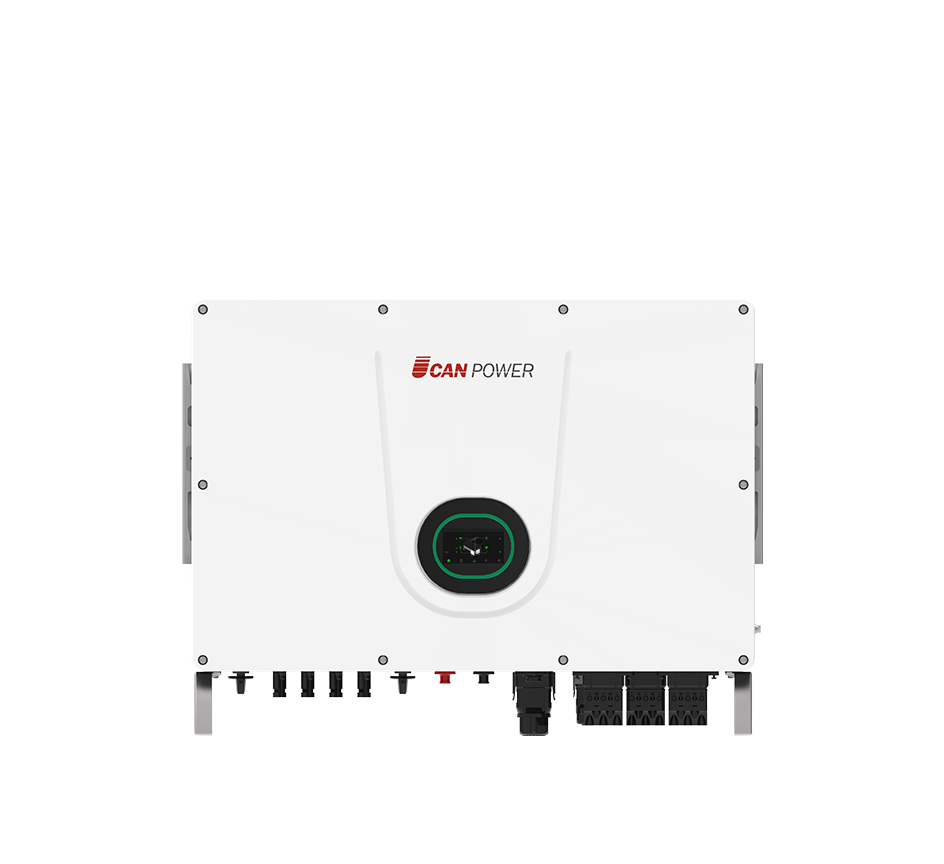
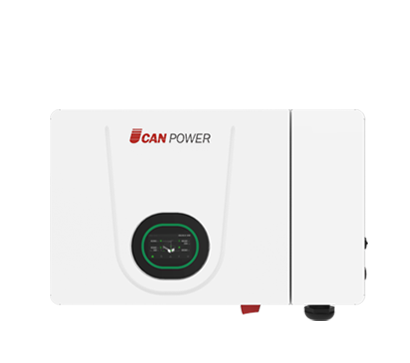
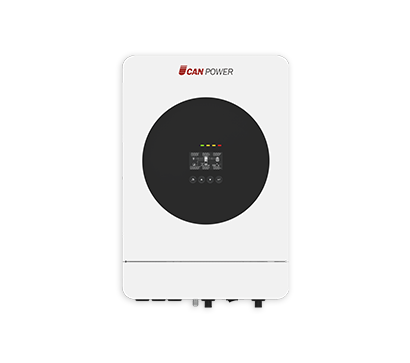
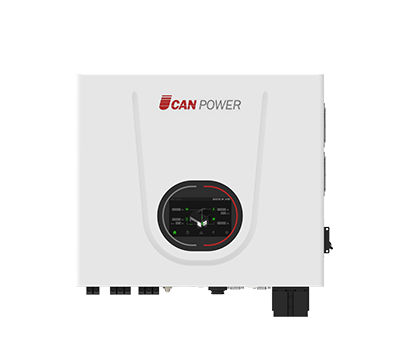
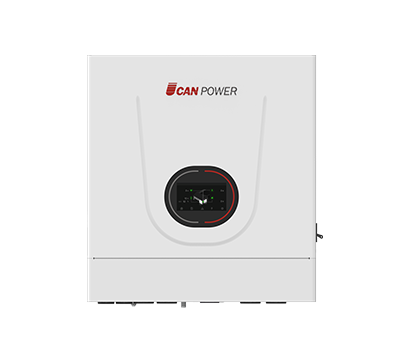
Inverters are used in hybrid solar energy solutions to convert the direct current (DC) electricity generated by the solar panels and battery storage systems into alternating current (AC) electricity that can be used to power homes, businesses, and other electrical loads.
Other Energy Sources
Depending on the specific design of the hybrid solar energy system, other energy sources may be included such as wind turbines, diesel generators, or micro-hydro turbines. These additional energy sources can provide backup power or supplement the electricity generated by the solar panels during periods of low sunlight or high demand.
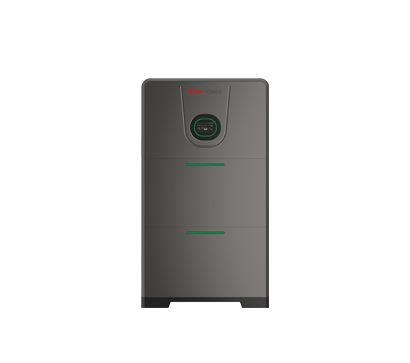
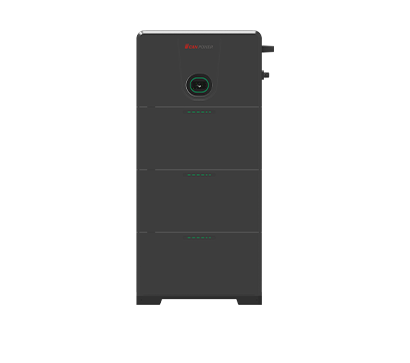
IV. Applications of Hybrid Solar Energy Solutions
Residential Homes
Hybrid solar energy solutions can be used to power residential homes, providing a reliable and cost-effective source of electricity. These systems can be designed to meet the specific energy needs of a particular home, and can include features such as battery storage to provide backup power during power outages.
Commercial and Industrial Buildings
Hybrid solar energy solutions can also be used in commercial and industrial buildings to reduce electricity costs and improve environmental sustainability. These systems can be designed to meet the high energy demands of large buildings, and can include features such as energy management systems to optimize power usage.
Remote Locations
Hybrid solar energy solutions are ideal for powering remote locations such as cabins, campsites, and off-grid communities. These systems can be designed to be self-sufficient, providing reliable power even in areas where access to the electrical grid is limited or unavailable.
Developing Countries
Hybrid solar energy solutions can play an important role in providing electricity to developing countries where access to the electrical grid is limited. These systems can be designed to be affordable and easy to install, providing a reliable source of power for schools, hospitals, and other essential services.
V. Future Prospects of Hybrid Solar Energy Solutions
Technological Advancements
As technology continues to advance, hybrid solar energy solutions are expected to become even more efficient and cost-effective. New materials and manufacturing processes are being developed for solar PV panels, battery storage systems, and other components, which will improve the performance and durability of these systems.
Increased Adoption
The growing demand for clean and sustainable energy is expected to drive increased adoption of hybrid solar energy solutions in the coming years. As the cost of these systems continues to decline and government incentives for renewable energy projects increase, more homeowners, businesses, and communities will turn to hybrid solar energy as a viable alternative to traditional fossil fuels.
Integration with Smart Grids
Hybrid solar energy solutions are expected to play an important role in the development of smart grids. These systems can be integrated with smart grid technologies to provide real-time monitoring and control of power generation and consumption, enabling more efficient use of renewable energy sources and reducing the strain on the electrical grid.
Customization and Scalability
As the market for hybrid solar energy solutions grows, there will be an increased demand for customized and scalable systems that can be tailored to meet the specific needs of different applications and locations. This will lead to the development of more innovative and flexible hybrid solar energy solutions that can be easily integrated into existing power systems.
Conclusion
Hybrid solar energy solutions offer a promising alternative to traditional fossil fuels, providing a more reliable, efficient, and cost-effective source of power. By combining the power of solar energy with other complementary technologies, these systems can help reduce greenhouse gas emissions, improve energy security, and lower electricity costs. As technology continues to advance and the demand for clean energy grows, hybrid solar energy solutions are expected to play an increasingly important role in the future of energy.





 German
 Italian
 Japanese
 Global (English)
 Chinese
 Spanish
 French


