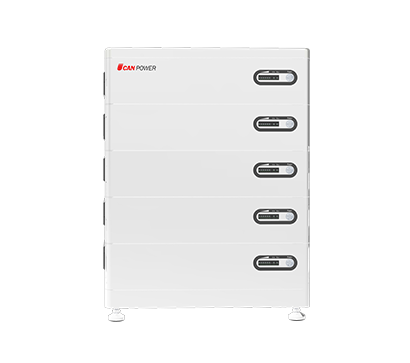
In an era of increasing demand for reliable and clean energy sources, integrated energy storage solutions are emerging as a crucial element in the transformation of the energy landscape. These solutions combine various technologies and strategies to store energy efficiently, manage power flows, and enhance the stability and resilience of energy systems. This article provides a comprehensive exploration of integrated energy storage solutions, covering their importance, types, applications, benefits, challenges, and future prospects.
I. Introduction
The global energy sector is facing multiple challenges, including the need to reduce greenhouse gas emissions, ensure energy security, and meet the growing demand for electricity. Energy storage plays a vital role in addressing these challenges by providing a means to store excess energy generated from renewable sources, smooth out power fluctuations, and provide backup power during outages. Integrated energy storage solutions take this concept further by combining different storage technologies and integrating them with power generation, distribution, and consumption systems.
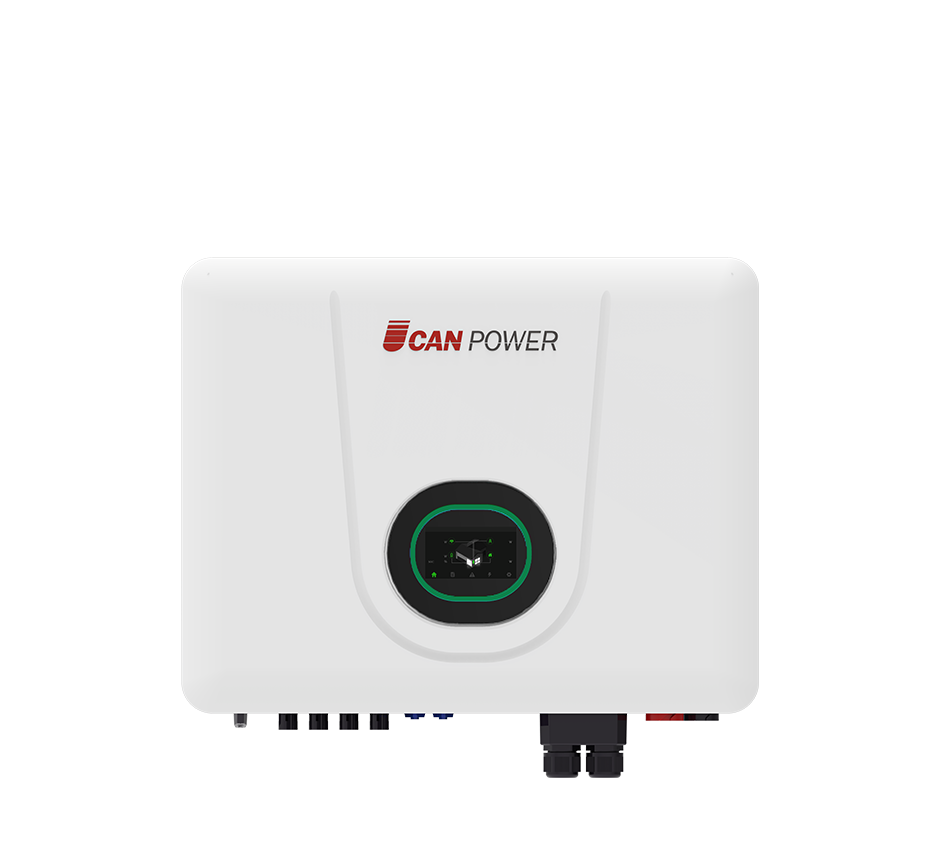
II. Importance of Integrated Energy Storage Solutions
Renewable Energy Integration
One of the main drivers for integrated energy storage solutions is the increasing penetration of renewable energy sources such as solar and wind. These sources are intermittent in nature, meaning that their output varies depending on weather conditions. Energy storage can help balance the supply and demand of renewable energy by storing excess power when generation is high and releasing it when needed. Integrated energy storage solutions can optimize the integration of renewable energy into the grid, reducing the need for backup fossil fuel-based power plants and enhancing the reliability of the power system.
Grid Stability and Reliability
Energy storage can also contribute to grid stability and reliability by providing ancillary services such as frequency regulation, voltage support, and power quality improvement. Integrated energy storage solutions can be designed to respond quickly to changes in grid conditions, helping to maintain a stable power supply and prevent blackouts. In addition, energy storage can provide backup power during emergencies, ensuring the continuity of critical services such as hospitals, data centers, and communication networks.
Demand Management
Integrated energy storage solutions can help manage demand by shifting electricity consumption from peak to off-peak periods. This can reduce the strain on the grid during peak demand times and lower electricity costs for consumers. For example, energy storage systems can be charged during off-peak hours when electricity prices are low and discharged during peak hours to meet demand. This can also help utilities better manage their load profiles and reduce the need for new power plants.
Energy Independence and Resilience
By combining energy storage with renewable energy generation, integrated energy storage solutions can provide a degree of energy independence and resilience. Homes, businesses, and communities can generate their own electricity and store it for use when needed, reducing their reliance on the grid and increasing their ability to withstand power outages. This can be particularly important in remote areas or during natural disasters when grid power may be unavailable.
III. Types of Integrated Energy Storage Solutions
Battery Energy Storage Systems (BESS)
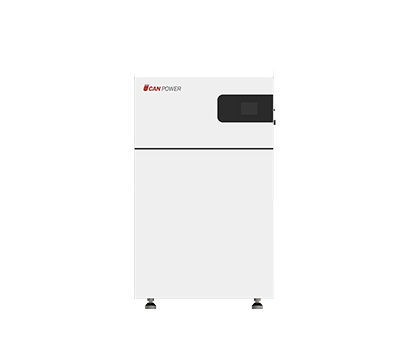
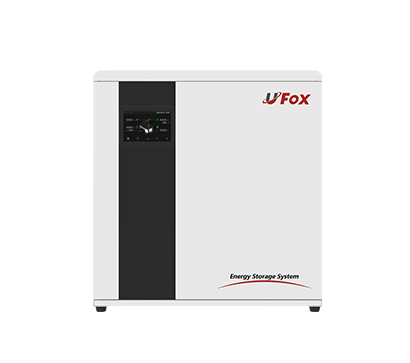
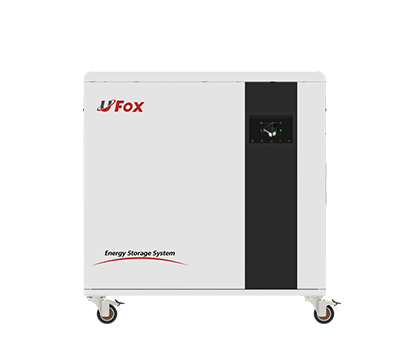
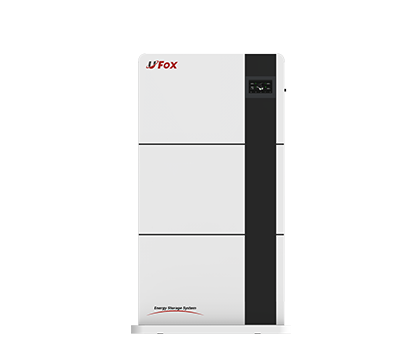
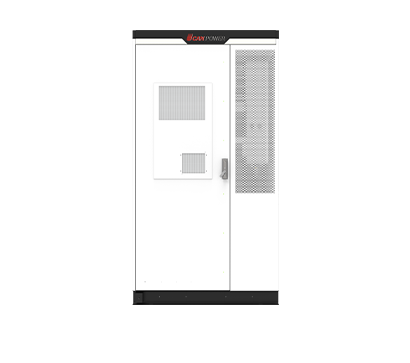
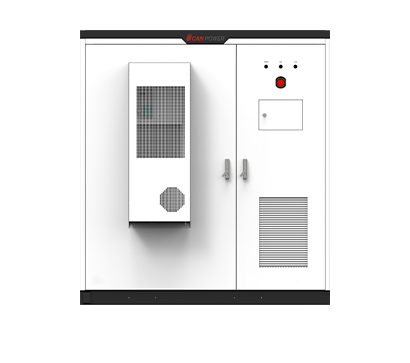
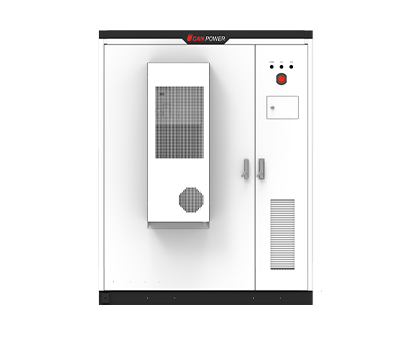
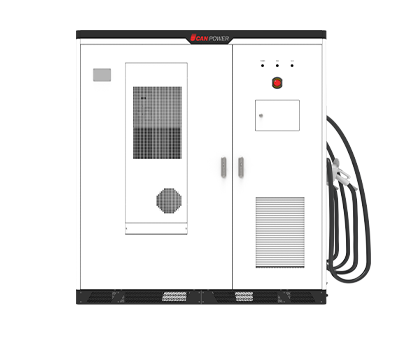
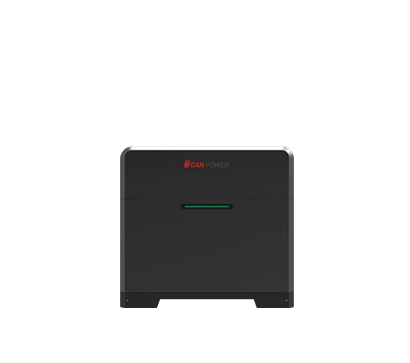
Battery energy storage systems are one of the most common types of integrated energy storage solutions. They use rechargeable batteries to store electrical energy and can be integrated with solar panels, wind turbines, or the grid. Lithium-ion batteries are currently the most popular choice for BESS due to their high energy density, long cycle life, and relatively low cost. Other types of batteries such as lead-acid, flow batteries, and sodium-sulfur batteries are also being used in some applications.
Pumped Hydro Storage (PHS)
Pumped hydro storage is a large-scale energy storage technology that uses water to store energy. During periods of low electricity demand, water is pumped from a lower reservoir to a higher reservoir. When electricity is needed, the water is released back down through turbines to generate electricity. PHS is a mature technology with high storage capacities and long discharge times, making it suitable for grid-scale applications.
Compressed Air Energy Storage (CAES)
Compressed air energy storage stores energy by compressing air and storing it in underground caverns or tanks. When electricity is needed, the compressed air is released and expanded through turbines to generate electricity. CAES can be integrated with renewable energy sources or the grid and offers high storage capacities and relatively low costs. However, it requires suitable geological formations for storage and may have some environmental impacts.
Thermal Energy Storage (TES)
Thermal energy storage uses heat or cold to store energy. It can be implemented in various forms such as molten salt storage, phase change materials, or water tanks. TES can be integrated with solar thermal power plants, industrial processes, or district heating and cooling systems. It offers high energy densities and can be used for long-term storage.
Flywheel Energy Storage (FES)
Flywheel energy storage stores energy in the form of kinetic energy by spinning a heavy rotor at high speeds. When electricity is needed, the rotor slows down, converting its kinetic energy into electrical energy. FES is suitable for short-term storage and can provide rapid response times for applications such as frequency regulation and power quality improvement.
IV. Applications of Integrated Energy Storage Solutions
Grid-Scale Applications
Integrated energy storage solutions can be used at the grid scale to enhance grid stability, manage peak demand, and integrate renewable energy. They can be located at substations, power plants, or distributed throughout the grid. Some examples of grid-scale applications include:
Frequency regulation: Energy storage systems can respond quickly to changes in grid frequency and help maintain a stable power supply.
Peak shaving: By storing energy during off-peak periods and discharging it during peak demand, energy storage can reduce the strain on the grid and lower electricity costs.
Renewable energy integration: Energy storage can store excess renewable energy and release it when needed, reducing the need for backup power plants and enhancing the reliability of the grid.
Grid resilience: Energy storage can provide backup power during emergencies and help restore power quickly after outages.
Commercial and Industrial Applications
Businesses and industries can also benefit from integrated energy storage solutions. They can use energy storage to reduce electricity costs, improve power quality, and enhance energy security. Some examples of commercial and industrial applications include:
Demand charge management: By shifting electricity consumption to off-peak periods, energy storage can help businesses reduce their demand charges, which are based on peak power consumption.
Backup power: Energy storage can provide backup power during outages, ensuring the continuity of critical operations.
Power quality improvement: Energy storage can smooth out power fluctuations and provide voltage support, improving the quality of power supplied to sensitive equipment.
Microgrids: Integrated energy storage can be part of a microgrid, providing power to a specific area such as a campus, industrial park, or military base.
Residential Applications
Homeowners can also use integrated energy storage solutions to reduce their electricity bills, increase energy independence, and enhance resilience. Some examples of residential applications include:
Solar + storage: By combining solar panels with energy storage, homeowners can generate their own electricity and store it for use at night or during power outages.
Time-of-use (TOU) optimization: Energy storage can be used to shift electricity consumption from peak TOU periods to off-peak periods, reducing electricity costs.
Backup power: Energy storage can provide backup power during outages, ensuring the comfort and safety of the home.
V. Benefits of Integrated Energy Storage Solutions
Cost Savings
Integrated energy storage solutions can help reduce electricity costs by optimizing energy consumption, reducing demand charges, and enabling the use of cheaper off-peak electricity. In addition, they can reduce the need for new power plants and transmission infrastructure, saving on capital costs.
Environmental Sustainability
By integrating renewable energy and reducing reliance on fossil fuels, integrated energy storage solutions can help reduce greenhouse gas emissions and improve air quality. They can also contribute to a more sustainable energy future by reducing the environmental impact of energy production and consumption.
Grid Stability and Reliability
Energy storage can enhance grid stability and reliability by providing ancillary services and backup power. This can reduce the risk of blackouts and power outages, improving the quality of life and economic productivity.
Energy Independence and Resilience
Integrated energy storage solutions can provide a degree of energy independence and resilience, allowing homes, businesses, and communities to generate and store their own electricity. This can be particularly important in times of crisis or when grid power is unavailable.
VI. Challenges of Integrated Energy Storage Solutions
Cost
The initial cost of integrated energy storage solutions can be high, although costs are declining as technology improves and economies of scale are achieved. The cost of batteries, in particular, can be a significant barrier to widespread adoption.
Performance and Reliability
Energy storage systems need to be reliable and perform well over their lifetime. Issues such as battery degradation, cycle life, and thermal management can affect the performance and reliability of integrated energy storage solutions.
Integration with Existing Infrastructure
Integrating energy storage solutions with existing power generation, distribution, and consumption systems can be complex and require significant engineering and regulatory efforts. Compatibility issues with different technologies and standards can also pose challenges.
Policy and Regulatory Framework
The policy and regulatory framework for energy storage is still evolving in many countries. Uncertainty about regulations, incentives, and grid access can make it difficult for investors and developers to make decisions about deploying integrated energy storage solutions.
VII. Future Prospects of Integrated Energy Storage Solutions
Technological Advancements
Continued research and development in energy storage technologies are expected to lead to further improvements in performance, cost, and reliability. New battery chemistries, advanced power electronics, and intelligent control systems are likely to emerge, making integrated energy storage solutions more attractive and accessible.
Market Growth
The market for integrated energy storage solutions is expected to grow rapidly in the coming years, driven by increasing demand for renewable energy integration, grid stability, and energy independence. As costs continue to decline and policies become more supportive, more businesses and consumers are likely to adopt these solutions.
Integration with Smart Grids
As the grid becomes more intelligent and decentralized, integrated energy storage solutions will play an important role in enabling the integration of distributed energy resources and providing grid services. Smart grid technologies such as advanced metering infrastructure, demand response, and energy management systems will enhance the functionality and value of energy storage.
Hybrid Solutions
Hybrid energy storage solutions that combine different storage technologies and power generation sources are likely to become more common. For example, a combination of batteries and pumped hydro storage or thermal energy storage can provide a more flexible and reliable energy storage solution.
VIII. Conclusion
Integrated energy storage solutions offer a promising way to address the challenges facing the energy sector and power a sustainable future. By combining different storage technologies and integrating them with power generation, distribution, and consumption systems, these solutions can enhance grid stability, manage peak demand, integrate renewable energy, and provide backup power. While there are still challenges to overcome, such as cost, performance, and integration, the future prospects for integrated energy storage solutions are bright. With continued technological advancements, market growth, and supportive policies, these solutions are likely to play an increasingly important role in the transformation of the energy landscape.





 German
 Italian
 Japanese
 Global (English)
 Chinese
 Spanish
 French