

I. Introduction
In today's world, where the demand for reliable and sustainable energy sources is on the rise, modular energy storage solutions have emerged as a game-changer. These solutions offer a flexible and scalable approach to energy storage, enabling efficient management of power supply and demand. In this article, we will explore the various aspects of modular energy storage solutions, including their working principles, benefits, applications, and future prospects.
II. Working Principles of Modular Energy Storage Solutions
A. Battery Technology
1. Lithium-Ion Batteries
Modular energy storage solutions often utilize lithium-ion batteries due to their high energy density, long cycle life, and relatively fast charging and discharging capabilities. Lithium-ion batteries work by shuttling lithium ions between the positive and negative electrodes during charge and discharge cycles. The energy is stored in the form of chemical potential energy, which can be converted back into electrical energy when needed.
2. Other Battery Technologies
In addition to lithium-ion batteries, modular energy storage solutions may also employ other battery technologies such as lead-acid batteries, flow batteries, and sodium-sulfur batteries. Each of these technologies has its own advantages and disadvantages in terms of energy density, cycle life, cost, and safety. The choice of battery technology depends on the specific requirements of the application and the trade-offs between different factors.
B. Power Conversion Systems
1. Inverters
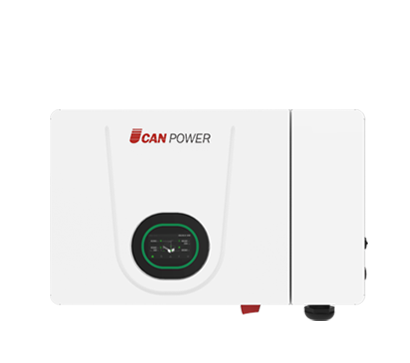
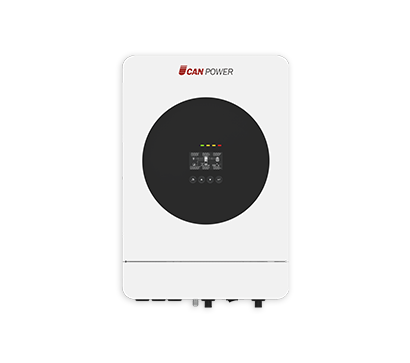
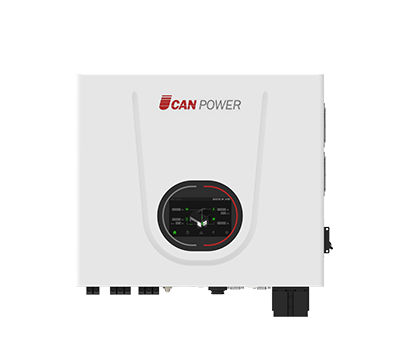
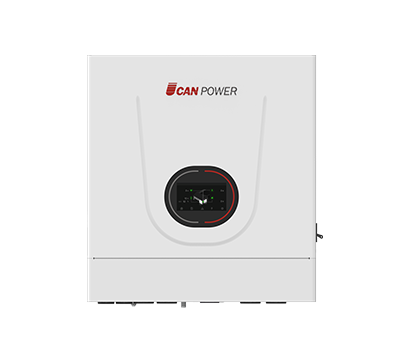
Modular energy storage solutions typically include inverters that convert the direct current (DC) output of the batteries into alternating current (AC) for use in powering electrical loads or feeding back into the grid. Inverters play a crucial role in ensuring the seamless integration of the energy storage system with the existing electrical infrastructure. They also provide voltage and frequency regulation to maintain stable power output.
2. Chargers
Chargers are used to recharge the batteries when excess power is available. They can be connected to renewable energy sources such as solar panels or wind turbines, or to the grid during off-peak hours when electricity prices are lower. Chargers need to be designed to handle the specific characteristics of the battery technology and ensure safe and efficient charging.
C. Control and Management Systems
1. Battery Management Systems (BMS)
A battery management system (BMS) is an essential component of modular energy storage solutions. It monitors and controls the charging and discharging of the batteries, ensuring safe operation and maximizing battery life. The BMS measures parameters such as battery voltage, current, temperature, and state of charge (SOC), and takes appropriate actions to prevent overcharging, over-discharging, and thermal runaway.
2. Energy Management Systems (EMS)
An energy management system (EMS) is responsible for optimizing the overall performance of the modular energy storage solution. It coordinates the interaction between the batteries, inverters, chargers, and other components, as well as with the external power grid and renewable energy sources. The EMS can implement various control strategies to manage power flow, balance supply and demand, and minimize energy costs.
III. Benefits of Modular Energy Storage Solutions
A. Flexibility and Scalability
1. Modular Design
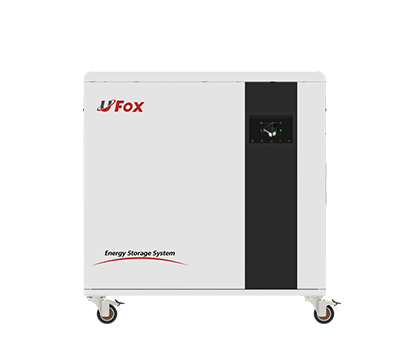
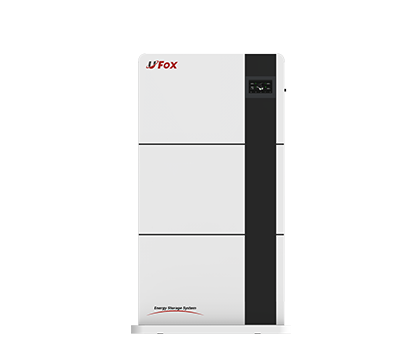
The modular nature of these solutions allows for easy expansion and customization. Modules can be added or removed as needed to meet changing energy storage requirements. This flexibility enables users to start with a small capacity and gradually scale up as their energy needs grow or as new opportunities arise.
2. Plug-and-Play Installation
Modular energy storage systems are often designed for plug-and-play installation, reducing installation time and complexity. The modules can be pre-assembled and tested at the factory, ensuring reliable performance and minimizing on-site installation errors.
3. Versatile Applications
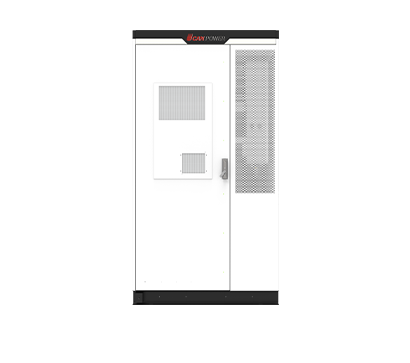
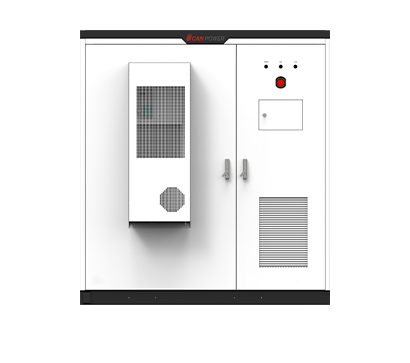
Modular energy storage solutions can be used in a wide range of applications, including residential, commercial, industrial, and utility-scale settings. They can be integrated with renewable energy sources such as solar panels and wind turbines, providing backup power, peak shaving, and grid stability services.
B. Cost-Effectiveness
1. Reduced Capital Costs
By using modular components, the initial investment cost of an energy storage system can be spread over time as the capacity is expanded. This makes it more affordable for users who may not have the budget for a large-scale system upfront. Additionally, modular systems can be optimized for specific applications, reducing unnecessary components and costs.
2. Lower Operating Costs
Modular energy storage solutions can help reduce operating costs by optimizing energy usage, reducing peak demand charges, and enabling the use of cheaper off-peak electricity. They can also increase the self-consumption of renewable energy, reducing reliance on the grid and saving on electricity bills.
3. Long-Term Cost Savings
With proper maintenance and management, modular energy storage systems can have a long lifespan, providing long-term cost savings. The batteries can be replaced or upgraded as needed, ensuring the continued performance and value of the system.
C. Enhanced Reliability and Resilience
1. Redundant Modules
Modular energy storage systems can be designed with redundant modules to ensure continuous operation in case of a module failure. This redundancy improves the reliability and availability of the system, reducing the risk of power outages and ensuring a stable power supply.
2. Distributed Storage
Modular energy storage can be distributed across multiple locations, reducing the impact of a single point of failure. This distributed approach also provides greater resilience to natural disasters and other disruptions, as the power can be sourced from multiple locations.
3. Fast Response Times
Modular energy storage solutions can respond quickly to changes in power demand or supply, providing immediate backup power or grid stability services. This fast response time is crucial for maintaining reliable power supply and ensuring the safety and functionality of critical infrastructure.
IV. Applications of Modular Energy Storage Solutions
A. Residential Energy Storage
1. Solar Self-Consumption
In residential settings, modular energy storage can be used to store excess solar energy generated during the day for use at night or during power outages. This increases the self-consumption of solar power, reducing reliance on the grid and saving on electricity bills.
2. Backup Power
Modular energy storage systems can provide backup power during grid outages, ensuring a continuous supply of electricity for essential appliances and devices. This is particularly important in areas prone to power outages or for households with critical medical equipment.
3. Demand Charge Management
Residential users can use modular energy storage to manage their peak demand charges by shifting their electricity usage to off-peak hours. This can result in significant savings on electricity bills, especially for households with high electricity consumption.
B. Commercial and Industrial Energy Storage
1. Peak Shaving
Commercial and industrial facilities can use modular energy storage to reduce their peak demand charges by storing energy during off-peak hours and discharging it during peak periods. This helps to lower electricity costs and improve energy efficiency.
2. Microgrids
Modular energy storage can be integrated into microgrids for commercial and industrial campuses, providing reliable power supply, grid stability, and backup power. Microgrids can operate independently from the main grid or in conjunction with it, depending on the needs of the facility.
3. Renewable Energy Integration
Commercial and industrial users can use modular energy storage to integrate renewable energy sources such as solar panels and wind turbines into their operations. The energy storage system can store excess renewable energy for use when the renewable source is not available, ensuring a continuous supply of clean power.
C. Utility-Scale Energy Storage
1. Grid Stabilization
Modular energy storage can play a crucial role in stabilizing the power grid by providing frequency regulation, voltage support, and spinning reserve services. These services help to maintain the balance between power supply and demand and ensure the reliable operation of the grid.
2. Renewable Energy Integration
Utility-scale modular energy storage can be used to store excess renewable energy generated during periods of high production and release it when needed, reducing the intermittency of renewable sources and improving grid integration.
3. Demand Response
Utilities can use modular energy storage to participate in demand response programs, where they can remotely control the charging and discharging of the storage system to respond to changes in power demand. This helps to manage peak demand and reduce the need for new power generation capacity.
V. Future Prospects of Modular Energy Storage Solutions
A. Technological Advancements
1. Improved Battery Technologies
Research and development efforts are ongoing to improve the performance and cost-effectiveness of battery technologies. This includes the development of new materials, such as solid-state electrolytes and advanced cathode and anode materials, as well as improvements in battery manufacturing processes. These advancements are expected to lead to higher energy density, longer cycle life, and faster charging and discharging capabilities, making modular energy storage solutions even more attractive.
2. Integration with Smart Grids
Modular energy storage solutions will increasingly be integrated with smart grids, enabling real-time monitoring and control of power flow. Smart grid technologies such as advanced metering infrastructure (AMI), demand response systems, and energy management software will allow for more efficient use of energy storage and better coordination with other grid components.
3. Hybrid Energy Storage Systems
The combination of different energy storage technologies, such as batteries and supercapacitors or flywheels, is expected to become more common in modular energy storage solutions. Hybrid systems can offer the advantages of multiple technologies, such as high power density and long energy storage duration, providing more flexible and efficient energy storage solutions.
B. Market Growth and Adoption
1. Increasing Demand for Renewable Energy
The growing demand for renewable energy sources such as solar and wind power is driving the need for energy storage solutions to manage the intermittency of these sources. Modular energy storage offers a flexible and scalable approach to meet this demand, making it an attractive option for renewable energy developers and utilities.
2. Government Incentives and Policies
Governments around the world are implementing policies and incentives to promote the adoption of energy storage solutions. This includes subsidies, tax credits, and feed-in tariffs for energy storage systems, as well as regulations that require utilities to incorporate energy storage into their grid operations. These policies are expected to drive the growth and adoption of modular energy storage solutions.
3. Cost Reduction
As the technology matures and economies of scale are achieved, the cost of modular energy storage solutions is expected to continue to decline. This will make them more accessible to a wider range of users and accelerate their adoption in various applications.
C. Environmental and Social Impact
1. Reduced Carbon Emissions
Modular energy storage solutions can help reduce carbon emissions by enabling the increased use of renewable energy sources and improving the efficiency of the power grid. By storing excess renewable energy and releasing it when needed, these solutions can reduce the reliance on fossil fuel-based power generation and lower greenhouse gas emissions.
2. Energy Independence and Resilience
Modular energy storage can provide energy independence and resilience to communities and businesses, reducing their reliance on the grid and ensuring a reliable power supply during emergencies. This can enhance the security and stability of the energy supply and contribute to the overall well-being of society.
3. Job Creation and Economic Growth
The development and deployment of modular energy storage solutions will create jobs in manufacturing, installation, maintenance, and research and development. This will stimulate economic growth and drive innovation in the energy sector, contributing to a more sustainable and prosperous future.
Modular energy storage solutions are revolutionizing the energy landscape by providing flexible, cost-effective, and reliable ways to store and manage energy. With their modular design, these solutions offer scalability, ease of installation, and versatility, making them suitable for a wide range of applications. As technological advancements continue and market adoption grows, modular energy storage solutions are expected to play an increasingly important role in the transition to a more sustainable and resilient energy future. Whether it's for residential, commercial, industrial, or utility-scale applications, these solutions have the potential to transform the way we generate, store, and consume energy, leading to a cleaner and more efficient energy ecosystem.




 German
 Italian
 Japanese
 Global (English)
 Chinese
 Spanish
 French


