

These solutions offer a flexible and efficient way to store energy, enabling a more stable power supply and reducing our reliance on fossil fuels. In this article, we will explore the concept of modular energy storage solutions, their benefits, applications, and the future prospects.
I. Introduction
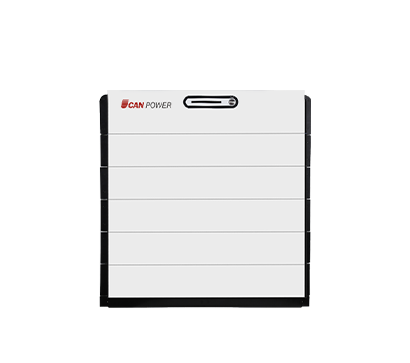
Energy storage is the process of capturing energy produced at one time for use at a later time. It plays a vital role in balancing the supply and demand of electricity, especially in the context of renewable energy sources like solar and wind power, which are intermittent in nature. Modular energy storage solutions are designed to be scalable and adaptable, allowing for easy installation and expansion as needed.
II. Components of Modular Energy Storage Solutions
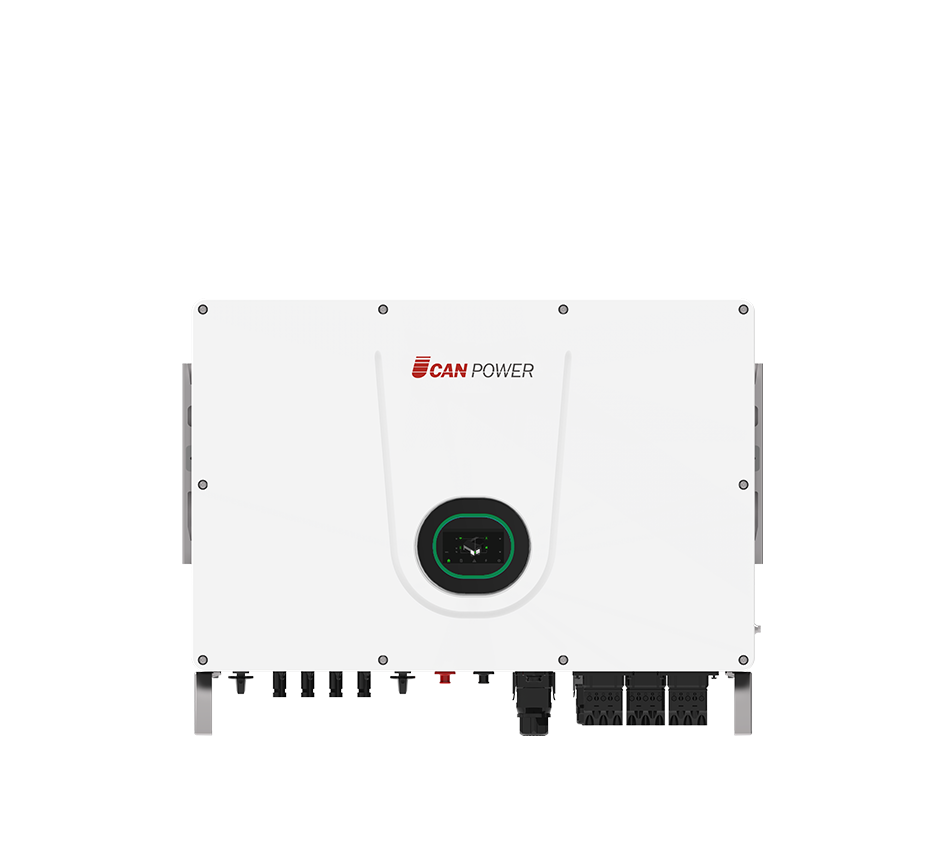
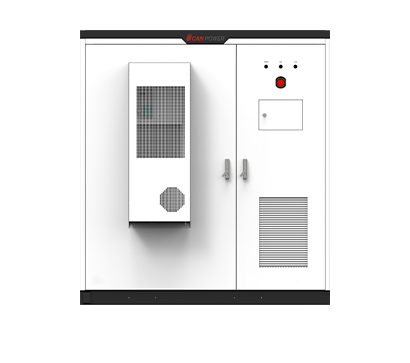
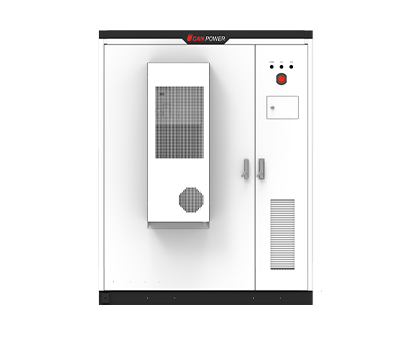
A modular energy storage system typically consists of several key components:
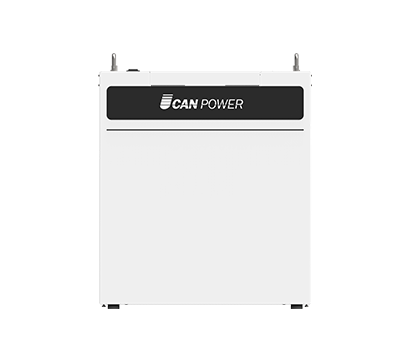
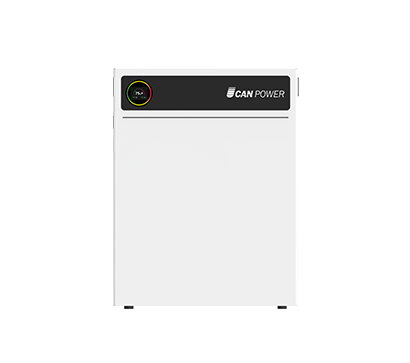
1. Batteries: The heart of the system, batteries store electrical energy in chemical form. There are various types of batteries used in modular energy storage, including lithium-ion batteries, lead-acid batteries, and flow batteries. Lithium-ion batteries are widely popular due to their high energy density, long cycle life, and relatively fast charging and discharging capabilities.
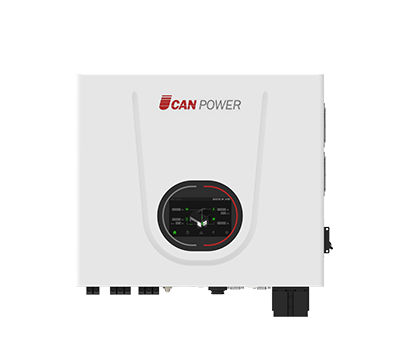
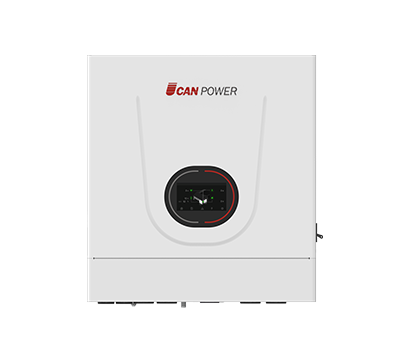
2. Power Conversion System (PCS): The PCS is responsible for converting the direct current (DC) electricity stored in the batteries to alternating current (AC) for use in the electrical grid or by end-users. It also manages the flow of power between the batteries and the grid, ensuring safe and efficient operation.
3. Control System: The control system monitors and controls the operation of the entire energy storage system. It regulates the charging and discharging of the batteries, manages power flow, and provides protection against overcharging, over-discharging, and other potential issues.
4. Thermal Management System: Batteries generate heat during operation, and a proper thermal management system is essential to maintain optimal operating temperatures. This helps to extend the battery life and ensure safe and reliable operation.
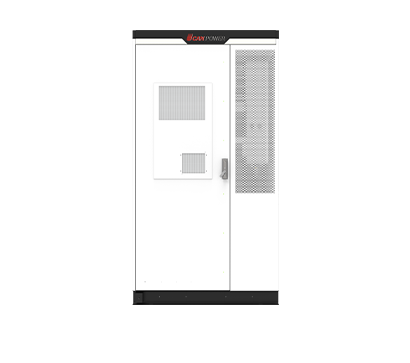
5. Enclosure: The enclosure provides protection to the batteries and other components from environmental factors such as moisture, dust, and temperature extremes.
III. Benefits of Modular Energy Storage Solutions
1. Flexibility and Scalability: Modular energy storage systems can be easily expanded or reduced in size depending on the energy storage requirements. This makes them suitable for a wide range of applications, from small residential installations to large-scale commercial and industrial projects.
2. Rapid Deployment: Due to their modular design, these systems can be quickly installed and commissioned, reducing the time and cost associated with traditional energy storage projects.
3. Improved Grid Stability: By storing excess energy during periods of low demand and releasing it during peak demand, modular energy storage solutions help to balance the grid and improve its stability. This can reduce the risk of power outages and blackouts.
4. Integration with Renewable Energy Sources: Modular energy storage can be integrated with renewable energy systems such as solar panels and wind turbines, enabling a more reliable and consistent power supply. This helps to overcome the intermittency of renewable energy sources and increase their penetration in the energy mix.
5. Cost Savings: Over time, modular energy storage can lead to cost savings by reducing peak demand charges, optimizing energy usage, and enabling the use of cheaper off-peak electricity. Additionally, the modular design can lower the initial investment cost compared to large-scale centralized energy storage systems.
IV. Applications of Modular Energy Storage Solutions
1. Residential: Modular energy storage systems can be installed in homes to store excess solar energy generated during the day for use at night or during power outages. This can help homeowners reduce their electricity bills and increase their energy independence.
2. Commercial and Industrial: Businesses and industries can use modular energy storage to manage their energy consumption, reduce peak demand charges, and ensure a reliable power supply. This is particularly beneficial for facilities with high energy demands such as factories, data centers, and hospitals.
3. Microgrids: Modular energy storage is an essential component of microgrids, which are localized power grids that can operate independently or in conjunction with the main grid. Microgrids with energy storage can provide backup power during outages, improve energy efficiency, and support the integration of renewable energy sources.
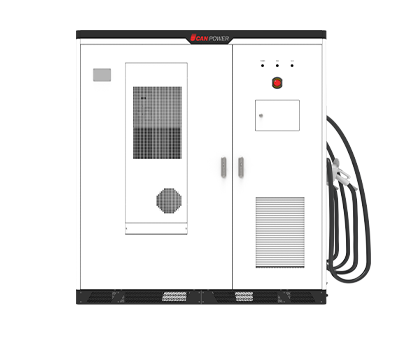
4. Electric Vehicles: Modular energy storage can be used in electric vehicle charging stations to store excess electricity from the grid or renewable sources and provide fast charging capabilities. This can help accelerate the adoption of electric vehicles and reduce the strain on the electrical grid.
5. Remote Areas: In remote locations where access to the electrical grid is limited or unreliable, modular energy storage can provide a reliable source of power. This can be used for applications such as rural electrification, telecommunications towers, and off-grid communities.
V. Future Prospects
The future of modular energy storage solutions looks promising. As the demand for renewable energy continues to grow and the need for reliable energy storage becomes more critical, modular energy storage is expected to play an increasingly important role. Here are some of the trends and developments that are likely to shape the future of this technology:
1. Technological Advancements: Ongoing research and development in battery technology, power electronics, and control systems are expected to lead to further improvements in the performance, efficiency, and cost-effectiveness of modular energy storage solutions. For example, the development of new battery chemistries with higher energy densities and longer cycle lives could significantly enhance the capabilities of these systems.
2. Integration with Smart Grids: Modular energy storage will be increasingly integrated with smart grids, enabling more intelligent energy management and optimization. This will involve the use of advanced communication and control technologies to coordinate the operation of energy storage systems with the grid and other distributed energy resources.
3. Growth in Renewable Energy Integration: As the share of renewable energy in the global energy mix continues to increase, the need for effective energy storage solutions to manage the intermittency of these sources will become even more pressing. Modular energy storage is well-positioned to meet this demand and is expected to see significant growth in applications related to renewable energy integration.
4. Expansion in Emerging Markets: Developing countries and emerging economies are expected to drive the growth of modular energy storage solutions as they seek to improve their energy access and reliability. These markets offer significant opportunities for the deployment of modular energy storage systems, particularly in rural areas and off-grid locations.
5. Policy Support: Governments around the world are recognizing the importance of energy storage and are implementing policies and incentives to promote its development and deployment. This includes support for research and development, investment tax credits, and feed-in tariffs for energy storage systems. Such policy support is expected to accelerate the adoption of modular energy storage solutions.
In conclusion, modular energy storage solutions offer a flexible, efficient, and scalable way to store energy and address the challenges of a rapidly changing energy landscape. With their numerous benefits and wide range of applications, these systems are poised to play a crucial role in the transition to a more sustainable and reliable energy future. As technology continues to advance and policy support grows, we can expect to see even greater innovation and deployment of modular energy storage solutions in the years to come.




 German
 Italian
 Japanese
 Global (English)
 Chinese
 Spanish
 French


