

1. Introduction
The world of boating has always been about freedom, exploration, and a connection with nature. However, powering a boat, especially when venturing far from the shore and grid - connected power sources, has long been a challenge. This is where off - grid inverter technology for boats comes into play, revolutionizing the way boats are powered and enabling sailors to enjoy a more self - sufficient and uninterrupted experience on the water. An off - grid inverter for a boat is not just a simple piece of equipment; it is a key enabler that allows for the utilization of various onboard power generation sources such as solar panels, wind turbines, and battery banks to meet the electrical demands of the vessel.
2. The Significance of Off - Grid Inverters in Boating
2.1 Powering Essential Equipment
On a boat, there are numerous essential electrical devices that need to be powered. Navigation systems, including GPS units, chartplotters, and radar, are crucial for safe navigation. These devices rely on a stable source of electricity to function accurately. Communication equipment such as VHF radios and satellite phones also require power to maintain contact with the shore and other vessels. In addition, lighting systems, both interior and exterior, are essential for visibility at night. Without a reliable power source and an efficient off - grid inverter, these critical components could fail, putting the safety of the crew and the boat at risk.
2.2 Comfort and Convenience
Beyond safety - related equipment, off - grid inverters contribute significantly to the comfort and convenience of boaters. They enable the use of appliances like refrigerators to keep food and beverages fresh during long voyages. Microwaves, electric stoves, and coffee makers can add a touch of home - like comfort. Entertainment systems, such as televisions, radios, and audio equipment, also rely on the power provided by the off - grid inverter, enhancing the overall boating experience.
3. Working Principles of Off - Grid Inverters for Boats
3.1 DC - AC Conversion
The primary function of an off - grid inverter for a boat is to convert direct - current (DC) electricity into alternating - current (AC) electricity. The DC power typically comes from batteries, which are charged by solar panels, wind turbines, or a generator on the boat. There are different types of inverters based on the waveform they produce. Modified sine - wave inverters are a more cost - effective option. They produce a stepped - wave approximation of a sine - wave. While they can power many common household and marine appliances, some sensitive electronics may not operate optimally. For example, certain types of chargers or high - end audio equipment may experience interference or reduced efficiency when powered by a modified sine - wave inverter.
Pure sine - wave inverters, on the other hand, generate a waveform that closely resembles the smooth sine - wave of the utility grid. They are more suitable for powering sensitive electronics, medical devices (in case of emergency), and any equipment that requires a stable and clean power supply. The conversion process involves complex circuitry. Insulated - gate bipolar transistors (IGBTs) or metal - oxide - semiconductor field - effect transistors (MOSFETs) are commonly used to rapidly switch the DC voltage at high frequencies to create the desired AC output.
3.2 Voltage and Frequency Regulation
In a boat's off - grid power system, the inverter must maintain a stable output voltage and frequency. The standard AC voltage for most boats is either 120V or 240V, depending on the region and the electrical equipment installed. The frequency is typically 50Hz or 60Hz. The inverter's control system monitors the output voltage and frequency continuously. If there are any fluctuations, the control system adjusts the switching of the power - conversion components. For example, if the voltage drops due to an increase in the load, the control system will increase the duty cycle of the switching components to boost the voltage back to the desired level. This voltage and frequency regulation are crucial for the proper operation of the electrical equipment on the boat, as deviations can cause equipment malfunction or damage.
3.3 Battery Management Integration
Since boats rely heavily on battery - stored energy, an off - grid inverter for a boat often has integrated battery management features. The inverter can monitor the state of charge (SOC) of the batteries. When the batteries are fully charged, the inverter can adjust the charging current to prevent overcharging, which can significantly reduce the lifespan of the batteries. In addition, when the batteries are being discharged to power the load, the inverter can monitor the discharge rate and the remaining capacity. This information can be used to alert the boaters when the battery level is getting low, allowing them to take appropriate actions such as reducing the power consumption or starting the generator to recharge the batteries.
4. Types of Off - Grid Inverters for Boats
4.1 Inverter - Chargers
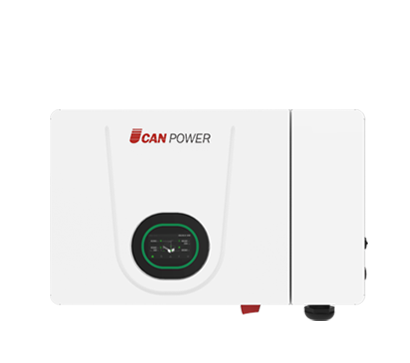
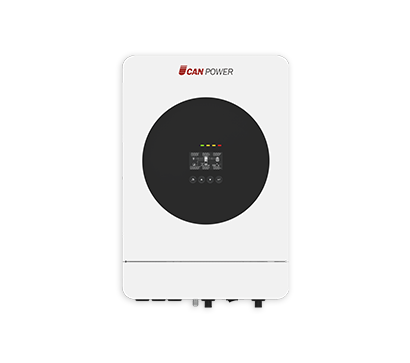
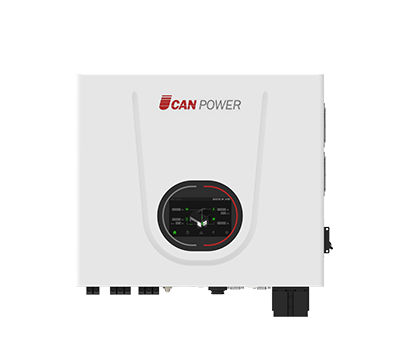
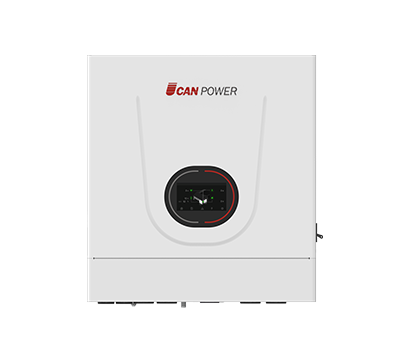
Inverter - chargers are a popular choice for boats. They combine the functions of an inverter and a battery charger. When the boat is connected to shore power or a generator, the inverter - charger can act as a battery charger, replenishing the battery bank. This is especially useful when the boat is docked and has access to external power sources. When the boat is off - grid, the inverter - charger switches to inverter mode, converting the DC power from the batteries into AC power to run the onboard electrical equipment. Inverter - chargers are convenient as they eliminate the need for separate inverter and charger units, saving space and potentially reducing costs.
4.2 Stand - Alone Inverters
Stand - alone inverters are designed solely for the purpose of DC - AC conversion. They do not have built - in battery - charging capabilities. These inverters are suitable for boats that already have a separate battery - charging system, such as a dedicated solar charge controller or a generator - based charging system. Stand - alone inverters can be more compact and may offer higher power - conversion efficiency in some cases. They are often preferred when space is at a premium on the boat or when the boat owner wants to customize the power - generation and charging setup.
4.3 Micro Inverters
Micro inverters are a relatively new addition to the off - grid inverter options for boats. They are small - scale inverters that are connected to individual solar panels. Each micro inverter converts the DC power from a single solar panel into AC power. The advantage of micro inverters is that they can optimize the power output of each solar panel independently. In a boat's solar - power system, if one solar panel is shaded or has a slightly different orientation, a micro inverter can still extract the maximum power from that panel, while a traditional central inverter may be affected by the under - performing panel. Micro inverters also offer better redundancy, as the failure of one micro inverter does not affect the operation of the other solar panels and inverters.
5. Installation and Considerations for Boat - Mounted Off - Grid Inverters
5.1 Location Selection
The location of the off - grid inverter on the boat is crucial. It should be installed in a well - ventilated area to prevent overheating. Since inverters generate heat during operation, proper ventilation helps to dissipate the heat and maintain the inverter's efficiency and lifespan. Additionally, the location should be dry and protected from water splashes. Moisture can damage the electrical components of the inverter. In many cases, the inverter is installed in a dedicated electrical compartment on the boat, which provides protection from the elements and easy access for maintenance.
5.2 Wiring and Connectivity
Proper wiring is essential for the safe and efficient operation of the off - grid inverter. The wiring should be of the appropriate gauge to handle the current requirements of the inverter and the connected load. Thicker wires are needed for higher - power inverters to reduce power losses due to resistance. The connections between the inverter, batteries, solar panels, and other components should be secure and properly insulated. In a marine environment, corrosion can be a major issue. Therefore, marine - grade wiring and connectors should be used. These are designed to resist corrosion and ensure a reliable electrical connection.
5.3 Compatibility with Other Components
Before installing an off - grid inverter, it is important to ensure its compatibility with other components in the boat's power system. This includes the batteries, solar panels, and any other power - generation or storage devices. The inverter's input voltage and current ratings should match those of the batteries and the power - generation sources. For example, if the solar panels produce a certain voltage and current, the inverter should be able to handle these values efficiently. In addition, the inverter should be compatible with the control systems of other components, such as the battery management system, to ensure seamless operation.
6. Applications and Benefits in Boating
6.1 Extended Cruising Range
With an efficient off - grid inverter system, boats can rely more on renewable energy sources like solar and wind power. This reduces the need to carry large amounts of fuel for generators, which in turn increases the cruising range. For long - distance voyages, the ability to generate and use electricity from onboard renewable sources means that boaters can spend more time on the water without having to worry about running out of fuel or finding a place to refuel.
6.2 Cost - Savings
Over time, an off - grid inverter system can lead to significant cost - savings. By using solar and wind power to meet the electrical needs of the boat, the consumption of expensive diesel or gasoline for generators is reduced. In addition, the wear and tear on the generator is minimized, resulting in lower maintenance costs. The initial investment in the off - grid inverter system, including solar panels and batteries, can be offset by the long - term savings in fuel and maintenance expenses.
6.3 Environmental Friendliness
Using off - grid inverter technology to harness renewable energy sources is an environmentally friendly choice. Boats that rely on solar and wind power produce fewer emissions compared to those that rely solely on fossil - fuel - powered generators. This is not only beneficial for the immediate marine environment but also contributes to the global efforts to reduce carbon emissions and combat climate change.
7. Challenges and Solutions in Off - Grid Inverter Use on Boats
7.1 Limited Space and Weight Constraints
Boats have limited space and weight - carrying capacity. Off - grid inverter systems, especially those with large battery banks and multiple solar panels, can take up a significant amount of space and add weight to the boat. To address this, manufacturers are developing more compact and lightweight inverter models. Lithium - ion batteries, which have a higher energy density compared to traditional lead - acid batteries, are also becoming more popular in marine applications. They take up less space and weigh less for the same amount of energy storage capacity.
7.2 Harsh Marine Environment
The marine environment is harsh, with high humidity, saltwater, and temperature fluctuations. These conditions can cause corrosion and damage to the off - grid inverter and its components. To combat this, marine - grade off - grid inverters are designed with corrosion - resistant materials and coatings. In addition, proper maintenance, such as regular cleaning and inspection, is essential. Some inverters also have built - in thermal management systems to protect against overheating in high - temperature environments.
7.3 Power Management and Load Balancing
Managing the power generation and consumption on a boat can be challenging. The power output from solar panels and wind turbines can vary depending on weather conditions, while the electrical load on the boat can change rapidly. To address this, advanced power - management systems are being developed. These systems can automatically adjust the power output of the inverter based on the available power from the renewable sources and the current load. They can also prioritize the power supply to essential equipment during periods of low power availability.
8. Future Trends in Off - Grid Inverter Technology for Boats
8.1 Integration of Smart Technologies
The future of off - grid inverter technology for boats will likely see increased integration of smart technologies. Smart inverters will be able to communicate with other devices on the boat, such as solar panels, batteries, and electrical appliances, using wireless communication protocols. This will allow for real - time monitoring and control of the power system. For example, boaters will be able to monitor the power generation, battery status, and power consumption from their smartphones or tablets. Smart inverters can also be programmed to optimize the power usage based on the boat's activities and the availability of renewable energy.
8.2 Development of More Efficient Inverter Technologies
Research and development efforts will focus on improving the efficiency of off - grid inverters for boats. New semiconductor materials and power - conversion topologies will be explored to reduce power losses during the DC - AC conversion process. This will result in more efficient use of the available power from renewable sources and longer - lasting battery life. For example, the use of wide - bandgap semiconductors, such as gallium nitride (GaN) and silicon carbide (SiC), may become more prevalent in marine inverters, as these materials offer higher efficiency and faster switching speeds.
8.3 Hybrid Energy System Optimization
As boats increasingly rely on multiple renewable energy sources, off - grid inverter technology will be optimized for hybrid energy systems. Inverters will be able to seamlessly integrate the power from solar panels, wind turbines, and even hydro - kinetic generators (if applicable). Advanced control algorithms will be developed to manage the power flow between different energy sources and the battery bank, ensuring a stable and reliable power supply regardless of the weather conditions or the boat's location.
In conclusion, off - grid inverter technology for boats has become an essential part of modern boating, enabling boaters to enjoy a more self - sufficient, cost - effective, and environmentally friendly experience on the water. While there are challenges associated with its use, ongoing technological advancements are addressing these issues and opening up new possibilities for the future of boating power systems. As the demand for sustainable and reliable power solutions in the marine industry grows, off - grid inverter technology will continue to play a crucial role in powering boats of all sizes and types.




 German
 Italian
 Japanese
 Global (English)
 Chinese
 Spanish
 French


