

1. Introduction
Camping has evolved from a simple outdoor activity to a more sophisticated experience, with campers increasingly relying on electronic devices for navigation, communication, entertainment, and even comfort. However, the lack of access to the traditional power grid in camping areas poses a significant challenge. This is where off - grid inverter technology steps in, revolutionizing the way campers power their devices and appliances during their wilderness adventures. Off - grid inverters enable campers to convert the direct current (DC) power stored in batteries, often charged by solar panels or vehicle alternators, into the alternating current (AC) power required by most household and portable electronics.
2. Basics of Off - Grid Inverter Technology for Camping
2.1. How Inverters Work
At its core, an off - grid inverter is an electronic device that performs a crucial conversion process. When camping, the primary source of power is usually a 12 - volt DC battery, which can be charged through various means such as a solar panel kit or by connecting the battery to the vehicle's charging system while driving. The inverter takes this DC power and uses a series of electronic components, including transistors, diodes, and capacitors, to create an AC waveform.
The most common type of AC waveform produced by inverters used in camping is the sine wave. A pure sine - wave inverter generates an output that closely mimics the smooth, sinusoidal waveform of the electricity supplied by the utility grid. This is essential because many modern electronic devices, such as laptops, smartphones, and some high - end camping appliances, are designed to operate optimally with a pure sine - wave power input. In contrast, a modified sine - wave inverter produces a stepped approximation of the sine wave. While it can power many basic camping devices like incandescent lights and some small fans, it may cause issues with more sensitive electronics, such as overheating or interference.
2.2. Types of Inverters Suitable for Camping
2.2.1. Pure Sine - Wave Inverters
Pure sine - wave inverters are the top choice for campers who rely on a wide range of electronic devices. They are capable of powering sensitive electronics without causing any damage or performance issues. For example, if you plan to bring a laptop to work on during your camping trip or use a CPAP machine for sleep apnea, a pure sine - wave inverter is essential. These inverters ensure that the electrical devices receive a clean and stable power supply, just like they would at home. Although pure sine - wave inverters are generally more expensive than their modified sine - wave counterparts, their ability to protect and efficiently power sensitive electronics justifies the cost, especially for campers with high - tech gear.
2.2.2. Modified Sine - Wave Inverters
Modified sine - wave inverters are a more budget - friendly option for campers. They are suitable for powering basic electrical appliances that are not overly sensitive to the waveform of the power supply. Common camping items such as incandescent light bulbs, toasters, and some types of small fans can operate well with a modified sine - wave inverter. In a typical camping setup, if your power needs are mainly for lighting the campsite and running a few simple appliances, a modified sine - wave inverter can provide a cost - effective solution. However, it's important to note that using a modified sine - wave inverter with sensitive electronics can lead to problems such as reduced battery life in devices like smartphones or erratic operation of some motors.
3. Key Features of Off - Grid Inverters for Camping
3.1. Power Output Capacity
The power output capacity of an off - grid inverter is a crucial consideration for camping. Campers need to assess their power requirements based on the devices and appliances they plan to use. For a basic camping setup that includes a few LED lights, a small radio, and charging a couple of smartphones, a low - wattage inverter in the range of 100 - 300 watts may be sufficient. However, if you intend to power more power - hungry devices such as a portable refrigerator, a microwave oven for quick meals, or a high - powered electric grill, you will need an inverter with a much higher power output, perhaps in the range of 1000 - 3000 watts or even more.
It's important to note that some devices, like refrigerators and air compressors, require a higher starting wattage (also known as surge wattage) to start up, even though their running wattage is lower. For example, a small portable refrigerator may have a running wattage of 50 - 70 watts but could require a surge wattage of 200 - 300 watts to start the compressor. When choosing an inverter for camping, make sure it can handle both the running and surge wattage requirements of all the devices you plan to use.
3.2. Efficiency
Efficiency is another key feature of off - grid inverters for camping. An efficient inverter will convert a higher percentage of the DC power from the battery into usable AC power, minimizing energy losses. In a camping scenario where battery power is limited, an efficient inverter can help you get more use out of your battery charge. High - efficiency inverters can have conversion rates of 90% or more, while less - efficient ones may waste 10 - 20% of the energy as heat.
For example, if you have a 12 - volt, 100 - amp - hour battery (which stores 1200 watt - hours of energy), an inverter with 90% efficiency will be able to deliver approximately 1080 watt - hours of AC power, while an inverter with 80% efficiency will only deliver 960 watt - hours. Over time, these energy losses can add up, especially if you are relying on your battery for an extended camping trip. Therefore, choosing an efficient inverter can significantly extend the usability of your power source and reduce the need for frequent recharging.
3.3. Durability and Portability
Camping involves moving around in various terrains and environmental conditions, so the off - grid inverter needs to be both durable and portable. Durable inverters are built with robust enclosures that can withstand the bumps and jolts of transportation, as well as exposure to dust, moisture, and temperature variations. They are often made of materials such as rugged plastic or metal that can protect the internal electronic components.
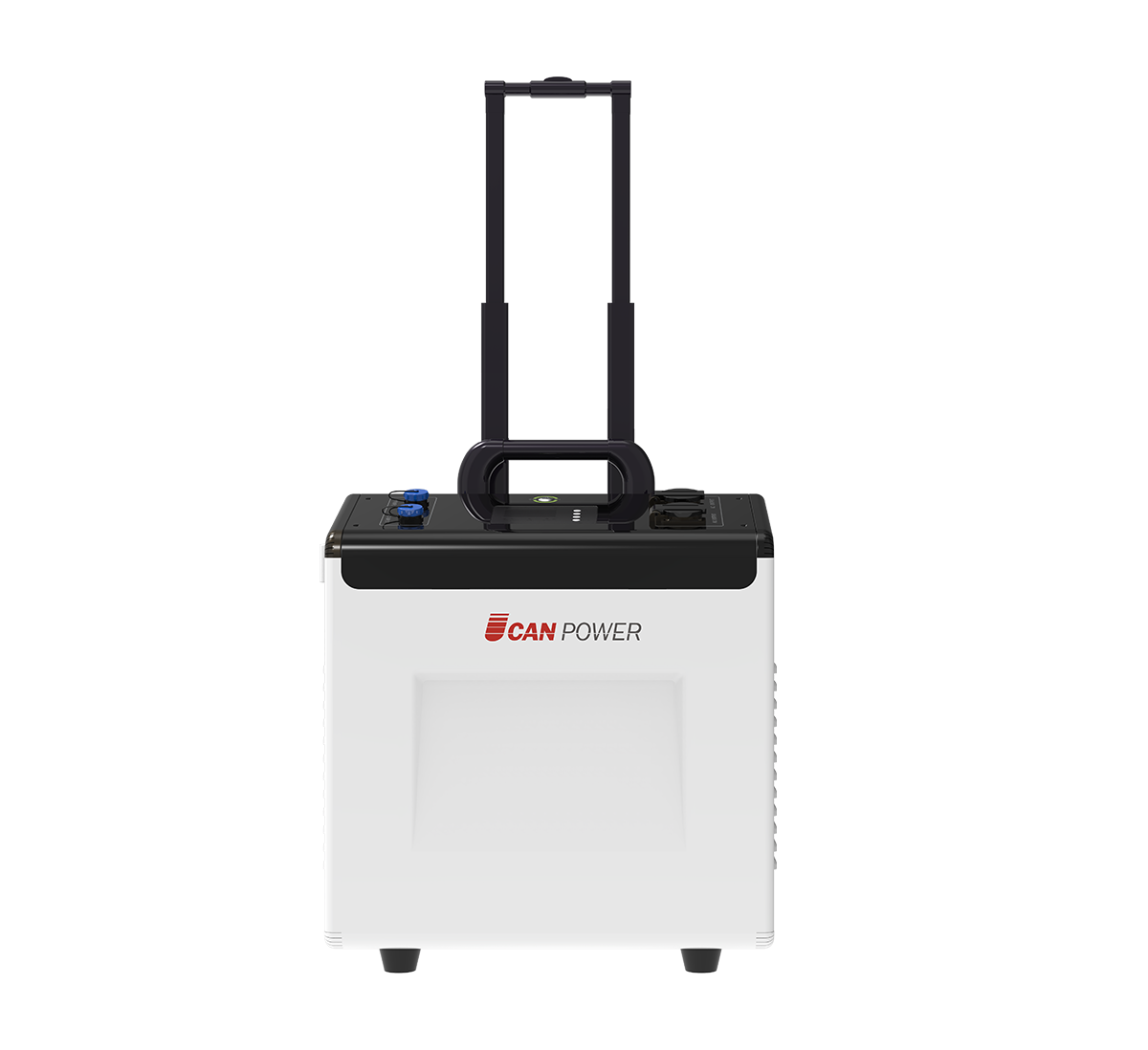
Portability is also a crucial factor. Campers need an inverter that is easy to carry and store in their camping gear. Many modern off - grid inverters are designed to be compact and lightweight, making them convenient to pack in a backpack or stow in the trunk of a car. Some inverters even come with built - in handles or mounting brackets, making them easy to transport and install in a camping vehicle or tent.
3.4. Safety Features
Safety is of utmost importance when using an off - grid inverter in a camping environment. Inverters for camping are equipped with several safety features. Overload protection is a common feature that shuts off the inverter when the connected load exceeds its rated capacity. This prevents the inverter from overheating and potentially causing damage to itself or the connected devices.
Short - circuit protection is another vital safety feature. If there is a short - circuit in the electrical system, such as a wire accidentally touching another wire, the inverter will detect the short - circuit and immediately cut off the power supply to prevent electrical fires or other hazards. In addition, many inverters have over - voltage and under - voltage protection. Over - voltage protection ensures that the inverter does not output a voltage that is too high, which could damage connected electronics. Under - voltage protection shuts off the inverter when the battery voltage drops too low, protecting the battery from deep discharging, which can reduce its lifespan.
4. Applications of Off - Grid Inverters in Camping
4.1. Powering Electronic Devices
One of the primary applications of off - grid inverters in camping is powering electronic devices. Campers often rely on smartphones for navigation, communication, and taking photos. Laptops can be used for work, entertainment, or even for planning the next day's activities. Tablets are great for reading e - books, watching movies, or playing games. With an off - grid inverter, these devices can be charged and used in the middle of the wilderness.
For example, if you are on a multi - day hiking trip and need to keep your smartphone charged for emergency communication, you can connect your phone's charger to the inverter, which is powered by a solar - charged battery. This ensures that you always have a means of communication in case of an emergency. Similarly, if you are camping in a remote area and need to finish up some work on your laptop, the inverter can provide the necessary power to keep your laptop running.
4.2. Running Camping Appliances
Off - grid inverters also enable campers to run various camping appliances. Portable refrigerators are becoming increasingly popular among campers as they allow for the storage of perishable food and drinks. These refrigerators typically run on AC power, and an off - grid inverter can supply the required electricity. A small inverter can power a compact refrigerator, keeping your food fresh and your drinks cold throughout the camping trip.
Electric fans can be a great addition to a camping setup, especially in hot weather. They can be powered by an off - grid inverter, providing a refreshing breeze in the tent. Some campers also use small electric heaters to keep warm during cold nights. However, it's important to note that heaters are generally high - power devices and require a larger - capacity inverter.
4.3. Lighting the Campsite
Lighting is essential for a comfortable camping experience. While traditional camping lanterns are still popular, many campers are now turning to electric lights powered by off - grid inverters. LED lights are a popular choice as they are energy - efficient and provide bright illumination. You can use string lights to create a cozy atmosphere around the campsite or install LED bulbs in portable light fixtures to light up the tent.
For example, you can set up a string of LED lights around the perimeter of your campsite, powered by an inverter connected to a battery. This not only provides ample light for cooking, eating, and socializing but also adds a touch of ambiance to your camping experience. In addition, some LED lights can be dimmed, allowing you to adjust the brightness according to your needs.
5. Challenges and Solutions in Using Off - Grid Inverters for Camping
5.1. Battery Management
One of the main challenges in using off - grid inverters for camping is battery management. Since the inverter draws power from the battery, it's crucial to manage the battery charge effectively to ensure that you have enough power throughout your camping trip. If the battery is drained too quickly, you may be left without power for essential devices.
To address this challenge, campers should invest in a good - quality battery and a battery charger. Deep - cycle batteries are ideal for camping as they can be discharged and recharged multiple times without significant damage. In addition, using a solar panel charger can help keep the battery charged during the day. Solar panels can be set up in a sunny spot near the campsite, and they will slowly charge the battery while you are out exploring. Another solution is to use a battery monitor, which can display the battery's state of charge. This allows you to adjust your power usage based on the remaining battery charge.
5.2. Inverter Compatibility
Not all inverters are compatible with all camping devices and appliances. As mentioned earlier, sensitive electronics may not work properly with a modified sine - wave inverter. In addition, some devices may require a specific voltage or frequency, and if the inverter does not provide the correct output, the device may not function or could be damaged.
To overcome this challenge, campers should carefully read the user manuals of their devices and appliances to determine their power requirements. When choosing an inverter, make sure it can meet these requirements. If you have a mix of sensitive and non - sensitive devices, you may consider using a pure sine - wave inverter to ensure compatibility with all your electronics. In some cases, you may also need to use voltage regulators or other power - conditioning devices to ensure that the power supplied by the inverter is suitable for your devices.
5.3. Cost Considerations
The cost of off - grid inverters, along with the associated batteries and charging equipment, can be a significant investment for campers. High - quality pure sine - wave inverters can be relatively expensive, and deep - cycle batteries also come at a cost. In addition, solar panel kits, which are a great way to recharge the battery, can add to the overall expense.
However, there are ways to manage the cost. First, consider your power needs carefully and choose an inverter and battery system that meets those needs without over - investing. For example, if you only need to power a few small devices, a low - wattage modified sine - wave inverter and a small - capacity battery may be sufficient. Second, look for deals and discounts. Many outdoor equipment retailers offer sales on camping power equipment, especially during off - peak seasons. You can also consider purchasing used or refurbished inverters and batteries, but make sure to thoroughly test them before using them on a camping trip.
6. Future Trends in Off - Grid Inverter Technology for Camping
6.1. Integration with Renewable Energy Sources
The future of off - grid inverter technology for camping lies in better integration with renewable energy sources. Solar panels are already a popular choice for charging batteries, but in the future, we may see more advanced solar - inverter systems. These systems could be more efficient, with improved solar panel technology that can convert a higher percentage of sunlight into electricity. In addition, inverters may be designed to work more seamlessly with solar panels, automatically adjusting the charging and discharging rates based on the available sunlight and the battery's state of charge.
Wind - powered charging options may also become more prevalent. Small, portable wind turbines could be used in combination with inverters to charge batteries, especially in areas where there is a consistent breeze. The integration of multiple renewable energy sources, such as solar and wind, into a single system, with the inverter acting as the central power management unit, would provide campers with more reliable and sustainable power options.
6.2. Smart Inverter Technology
Smart inverter technology is another trend that will impact camping. Smart inverters will be equipped with sensors and communication capabilities. They will be able to communicate with your camping devices and appliances, as well as with your smartphone or other mobile devices. For example, you could use a mobile app to monitor the power usage of your devices, adjust the settings of the inverter, and even receive alerts when the battery is running low or when there is an issue with the inverter.
In addition, smart inverters may be able to optimize power usage based on the type of devices connected. They could prioritize power to essential devices, such as a CPAP machine for a camper with sleep apnea, while reducing power to non - essential devices like a portable TV. This intelligent power management will help campers make the most of their limited power resources.
6.3. Compact and Lightweight Design Improvements
As camping gear continues to evolve towards more compact and lightweight designs, off - grid inverters will follow suit. Future inverters may be even smaller and lighter, making them more convenient to carry on camping trips. New materials and manufacturing techniques may be used to reduce the size and weight of the inverter without sacrificing performance.
For example, advancements in semiconductor technology may allow for the development of more efficient and compact inverters. In addition, the use of lightweight yet durable materials for the enclosure of the inverter will contribute to its portability. These improvements will make it easier for campers to pack an inverter in their backpacks or camping gear, enabling them to have access to power in even the most remote camping locations.
7. Conclusion
Off - grid inverter technology has become an essential part of modern camping, enabling campers to power their electronic devices, run camping appliances, and light up their campsites in the middle of the wilderness. By understanding the basics of inverter technology, choosing the right type of inverter based on their power needs, and being aware of the challenges and solutions associated with using inverters for camping, campers can enhance their camping experience. The future trends in off - grid inverter technology, such as better integration with renewable energy sources, the development of smart inverter technology, and improvements in compact and lightweight design, promise to make camping with off - grid power even more convenient and sustainable. Whether you are a seasoned camper or a beginner, investing in a good off - grid inverter can open up a world of possibilities for your outdoor adventures.




 German
 Italian
 Japanese
 Global (English)
 Chinese
 Spanish
 French


