

1. Introduction
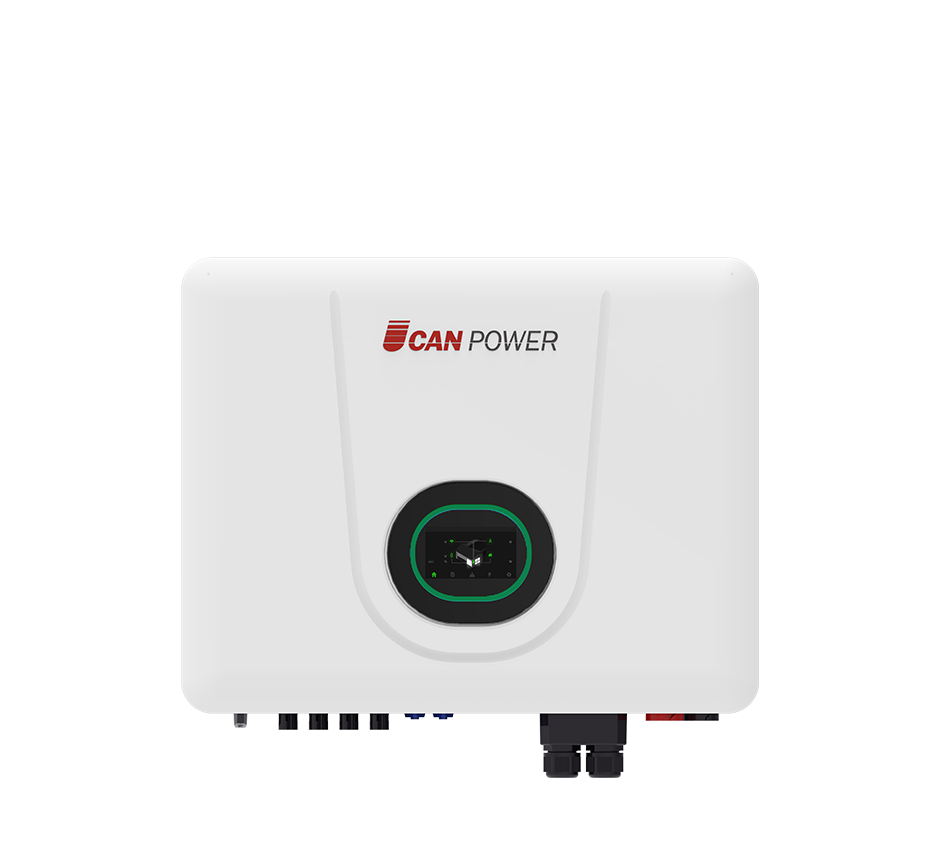
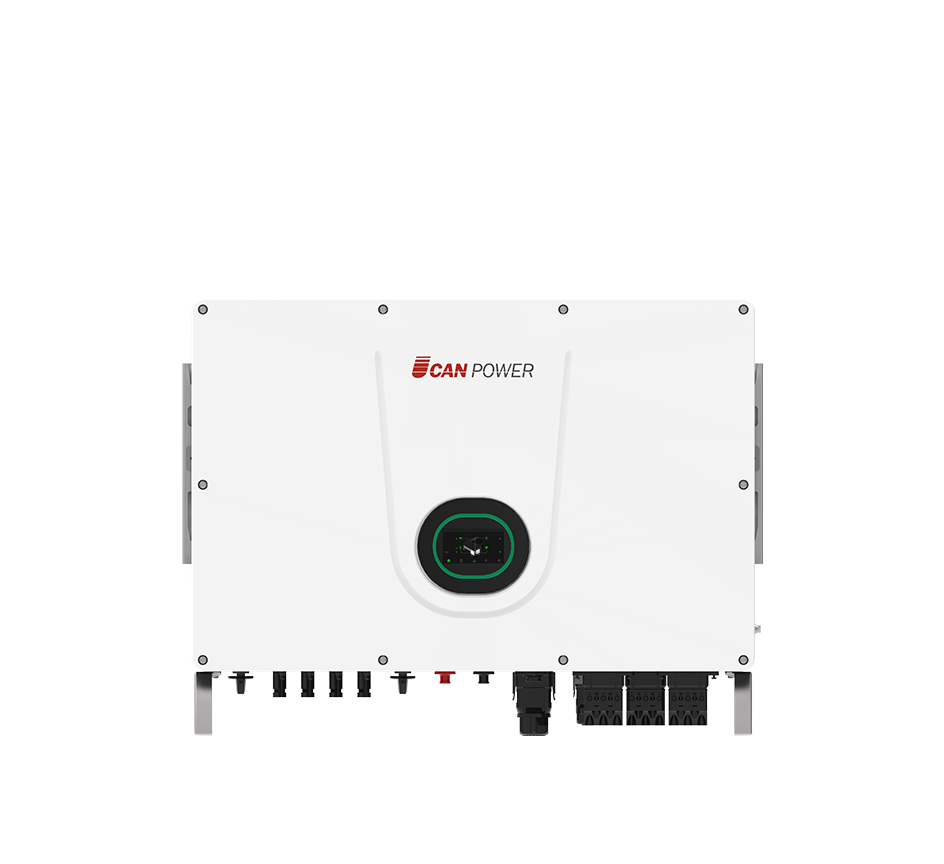
In the pursuit of energy independence and sustainability, off grid inverter technology combined with solar power generation and battery backup systems has gained significant prominence. Off grid systems are designed to operate independently of the utility grid, relying on renewable energy sources like solar panels and energy storage in batteries. The off grid inverter serves as a crucial component in these systems, converting direct current (DC) from solar panels and batteries into alternating current (AC) that can power various electrical appliances and devices. This article explores the technical aspects, applications, benefits, challenges, and future prospects of off grid inverter technology with solar and battery backup.
2. Technical Details of Off Grid Inverters
2.1 DC to AC Conversion
2.1.1 Inverter Topologies
Off grid inverters employ different topologies to achieve DC to AC conversion. One of the most common topologies is the voltage source inverter (VSI). In a VSI, a DC voltage source, such as a solar panel array or a battery bank, is used to generate an AC voltage output. The VSI typically consists of a set of power semiconductor switches, usually insulated gate bipolar transistors (IGBTs). These switches are controlled in a specific pattern to create a pulsed width modulated (PWM) waveform.
The PWM technique involves rapidly switching the IGBTs on and off at a high frequency. By varying the duty cycle (the ratio of on time to off time) of the PWM signal, the average value of the output voltage can be adjusted to match the desired AC voltage amplitude. The PWM waveform is then passed through a low pass filter, which removes the high frequency components and results in a smooth sinusoidal AC voltage. Another topology used in off grid inverters is the current source inverter (CSI). In a CSI, the DC input is a current source, and the inverter controls the output current to produce an AC current waveform. However, VSIs are more commonly used in off grid solar and battery backup systems due to their simplicity and better performance in handling the variable DC input from solar panels and batteries.
2.1.2 Control Algorithms
To ensure efficient and stable DC to AC conversion, off grid inverters rely on sophisticated control algorithms. One of the key control algorithms is the maximum power point tracking (MPPT) algorithm. As solar panels operate most efficiently at a specific voltage current combination known as the maximum power point (MPP), the MPPT algorithm continuously monitors the output power of the solar panels. It adjusts the load impedance seen by the solar panels by controlling the inverter's operation.
For example, the perturb and observe (P&O) algorithm is a widely used MPPT technique. It periodically perturbs the operating voltage of the solar panels and observes the change in power output. If the power increases, the perturbation is continued in the same direction; otherwise, it is reversed. This iterative process allows the inverter to track the MPP under varying sunlight conditions and temperature changes. Another important control algorithm is the grid synchronization algorithm. Although off grid inverters do not connect to the utility grid in the traditional sense, in some cases, they may need to synchronize with a local mini grid or a backup generator. The grid synchronization algorithm ensures that the inverter's output frequency, voltage, and phase match those of the connected power source to enable smooth power transfer and prevent damage to the electrical equipment.
2.2 Battery Charging and Discharging Control
2.2.1 Charging Modes
Off grid inverters play a crucial role in controlling the charging of the battery backup system. They typically offer multiple charging modes to ensure safe and efficient battery charging. One common charging mode is the constant current (CC) charging mode. In this mode, the inverter supplies a constant current to the battery until the battery voltage reaches a certain threshold. The CC charging mode is beneficial as it allows for a fast initial charge of the battery without over stressing the battery cells.
Once the battery voltage reaches the threshold, the inverter switches to the constant voltage (CV) charging mode. In the CV mode, the inverter maintains a constant voltage across the battery while the charging current gradually decreases. This helps to fully charge the battery without overcharging, which can damage the battery and reduce its lifespan. Some advanced off grid inverters also offer a trickle charging mode. After the battery is fully charged in the CV mode, the trickle charging mode provides a small, constant current to maintain the battery's state of charge. This is useful for long term battery storage and for compensating for any self discharge that may occur.
2.2.2 Discharging Management
During discharging, the off grid inverter needs to manage the power flow from the battery to the connected loads. It monitors the battery's state of charge (SoC) and voltage to ensure that the battery is not over discharged. Over discharging can cause permanent damage to the battery cells and significantly reduce the battery's lifespan. The inverter is programmed to cut off the power supply to the loads when the battery's SoC reaches a pre determined minimum level.
In addition, the inverter may also adjust the power output based on the load demand. For example, if there is a sudden increase in the power demand from the connected loads, the inverter may draw more power from the battery to meet the demand, as long as the battery's capacity allows. However, if the load demand exceeds the battery's capacity or if the battery's SoC is too low, the inverter may limit the power output to protect the battery and prevent system failures.
2.3 Protection and Monitoring Features
2.3.1 Over Voltage and Under Voltage Protection
Off grid inverters are equipped with over voltage and under voltage protection features. Over voltage protection is crucial as it prevents damage to the connected electrical equipment and the battery. In the case of solar panels, if the sunlight intensity suddenly increases or if there is a malfunction in the solar panel array, the output voltage of the solar panels may rise above the safe operating range of the inverter and the connected loads. The over voltage protection mechanism in the inverter detects such abnormal voltage levels and takes appropriate action, such as disconnecting the solar panels from the inverter or reducing the power output.
Under voltage protection, on the other hand, ensures that the electrical equipment is not operated at a voltage level that is too low, which can cause the equipment to malfunction or overheat. In the context of battery backup, if the battery's voltage drops below a certain threshold due to over discharging or a fault in the battery system, the under voltage protection in the inverter will cut off the power supply from the battery to the loads. This protects the battery from further damage and also prevents the connected equipment from being damaged by the low voltage supply.
2.3.2 Over Current and Short Circuit Protection
Over current and short circuit protection are essential safety features in off grid inverters. Over current protection guards against situations where the current flowing through the inverter exceeds its rated capacity. This can happen if there is a sudden increase in the load demand, a malfunction in the electrical equipment connected to the inverter, or a fault in the wiring. The over current protection mechanism in the inverter monitors the current and, when an over current condition is detected, it rapidly switches off the power supply to prevent damage to the inverter and the connected components.
Short circuit protection is designed to handle the extreme case where there is a direct short circuit between the positive and negative terminals of the DC input or the AC output of the inverter. A short circuit can cause a massive surge of current, which can lead to fires and significant damage to the inverter and other equipment. The short circuit protection in the inverter uses fast acting fuses and electronic switches to quickly isolate the short circuit and prevent the flow of excessive current. In addition to these protection features, off grid inverters also often have temperature monitoring capabilities. They monitor the temperature of the inverter's components, such as the power semiconductor switches and the heat sinks, to ensure that the inverter operates within a safe temperature range. If the temperature exceeds a certain limit, the inverter may reduce its power output or shut down to prevent overheating and component failure.
3. Applications of Off Grid Inverter Technology with Solar and Battery Backup
3.1 Remote Residential Applications
3.1.1 Energy Independence for Rural Homes
In remote rural areas where grid connection is either unavailable or unreliable, off grid inverter technology with solar and battery backup offers homeowners the opportunity to achieve energy independence. Solar panels installed on the roof or in the yard of the house generate electricity during the day. The off grid inverter converts the DC power from the solar panels into AC power, which can be used to power various household appliances, such as lights, refrigerators, televisions, and air conditioners.
Excess solar energy is stored in the battery backup system. During the evening or at night, when solar generation is low or non existent, the inverter draws power from the battery and converts it into AC power to continue providing electricity to the home. This allows homeowners to live a normal life without relying on grid supplied electricity. In addition, the ability to store solar energy in batteries provides a sense of security, as the home can still have power during grid outages or in case of natural disasters.
3.1.2 Backup Power for Off Grid Cabins
Off grid cabins, often located in forested or mountainous areas, are another common application for off grid inverter technology with solar and battery backup. These cabins are typically used for recreational purposes or as weekend getaways. The solar battery inverter system provides a reliable source of backup power. In case of bad weather or when the generator fails, the inverter can draw power from the battery to keep the cabin powered.
The off grid inverter can be configured to power essential appliances, such as a small refrigerator, lighting, and perhaps a communication device. The system is easy to install and maintain, making it an ideal solution for off grid cabins. The ability to generate and store solar energy also reduces the need to transport and store large amounts of fuel for a generator, which can be inconvenient and costly in remote areas.
3.2 Industrial and Commercial Off Grid Applications
3.2.1 Remote Monitoring Stations
In industries such as oil and gas, mining, and environmental monitoring, remote monitoring stations are often located in areas with no grid access. These stations require a reliable power source to operate sensors, data loggers, and communication equipment. Off grid inverter technology with solar and battery backup can provide a continuous power supply.
Solar panels generate electricity during the day, which is converted into AC power by the off grid inverter and used to power the monitoring equipment. Excess power is stored in the battery for use during periods of low sunlight or high power demand. The inverter's ability to manage the power flow between the solar panels, the battery, and the loads ensures the stable operation of the remote monitoring station. In addition, the off grid nature of the system makes it independent of grid disruptions, which is crucial for industries where continuous data collection and monitoring are essential.
3.2.2 Off Grid Telecom Towers
Telecom towers in remote areas also rely on off grid power solutions. Off grid inverter technology with solar and battery backup can be used to power the tower's communication equipment. The solar panels charge the battery during the day, and the off grid inverter converts the battery's DC power into AC power to run the tower's transmitters, receivers, and other electrical components.
The off grid system ensures that the telecom tower remains operational even during periods of grid outages or in areas where grid connection is not feasible. The ability to store solar energy in the battery provides a reliable backup power source, which is essential for maintaining communication services in remote areas. In addition, the off grid inverter can be configured to optimize the power consumption of the telecom tower, reducing the overall energy costs.
3.3 Community Scale Off Grid Solar Microgrids
3.3.1 Powering Remote Villages
In many developing countries, remote villages lack access to reliable grid electricity. Community scale off grid solar microgrids, incorporating off grid inverter technology with solar and battery backup, can provide a sustainable solution. Solar panels are installed in public areas or on rooftops of community buildings. The off grid inverter converts the DC power from the solar panels into AC power, which is distributed to individual households and community facilities such as schools, clinics, and community centers.
The battery backup system stores excess solar energy for use during periods of low sunlight or high power demand. The off grid inverter plays a crucial role in managing the power flow within the microgrid, ensuring that the electricity supply is stable and reliable. The community scale approach also allows for shared resources and cost sharing, making the off grid solar microgrid more affordable and sustainable for the entire community.
3.3.2 Disaster Resilient Microgrids
In disaster prone areas, off grid solar microgrids with off grid inverter technology and battery backup can serve as disaster resilient power systems. After a natural disaster such as a hurricane, earthquake, or flood, the grid may be severely damaged and take a long time to restore. The off grid solar microgrid can continue to provide power to critical facilities such as emergency shelters, water treatment plants, and communication centers.
The off grid inverter manages the power flow between the solar panels, the battery, and the loads, ensuring that the essential services are maintained. The ability to store solar energy in the battery provides a reliable backup power source during the disaster recovery period. In addition, the off grid nature of the microgrid makes it less vulnerable to grid related disruptions, enhancing the overall resilience of the community in the face of disasters.
4. Benefits of Off Grid Inverter Technology with Solar and Battery Backup
4.1 Energy Independence and Reliability
4.1.1 Uninterrupted Power Supply
One of the primary benefits of off grid inverter technology with solar and battery backup is the ability to provide an uninterrupted power supply. Solar energy is intermittent, depending on sunlight availability. However, the battery backup system stores excess solar energy during periods of high generation. When the sun is not shining, or when the solar generation is insufficient to meet the load demand, the off grid inverter draws power from the battery and converts it into AC power to keep the connected loads running.
In applications such as remote residential homes, industrial monitoring stations, and community scale microgrids, this uninterrupted power supply is crucial. It ensures that essential services continue to operate, and daily activities are not disrupted. For example, in a remote village, the off grid solar battery inverter system can provide electricity for lighting, water pumping, and medical equipment, even during extended periods of grid outages.
4.1.2 Grid Independence
For off grid users, the combination of solar, battery backup, and off grid inverter technology offers complete grid independence. In areas where grid connection is unreliable, expensive, or simply not available, these systems allow users to generate and store their own electricity. This not only reduces the dependence on the grid but also provides resilience against grid failures.
In the face of natural disasters or grid related issues, off grid systems can continue to operate. This is particularly important for critical applications such as telecom towers, where communication services need to be maintained. The grid independence provided by these systems also gives users more control over their energy consumption and costs. They can optimize their energy usage based on their own needs and the availability of solar energy, rather than being subject to the constraints of the grid.
4.2 Cost Savings
4.2.1 Reduced Fuel and Grid Connection Costs
In off grid applications, traditional power sources such as diesel generators require fuel, which can be expensive and difficult to obtain in remote areas. By using solar power and battery backup with an off grid inverter, users can significantly reduce their fuel costs. Solar energy is a free and renewable resource, and the battery stores this energy for later use.
In addition, for areas where grid connection is an option but costly, the use of off grid solar battery inverter systems can eliminate the need for expensive grid connection infrastructure. This includes the cost of laying power lines, transformers, and other grid related equipment. Over the long term, these cost savings can be substantial, making off grid systems a cost effective solution for many applications.
4.2.2 Lower Maintenance Costs
Compared to traditional power sources like diesel generators, off grid inverter based solar battery systems have lower maintenance requirements. Diesel generators need regular maintenance, including oil changes, filter replacements, and engine tune ups. In contrast, solar panels have no moving parts and require minimal maintenance, mainly consisting of periodic cleaning to ensure optimal sunlight absorption.
The battery backup system, especially when equipped with a modern battery management system, also has relatively low maintenance needs. The off grid inverter, although it contains power electronics components, is designed for reliable operation and typically requires only periodic software updates and checks for any signs of component wear. Overall, the lower maintenance costs of off grid inverter based systems make them a more cost effective option in the long run.
4.3 Environmental Sustainability
4.3.1 Reduced Carbon Emissions
The use of off grid inverter technology with solar and battery backup contributes to environmental sustainability by reducing carbon emissions. Solar energy is a clean and renewable energy source that produces no greenhouse gas emissions during operation. By relying on solar power and storing it in batteries, off grid users are able to avoid using fossil fuel based power sources, such as diesel generators.
Even in cases where the battery may be charged using grid supplied electricity during off peak hours (if available), the overall carbon emissions are still lower compared to continuous reliance on grid power, especially if the grid mix includes a significant proportion of renewable energy sources. This reduction in carbon emissions helps combat climate change and promotes a cleaner environment.
4.3.2 Conservation of Natural Resources
In addition to reducing carbon emissions, the use of off grid inverter based solar battery systems helps conserve natural resources. By relying on solar energy and battery storage, off grid users are reducing their consumption of non renewable resources such as coal, oil, and gas.
These non renewable resources are finite and their extraction and use often have negative environmental impacts, including air and water pollution, and land degradation. By using solar battery systems, off grid users are contributing to the conservation of these natural resources and promoting a more sustainable use of energy.
5. Challenges in Off Grid Inverter Technology with Solar and Battery Backup
5.1 High Initial Costs
5.1.1 Cost Components
The high initial cost of off grid inverter technology with solar and battery backup systems is a significant deterrent to their widespread adoption. The cost of solar panels, although decreasing over time, still represents a substantial portion of the overall investment. High efficiency solar panels, especially those with advanced technologies such as monocrystalline or certain thin film varieties, can be relatively expensive. The manufacturing process of these panels involves sophisticated techniques and high quality materials, contributing to their cost.
The battery backup system is another major cost factor. Lithium ion batteries, which are commonly used in off grid applications due to their high energy density and long cycle life, are costly. The cost of raw materials like lithium, cobalt (in some lithium ion chemistries), and other components, along with the manufacturing expenses for battery cells and the associated Battery Management System (BMS), adds up. In addition, the off grid inverter itself, with its complex power electronics and control algorithms, is not inexpensive. The design and production of inverters require specialized knowledge and equipment, and the cost of components such as IGBTs, capacitors, and inductors contribute to the overall price.
Moreover, the installation costs should not be overlooked. Professional installation is often necessary to ensure proper connection of solar panels, batteries, and the inverter. This includes wiring, grounding, and ensuring compliance with safety regulations. Installation in remote areas may also incur additional costs due to transportation and logistical challenges.
5.1.2 Cost Reduction Strategies
To address the high initial cost issue, several strategies are being pursued. Technological advancements are leading to cost reductions in solar panel and battery manufacturing. For solar panels, new manufacturing techniques are being developed to increase production efficiency and reduce the cost per watt of power generation. For example, improvements in the manufacturing of monocrystalline silicon wafers are reducing material waste and increasing the yield, thus lowering the cost.
In the battery sector, research is focused on finding alternative raw materials or more efficient manufacturing processes. For instance, efforts are underway to develop lithium ion batteries with reduced or no cobalt content, as cobalt is expensive and has ethical and environmental concerns associated with its mining. In addition, the growing scale of battery production is enabling economies of scale, which in turn reduces the cost per unit.
For off grid inverters, as the market demand increases, manufacturers are able to spread their fixed costs over a larger production volume, leading to cost savings. Standardization of inverter designs and components can also simplify the manufacturing process and reduce costs. Governments and non profit organizations are also playing a role by offering financial incentives such as subsidies, tax credits, and grants to promote the adoption of off grid solar battery inverter systems. These incentives can significantly reduce the upfront cost for end users, making the technology more accessible.
5.2 Inverter Efficiency Limitations
5.2.1 Power Losses in Inverters
Off grid inverters, despite their importance, are not without efficiency limitations. One of the main sources of power losses in inverters is the switching losses in the power semiconductor devices, such as IGBTs. When these switches turn on and off rapidly to generate the PWM waveform, energy is dissipated in the form of heat. The higher the switching frequency, the more significant these losses become. Although modern IGBTs are designed to minimize switching losses, they still represent a non negligible portion of the total power loss in the inverter.
Conduction losses are another factor. When current flows through the power semiconductor switches and other components in the inverter circuit, there is a voltage drop across these elements, resulting in power dissipation. The resistance of the wires, connectors, and other electrical components also contributes to conduction losses. In addition, the efficiency of the low pass filter used to convert the PWM waveform into a sinusoidal AC voltage can impact the overall inverter efficiency. If the filter is not properly designed, it can introduce additional power losses.
5.2.2 Impact on System Performance
The efficiency limitations of off grid inverters have a direct impact on the overall performance of the solar battery inverter system. Lower inverter efficiency means that more of the solar generated or battery stored energy is wasted as heat, reducing the amount of useful electrical energy available to power the connected loads. In applications where the energy supply is already limited, such as in remote areas with low solar irradiance or small capacity battery systems, these losses can be particularly significant.
For example, in a remote monitoring station powered by a solar battery inverter system, if the inverter has low efficiency, the station may not be able to operate all its sensors and communication equipment continuously. This can lead to data loss and disruptions in monitoring services. In a residential off grid system, lower inverter efficiency may result in a shorter battery life, as the battery has to supply more energy to compensate for the inverter losses. It can also increase the overall cost of the system, as more solar panels and batteries may be required to meet the same power demand.
5.2.3 Strategies to Improve Inverter Efficiency
To improve inverter efficiency, several strategies are being implemented. One approach is to develop new power semiconductor devices with lower switching and conduction losses. For example, wide bandgap semiconductors such as silicon carbide (SiC) and gallium nitride (GaN) are being increasingly used in inverter designs. These materials have higher breakdown voltages, lower on resistance, and faster switching speeds compared to traditional silicon based semiconductors. Inverters using SiC or GaN devices can operate at higher frequencies with lower power losses, leading to improved overall efficiency.
Another strategy is to optimize the design of the inverter circuit and the control algorithms. Advanced control algorithms can be used to minimize the switching losses by precisely controlling the timing and duration of the switching events. The design of the low pass filter can also be optimized to reduce its power losses. In addition, proper thermal management of the inverter is crucial. By efficiently dissipating the heat generated by the power semiconductor devices, the operating temperature of the inverter can be kept within an optimal range, which helps to improve the efficiency and reliability of the inverter.
5.3 System Integration Complexity
5.3.1 Compatibility Issues
Integrating solar panels, battery backup systems, and off grid inverters can be a complex task due to compatibility issues. Solar panels come in various sizes, power ratings, and electrical characteristics. The voltage and current output of the solar panels need to be compatible with the input requirements of the off grid inverter. If there is a mismatch, it can lead to inefficient power transfer, reduced inverter performance, and even damage to the equipment.
Similarly, the battery backup system needs to be compatible with the inverter. The battery's voltage, capacity, and charging discharging characteristics should match the inverter's capabilities. In some cases, different manufacturers' products may not be fully compatible, especially if they use proprietary communication protocols or have non standard electrical interfaces. This lack of compatibility can make it difficult for users to mix and match components from different suppliers, limiting their options and potentially increasing the cost.
5.3.2 Installation and Commissioning Challenges
The installation and commissioning of off grid inverter based solar battery systems also pose challenges. The installation process requires knowledge of electrical engineering principles, safety regulations, and the specific requirements of the solar panels, batteries, and inverter. Incorrect installation of components, such as improper wiring or grounding, can lead to electrical hazards, system failures, and reduced performance.
During commissioning, ensuring that all components are working together seamlessly can be a complex task. The inverter needs to be properly configured to communicate with the solar panels and the battery system. This may involve setting parameters such as the maximum power point tracking settings, battery charging and discharging limits, and grid synchronization settings (if applicable). Any errors in configuration can result in sub optimal system performance or even system malfunctions.
5.3.3 Solutions for System Integration
To address the system integration challenges, industry wide standards are being developed. These standards aim to ensure compatibility between different manufacturers' products. For example, standards for the electrical interfaces, communication protocols, and performance requirements of solar panels, batteries, and inverters are being established. This will make it easier for users to select and integrate components from different suppliers, promoting competition and potentially reducing costs.
In addition, training programs are being offered to installers and technicians to improve their skills in installing and commissioning off grid inverter based systems. These programs cover topics such as electrical safety, system design, component installation, and system configuration. By having a well trained workforce, the quality of installations and commissioning can be improved, reducing the likelihood of system failures and performance issues.
5.4 Battery Related Challenges
5.4.1 Limited Battery Lifespan
The lifespan of the battery backup system is a critical consideration in off grid inverter based systems. Batteries, especially lithium ion batteries, experience a gradual degradation in capacity over time. The number of charge discharge cycles is a major factor affecting battery lifespan. With each cycle, the battery's ability to store and deliver energy decreases.
Other factors such as temperature, depth of discharge (DoD), and charging discharging rates also impact battery lifespan. High temperatures can accelerate the chemical reactions within the battery, leading to more rapid degradation. Deep discharges, where the battery is discharged to a low state of charge, can also cause significant damage to the battery cells. In off grid applications, where the battery may be subjected to variable operating conditions, these factors can further shorten the battery's lifespan.
5.4.2 Battery Replacement Costs
When the battery reaches the end of its lifespan, the cost of replacement can be substantial. As mentioned earlier, lithium ion batteries are relatively expensive, and replacing a large capacity battery bank in an off grid system can be a significant financial burden. In addition, the disposal of old batteries also poses environmental challenges, as lithium ion batteries contain toxic materials that need to be properly handled.
5.4.3 Strategies to Address Battery Related Challenges
To address the issue of limited battery lifespan, proper battery management is essential. The BMS plays a crucial role in this regard. It can monitor and control the charging and discharging process to ensure that the battery operates within safe limits. For example, the BMS can prevent over charging and over discharging, adjust the charging rate based on the battery's temperature, and balance the charge among individual battery cells.
In addition, using battery chemistries with longer cycle life, such as lithium iron phosphate (LiFePO4) batteries, can be a solution. LiFePO4 batteries are known for their relatively long lifespan and high thermal stability. For the issue of battery replacement costs, some manufacturers are exploring battery leasing models or recycling programs. Battery leasing can reduce the upfront cost for users, as they only pay for the use of the battery rather than purchasing it outright. Recycling programs can help to recover valuable materials from old batteries, reducing the environmental impact and potentially offsetting some of the costs of new battery production.
6. Future Trends and Outlook
6.1 Technological Advancements
6.1.1 Smart Inverter Technologies
The future of off grid inverter technology is likely to see the emergence of smart inverter technologies. Smart inverters will be equipped with advanced communication capabilities, allowing them to communicate with other components in the off grid system, such as solar panels, batteries, and even connected loads. They will be able to receive and transmit data in real time, enabling more efficient system operation.
For example, smart inverters can adjust the power output based on the real time energy demand of the connected loads and the state of charge of the battery. They can also communicate with solar panels to optimize the maximum power point tracking process. In addition, smart inverters can be remotely monitored and controlled, allowing for easier maintenance and troubleshooting. This can be particularly useful in remote off grid applications, where on site access may be difficult.
6.1.2 Integration of Energy Storage and Inverter Functions
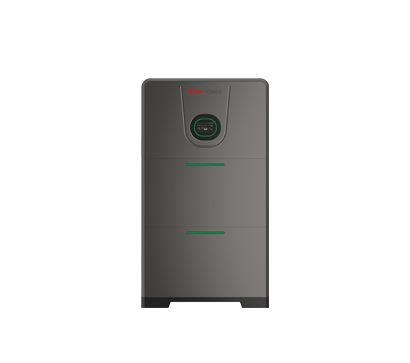
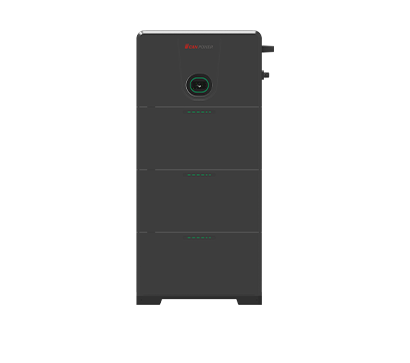
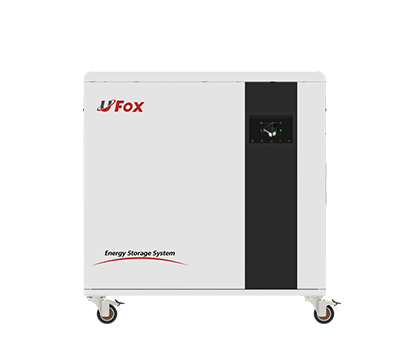
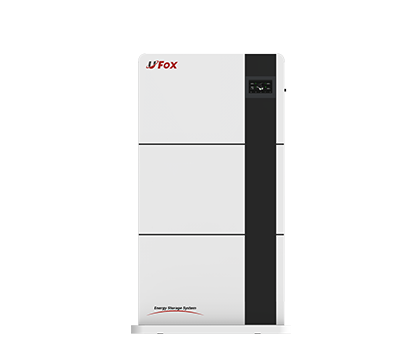
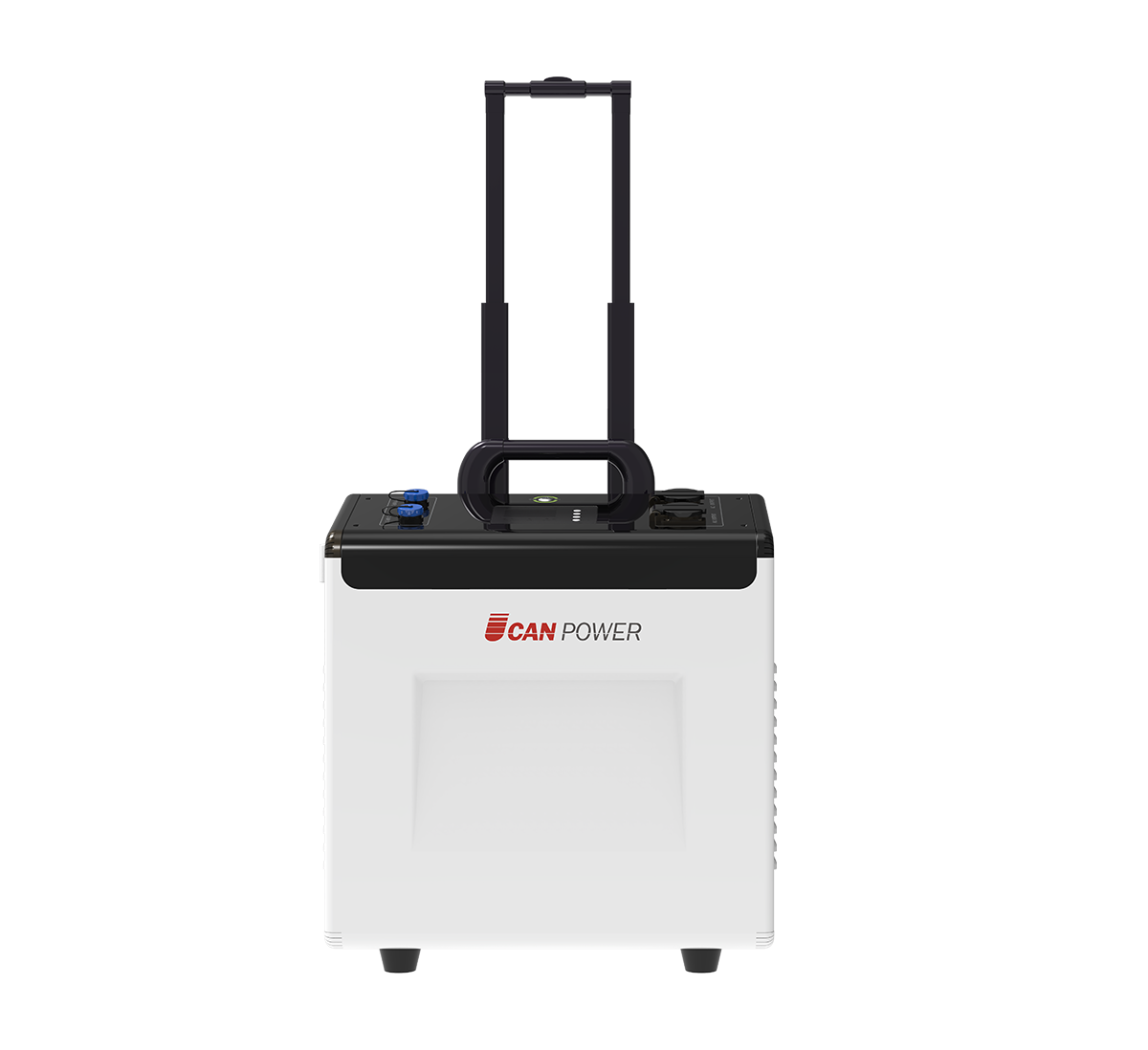
There is also a trend towards integrating energy storage and inverter functions into a single unit. This integrated approach can simplify the system design, reduce the cost of installation, and improve the overall efficiency of the off grid system. By combining the battery and inverter in one unit, the communication and coordination between the two components can be optimized.
For example, the integrated unit can have a more efficient charging and discharging control mechanism, as the inverter can directly monitor and control the battery's state. In addition, the physical integration can lead to space savings, which is beneficial in applications where space is limited, such as in small off grid cabins or mobile off grid power units.
6.2 Market Growth and Expansion
6.2.1 Increasing Adoption in Developing Countries
The market for off grid inverter technology with solar and battery backup is expected to experience significant growth, especially in developing countries. In many developing regions, access to reliable grid electricity is limited, and there is a growing demand for sustainable energy solutions. The combination of solar panels, battery backup, and off grid inverters provides a viable option for meeting this demand.
For example, in sub Saharan Africa, there is a push to provide electricity to rural communities. Off grid inverter based solar battery systems can be easily installed in these communities, providing a reliable source of power for lighting, water pumping, and small scale businesses. In Asia, countries like India and Indonesia are also investing in off grid solar projects, and off grid inverters will play a crucial role in these initiatives.
6.2.2 Expansion into New Application Areas
These systems are also likely to expand into new application areas. One such area is the off grid electric vehicle (EV) charging infrastructure. As the use of EVs increases, even in remote areas, there is a need for off grid charging stations. Off grid inverter technology with solar and battery backup can be used to power these charging stations. The inverter can convert the DC power from solar panels and batteries into AC power suitable for EV charging.
In the marine industry, off grid inverter based solar battery systems can be used to power electric boats and ships. The ability to manage power from multiple sources, such as solar panels and batteries, is crucial for marine applications where continuous power supply is essential, and the availability of grid connected power is limited. This expansion into new application areas will further drive the growth of the market for off grid inverter technology with solar and battery backup.
6.3 Regulatory and Policy Support
6.3.1 Incentive Programs for Off Grid Solar
Governments around the world are increasingly recognizing the importance of off grid solar energy in providing access to electricity and promoting sustainable development. As a result, there is a growing trend of implementing incentive programs for off grid solar battery inverter systems. These incentive programs can take various forms, such as subsidies, tax credits, and grants.
In some countries, subsidies are provided to reduce the upfront cost of installing off grid solar battery inverter systems. This makes the technology more affordable for end users, especially in rural and remote areas. Tax credits can also be offered to encourage the adoption of these systems. For example, users may be eligible for tax deductions based on the amount of money they spend on installing off grid inverters, solar panels, and batteries. Grants are another form of incentive, which can be used to fund research and development of off grid solar battery inverter technologies or to support community scale off grid solar projects.
6.3.2 Regulatory Adaptations for Off Grid Energy Systems
As the use of off grid inverter based solar battery systems grows, regulatory bodies are adapting existing regulations to ensure safe and efficient operation. Regulations regarding battery safety, installation standards, and grid connection (in cases where off grid systems may be connected to a mini grid or for backup purposes) are being updated.
For example, safety regulations for batteries are being strengthened to address potential risks such as thermal runaway. Installation standards are being developed to ensure proper installation of solar panels, batteries, and inverters, including requirements for grounding, ventilation, and fire protection. In addition, regulations related to the operation of off grid energy systems, such as how these systems interact with mini grids or emergency power supplies, are being refined. These regulatory adaptations will help to create a more favorable environment for the widespread adoption of off grid inverter technology with solar and battery backup.
7. Conclusion
Off grid inverter technology with solar and battery backup represents a powerful solution for achieving energy independence and sustainability. The technical features of off grid inverters, such as efficient DC to AC conversion, battery charging and discharging control, and protection and monitoring features, enable the reliable operation of off grid solar battery systems. These systems find applications in various sectors, including remote residential, industrial and commercial, and community scale settings, offering benefits such as energy independence, cost savings, and environmental sustainability.
However, several challenges, such as high initial costs, inverter efficiency limitations, system integration complexity, and battery related issues, currently limit their widespread adoption. Nevertheless, the future looks promising. Technological advancements, such as the development of smart inverter technologies and the integration of energy storage and inverter functions, are expected to address many of these challenges. The market for off grid inverter technology with solar and battery backup is set to grow, with increasing adoption in developing countries and expansion into new application areas. Regulatory and policy support, in the form of incentive programs and regulatory adaptations, will also play a crucial role in driving the development and deployment of these systems.
In conclusion, off grid inverter based solar battery systems have the potential to be a key component in the global transition to a more sustainable and reliable energy future. As research and development continue, and the market matures, these systems are likely to become an increasingly common and essential part of the energy landscape.




 German
 Italian
 Japanese
 Global (English)
 Chinese
 Spanish
 French


