

I. Introduction
This technology not only offers a sustainable alternative to grid-connected power but also provides a level of energy security and self-sufficiency that is increasingly valuable.
II. What is Off-Grid Inverter Technology?
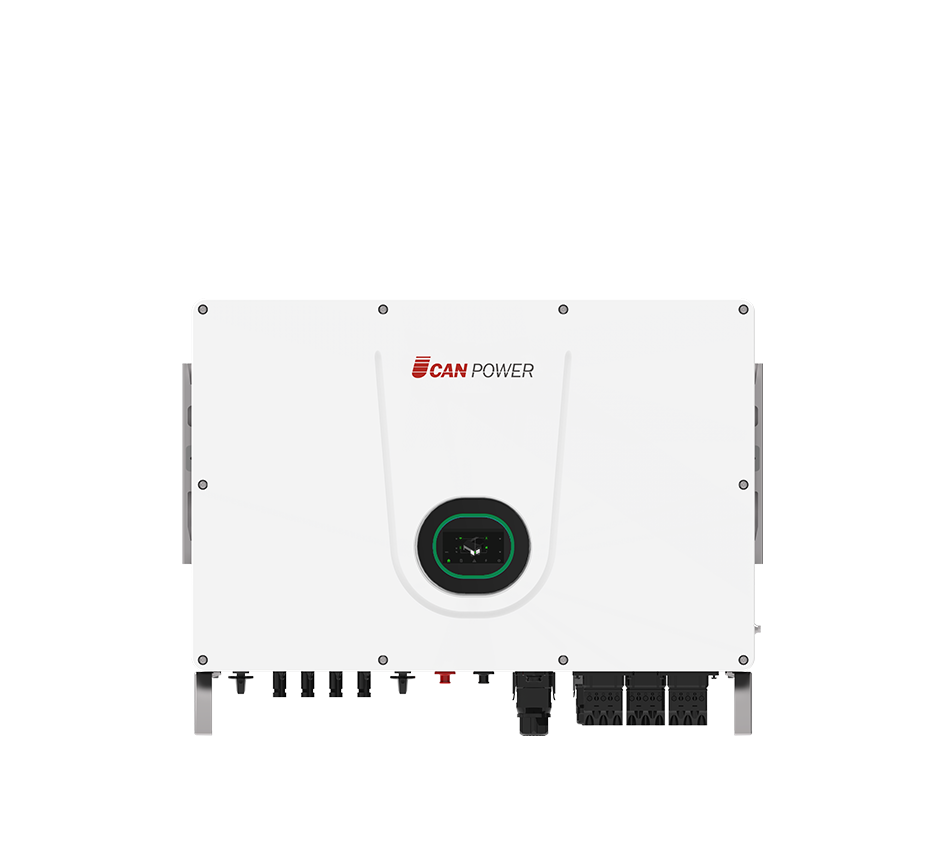
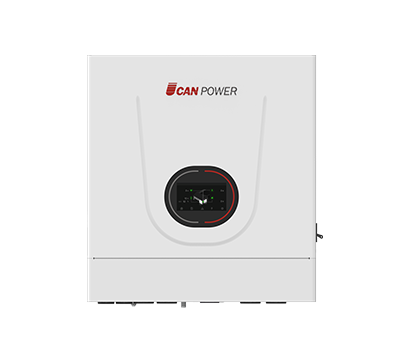
An off-grid inverter is a device that converts direct current (DC) power generated by renewable energy sources or batteries into alternating current (AC) power that can be used to power household appliances, electronics, and other electrical devices. Off-grid inverters are designed to operate independently of the power grid, providing a reliable source of electricity even in remote locations or during power outages.
The basic components of an off-grid inverter include an input stage that receives DC power from the source, a power conversion stage that converts the DC power to AC power, and an output stage that supplies the AC power to the load. Off-grid inverters may also include features such as battery charging capabilities, overload protection, and voltage regulation to ensure safe and efficient operation.
III. How Off-Grid Inverter Technology Works
The operation of an off-grid inverter can be divided into several stages:
Input Stage
The input stage of an off-grid inverter receives DC power from the renewable energy source or battery. This power is typically in the form of a low-voltage DC signal, which needs to be boosted and regulated to a suitable level for the power conversion stage.
Power Conversion Stage
The power conversion stage is the heart of the off-grid inverter. It uses advanced electronic circuitry to convert the DC power from the input stage into AC power. This conversion process involves switching the DC power on and off at a high frequency, creating a simulated AC waveform. The resulting AC power is then filtered and regulated to produce a stable and reliable output.
Output Stage
The output stage of the off-grid inverter supplies the AC power to the load. This stage may include features such as overload protection, short-circuit protection, and voltage regulation to ensure that the electrical devices connected to the inverter are protected from damage.
Battery Charging (if applicable)
If the off-grid inverter is equipped with battery charging capabilities, it can also charge a battery bank when excess power is available. This allows the system to store energy for use during periods when the renewable energy source is not generating enough power.
IV. Benefits of Off-Grid Inverter Technology
Energy Independence
Off-grid inverter technology provides the means to achieve energy independence, allowing individuals and communities to generate their own electricity and reduce their reliance on the power grid. This can be especially beneficial in remote areas where grid connection is difficult or expensive, or during emergencies when the power grid may be disrupted.
Sustainability
By relying on renewable energy sources such as solar and wind power, off-grid inverter systems offer a sustainable alternative to traditional fossil fuel-based power generation. These systems can help reduce greenhouse gas emissions and contribute to a cleaner environment.
Cost Savings
Over time, off-grid inverter systems can lead to significant cost savings. While the initial investment may be higher than that of grid-connected power, the long-term savings on electricity bills can be substantial. Additionally, off-grid systems are not subject to the fluctuations in electricity prices that are common with grid-connected power.
Reliability
Off-grid inverter systems are designed to be highly reliable, providing a continuous source of electricity even in the event of power outages or grid failures. This can be crucial for applications such as emergency backup power, remote communications, and critical infrastructure.
Flexibility
Off-grid inverter technology offers a high degree of flexibility in terms of system design and installation. Users can customize their systems to meet their specific energy needs and can easily expand or upgrade their systems as their requirements change.
V. Applications of Off-Grid Inverter Technology
Residential Off-Grid Power Systems
Off-grid inverter technology is widely used in residential off-grid power systems. These systems typically consist of solar panels, a battery bank, and an off-grid inverter, and can provide electricity for homes in remote areas or for those who wish to live off the grid. Residential off-grid systems can power everything from lights and appliances to heating and cooling systems.
Remote Communications and Monitoring
Off-grid inverter systems are also used in remote communications and monitoring applications. These systems can power remote radio towers, satellite communications equipment, and environmental monitoring stations, ensuring reliable operation even in areas with limited access to the power grid.
Emergency Backup Power
Off-grid inverters can be used as emergency backup power sources, providing electricity during power outages or disasters. These systems can be quickly deployed and can power essential equipment such as refrigerators, medical devices, and communication systems.
Mobile and Portable Power
Off-grid inverter technology is also finding applications in mobile and portable power systems. These systems can be used to power camping equipment, RVs, boats, and other mobile applications, providing a convenient and sustainable source of electricity on the go.
VI. Choosing the Right Off-Grid Inverter
When choosing an off-grid inverter, there are several factors to consider:
Power Rating
The power rating of the inverter should be matched to the power requirements of the load. Consider the total wattage of the electrical devices that will be powered by the inverter and choose an inverter with a sufficient power rating to handle the load.
Input Voltage Range
Make sure the inverter is compatible with the voltage output of your renewable energy source or battery bank. Some inverters are designed to work with specific voltage ranges, so it's important to choose an inverter that matches your system's voltage.
Output Waveform
Off-grid inverters can produce different types of output waveforms, including pure sine wave and modified sine wave. Pure sine wave inverters produce a waveform that is identical to that of grid power and are suitable for powering sensitive electronic equipment. Modified sine wave inverters are less expensive but may not be suitable for all applications.
Efficiency
Look for an inverter with high efficiency to minimize power losses and maximize the amount of usable energy. High-efficiency inverters can help reduce the size and cost of your renewable energy system.
Features and Accessories
Consider the additional features and accessories offered by the inverter, such as battery charging capabilities, overload protection, and remote monitoring. These features can enhance the functionality and convenience of your off-grid power system.
VII. Installation and Maintenance of Off-Grid Inverter Systems
Installation
Installing an off-grid inverter system requires careful planning and proper installation procedures. It's important to follow the manufacturer's instructions and consult with a professional if necessary. Some key considerations for installation include:
Site Selection: Choose a location for your renewable energy source and battery bank that receives maximum sunlight or wind exposure.
Wiring: Ensure proper wiring and connections between the components of your system to avoid electrical hazards.
Grounding: Properly ground your system to protect against electrical shocks and lightning strikes.
Ventilation: Provide adequate ventilation for the inverter and battery bank to prevent overheating.
Maintenance
Regular maintenance of your off-grid inverter system is essential to ensure its long-term performance and reliability. Some maintenance tasks include:
Cleaning: Keep the solar panels and other components of your system clean to maximize their efficiency.
Battery Maintenance: Check the battery bank regularly for proper charging and discharging. Follow the manufacturer's instructions for battery maintenance and replacement.
Inverter Checks: Inspect the inverter for any signs of damage or malfunction. Check the connections and wiring for loose or damaged parts.
System Monitoring: Use a monitoring system to track the performance of your off-grid system and identify any issues early on.
VIII. Future Trends in Off-Grid Inverter Technology
As the demand for sustainable and reliable power solutions continues to grow, off-grid inverter technology is expected to evolve and improve. Some of the future trends in off-grid inverter technology include:
Increased Efficiency
Researchers and manufacturers are constantly working to improve the efficiency of off-grid inverters, reducing power losses and increasing the amount of usable energy. This will lead to smaller, more cost-effective systems.
Integration with Smart Grid Technologies
Off-grid inverter systems may be integrated with smart grid technologies in the future, allowing for seamless interaction with the power grid when needed. This could provide additional benefits such as grid stabilization and energy trading.
Advanced Battery Technologies
The development of advanced battery technologies, such as lithium-ion batteries and flow batteries, will improve the performance and storage capacity of off-grid power systems. This will enable longer periods of off-grid operation and increased reliability.
Hybrid Systems
Hybrid off-grid systems that combine multiple renewable energy sources and backup generators will become more common. These systems can provide a more reliable and sustainable source of power, especially in areas with variable weather conditions.
IX. Conclusion
Off-grid inverter technology is a powerful tool for achieving energy independence, sustainability, and reliability. By converting DC power from renewable energy sources or batteries into AC power, off-grid inverters enable individuals and communities to live off the grid and reduce their reliance on traditional power sources. With its many benefits and applications, off-grid inverter technology is poised to play an increasingly important role in the future of energy. Whether you're looking to power your home, business, or remote location, off-grid inverter technology offers a viable and sustainable solution.




 German
 Italian
 Japanese
 Global (English)
 Chinese
 Spanish
 French


