

Introduction
In today's era of growing environmental concerns and the quest for sustainable energy sources, photovoltaic (PV) integration systems have emerged as a promising solution. These systems combine solar photovoltaic panels with various electrical components and technologies to convert sunlight into electricity and integrate it into different applications, ranging from residential and commercial buildings to large-scale power grids. This article will explore the different aspects of photovoltaic integration systems, including their components, types, benefits, challenges, and future prospects.
I. Components of Photovoltaic Integration Systems
A. Solar Photovoltaic Panels
Solar photovoltaic panels are the core component of a photovoltaic integration system. These panels are made up of semiconductor materials, such as silicon, that absorb sunlight and convert it into direct current (DC) electricity. There are different types of photovoltaic panels available in the market, including monocrystalline, polycrystalline, and thin-film panels, each with its own unique characteristics and performance attributes.
1. Monocrystalline Panels
Monocrystalline photovoltaic panels are made from a single crystal of silicon and are known for their high efficiency and durability. They have a uniform appearance and a dark blue color. Monocrystalline panels are often more expensive than other types of panels but can generate more electricity per square meter, making them a popular choice for applications where space is limited.
2. Polycrystalline Panels
Polycrystalline photovoltaic panels are made from multiple crystals of silicon and are less expensive than monocrystalline panels. They have a slightly lower efficiency but are still a reliable and cost-effective option for many applications. Polycrystalline panels have a mottled appearance and a bluish-gray color.
3. Thin-Film Panels
Thin-film photovoltaic panels are made from materials such as amorphous silicon, cadmium telluride, or copper indium gallium selenide. These panels are lightweight, flexible, and can be manufactured in different colors and shapes. Thin-film panels have a lower efficiency than monocrystalline and polycrystalline panels but can be a good choice for applications where aesthetics or weight are important considerations.
B. Inverters
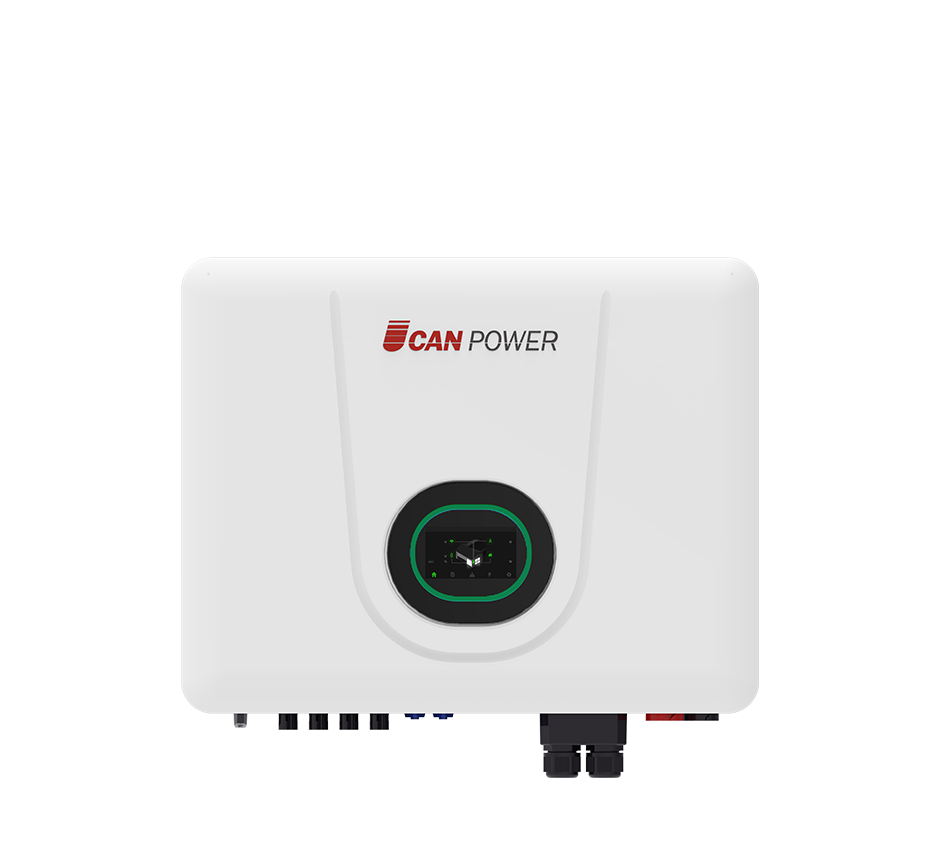
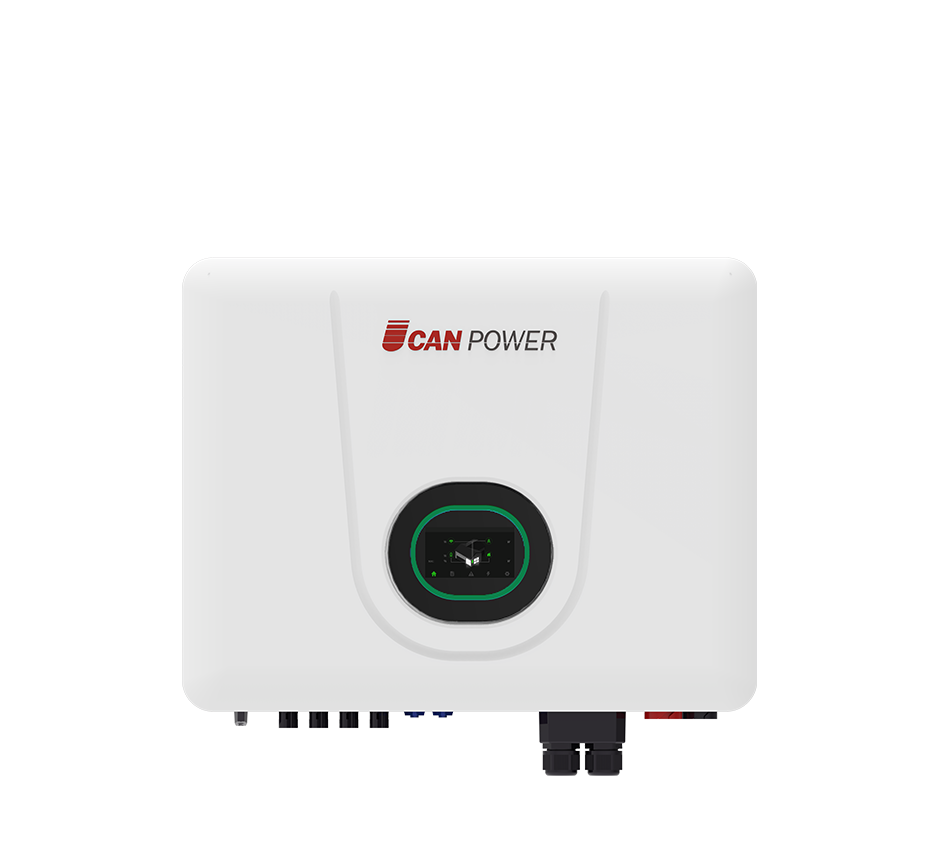
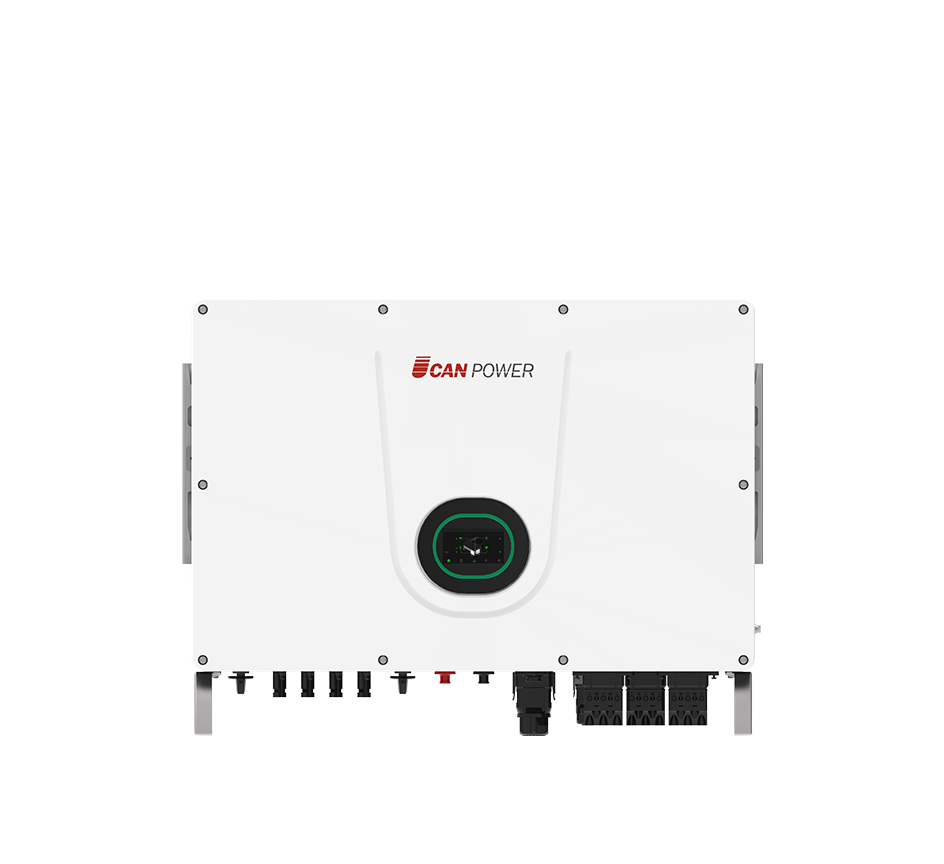
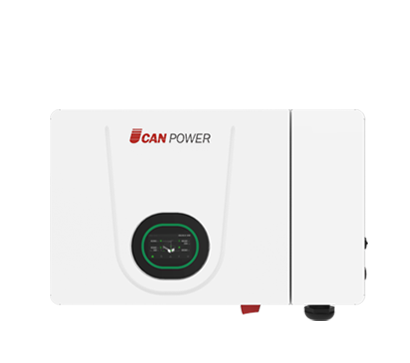
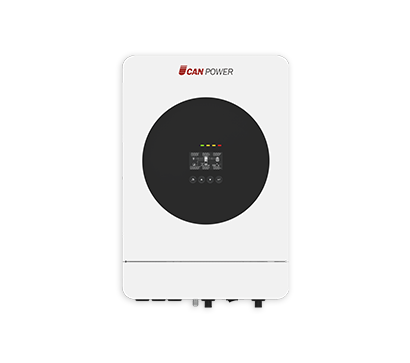
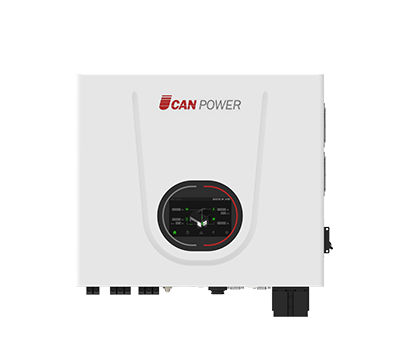
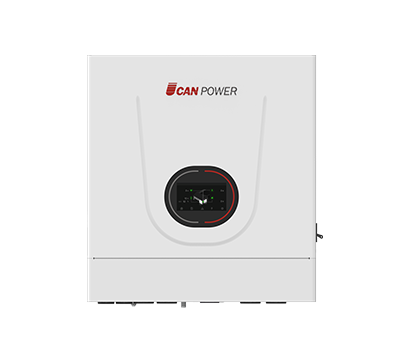
Inverters are essential components of a photovoltaic integration system as they convert the DC electricity generated by the solar panels into alternating current (AC) electricity that can be used to power electrical devices and be fed into the grid. There are different types of inverters available, including string inverters, microinverters, and power optimizers.
1. String Inverters
String inverters are the most common type of inverter used in photovoltaic integration systems. They are connected to a string of solar panels and convert the DC output of the panels into AC electricity. String inverters are relatively inexpensive and have a high efficiency but can be affected by shading or panel mismatch, which can reduce the overall output of the system.
2. Microinverters
Microinverters are installed on each individual solar panel and convert the DC output of the panel into AC electricity. Microinverters offer several advantages over string inverters, including improved performance in shaded conditions, easier installation, and enhanced monitoring capabilities. However, they are more expensive than string inverters.
3. Power Optimizers
Power optimizers are devices that are connected between each solar panel and a string inverter. They optimize the output of each panel by adjusting the voltage and current to maximize power generation. Power optimizers can improve the performance of a photovoltaic integration system in shaded or mismatched conditions but are also more expensive than traditional string inverters.
C. Mounting Systems
Mounting systems are used to install and secure the solar photovoltaic panels on a roof, ground, or other surface. There are different types of mounting systems available, including roof-mounted systems, ground-mounted systems, and pole-mounted systems.
1. Roof-Mounted Systems
Roof-mounted systems are the most common type of mounting system used in residential and commercial applications. These systems can be either flush-mounted or tilted, depending on the roof type and orientation. Roof-mounted systems are relatively easy to install and do not require additional land space. However, they may be affected by shading from nearby buildings or trees.
2. Ground-Mounted Systems
Ground-mounted systems are used when there is sufficient land space available. These systems can be either fixed-tilt or tracking systems, which follow the movement of the sun to maximize power generation. Ground-mounted systems offer several advantages over roof-mounted systems, including better access for maintenance and the ability to install larger arrays. However, they are more expensive to install and may require additional permits and approvals.
3. Pole-Mounted Systems
Pole-mounted systems are used in applications where there is limited roof or ground space available. These systems can be either single-pole or multi-pole configurations and are often used for off-grid applications or in remote locations. Pole-mounted systems are relatively easy to install and can be adjusted to different angles to optimize solar exposure. However, they may be affected by wind loads and require additional structural support.
D. Batteries and Energy Storage Systems
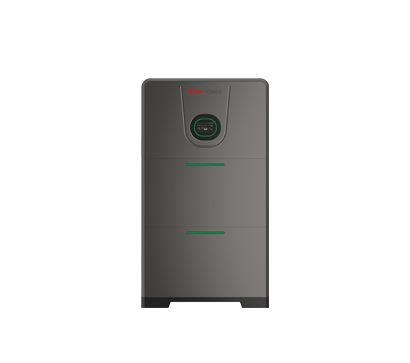
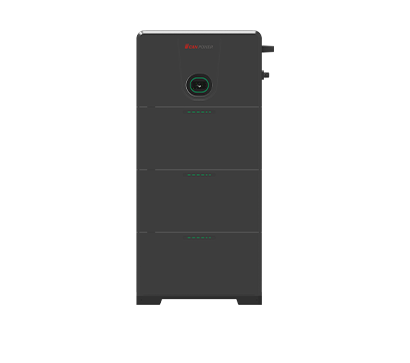
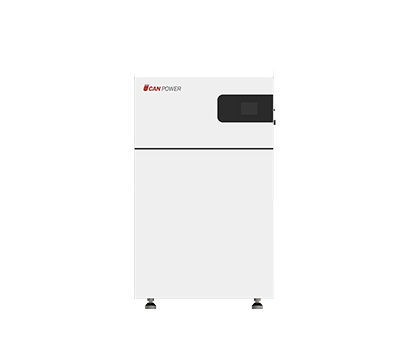
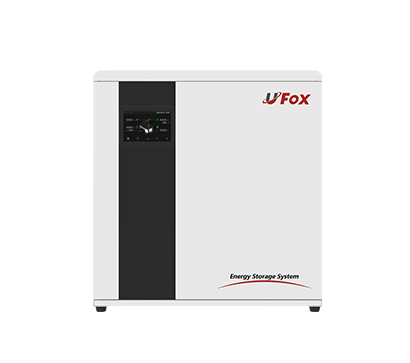
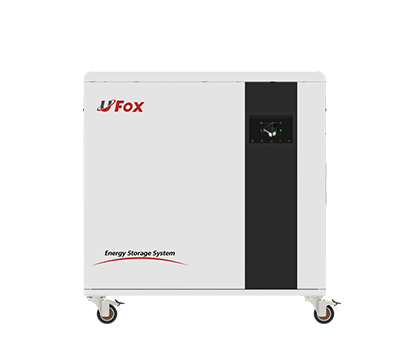
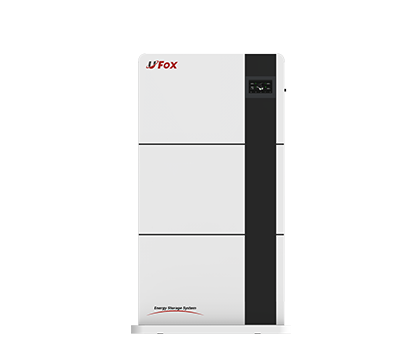
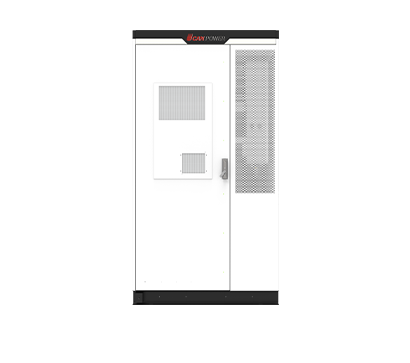
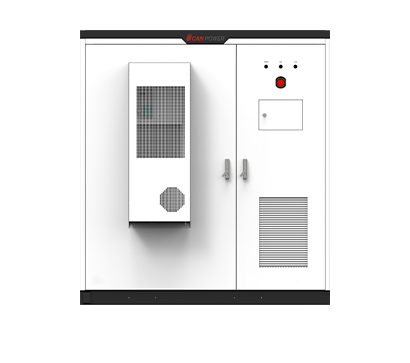
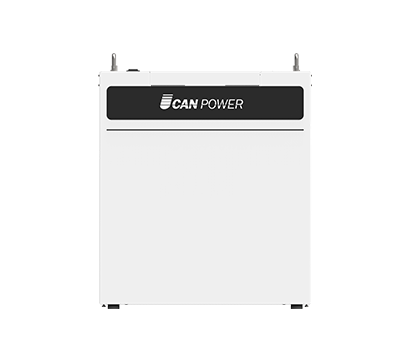
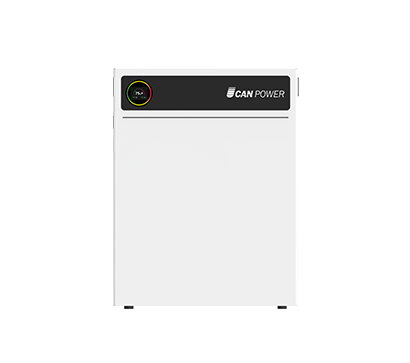
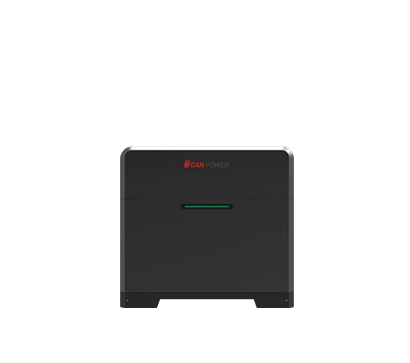
Batteries and energy storage systems can be added to a photovoltaic integration system to store excess electricity generated during the day for use at night or during power outages. There are different types of batteries available, including lead-acid batteries, lithium-ion batteries, and flow batteries.
1. Lead-Acid Batteries
Lead-acid batteries are the oldest and most widely used type of battery for energy storage. They are relatively inexpensive and have a long history of reliable performance. However, lead-acid batteries have a lower energy density and shorter cycle life than other types of batteries.
2. Lithium-Ion Batteries
Lithium-ion batteries are becoming increasingly popular for energy storage due to their high energy density, long cycle life, and fast charging capabilities. Lithium-ion batteries are more expensive than lead-acid batteries but can provide more reliable and efficient energy storage for photovoltaic integration systems.
3. Flow Batteries
Flow batteries are a relatively new type of battery technology that offers several advantages over traditional batteries. Flow batteries have a large storage capacity, long cycle life, and can be easily scaled up or down. However, they are more expensive than lead-acid and lithium-ion batteries and are still in the early stages of commercialization.
E. Monitoring and Control Systems
Monitoring and control systems are used to monitor the performance of a photovoltaic integration system and optimize its operation. These systems can provide real-time data on the power generation, energy consumption, and battery status of the system. Monitoring and control systems can be either stand-alone or integrated with other components of the system.
1. Stand-Alone Monitoring Systems
Stand-alone monitoring systems are independent devices that are connected to the photovoltaic integration system. These systems can provide basic monitoring functions, such as power generation data and system status alerts. Stand-alone monitoring systems are relatively inexpensive and easy to install but may not offer advanced features such as remote control or optimization.
2. Integrated Monitoring and Control Systems
Integrated monitoring and control systems are integrated with other components of the photovoltaic integration system, such as inverters or batteries. These systems can provide advanced monitoring and control functions, such as remote control, optimization, and predictive maintenance. Integrated monitoring and control systems are more expensive than stand-alone systems but can offer greater efficiency and reliability.
II. Types of Photovoltaic Integration Systems
A. Grid-Tied Photovoltaic Systems
Grid-tied photovoltaic systems are connected to the electrical grid and are designed to feed excess electricity generated by the solar panels back into the grid. These systems typically consist of solar photovoltaic panels, inverters, and a connection to the grid. Grid-tied photovoltaic systems are the most common type of photovoltaic integration system and are often used in residential, commercial, and industrial applications.
1. Benefits of Grid-Tied Systems
Grid-tied photovoltaic systems offer several benefits, including reduced electricity bills, environmental sustainability, and grid stability. By generating their own electricity, users can reduce their reliance on the grid and save money on their electricity bills. Additionally, grid-tied systems can help reduce greenhouse gas emissions and contribute to a more sustainable energy future. Finally, grid-tied systems can provide grid stability by reducing peak demand and supplying electricity during times of high demand.
2. Challenges of Grid-Tied Systems
Grid-tied photovoltaic systems also face several challenges, including grid reliability, net metering policies, and inverter compatibility. Grid reliability is a concern as photovoltaic systems are dependent on the grid for backup power during periods of low sunlight or system failures. Net metering policies vary by location and can affect the economic viability of grid-tied systems. Finally, inverter compatibility is an issue as different inverters may have different requirements and capabilities, which can affect the performance and reliability of the system.
B. Off-Grid Photovoltaic Systems
Off-grid photovoltaic systems are not connected to the electrical grid and are designed to provide power independently. These systems typically consist of solar photovoltaic panels, batteries, inverters, and charge controllers. Off-grid photovoltaic systems are often used in remote locations where there is no access to the grid or in applications where reliability and independence are important considerations.
1. Benefits of Off-Grid Systems
Off-grid photovoltaic systems offer several benefits, including independence from the grid, reliability, and environmental sustainability. By generating their own electricity, users can be independent of the grid and avoid power outages and blackouts. Additionally, off-grid systems can be designed to be highly reliable and require minimal maintenance. Finally, off-grid systems can help reduce greenhouse gas emissions and contribute to a more sustainable energy future.
2. Challenges of Off-Grid Systems
Off-grid photovoltaic systems also face several challenges, including high initial cost, battery maintenance, and limited power output. Off-grid systems can be expensive to install due to the need for batteries and other components. Additionally, batteries require regular maintenance and replacement, which can add to the cost and complexity of the system. Finally, off-grid systems have a limited power output and may not be able to meet the needs of large loads or continuous power requirements.
C. Hybrid Photovoltaic Systems
Hybrid photovoltaic systems combine solar photovoltaic panels with other energy sources, such as diesel generators, wind turbines, or micro-hydro turbines. These systems are designed to provide a more reliable and sustainable power supply by combining the advantages of different energy sources. Hybrid photovoltaic systems can be either grid-tied or off-grid and are often used in remote locations or in applications where reliability and power quality are important considerations.
1. Benefits of Hybrid Systems
Hybrid photovoltaic systems offer several benefits, including increased reliability, reduced fuel consumption, and environmental sustainability. By combining solar photovoltaic panels with other energy sources, hybrid systems can provide a more reliable power supply and reduce the reliance on fossil fuels. Additionally, hybrid systems can help reduce greenhouse gas emissions and contribute to a more sustainable energy future.
2. Challenges of Hybrid Systems
Hybrid photovoltaic systems also face several challenges, including system complexity, cost, and maintenance. Hybrid systems are more complex than single-source systems and require careful design and integration to ensure optimal performance. Additionally, hybrid systems can be expensive to install due to the need for multiple components and technologies. Finally, hybrid systems require regular maintenance and monitoring to ensure reliable operation.
III. Benefits of Photovoltaic Integration Systems
A. Environmental Sustainability
Photovoltaic integration systems offer significant environmental benefits by reducing greenhouse gas emissions and dependence on fossil fuels. Solar energy is a clean and renewable source of energy that does not produce harmful emissions or pollutants. By using photovoltaic integration systems, users can reduce their carbon footprint and contribute to a more sustainable future.
B. Energy Independence
Photovoltaic integration systems can provide energy independence by generating their own electricity. This can be especially beneficial in remote locations where access to the grid is limited or unreliable. By using photovoltaic integration systems, users can be self-sufficient and reduce their reliance on external power sources.
C. Cost Savings
Photovoltaic integration systems can offer significant cost savings over time by reducing electricity bills. By generating their own electricity, users can reduce their dependence on the grid and save money on their electricity bills. Additionally, many governments and utilities offer incentives and rebates for installing photovoltaic integration systems, which can further reduce the cost.
D. Reliability and Resilience
Photovoltaic integration systems can provide reliable and resilient power supply, especially when combined with energy storage systems. In the event of a power outage or grid failure, photovoltaic integration systems with energy storage can continue to provide power, ensuring the continuity of essential services and operations.
E. Aesthetic Appeal
Photovoltaic integration systems can be designed to be aesthetically pleasing and blend in with the surrounding environment. Solar photovoltaic panels can be installed on roofs, walls, or as part of building facades, adding to the visual appeal of a building while also generating electricity.
IV. Challenges of Photovoltaic Integration Systems
A. High Initial Cost
The initial cost of installing a photovoltaic integration system can be high, especially for large-scale systems. The cost of solar photovoltaic panels, inverters, batteries, and other components can add up quickly, making it a significant investment. However, the cost of photovoltaic integration systems has been declining over time, and with the availability of incentives and rebates, the payback period can be relatively short.
B. Intermittent Nature of Solar Energy
Solar energy is intermittent and depends on factors such as sunlight availability, weather conditions, and time of day. This can make it challenging to ensure a continuous and reliable power supply. To address this issue, photovoltaic integration systems can be combined with energy storage systems or other backup power sources to provide power during periods of low sunlight or system failures.
C. Grid Integration Issues
Grid-tied photovoltaic integration systems need to be integrated with the electrical grid, which can pose technical and regulatory challenges. Issues such as inverter compatibility, grid stability, and net metering policies need to be addressed to ensure the smooth integration of photovoltaic systems into the grid.
D. Maintenance and Monitoring
Photovoltaic integration systems require regular maintenance and monitoring to ensure optimal performance and reliability. Solar photovoltaic panels need to be cleaned regularly to remove dirt and debris, and inverters and other components need to be checked for faults and malfunctions. Additionally, monitoring systems need to be in place to track the performance of the system and detect any issues early on.
E. Land Use and Aesthetic Concerns
Large-scale photovoltaic integration systems can require significant land area, which can raise land use and aesthetic concerns. The installation of solar photovoltaic panels on agricultural land or in natural areas can have an impact on the environment and local communities. Additionally, some people may find the appearance of solar photovoltaic panels unattractive and may oppose their installation.
V. Future Prospects of Photovoltaic Integration Systems
A. Technological Advancements
As technology continues to advance, photovoltaic integration systems are expected to become more efficient, reliable, and cost-effective. New materials and manufacturing processes are being developed to improve the performance and durability of solar photovoltaic panels. Inverters and energy storage systems are also becoming more advanced, offering improved efficiency and functionality.
B. Increased Adoption
The adoption of photovoltaic integration systems is expected to increase in the coming years as the cost continues to decline and awareness of the environmental and economic benefits grows. Governments and utilities are also expected to play a more active role in promoting the use of photovoltaic integration systems through incentives, rebates, and regulatory policies.
C. Integration with Other Technologies
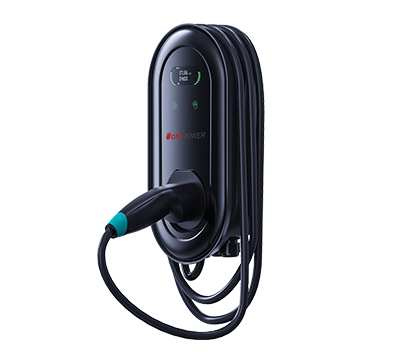
Photovoltaic integration systems are likely to be integrated with other technologies, such as energy storage, smart grids, and electric vehicles. This integration will enable more efficient use of solar energy and contribute to a more sustainable and resilient energy future.
D. Community and Distributed Energy Resources
Photovoltaic integration systems are expected to play an important role in community and distributed energy resources. Small-scale photovoltaic systems installed on residential and commercial buildings can be aggregated to form virtual power plants, providing power to the grid and reducing the need for large centralized power plants.
E. Global Impact
Photovoltaic integration systems have the potential to have a significant global impact by reducing greenhouse gas emissions and promoting sustainable development. As more countries adopt photovoltaic integration systems, the demand for solar photovoltaic panels and related technologies is expected to increase, driving innovation and investment in the sector.
Photovoltaic integration systems offer a promising solution for meeting the growing demand for clean and sustainable energy. With their environmental benefits, energy independence, cost savings, and reliability, photovoltaic integration systems are becoming an increasingly popular choice for residential, commercial, and industrial applications. However, challenges such as high initial cost, intermittent nature of solar energy, grid integration issues, maintenance and monitoring, and land use and aesthetic concerns need to be addressed to ensure the widespread adoption of these systems. As technology continues to advance and policies and incentives are put in place to support the growth of photovoltaic integration systems, the future looks bright for this emerging technology.




 German
 Italian
 Japanese
 Global (English)
 Chinese
 Spanish
 French


