

I. Introduction
In the quest for sustainable and clean energy sources, photovoltaic (PV) inverter systems have emerged as a crucial and advanced solution for harnessing solar energy. As the world increasingly turns to renewable energy to combat climate change and meet growing energy demands, understanding the significance and capabilities of photovoltaic inverter systems becomes essential.
II. The Role of Photovoltaic Inverter Systems in Solar Energy Conversion
Photovoltaic inverter systems play a central role in converting the direct current (DC) electricity generated by solar panels into alternating current (AC) electricity that can be used to power homes, businesses, and the electrical grid. This conversion is essential as most electrical devices and the grid operate on AC power.
The inverter not only converts the electricity but also optimizes the power output of the solar panels. It adjusts the voltage and current to match the requirements of the load or the grid, ensuring maximum efficiency and energy yield. Additionally, inverters often come with advanced features such as maximum power point tracking (MPPT), which continuously adjusts the operating point of the solar panels to extract the maximum possible power from them.
III. Components of a Photovoltaic Inverter System
A typical photovoltaic inverter system consists of several key components, each with its own important function:
1. Solar Panels: The solar panels are the primary source of energy in the system. They convert sunlight into DC electricity through the photovoltaic effect. High-quality solar panels with high conversion efficiencies are essential for maximizing the energy output of the system.
2. DC Disconnect: This device allows for the isolation of the solar panels from the rest of the system in case of maintenance or emergencies. It provides a safe way to disconnect the DC power source.
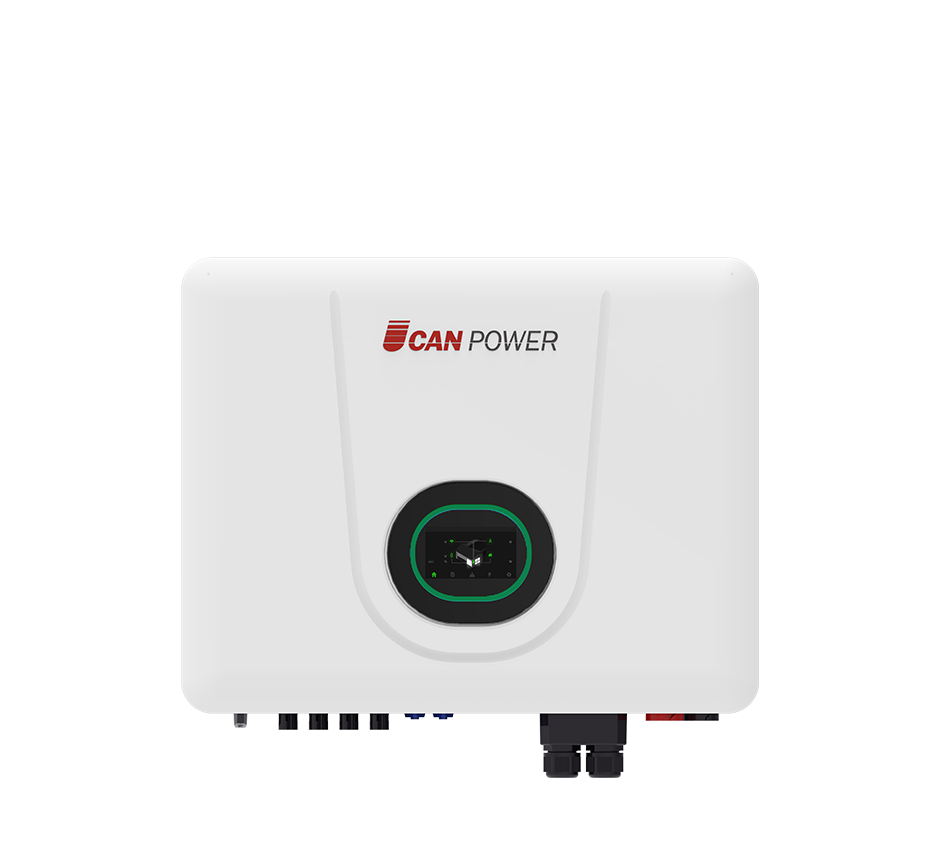
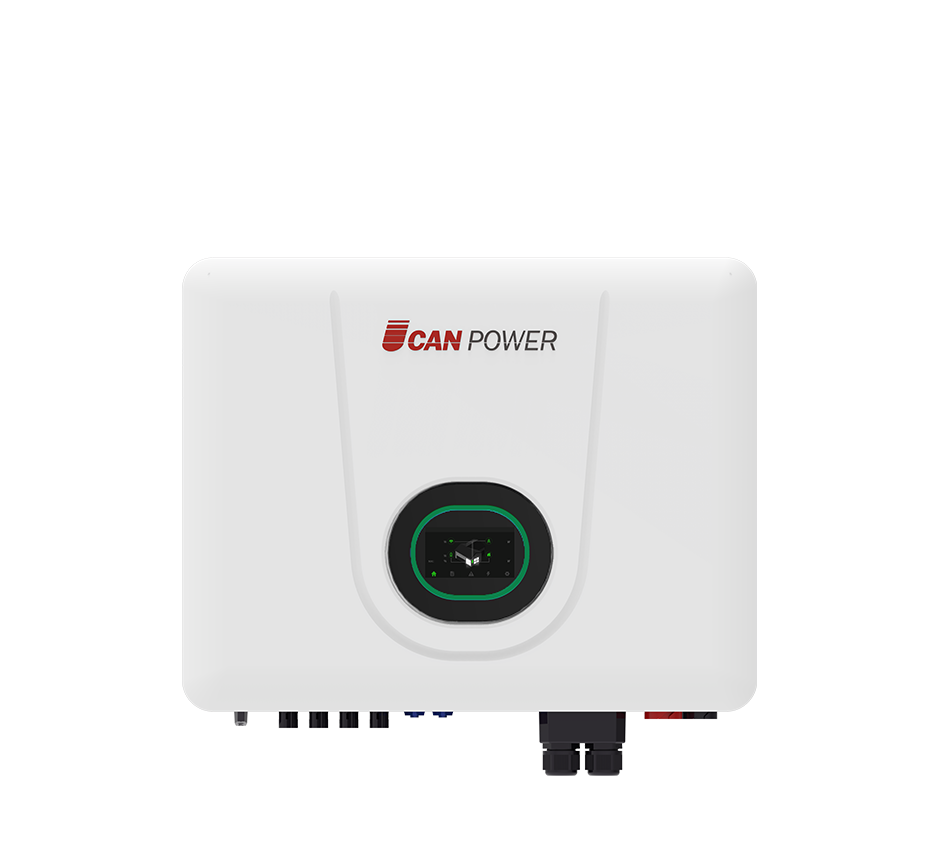
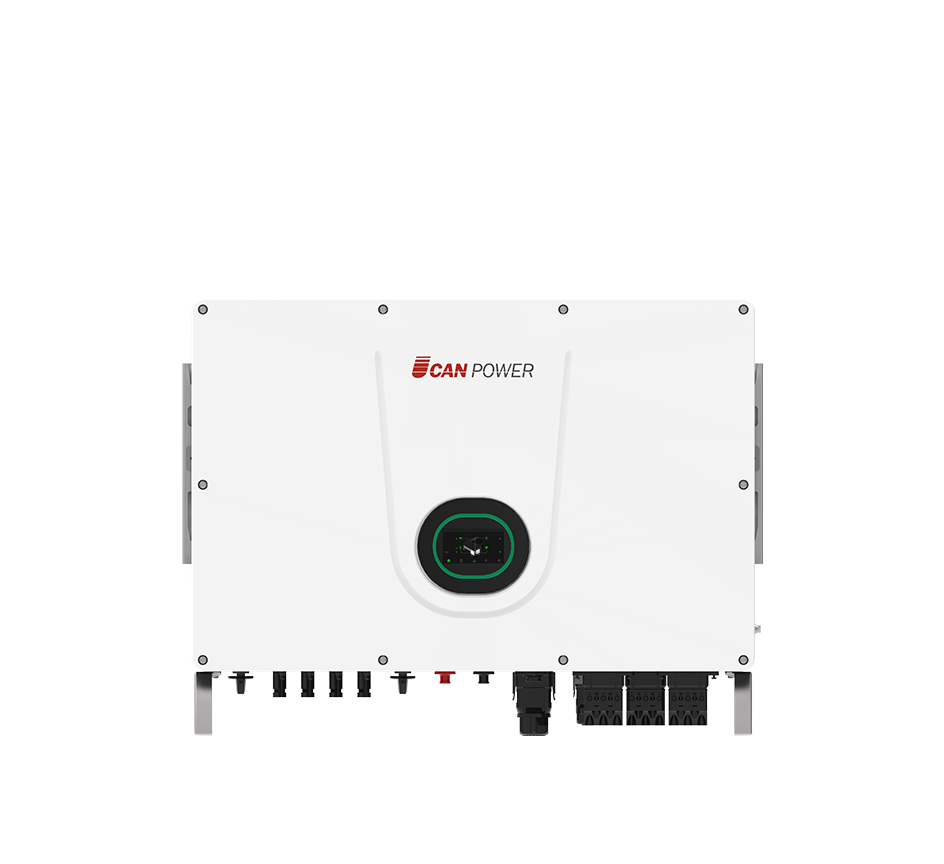
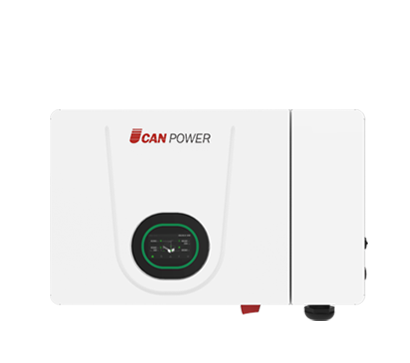
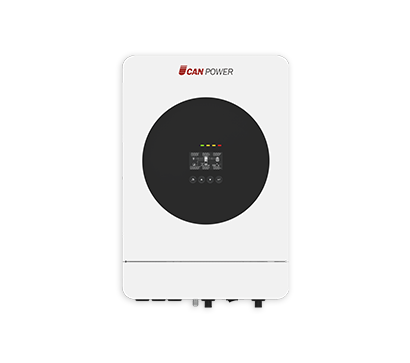
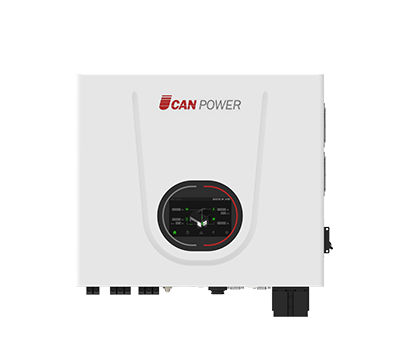
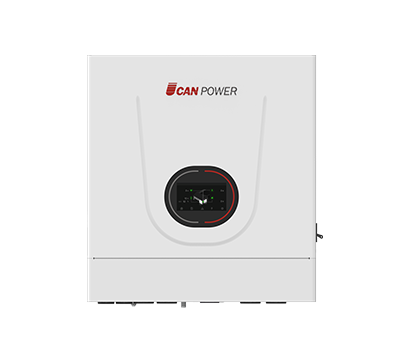
3. Inverter: The heart of the system, the inverter converts the DC electricity from the solar panels into AC electricity. It uses power electronics technology to perform this conversion and often includes advanced features such as MPPT, grid-tie functionality, and protection circuits.
4. AC Disconnect: Similar to the DC disconnect, the AC disconnect provides a means to disconnect the inverter from the electrical grid or load. This is useful for maintenance and troubleshooting.
5. Monitoring and Control System: This system allows for real-time monitoring of the performance of the solar installation. It provides data on power output, energy yield, inverter status, and other important parameters. The control system may also allow for remote control and configuration of the inverter.
6. Mounting Structure: The mounting structure holds the solar panels in place and ensures proper orientation towards the sun for maximum energy capture. It should be sturdy and durable to withstand various weather conditions.
IV. Working Principle of Photovoltaic Inverter Systems
The working principle of a photovoltaic inverter system involves several steps:
1. Solar Panel Generation: The solar panels absorb sunlight and generate DC electricity. The amount of electricity generated depends on factors such as the intensity of sunlight, the efficiency of the solar panels, and the temperature.
2. DC to AC Conversion: The DC electricity from the solar panels is fed into the inverter. Inside the inverter, power electronics devices such as transistors and diodes convert the DC electricity into AC electricity. The inverter controls the voltage and frequency of the AC output to match the requirements of the load or the grid.
3. Maximum Power Point Tracking: The inverter uses MPPT algorithms to continuously adjust the operating point of the solar panels to extract the maximum possible power. This is done by monitoring the voltage and current of the solar panels and adjusting the input impedance of the inverter to match the impedance of the solar panels at their maximum power point.
4. Grid Connection or Load Supply: If the inverter is grid-tied, it synchronizes its output with the electrical grid and feeds the AC electricity into the grid. If the inverter is used for off-grid applications, it supplies the AC electricity to a load such as a home or a business.
5. Monitoring and Control: The monitoring and control system continuously monitors the performance of the solar installation and the inverter. It provides data on power output, energy yield, inverter status, and other parameters. The control system may also allow for remote control and configuration of the inverter.
V. Advanced Features of Photovoltaic Inverter Systems
Modern photovoltaic inverter systems come with a variety of advanced features that enhance their performance and functionality:
1. Maximum Power Point Tracking (MPPT): As mentioned earlier, MPPT is a crucial feature that maximizes the power output of the solar panels. Advanced MPPT algorithms can quickly and accurately track the maximum power point, even under changing environmental conditions such as varying sunlight intensity and temperature.
2. Grid-Tie Functionality: Grid-tied inverters can synchronize their output with the electrical grid and feed excess solar power back into the grid. This not only reduces the reliance on fossil fuels but also allows homeowners and businesses to earn credits or payments for the excess electricity they generate.
3. Islanding Protection: Islanding protection is a safety feature that prevents the inverter from continuing to supply power to an isolated portion of the grid in the event of a power outage. This is important to ensure the safety of utility workers who may be working on the grid.
4. Remote Monitoring and Control: Many inverters come with remote monitoring and control capabilities, allowing users to access real-time data on the performance of their solar installation and control the inverter settings from anywhere using a computer or mobile device.
5. Power Quality Enhancement: Some inverters can improve the power quality of the output electricity by filtering out harmonics and reducing voltage fluctuations. This is important for ensuring the reliable operation of sensitive electrical equipment.
6. Battery Integration: Inverters can be integrated with battery storage systems, allowing for the storage of excess solar power for use during times of low sunlight or power outages. This provides greater energy independence and reliability.
VI. Benefits of Photovoltaic Inverter Systems
The use of photovoltaic inverter systems offers several significant benefits:
1. Clean and Renewable Energy: Solar energy is a clean and renewable source of energy that does not produce greenhouse gas emissions or other pollutants. By using photovoltaic inverter systems, we can reduce our reliance on fossil fuels and contribute to a more sustainable future.
2. Cost Savings: While the initial investment in a solar installation can be significant, the long-term cost savings can be substantial. By generating your own electricity, you can reduce or even eliminate your electricity bills. In addition, grid-tied systems can earn credits or payments for excess electricity generated.
3. Energy Independence: Photovoltaic inverter systems can provide a degree of energy independence, especially when combined with battery storage. This means that you are less reliant on the electrical grid and can continue to have power even during power outages.
4. Increased Property Value: A solar installation with a photovoltaic inverter system can increase the value of your property. This is because solar energy is becoming increasingly popular and is seen as a desirable feature by many homebuyers and businesses.
5. Low Maintenance: Solar panels and inverters require very little maintenance. Once installed, they can operate for many years with minimal intervention. This makes them a convenient and hassle-free energy solution.
VII. Installation and Maintenance of Photovoltaic Inverter Systems
Proper installation and maintenance are essential for ensuring the optimal performance and longevity of photovoltaic inverter systems:
1. Installation: The installation of a photovoltaic inverter system should be carried out by qualified professionals who are experienced in solar installations. The installer should ensure that the solar panels are properly mounted and oriented towards the sun for maximum energy capture. The inverter should be installed in a dry, cool, and well-ventilated location to ensure proper heat dissipation. All electrical connections should be made securely and in accordance with local electrical codes and safety standards.
2. Maintenance: Regular maintenance of the photovoltaic inverter system is important to ensure its continued performance and reliability. This may include cleaning the solar panels to remove dirt and debris, checking for loose connections and damaged components, and monitoring the performance of the inverter and the solar installation. Inverters may also require periodic software updates to ensure they are operating with the latest features and performance enhancements.
VIII. The Future of Photovoltaic Inverter Systems
The future of photovoltaic inverter systems looks bright as technological advancements continue to drive innovation in the solar energy industry:
1. Increased Efficiency: Inverters will become more efficient, converting a higher percentage of the solar energy into usable electricity. This will lead to greater energy yields and reduced costs.
2. Advanced Features: Inverters will come with even more advanced features such as intelligent monitoring and control, predictive maintenance, and integration with other energy technologies such as energy storage and electric vehicles.
3. Modularity and Scalability: Inverter systems will become more modular and scalable, allowing for easy expansion and customization of solar installations. This will make it easier for homeowners and businesses to add more solar panels or upgrade their systems as their energy needs grow.
4. Integration with the Grid: Inverters will play an increasingly important role in the integration of solar energy into the electrical grid. They will help to manage the flow of power between the solar installation and the grid, ensuring stability and reliability.
IX. Conclusion
Photovoltaic inverter systems are an advanced and essential solution for harnessing solar energy. They play a crucial role in converting the DC electricity generated by solar panels into AC electricity that can be used to power homes, businesses, and the electrical grid. With their advanced features, benefits, and potential for future growth, photovoltaic inverter systems are set to play a major role in the transition to a more sustainable energy future.




 German
 Italian
 Japanese
 Global (English)
 Chinese
 Spanish
 French


