

I. Introduction
In the pursuit of sustainable energy solutions, photovoltaic (PV) inverter systems have emerged as a crucial component in harnessing the power of the sun and converting it into reliable electrical energy. As the demand for clean and renewable energy sources continues to grow, understanding the role and functionality of PV inverter systems becomes essential. This article delves into the world of photovoltaic inverter systems, exploring their significance, components, working principles, and the factors that contribute to their reliable solar energy output.
II. The Significance of Photovoltaic Inverter Systems
Photovoltaic inverter systems play a vital role in the solar energy landscape for several reasons. Firstly, they are responsible for converting the direct current (DC) electricity generated by solar panels into alternating current (AC) electricity that can be used to power homes, businesses, and the electrical grid. This conversion is necessary as most electrical devices and the grid operate on AC power.
Secondly, PV inverter systems optimize the performance of solar panels by controlling the flow of electricity and maximizing the power output. They ensure that the solar panels operate at their maximum efficiency, thereby increasing the overall energy yield of the solar installation.
Moreover, these systems provide essential safety features such as overvoltage protection, overcurrent protection, and ground fault detection. They also enable seamless integration of solar power into the electrical grid, allowing for the excess energy to be fed back and reducing the reliance on traditional fossil fuel-based power sources.
III. Components of a Photovoltaic Inverter System
A typical photovoltaic inverter system consists of several key components, each playing a specific role in the conversion and delivery of solar energy. These components include:
1. Solar Panels: The solar panels are the primary source of energy in the system. They convert sunlight into direct current electricity through the photovoltaic effect.
2. DC Disconnect: The DC disconnect is a safety device that allows for the isolation of the solar panels from the rest of the system in case of maintenance or emergencies.
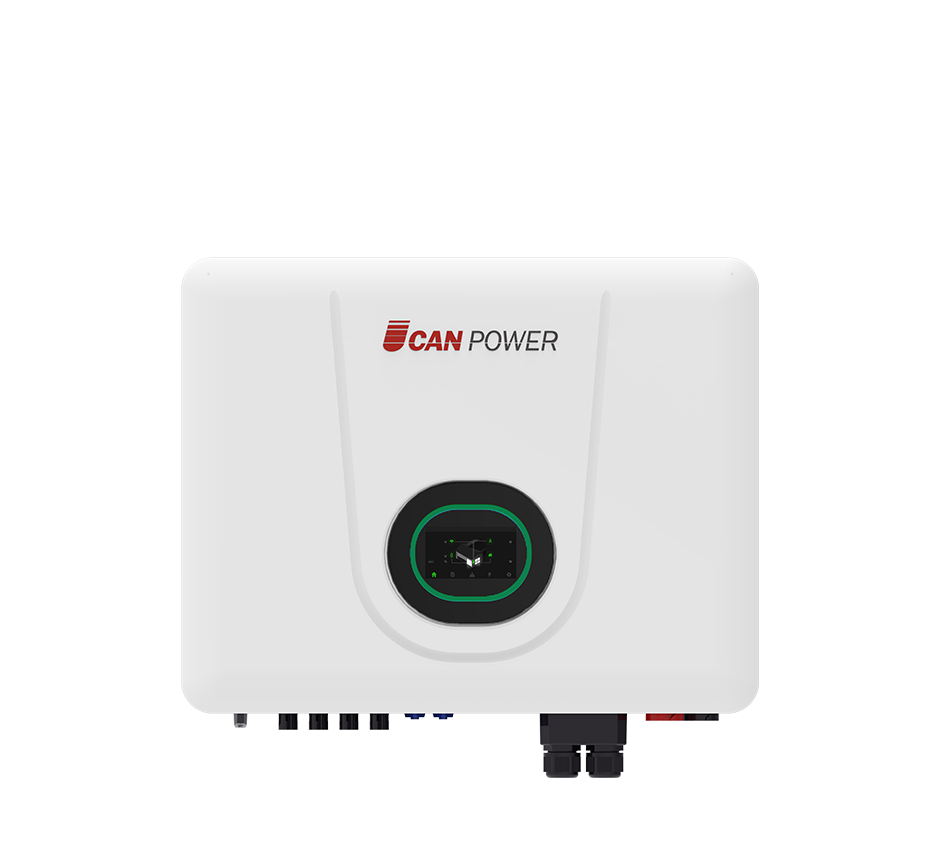
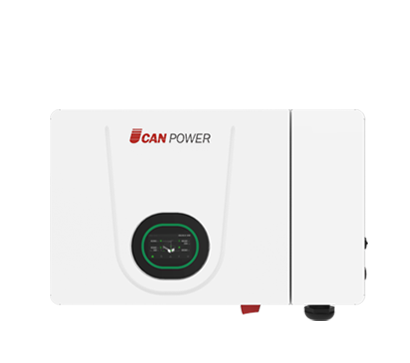
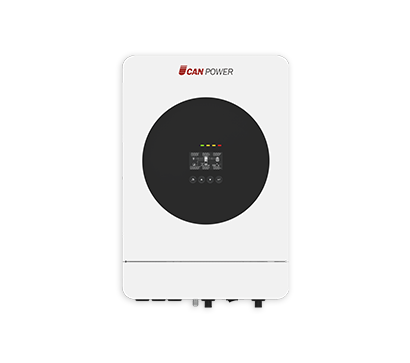
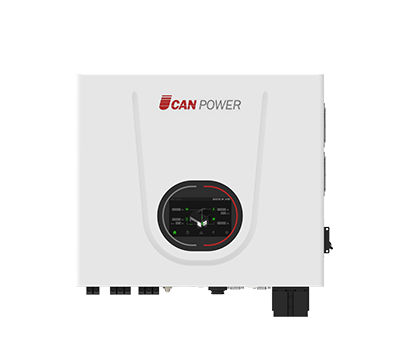
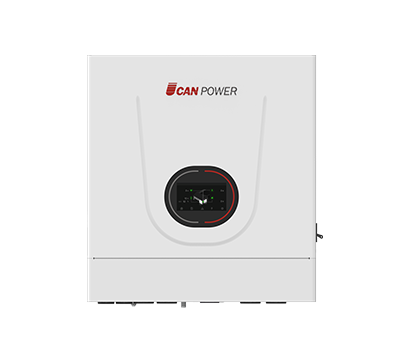
3. Inverter: The inverter is the heart of the PV system. It converts the DC electricity from the solar panels into AC electricity of the appropriate voltage and frequency for use in electrical appliances or for feeding into the grid.
4. AC Disconnect: The AC disconnect provides a means to disconnect the inverter from the electrical grid or load for maintenance or troubleshooting.
5. Monitoring System: The monitoring system allows for real-time monitoring of the performance of the solar installation. It provides data on power output, energy yield, and system health, enabling proactive maintenance and optimization.
6. Mounting Structure: The mounting structure holds the solar panels in place and ensures proper orientation towards the sun for maximum energy capture.
IV. Working Principle of Photovoltaic Inverter Systems
The working principle of a photovoltaic inverter system involves several steps. Firstly, the solar panels absorb sunlight and generate direct current electricity. This DC electricity is then fed into the inverter through the DC disconnect.
Inside the inverter, the DC electricity is converted into alternating current electricity using power electronics technology. The inverter controls the output voltage and frequency to match the requirements of the electrical grid or load.
The AC electricity is then passed through the AC disconnect and supplied to the electrical appliances or fed back into the grid. The monitoring system continuously monitors the performance of the system and provides feedback for optimization and troubleshooting.
V. Factors Affecting Reliable Solar Energy Output
Several factors can influence the reliable output of solar energy from a photovoltaic inverter system. These factors include:
1. Solar Panel Quality: The quality and efficiency of the solar panels play a significant role in determining the energy output. High-quality panels with higher conversion efficiencies will generate more electricity.
2. Inverter Efficiency: The efficiency of the inverter is crucial as it directly affects the amount of AC electricity that can be obtained from the DC input. A more efficient inverter will convert a higher percentage of the solar energy, resulting in greater output.
3. Installation Location and Orientation: The location and orientation of the solar panels can impact the amount of sunlight they receive. Panels installed in areas with good sunlight exposure and properly oriented towards the sun will generate more energy.
4. Weather Conditions: Weather conditions such as cloud cover, temperature, and humidity can affect the performance of the solar panels and inverter. Sunny days with clear skies will result in higher energy output, while cloudy or rainy days may reduce the output.
5. System Maintenance: Regular maintenance of the solar panels and inverter is essential to ensure optimal performance. Cleaning the panels, checking for loose connections, and monitoring the system for faults can help maintain reliable energy output.
6. Grid Stability: The stability of the electrical grid can also affect the performance of the PV inverter system. Fluctuations in grid voltage and frequency can impact the inverter's operation and may require additional measures to ensure reliable output.
VI. Types of Photovoltaic Inverters
There are several types of photovoltaic inverters available in the market, each with its own unique features and applications. The main types include:
1. String Inverters: String inverters are the most common type of PV inverter. They are connected to a string of solar panels and convert the DC electricity from all the panels in the string into AC electricity. String inverters are relatively inexpensive and easy to install.
2. Microinverters: Microinverters are installed on each individual solar panel. They convert the DC electricity generated by the panel into AC electricity at the panel level. Microinverters offer several advantages such as higher efficiency, better monitoring capabilities, and the ability to handle partial shading.
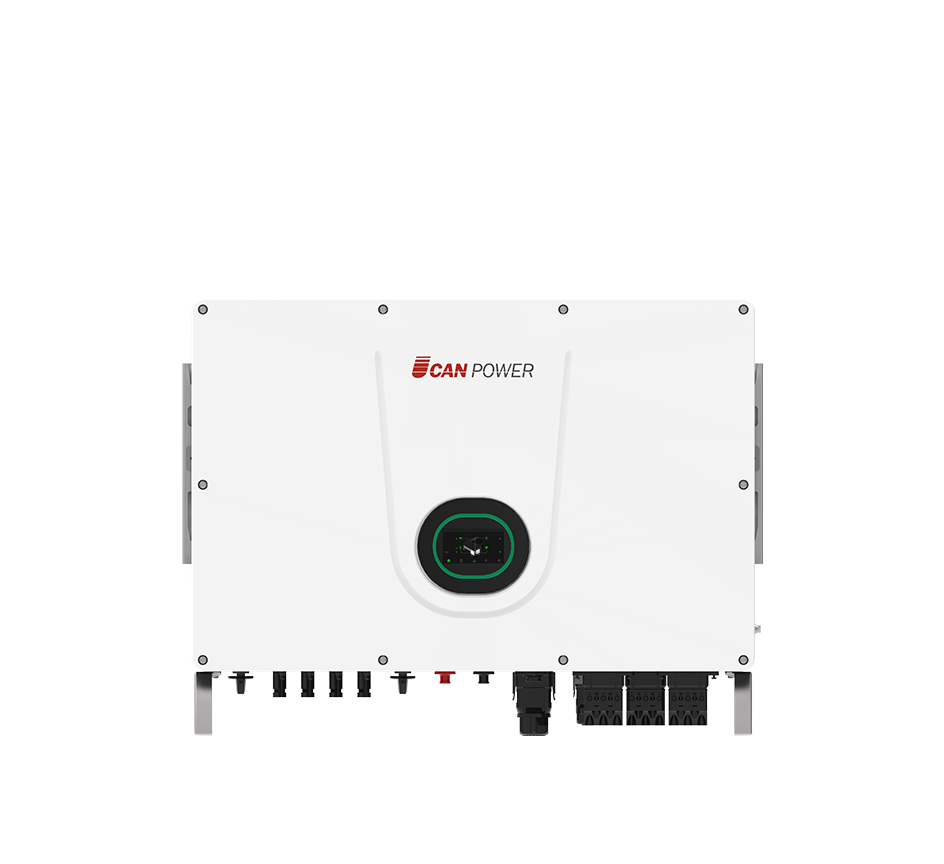
3. Central Inverters: Central inverters are large inverters that are designed for large-scale solar installations. They are connected to multiple strings of solar panels and can handle high power outputs. Central inverters are typically more expensive but offer higher efficiency and reliability.
4. Hybrid Inverters: Hybrid inverters combine the functionality of a PV inverter with that of a battery inverter. They allow for the storage of excess solar energy in batteries for use during times of low sunlight or power outages.
VII. Installation and Maintenance of Photovoltaic Inverter Systems
Proper installation and maintenance of photovoltaic inverter systems are essential for ensuring reliable solar energy output. The installation process should be carried out by qualified professionals who are familiar with the electrical codes and safety standards.
During installation, the solar panels should be properly mounted and oriented to maximize sunlight exposure. The inverter should be installed in a dry, cool, and well-ventilated location to ensure proper heat dissipation. All electrical connections should be made securely to prevent loose connections and potential safety hazards.
Regular maintenance of the PV system is also crucial. This includes cleaning the solar panels to remove dirt and debris, checking for loose connections and damaged components, and monitoring the performance of the inverter and monitoring system. Any faults or issues should be addressed promptly to ensure continuous and reliable energy output.
VIII. The Future of Photovoltaic Inverter Systems
The future of photovoltaic inverter systems looks promising as technological advancements continue to drive innovation in the solar energy industry. Some of the trends that are likely to shape the future of PV inverter systems include:
1. Increased Efficiency: Inverters will become more efficient, converting a higher percentage of the solar energy into usable electricity. This will lead to greater energy yields and reduced costs.
2. Intelligent Monitoring and Control: Advanced monitoring and control systems will enable real-time optimization of the PV system. These systems will use artificial intelligence and machine learning algorithms to predict weather conditions, adjust the inverter settings, and maximize energy output.
3. Integration with Energy Storage: The integration of photovoltaic inverters with energy storage systems will become more common. This will allow for the storage of excess solar energy for use during times of high demand or power outages, increasing the reliability and self-sufficiency of the solar installation.
4. Modularity and Scalability: Inverter systems will become more modular and scalable, allowing for easy expansion and customization of solar installations. This will make it easier for homeowners and businesses to add more solar panels or upgrade their systems as their energy needs grow.
IX. Conclusion
Photovoltaic inverter systems are a critical component in the reliable output of solar energy. They convert the direct current electricity generated by solar panels into alternating current electricity that can be used to power homes, businesses, and the electrical grid. Understanding the components, working principles, and factors affecting the performance of these systems is essential for maximizing the benefits of solar energy. With continued technological advancements and the growing demand for clean and renewable energy sources, photovoltaic inverter systems are set to play an even more significant role in the future of energy generation.




 German
 Italian
 Japanese
 Global (English)
 Chinese
 Spanish
 French


