In the realm of renewable energy, photovoltaic (PV) inverter systems play a crucial role in converting the direct current (DC) electricity generated by solar panels into alternating current (AC) electricity that can be used to power homes, businesses, and the electrical grid. These systems are essential for maximizing the efficiency and effectiveness of solar energy installations, and they have become increasingly sophisticated and advanced in recent years.
I. Introduction
Photovoltaic inverter systems are the interface between solar panels and the electrical grid or local electrical loads. They convert the DC power produced by solar cells into AC power that is compatible with the electrical grid or the specific requirements of the end-use application. In addition to converting power, photovoltaic inverters also perform a variety of other functions, such as monitoring and controlling the solar panel array, maximizing power output, and providing safety features to protect the system and users.
II. Components of a Photovoltaic Inverter System
Inverter
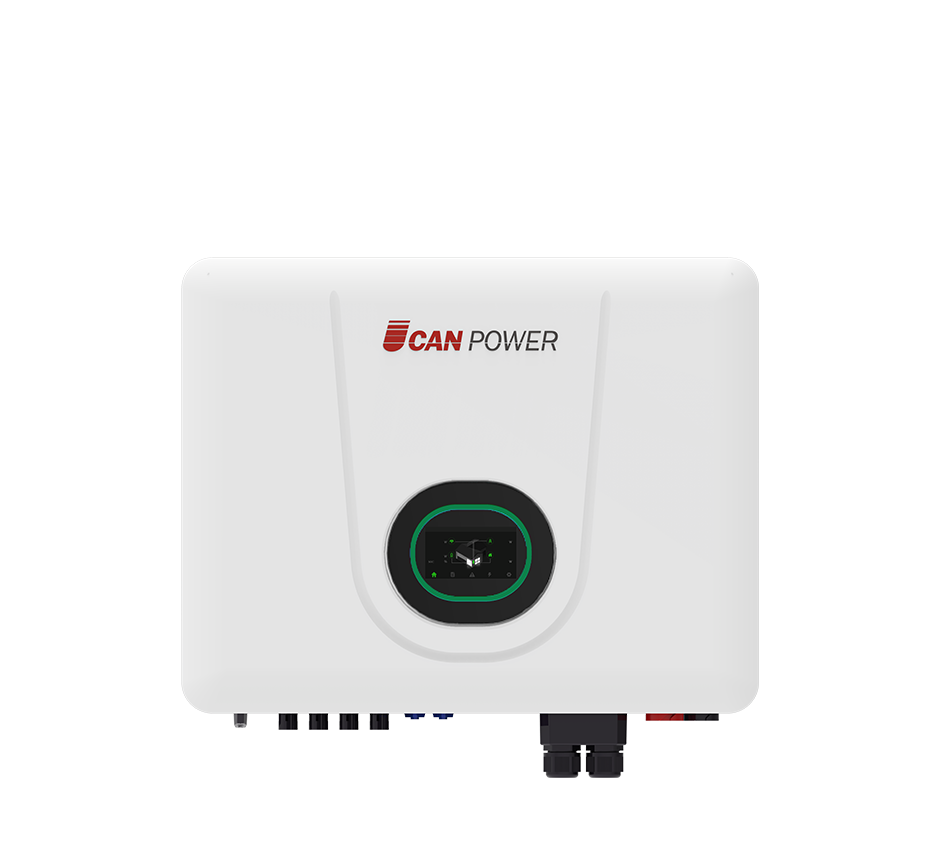
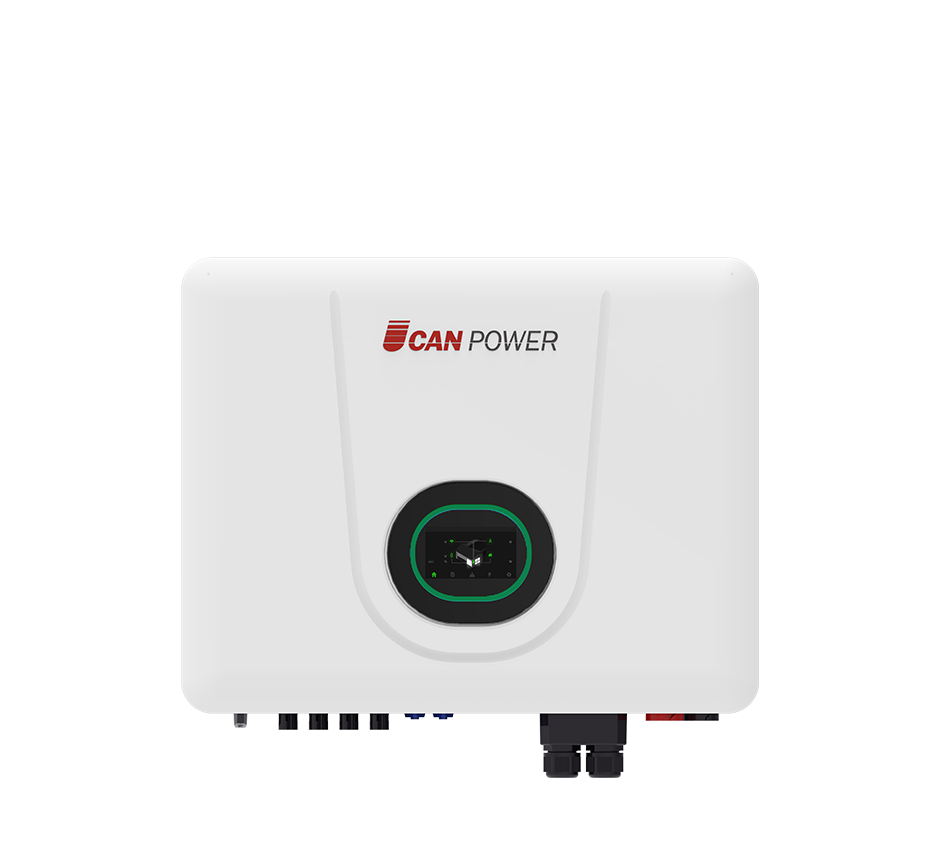
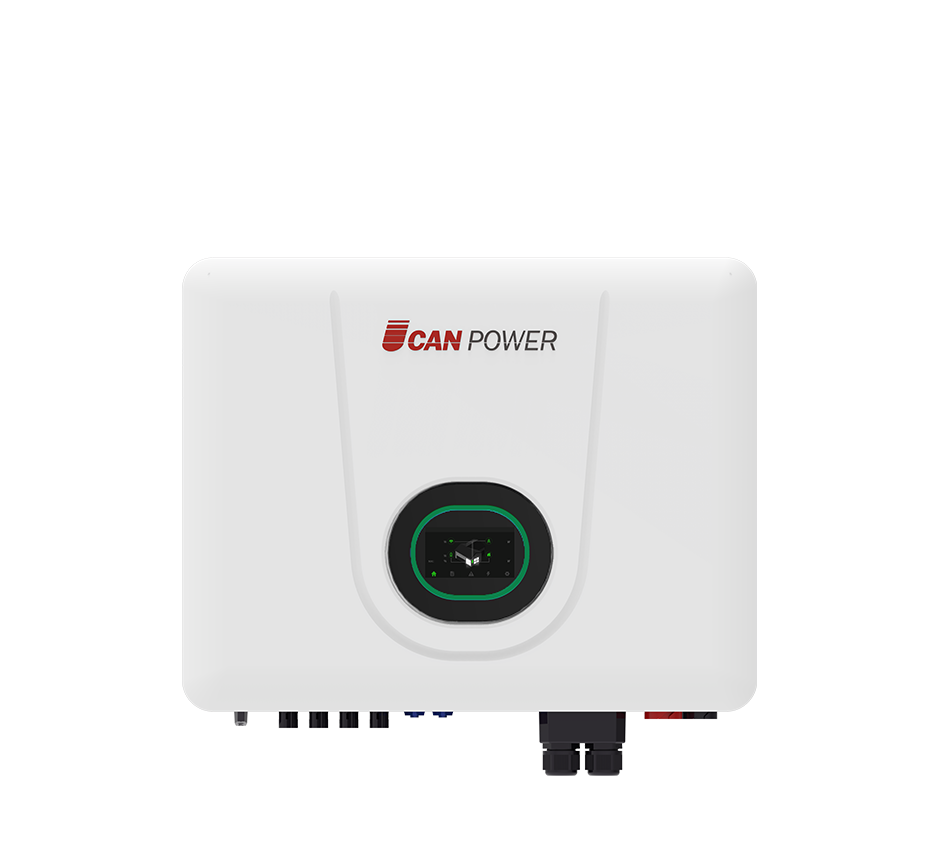
The heart of a photovoltaic inverter system is the inverter itself. Inverters come in a variety of sizes and power ratings, depending on the size of the solar panel array and the electrical load requirements. There are two main types of inverters: string inverters and microinverters.
String inverters are connected to a series of solar panels (a string) and convert the DC power from the entire string into AC power. They are typically larger and more powerful than microinverters and are suitable for larger solar installations.
Microinverters are connected to individual solar panels and convert the DC power from each panel into AC power. They offer several advantages over string inverters, including increased energy production due to per-panel optimization, improved reliability due to the absence of a single point of failure, and easier installation and maintenance.
Monitoring and Control System
A photovoltaic inverter system typically includes a monitoring and control system that allows users to monitor the performance of the solar panel array and the inverter. This system can provide real-time data on power production, energy consumption, and system status, and it can also be used to control the inverter settings and optimize the system performance.
The monitoring and control system can be accessed locally through a display on the inverter or remotely through a web-based interface or mobile app. Some systems also offer advanced features such as energy storage integration, demand response capabilities, and grid-tied operation.
Mounting and Wiring
The photovoltaic inverter system also includes mounting hardware and wiring to connect the solar panels to the inverter and the electrical grid. Mounting options vary depending on the type of solar panel installation, but common methods include roof-mounted racks, ground-mounted structures, and pole-mounted systems.
Wiring must be properly sized and installed to ensure safe and efficient operation of the system. This includes using appropriate conductors, fuses, and disconnects to protect the system from overcurrents and electrical faults.
III. Types of Photovoltaic Inverters
Central Inverters
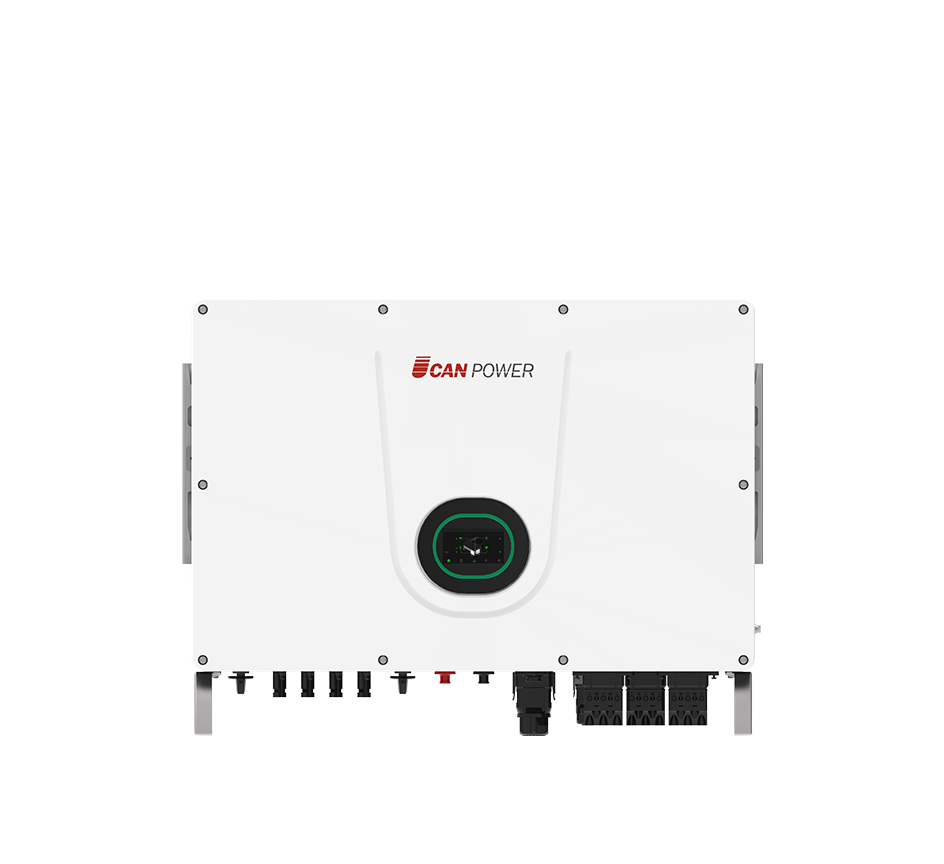
Central inverters are large, high-power inverters that are typically used in large-scale solar power plants. They are connected to multiple strings of solar panels and convert the DC power from the entire array into AC power. Central inverters offer high efficiency and reliability, but they can be expensive and require significant space and infrastructure.
String Inverters
String inverters are smaller and more modular than central inverters and are typically used in medium to large-scale solar installations. They are connected to a series of solar panels (a string) and convert the DC power from the string into AC power. String inverters offer several advantages over central inverters, including lower cost, easier installation and maintenance, and improved flexibility in system design.
Microinverters
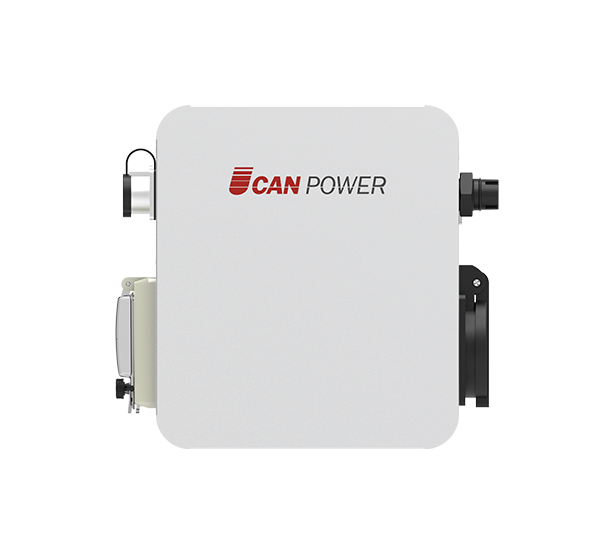
Microinverters are the smallest and most modular type of photovoltaic inverter. They are connected to individual solar panels and convert the DC power from each panel into AC power. Microinverters offer several advantages over string inverters and central inverters, including increased energy production due to per-panel optimization, improved reliability due to the absence of a single point of failure, and easier installation and maintenance.
Hybrid Inverters
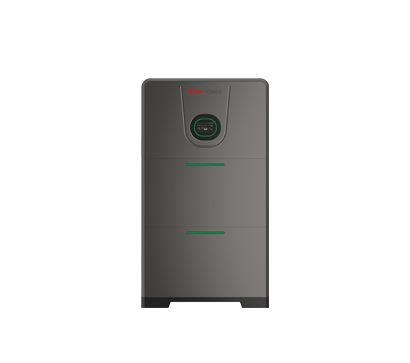
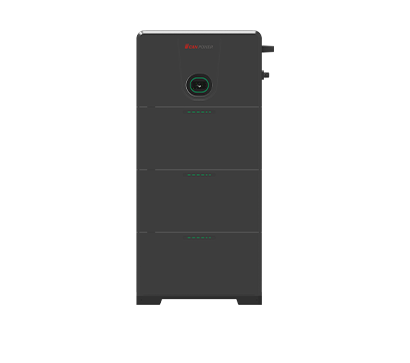
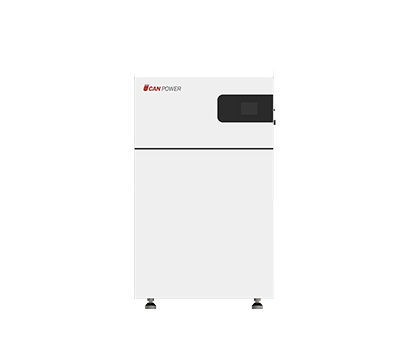
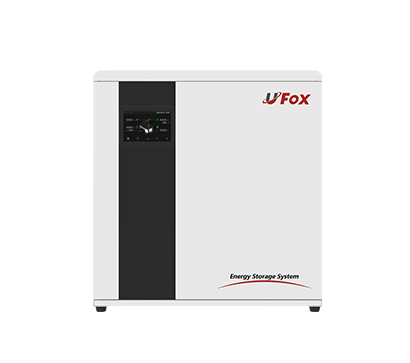
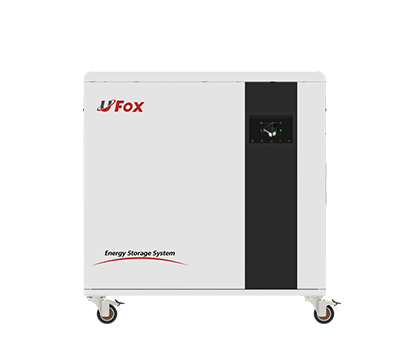
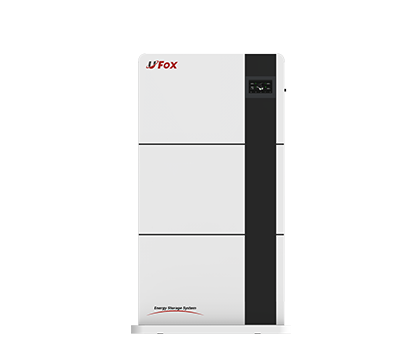
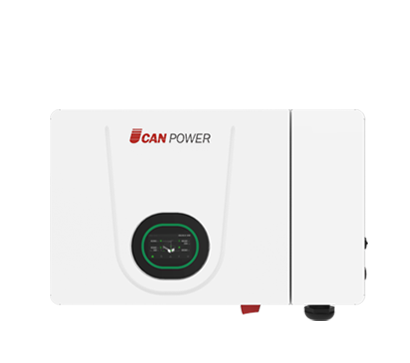
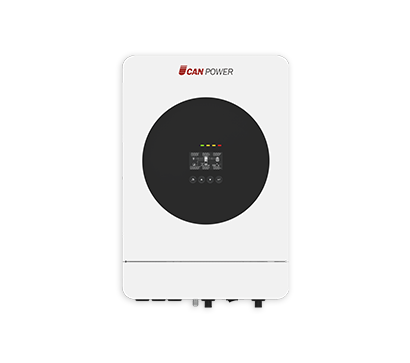
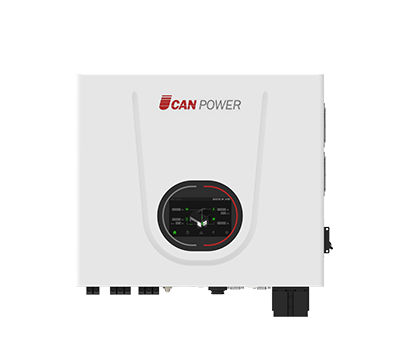
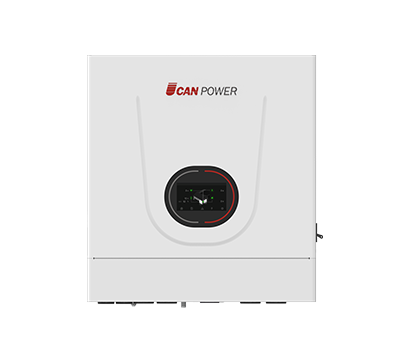
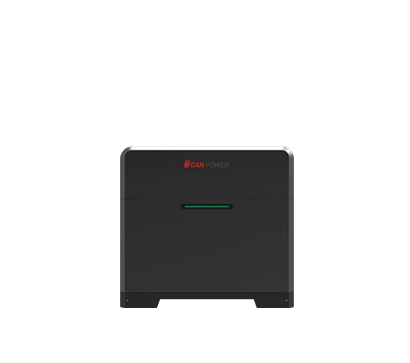
Hybrid inverters are a combination of a photovoltaic inverter and an energy storage inverter. They can be used to convert solar power into AC power and also charge and discharge an energy storage system, such as a battery bank. Hybrid inverters offer several advantages over traditional photovoltaic inverters, including the ability to provide backup power during grid outages, optimize energy usage by storing excess solar power for later use, and participate in demand response programs.
IV. Functions and Features of Photovoltaic Inverters
Power Conversion
Maximum Power Point Tracking (MPPT)
Photovoltaic panels have a characteristic known as the maximum power point (MPP), which is the point at which the panel generates the maximum amount of power. Inverters use a technique called maximum power point tracking (MPPT) to continuously adjust the operating voltage and current of the solar panel array to ensure that it is operating at the MPP. This maximizes the energy output of the solar panels and improves the overall efficiency of the system.
Grid Interaction
Photovoltaic inverter systems must be able to interact with the electrical grid in a safe and reliable manner. This includes synchronizing the output voltage and frequency of the inverter with the grid, detecting grid faults and disconnecting from the grid if necessary, and complying with grid codes and regulations. Some inverters also offer advanced grid interaction features such as reactive power control, voltage regulation, and frequency support.
Monitoring and Control
Photovoltaic inverter systems typically include a monitoring and control system that allows users to monitor the performance of the solar panel array and the inverter. This system can provide real-time data on power production, energy consumption, and system status, and it can also be used to control the inverter settings and optimize the system performance. Some inverters also offer remote monitoring and control capabilities through a web-based interface or mobile app.
Safety Features
Photovoltaic inverter systems must include safety features to protect users and the electrical grid. These features may include overvoltage protection, overcurrent protection, ground fault protection, and isolation from the electrical grid in the event of a fault. Some inverters also offer fire protection features such as thermal sensors and automatic shutdown in the event of a fire.
V. Installation and Maintenance of Photovoltaic Inverter Systems
Installation
The installation of a photovoltaic inverter system requires careful planning and execution to ensure safe and efficient operation. This includes selecting the appropriate inverter size and type for the solar panel array, installing the inverter in a suitable location, and connecting the solar panels and electrical grid wiring correctly.
Professional installation is recommended for most photovoltaic inverter systems to ensure compliance with electrical codes and safety standards. Installers should be trained and experienced in solar energy systems and should have the necessary tools and equipment to complete the installation safely and efficiently.
Maintenance
Photovoltaic inverter systems require regular maintenance to ensure optimal performance and longevity. This includes cleaning the solar panels to remove dirt and debris, inspecting the inverter and wiring for signs of damage or wear, and performing software updates and firmware upgrades as needed.
Some inverters may also require periodic calibration and testing to ensure accurate power conversion and MPPT operation. Manufacturers typically provide maintenance guidelines and recommended service intervals for their inverters, and it is important to follow these guidelines to ensure the long-term reliability of the system.
VI. Future Trends in Photovoltaic Inverter Technology
Increased Efficiency
As the demand for solar energy continues to grow, there is a need for photovoltaic inverters that are more efficient and can convert a higher percentage of the solar energy generated by the panels into usable AC power. Researchers and manufacturers are constantly working on improving the efficiency of inverter technology through the use of advanced semiconductor materials, improved circuit designs, and more efficient cooling systems.
Smart Inverters
Smart inverters are becoming increasingly popular in the solar energy industry. These inverters are equipped with advanced monitoring and control features that allow them to interact with the electrical grid in a more intelligent and flexible way. Smart inverters can provide real-time data on power production and consumption, participate in demand response programs, and optimize the energy output of the solar panel array based on weather conditions and grid requirements.
Energy Storage Integration
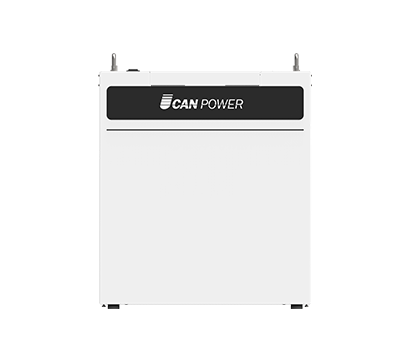
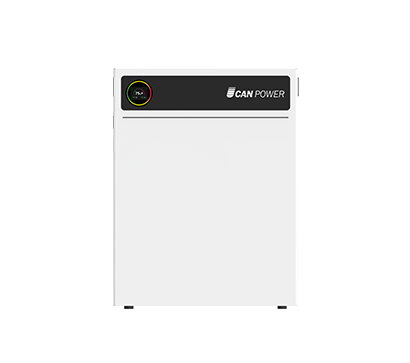
The integration of energy storage systems with photovoltaic inverter systems is another trend that is expected to gain momentum in the coming years. Hybrid inverters that can charge and discharge batteries are already available, and researchers are exploring new ways to integrate energy storage with solar panels to provide more reliable and sustainable power solutions. Energy storage can help to smooth out the intermittent nature of solar power generation and provide backup power during grid outages.
DC Microgrids
DC microgrids are a new concept in the solar energy industry that involves the use of direct current (DC) power distribution instead of alternating current (AC). Photovoltaic panels generate DC power, and by using DC microgrids, the power can be distributed directly to DC loads such as LED lights, electric vehicles, and data centers without the need for conversion to AC. This can reduce energy losses and improve the overall efficiency of the system. Photovoltaic inverters will play an important role in DC microgrids by converting the DC power generated by the solar panels into a common DC voltage for distribution.
In conclusion, photovoltaic inverter systems are a critical component of solar energy installations, converting the DC power generated by solar panels into AC power that can be used to power homes, businesses, and the electrical grid. With advances in technology, photovoltaic inverters are becoming more efficient, intelligent, and integrated with energy storage systems. As the demand for renewable energy continues to grow, photovoltaic inverter systems will play an increasingly important role in the transition to a more sustainable energy future.





 German
 Italian
 Japanese
 Global (English)
 Chinese
 Spanish
 French


