

I. Introduction
In the rapidly evolving landscape of renewable energy, photovoltaic (PV) inverter systems play a crucial role. These systems are the unsung heroes that convert the direct current (DC) electricity generated by solar panels into alternating current (AC) electricity that can be used to power homes, businesses, and the grid. As the demand for clean and sustainable energy sources continues to grow, understanding the functionality and importance of photovoltaic inverter systems becomes essential.
Photovoltaic inverter systems consist of several components that work together to ensure efficient and reliable power conversion. At the heart of these systems is the inverter itself, which is responsible for converting the DC power from the solar panels into AC power. In addition to the inverter, photovoltaic inverter systems may also include other components such as transformers, filters, and monitoring devices.
The development of photovoltaic inverter systems has been driven by several factors, including the increasing demand for renewable energy, advancements in technology, and government incentives. As a result, these systems have become more efficient, reliable, and cost-effective over the years. In this comprehensive overview, we will explore the various aspects of photovoltaic inverter systems, including their components, types, applications, and future trends.
II. Components of Photovoltaic Inverter Systems
Inverter
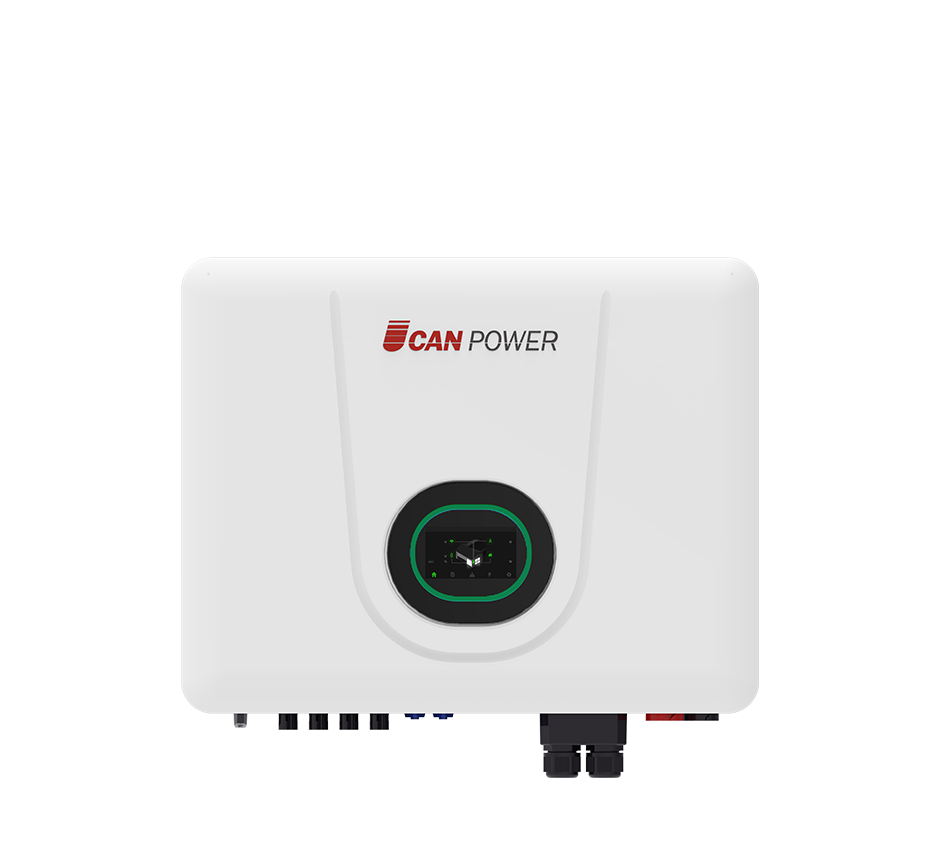
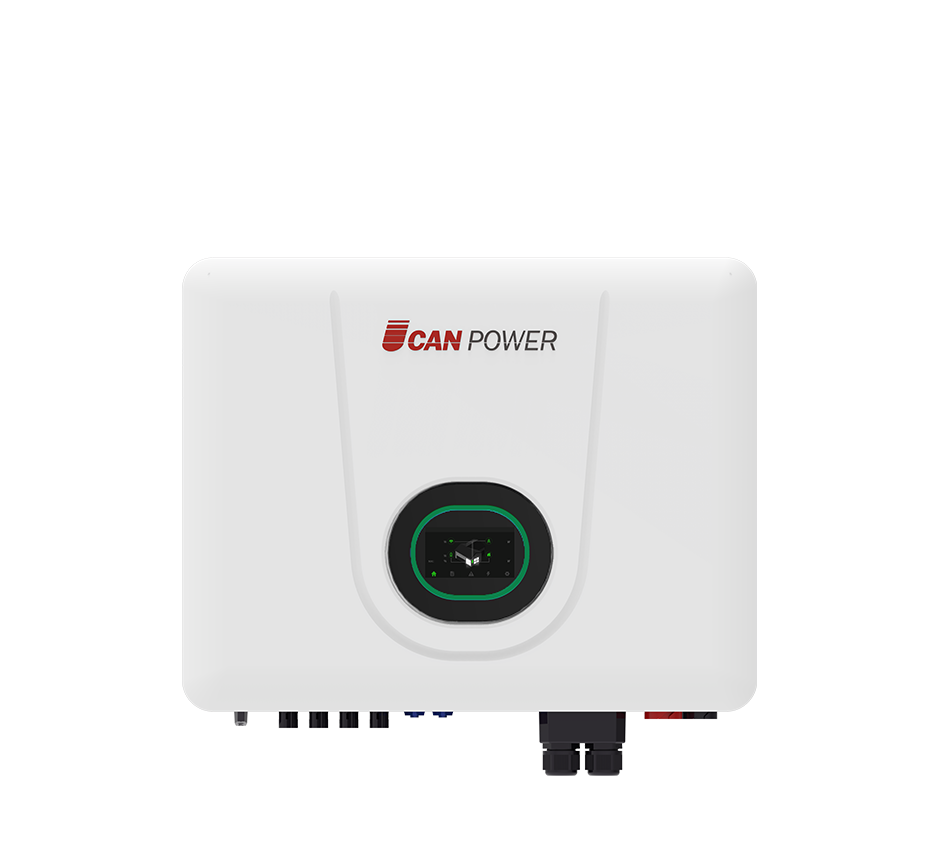
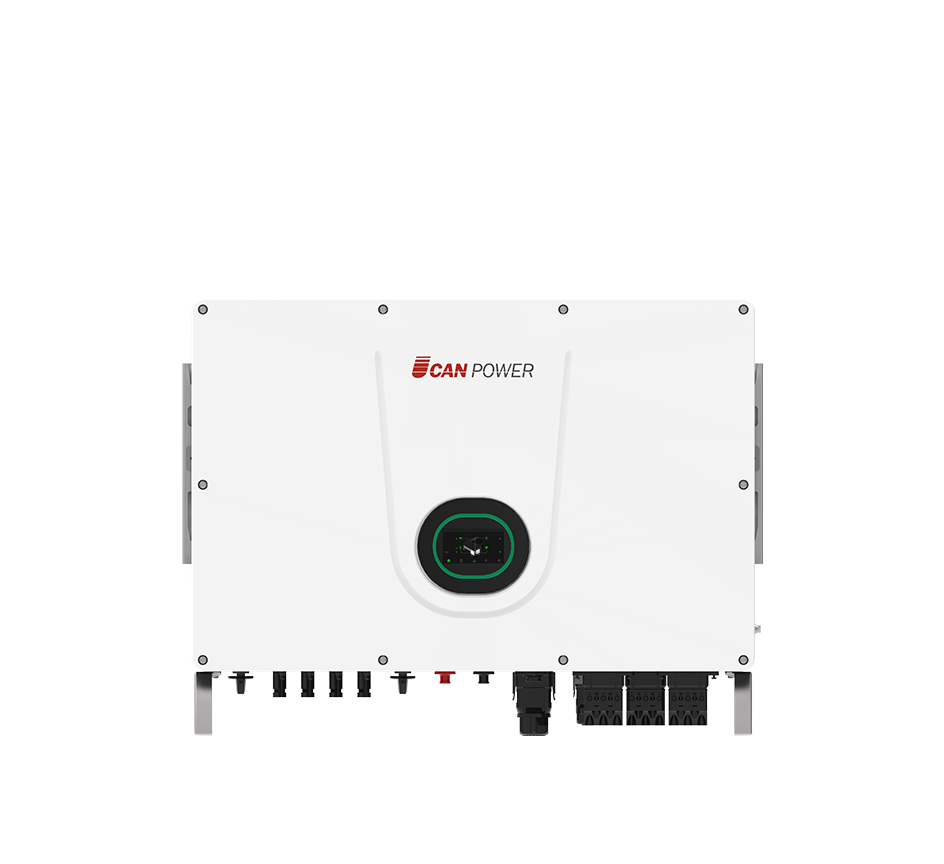
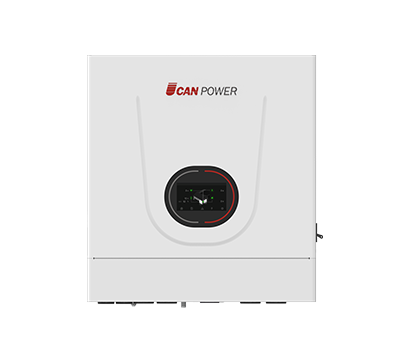
The inverter is the central component of a photovoltaic inverter system. It is responsible for converting the DC power generated by the solar panels into AC power that can be used by electrical appliances and fed into the grid. Inverters come in different sizes and power ratings, depending on the capacity of the solar panel system.
There are two main types of inverters: string inverters and microinverters. String inverters are connected to multiple solar panels in series and convert the DC power from all the panels into AC power. Microinverters, on the other hand, are connected to each individual solar panel and convert the DC power from that panel into AC power.
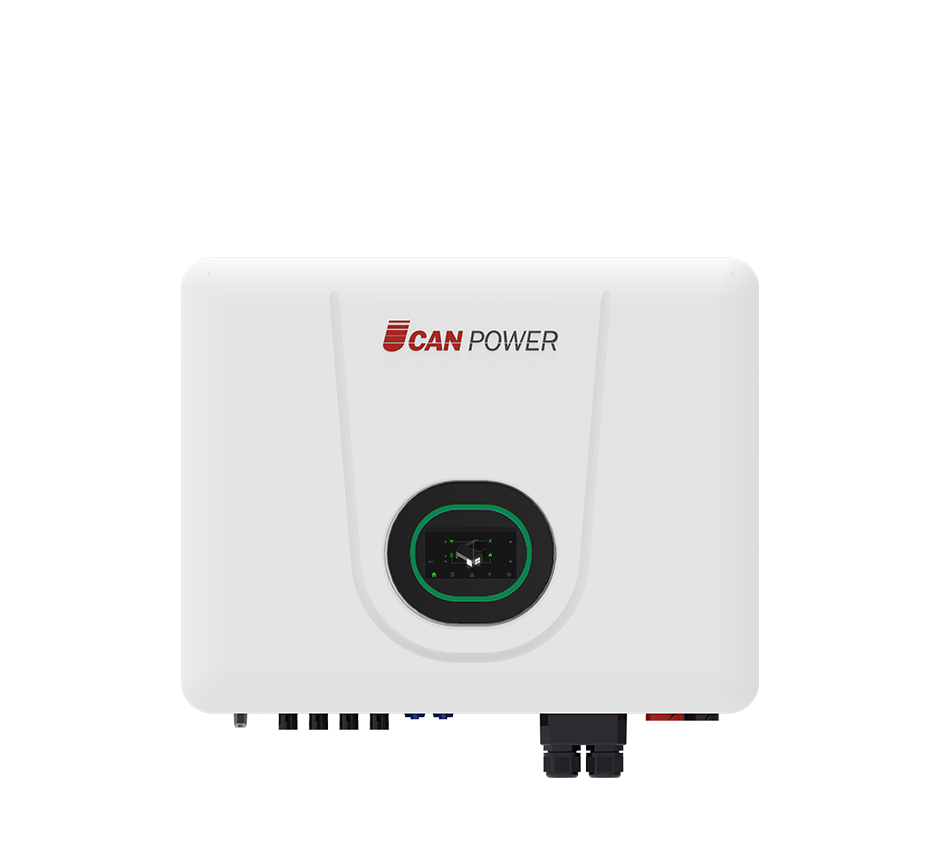
Inverters also have various features such as maximum power point tracking (MPPT), which ensures that the solar panels operate at their maximum power output. They may also have communication capabilities, allowing users to monitor and control the system remotely.
Transformer
In some photovoltaic inverter systems, a transformer may be used to step up or step down the voltage of the AC power. Transformers are used to match the voltage requirements of the electrical grid or the load being powered.
There are different types of transformers, including isolation transformers and non-isolation transformers. Isolation transformers provide electrical isolation between the solar panel system and the grid, while non-isolation transformers do not. The choice of transformer depends on the specific requirements of the application.
Filters
Filters are used in photovoltaic inverter systems to remove unwanted frequencies and harmonics from the AC power. These filters help to improve the quality of the power and ensure that it meets the standards set by the grid.
There are different types of filters, including passive filters and active filters. Passive filters use inductors, capacitors, and resistors to filter out unwanted frequencies, while active filters use electronic components to actively cancel out harmonics.
Monitoring Devices
Monitoring devices are used to monitor the performance of the photovoltaic inverter system. These devices can measure parameters such as voltage, current, power output, and temperature. They may also provide alerts and notifications in case of any faults or abnormalities.
Monitoring devices can be standalone units or integrated into the inverter. Some systems also offer remote monitoring capabilities, allowing users to access the data from anywhere using a computer or mobile device.
III. Types of Photovoltaic Inverter Systems
String Inverters
String inverters are the most common type of photovoltaic inverter system. They are connected to multiple solar panels in series and convert the DC power from all the panels into AC power.
String inverters are available in different power ratings, ranging from a few kilowatts to several megawatts. They are typically more cost-effective than other types of inverters and are suitable for large-scale solar installations.
However, string inverters have some limitations. For example, if one solar panel in a string is shaded or damaged, it can affect the performance of the entire string. Additionally, string inverters may not be suitable for installations with different orientations or tilt angles of the solar panels.
Microinverters
Microinverters are connected to each individual solar panel and convert the DC power from that panel into AC power. This allows for maximum power point tracking (MPPT) at the panel level, which can improve the overall efficiency of the system.
Microinverters are typically more expensive than string inverters, but they offer several advantages. For example, they can handle different orientations and tilt angles of the solar panels, and they are less affected by shading or panel damage. Additionally, microinverters can be easily installed and maintained, as they are located near the solar panels.
Microinverters are suitable for small to medium-sized solar installations, such as residential and commercial rooftops.
Central Inverters
Central inverters are large-scale inverters that are typically used in utility-scale solar installations. They are connected to multiple strings of solar panels and convert the DC power from all the strings into AC power.
Central inverters are available in very high power ratings, ranging from several megawatts to tens of megawatts. They are designed for maximum efficiency and reliability and are often used in large solar farms.
However, central inverters require a significant amount of space and infrastructure, and they may be more complex to install and maintain than other types of inverters.
IV. Applications of Photovoltaic Inverter Systems
Residential Solar Installations
Photovoltaic inverter systems are widely used in residential solar installations. They allow homeowners to generate their own electricity from solar panels and reduce their reliance on the grid. Residential inverter systems are typically small to medium-sized and are designed for easy installation and operation.
In addition to powering homes, residential photovoltaic inverter systems can also feed excess electricity back into the grid, allowing homeowners to earn credits or payments from the utility company.
Commercial and Industrial Solar Installations
Photovoltaic inverter systems are also used in commercial and industrial settings. These installations can range from small rooftop systems on office buildings to large ground-mounted solar farms for industrial facilities.
Commercial and industrial inverter systems are typically larger and more powerful than residential systems, and they may require more complex installation and maintenance. However, they can provide significant savings on electricity bills and help businesses and industries meet their sustainability goals.
Utility-Scale Solar Installations
Utility-scale solar installations are large-scale solar farms that generate electricity for the grid. Photovoltaic inverter systems are essential components of these installations, as they convert the DC power from the solar panels into AC power that can be fed into the grid.
Utility-scale inverter systems are very large and powerful, and they are designed for maximum efficiency and reliability. They may also include advanced features such as grid-tie capabilities, power factor correction, and voltage regulation.
V. Future Trends in Photovoltaic Inverter Systems
Increased Efficiency
As the demand for renewable energy continues to grow, there is a need for photovoltaic inverter systems to become more efficient. This can be achieved through advancements in technology such as improved maximum power point tracking (MPPT), reduced losses, and increased power density.
Inverters with higher efficiencies can convert more of the DC power from the solar panels into AC power, resulting in more electricity generation and lower costs.
Smart Inverters
Smart inverters are becoming increasingly popular in the photovoltaic industry. These inverters are equipped with advanced communication and control capabilities, allowing them to interact with the grid and optimize the performance of the solar panel system.
Smart inverters can provide features such as remote monitoring and control, grid-tie functionality, and power factor correction. They can also respond to grid signals and adjust their output to help stabilize the grid.
Hybrid Inverter Systems
Hybrid inverter systems combine the functionality of photovoltaic inverters with energy storage systems. These systems allow for the storage of excess electricity generated by the solar panels for use during times when the sun is not shining.
Hybrid inverter systems can provide backup power during power outages and can help reduce peak demand charges. They are also becoming more popular as the cost of energy storage technologies continues to decline.
Integration with Other Technologies
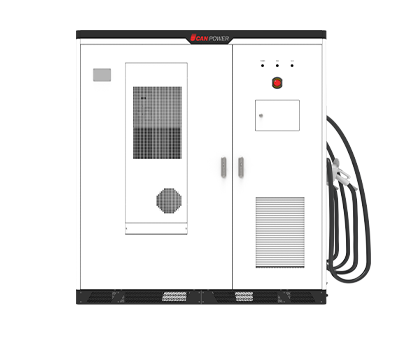
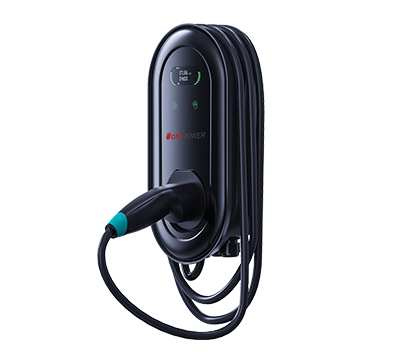
Photovoltaic inverter systems are being integrated with other technologies such as electric vehicle charging stations, energy management systems, and microgrids. This integration can help to create more sustainable and resilient energy systems.
For example, photovoltaic inverter systems can be used to charge electric vehicles, reducing the reliance on fossil fuels and promoting clean transportation. They can also be integrated with energy management systems to optimize energy usage and reduce costs.
VI. Conclusion
Photovoltaic inverter systems are essential components of the renewable energy landscape. They play a crucial role in converting the DC power generated by solar panels into AC power that can be used to power homes, businesses, and the grid. With advancements in technology, photovoltaic inverter systems are becoming more efficient, reliable, and cost-effective. As the demand for clean and sustainable energy sources continues to grow, photovoltaic inverter systems will play an increasingly important role in the transition to a low-carbon future.




 German
 Italian
 Japanese
 Global (English)
 Chinese
 Spanish
 French


