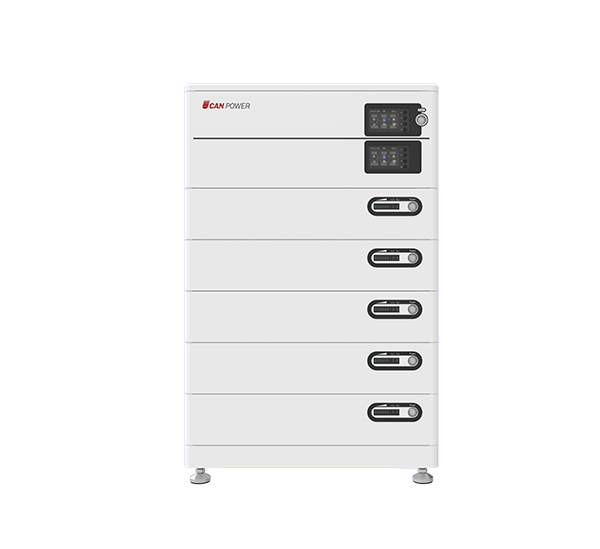
In this article, we will explore the world of rechargeable lithium technology, including its history, working principle, types, benefits, applications, and future prospects.
I. Introduction
Rechargeable lithium technology refers to the use of lithium-based compounds in rechargeable batteries. Lithium is a lightweight, highly reactive metal that has a high energy density, making it an ideal material for energy storage. The development of rechargeable lithium batteries has been a major breakthrough in the field of energy storage, enabling us to store and use energy more efficiently and conveniently.
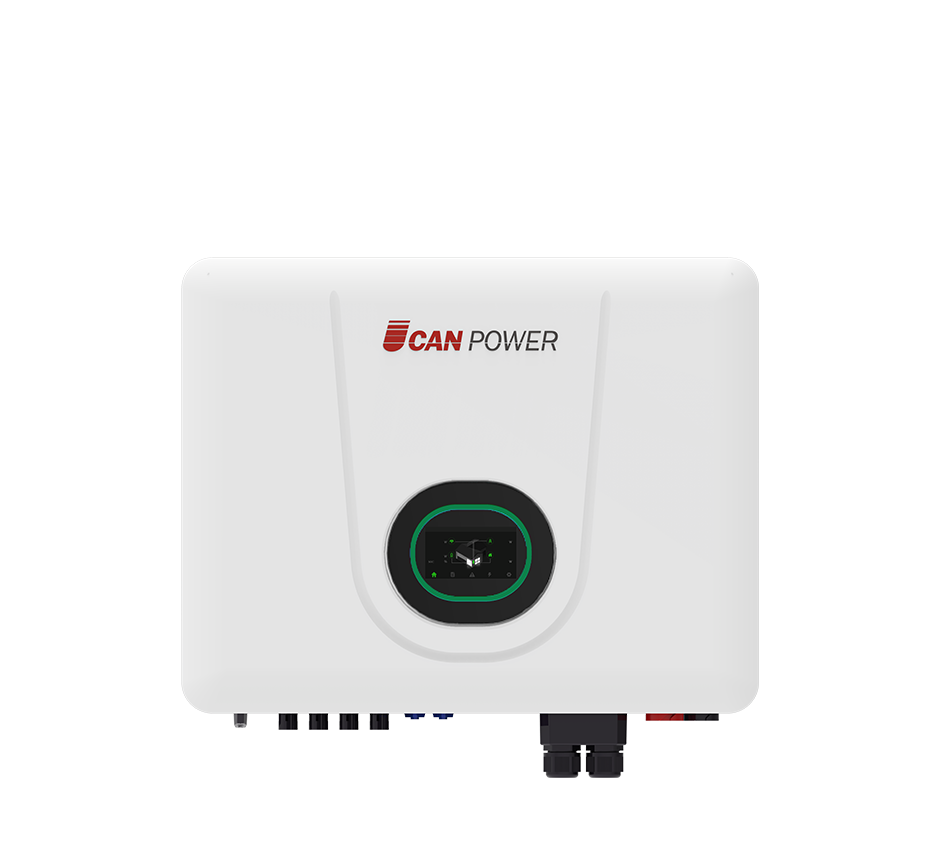
II. History of Rechargeable Lithium Technology
The history of rechargeable lithium technology dates back to the 1970s when the first lithium batteries were developed. However, these early batteries were not rechargeable and had limited applications. In the 1980s, researchers began to develop rechargeable lithium batteries, and by the 1990s, lithium-ion batteries had become commercially available. Since then, lithium-ion batteries have undergone significant improvements in terms of energy density, cycle life, and safety, making them the dominant technology for portable electronics and electric vehicles.
III. Working Principle of Rechargeable Lithium Batteries
A rechargeable lithium battery consists of a positive electrode (cathode), a negative electrode (anode), an electrolyte, and a separator. During charging, lithium ions are extracted from the cathode and inserted into the anode through the electrolyte. During discharging, the process is reversed, and lithium ions are extracted from the anode and inserted back into the cathode. The flow of lithium ions between the cathode and anode generates an electrical current that can be used to power devices.
The electrolyte in a lithium battery is typically a liquid or gel that contains lithium salts. The separator is a thin membrane that prevents direct contact between the cathode and anode, while allowing the flow of lithium ions. The choice of cathode and anode materials plays a crucial role in determining the performance and characteristics of a lithium battery.
IV. Types of Rechargeable Lithium Batteries
There are several types of rechargeable lithium batteries, each with its own unique characteristics and applications. The most common types include:
Lithium-Ion Batteries (Li-ion)
Lithium-ion batteries are the most widely used type of rechargeable lithium battery. They are known for their high energy density, long cycle life, and relatively low self-discharge rate. Li-ion batteries are used in a wide range of applications, including portable electronics, electric vehicles, and energy storage systems.
Lithium-Polymer Batteries (Li-Po)
Lithium-polymer batteries are a type of lithium-ion battery that uses a polymer electrolyte instead of a liquid electrolyte. They are thinner, lighter, and more flexible than traditional lithium-ion batteries, making them ideal for applications where space and weight are limited. Li-Po batteries are commonly used in smartphones, tablets, and other portable devices.
Lithium-Iron-Phosphate Batteries (LiFePO4)
Lithium-iron-phosphate batteries are a type of lithium-ion battery that uses lithium iron phosphate as the cathode material. They are known for their high safety, long cycle life, and stability. LiFePO4 batteries are commonly used in electric vehicles, energy storage systems, and backup power supplies.
Lithium-Titanate Batteries (Li4Ti5O12)
Lithium-titanate batteries are a type of lithium-ion battery that uses lithium titanate as the anode material. They are known for their fast charging capabilities, long cycle life, and high safety. Li4Ti5O12 batteries are commonly used in electric vehicles, energy storage systems, and industrial applications.
V. Benefits of Rechargeable Lithium Technology
High Energy Density
Rechargeable lithium batteries have a high energy density, which means they can store a large amount of energy in a relatively small and lightweight package. This makes them ideal for portable electronics and electric vehicles, where space and weight are important considerations.
Long Cycle Life
Lithium batteries have a long cycle life, which means they can be charged and discharged many times before their capacity significantly degrades. This makes them a cost-effective and reliable energy storage solution for long-term applications.
Fast Charging
Many rechargeable lithium batteries can be charged quickly, reducing the downtime between uses. This is especially important for applications where time is of the essence, such as electric vehicles and portable electronics.
Low Self-Discharge Rate
Lithium batteries have a low self-discharge rate, which means they can hold their charge for a long time when not in use. This makes them ideal for applications where standby power is required, such as emergency backup systems and remote sensors.
Environmental Friendliness
Compared to traditional lead-acid batteries, rechargeable lithium batteries are more environmentally friendly. They do not contain heavy metals such as lead and cadmium, and they can be recycled more easily.
VI. Applications of Rechargeable Lithium Technology
Portable Electronics
Rechargeable lithium batteries are widely used in portable electronics such as smartphones, laptops, tablets, and digital cameras. Their high energy density and long cycle life make them ideal for these applications, where portability and long battery life are essential.
Electric Vehicles
Lithium-ion batteries are the dominant technology for electric vehicles, providing the high energy density and power required for long driving ranges and fast acceleration. The development of advanced lithium-ion battery technologies is expected to further improve the performance and affordability of electric vehicles.
Energy Storage Systems
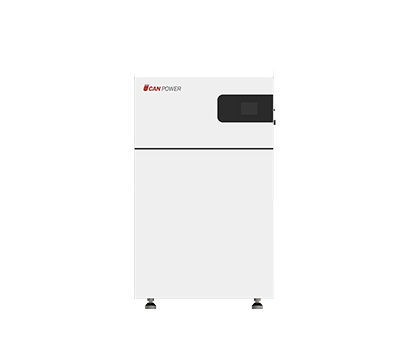
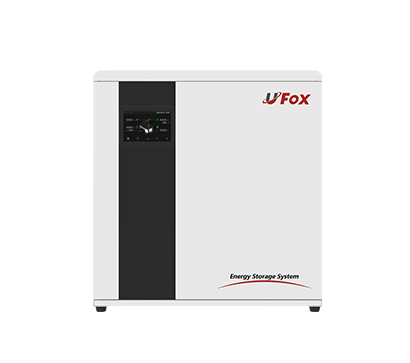
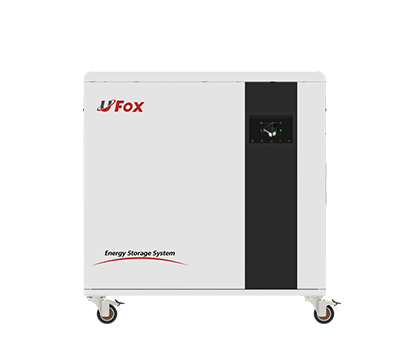
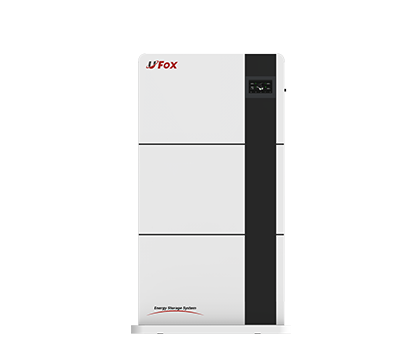
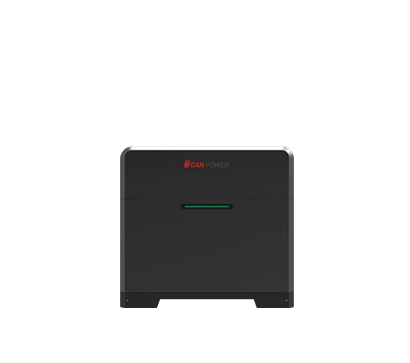
Rechargeable lithium batteries are also used in energy storage systems for grid stabilization, renewable energy integration, and backup power. Their high energy density and long cycle life make them an ideal solution for storing large amounts of energy and providing reliable power when needed.
Aerospace and Defense
Lithium batteries are used in aerospace and defense applications such as satellites, unmanned aerial vehicles (UAVs), and military equipment. Their lightweight and high energy density make them ideal for these applications, where weight and power consumption are critical factors.
Medical Devices
Rechargeable lithium batteries are used in medical devices such as implantable pacemakers, defibrillators, and insulin pumps. Their long cycle life and reliability make them an ideal power source for these life-critical applications.
VII. Challenges and Limitations of Rechargeable Lithium Technology
Safety Concerns
Although lithium batteries are generally safe, there have been cases of battery fires and explosions due to manufacturing defects, overcharging, or physical damage. To address these safety concerns, manufacturers are constantly improving battery design and safety features.
Cost
Rechargeable lithium batteries can be relatively expensive compared to other types of batteries. However, as production volumes increase and technology advances, the cost of lithium batteries is expected to decline.
Limited Resource Availability
Lithium is a finite resource, and its availability may become a limiting factor in the future. To address this issue, researchers are exploring alternative materials and battery chemistries that do not rely on lithium.
Environmental Impact
The production and disposal of lithium batteries can have an environmental impact. To minimize this impact, efforts are being made to improve battery recycling and disposal methods.
VIII. Future Prospects of Rechargeable Lithium Technology
Technological Advancements
The future of rechargeable lithium technology looks promising, with ongoing research and development efforts focused on improving battery performance, safety, and cost. Some of the areas of research include new cathode and anode materials, solid-state electrolytes, and advanced battery management systems.
Increased Adoption
As the cost of lithium batteries continues to decline and their performance improves, we can expect to see increased adoption in a wide range of applications. This will drive further innovation and investment in rechargeable lithium technology.
Integration with Renewable Energy
Rechargeable lithium batteries are expected to play a crucial role in the integration of renewable energy sources such as solar and wind power. By storing excess energy generated during periods of low demand, lithium batteries can help to smooth out the intermittent nature of renewable energy and provide a reliable power supply.
Expansion into New Markets
The development of new applications and markets for rechargeable lithium technology is expected to drive growth in the coming years. Some of the areas with potential for growth include energy storage for microgrids, electric bicycles and scooters, and robotics.
IX. Conclusion
Rechargeable lithium technology has come a long way since its inception, and it continues to evolve and improve. With its high energy density, long cycle life, and fast charging capabilities, lithium batteries have revolutionized the way we use and store energy. As research and development efforts continue, we can expect to see even more advanced lithium battery technologies in the future, enabling us to power our lives in a more sustainable and efficient way.





 German
 Italian
 Japanese
 Global (English)
 Chinese
 Spanish
 French