

1. Introduction
In an era where the global energy landscape is undergoing a profound transformation, reliable battery energy storage systems (BESS) have emerged as a linchpin technology. With the increasing integration of renewable energy sources such as solar and wind, which are inherently intermittent, the need for efficient energy storage solutions has become more critical than ever. A reliable BESS not only addresses the intermittency issue but also offers a wide range of benefits, from grid stability enhancement to costsavings for endusers. This indepth exploration will cover all aspects of reliable battery energy storage systems, including their components, working principles, applications, advantages, challenges, and future trends.
2. Components of a Reliable Battery Energy Storage System
2.1 Battery Cells
Battery cells are the fundamental building blocks of a BESS. There are several types of battery cells commonly used in energy storage systems, with lithiumion batteries being the most prevalent. Lithiumion cells offer high energy density, which means they can store a large amount of energy in a relatively small volume. They also have a long cycle life, capable of being charged and discharged hundreds or even thousands of times without significant degradation.
For example, in a largescale gridconnected BESS, thousands of lithiumion cells may be interconnected. These cells come in different chemistries, such as lithiumcobaltoxide (LCO), lithiumironphosphate (LFP), and lithiumnickelmanganesecobaltoxide (NMC). LCO cells are known for their high energy density but have some safety concerns and relatively short cycle life. LFP cells, on the other hand, are highly stable, have a long cycle life, and are more environmentally friendly, making them suitable for applications where safety and longterm reliability are crucial, such as in residential and some gridscale storage systems. NMC cells offer a balance between energy density and costeffectiveness, and are often used in electric vehicles as well as in certain energy storage applications.
2.2 Battery Management System (BMS)
The Battery Management System is like the "brain" of the BESS. Its primary functions include monitoring the state of charge (SOC), state of health (SOH), and temperature of the battery cells. The BMS ensures that each cell in the battery pack operates within its optimal range.
It constantly measures the voltage and current of the cells. By accurately determining the SOC, the BMS can prevent overcharging and undercharging, which can significantly reduce the lifespan of the batteries. For instance, if a cell is overcharged, it can lead to the formation of dendrites, which can cause shortcircuits and potentially dangerous situations. The BMS also equalizes the charge among cells in a battery pack. Since cells may have slightly different characteristics, over time, some cells may become overcharged or undercharged relative to others. The BMS corrects this imbalance, ensuring that all cells contribute evenly to the overall performance of the battery pack.
2.3 Inverter
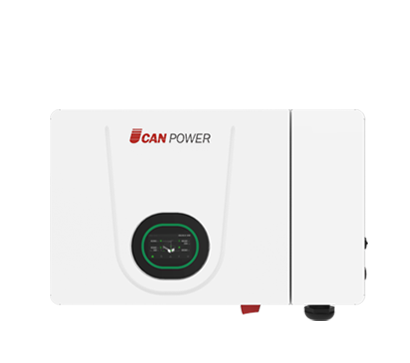
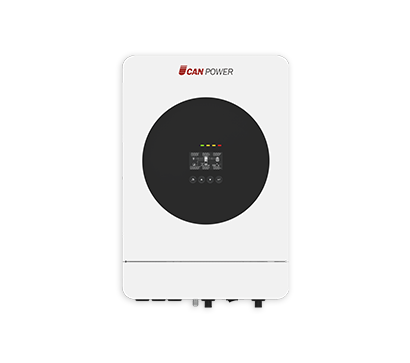
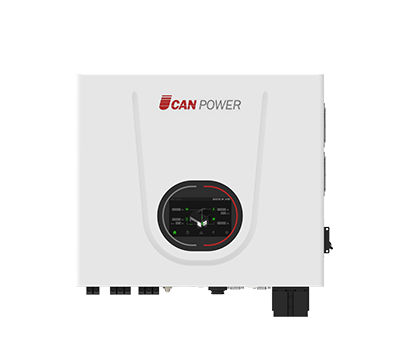
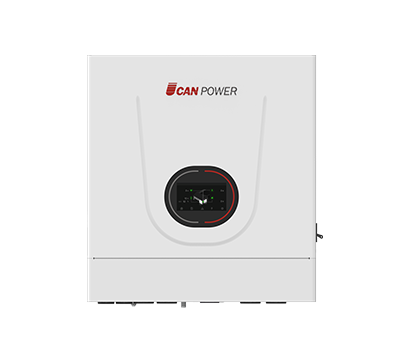
The inverter is responsible for converting the direct current (DC) stored in the batteries into alternating current (AC), which is the form of electricity used in most household appliances, industrial equipment, and the electrical grid. In a reliable BESS, the inverter needs to have high efficiency and stability.
There are two main types of inverters: puresinewave and modifiedsinewave. Puresinewave inverters produce an AC output that closely mimics the sinusoidal waveform of the utility grid. This type of inverter is essential for sensitive electronic equipment, as it prevents damage due to voltage fluctuations. In a gridconnected BESS, the inverter also needs to synchronize its output with the grid's voltage and frequency. It continuously monitors the grid parameters and adjusts its output accordingly to ensure seamless integration. For example, when the grid voltage drops slightly, the inverter can adjust its output voltage to maintain a stable power supply.
2.4 Monitoring and Control System
A reliable BESS is equipped with a comprehensive monitoring and control system. This system allows operators to remotely monitor the performance of the BESS in realtime. It provides data on parameters such as the energy output, battery temperature, and SOC.
Based on this data, operators can make informed decisions. For example, if the monitoring system detects that the temperature of the battery pack is rising above the optimal range, the control system can activate cooling mechanisms. In a gridconnected BESS, the monitoring and control system can also communicate with the grid operator. It can receive signals from the grid, such as requests to adjust the power output of the BESS to help balance the grid during peakdemand periods.
3. Working Principle
3.1 Charging Process
When there is excess electricity available, such as during periods of high solar or wind generation, the BESS enters the charging process. The electrical energy is first converted into a form suitable for charging the battery cells. In the case of a gridconnected solarpowered BESS, the solar panels generate DC power. This DC power is either directly fed into the battery cells (after being regulated by the BMS) or passed through an inverter (if the system is set up in a more complex configuration) and then into the battery.
The BMS plays a crucial role during charging. It controls the charging current and voltage to ensure that the battery cells are charged safely and efficiently. For example, in the initial stage of charging, the BMS may allow a relatively high charging current to quickly increase the SOC of the batteries. As the batteries approach full charge, the BMS reduces the charging current to prevent overcharging.
3.2 Discharging Process
When there is a demand for electricity, the BESS discharges. The stored chemical energy in the battery cells is converted back into electrical energy. The DC power from the battery cells is fed into the inverter. The inverter then converts this DC power into AC power, which can be used to power electrical appliances in a home or business, or fed into the grid in a gridconnected system.
During the discharging process, the BMS continues to monitor the state of the battery cells. It ensures that the discharge rate is within the safe operating range of the cells. If the BMS detects that the SOC of the batteries is dropping too low, it may reduce the power output to prevent overdischarging, which can damage the battery cells.
4. Applications
4.1 GridScale Energy Storage
At the gridscale, reliable BESS are used to enhance grid stability. They can store excess energy generated during periods of low demand, such as late at night when electricity consumption is low but solar or wind generation may still be occurring. This stored energy can then be released during peakdemand periods, reducing the need for additional power generation from fossilfuelbased power plants.
For example, in some regions, largescale BESS are connected to the grid near solar farms. When the sun is shining brightly and the solar farm is generating more electricity than the grid can immediately absorb, the excess power is stored in the BESS. Later, when the sun sets and the demand for electricity increases, the BESS discharges the stored energy into the grid, helping to meet the increased demand and maintain grid stability.
4.2 Residential Energy Storage
In residential applications, a reliable BESS can provide several benefits. Homeowners with solar panels can store the excess solar energy generated during the day in the BESS. This stored energy can then be used at night or during periods of grid outages.
For instance, a family with a BESS and solar panels can power their home appliances, such as lights, refrigerators, and televisions, even when the grid is down. This not only provides a sense of security but also reduces the homeowner's reliance on the grid and potentially lowers their electricity bills. In some cases, homeowners may also be able to sell the excess stored energy back to the grid, creating an additional source of income.
4.3 Commercial and Industrial Energy Storage
Commercial and industrial facilities often have highenergy demands. A reliable BESS can help these facilities manage their energy costs more effectively. For example, a manufacturing plant can store energy during offpeak hours when electricity prices are low and use this stored energy during peakdemand hours when electricity prices are high.
In addition, a BESS can provide backup power to ensure continuous operation in case of grid outages. This is crucial for industries where downtime can result in significant financial losses, such as data centers. A data center equipped with a reliable BESS can continue to operate its servers and other critical equipment during a power outage, protecting valuable data and ensuring uninterrupted service to its clients.
5. Advantages
5.1 Energy Independence and Security
A reliable BESS offers a high degree of energy independence. For offgrid applications, such as in remote areas or for mobile power needs, a BESS can provide a selfsufficient power source. In gridconnected systems, it reduces the reliance on the grid, especially during peakdemand periods or in case of grid failures. This enhances energy security, as endusers are less vulnerable to power outages and disruptions in the energy supply.
5.2 CostSavings
In the long run, a BESS can lead to significant costsavings. For gridconnected users, by storing energy during offpeak hours and using it during peakdemand hours, they can avoid paying high electricity prices during peak times. In addition, for businesses and industries, the ability to reduce downtime due to grid outages through the use of a BESS can save them from potential losses in production and revenue.
5.3 Environmental Benefits
By facilitating the integration of renewable energy sources, a reliable BESS contributes to a cleaner environment. It helps to reduce the need for fossilfuelbased power generation, which is a major source of greenhouse gas emissions. For example, when a BESS stores solar or wind energy and makes it available when needed, it reduces the reliance on coalfired or gasfired power plants, thus reducing carbon dioxide and other pollutant emissions.
6. Challenges
6.1 High Initial Cost
The upfront cost of a reliable BESS can be a significant barrier to adoption. The cost of the battery cells, BMS, inverter, and installation can be prohibitively expensive for many individuals, businesses, and even some gridoperators. Although the cost of battery technology has been decreasing over the years, it still represents a substantial investment, especially for largescale applications.
6.2 Battery Degradation
Batteries in a BESS have a limited lifespan. Over time, the capacity of the battery cells to store energy decreases. This degradation is influenced by factors such as the number of chargedischarge cycles, operating temperature, and charging and discharging rates. As the battery degrades, the overall performance of the BESS declines, and eventually, the batteries need to be replaced, which adds to the longterm cost of the system.
6.3 Regulatory and Policy Uncertainty
The regulatory environment for BESS is still evolving in many regions. There may be uncertainties regarding grid connection regulations, energy storage incentives, and market access for BESS operators. For example, some regions may have complex procedures for connecting a BESS to the grid, and the lack of clear policies on energy storage subsidies can make it difficult for potential adopters to make investment decisions.
7. Future Trends
7.1 Technological Advancements
- New Battery Chemistries: Research is ongoing to develop new battery chemistries that offer even higher energy density, longer cycle life, and lower cost. For example, solidstate batteries are a promising technology. They use a solid electrolyte instead of the liquid electrolyte found in traditional lithiumion batteries. Solidstate batteries have the potential to offer higher energy density, improved safety, and longer cycle life, which could revolutionize the BESS market.
Integration with Smart Grid Technologies: BESS will increasingly be integrated with smart grid technologies. This integration will enable realtime communication between the BESS, the grid, and endusers. For example, smart grid technologies can optimize the charging and discharging of BESS based on grid demand, energy prices, and the state of the BESS, further enhancing grid stability and the efficiency of energy use.
7.2 Market Expansion
- Emerging Markets: The market for reliable BESS is expected to expand significantly in emerging economies. These regions often have a growing demand for energy, and the adoption of BESS can help them meet this demand while also promoting the use of renewable energy. For example, in some African and Asian countries, BESS can be used to provide electricity to remote areas and support the development of offgrid and minigrid systems.
New Application Areas: BESS are likely to find new application areas. For example, in the transportation sector, with the increasing electrification of vehicles, BESS can be used for vehicletogrid (V2G) applications. Electric vehicles can act as mobile energy storage units, charging from the grid when electricity is abundant and cheap, and discharging back into the grid during peakdemand periods, providing additional grid support.
In conclusion, reliable battery energy storage systems are a crucial technology for the future of energy management. Despite the challenges they face, their numerous advantages and the potential for future technological advancements and market expansion make them a key component in the transition to a more sustainable, efficient, and reliable energy future.




 German
 Italian
 Japanese
 Global (English)
 Chinese
 Spanish
 French


