

1. Introduction
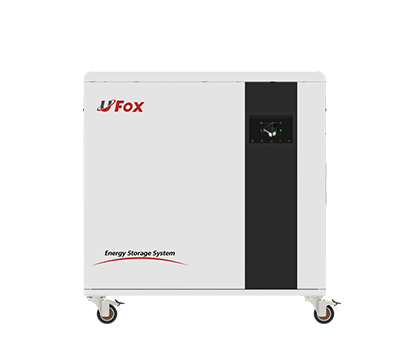
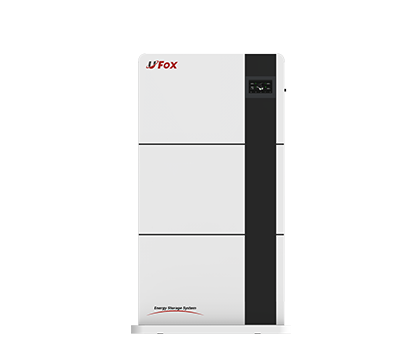
In an era marked by growing environmental concerns, the need for sustainable energy solutions, and an increasing focus on energy independence, reliable residential battery energy storage systems have emerged as a gamechanging technology. These systems have the potential to transform the way households manage their energy consumption, reduce their reliance on the grid, and contribute to a cleaner environment. With the rising cost of electricity in many regions and the intermittent nature of renewable energy sources like solar and wind, residential battery energy storage systems offer a practical and efficient solution for homeowners. This article will delve deep into all aspects of these systems, including their components, working principles, applications, advantages, challenges, and future prospects.
2. Components of Reliable Residential Battery Energy Storage Systems
2.1 Battery Bank
The battery bank lies at the heart of any residential battery energy storage system. Lithiumion batteries have become the dominant choice in recent years due to their numerous advantages. They offer high energy density, which means they can store a large amount of energy in a relatively small and lightweight package. This is crucial for residential applications where space is often limited. For example, a lithiumion battery bank with a capacity of 515 kWh can be installed in a small corner of a garage or utility room, yet still provide sufficient power for a typical household during power outages or periods of high energy demand.
Lithiumironphosphate (LFP) batteries, a type of lithiumion battery, are particularly popular for their safety features. They are less prone to thermal runaway, a dangerous condition where the battery overheats and can potentially catch fire or explode. LFP batteries also have a long cycle life, often capable of enduring thousands of chargedischarge cycles. This longterm reliability is essential for homeowners who want a battery energy storage system that will last for many years without frequent replacements.
2.2 Inverter
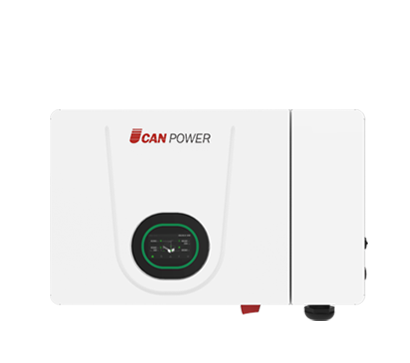
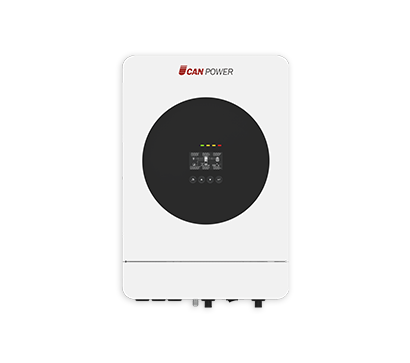
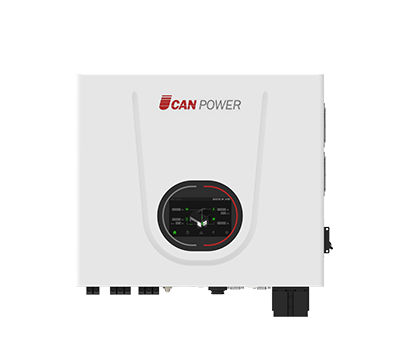
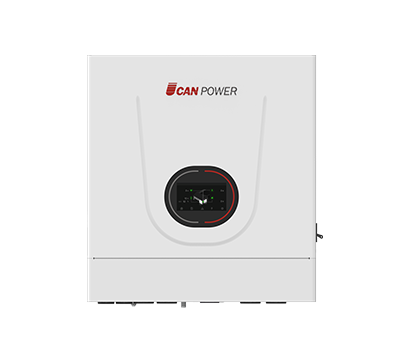
The inverter is another critical component. Its primary function is to convert the direct current (DC) stored in the battery bank into alternating current (AC), which is the standard form of electricity used in household appliances. There are two main types of inverters: puresinewave and modifiedsinewave.
Puresinewave inverters produce an AC output that closely mimics the sinusoidal waveform of the utility grid. This makes them suitable for powering sensitive electronic devices such as computers, televisions, and some medical equipment. For instance, a homeowner using a puresinewave inverter can safely run their highdefinition television or laptop during a power outage without the risk of damage due to voltage fluctuations. Modifiedsinewave inverters, on the other hand, produce a steppedwave output, which may cause some interference or overheating in certain types of equipment.
The power rating of the inverter is an important consideration. It should be sized according to the maximum power demand of the household. A smalltomediumsized household with a peak power demand of around 35 kW may require an inverter with a similar or slightly higher power rating to ensure that it can handle the load effectively during periods of high energy consumption.
2.3 Charge Controller
The charge controller plays a vital role in managing the charging process of the battery bank. Its main task is to prevent overcharging, which can damage the battery cells and significantly reduce their lifespan. In a residential battery energy storage system, the charge controller monitors the voltage and current of the battery bank during charging.
There are different types of charge controllers, with pulsewidth modulation (PWM) and maximum power point tracking (MPPT) charge controllers being the most common. PWM charge controllers regulate the charging current by rapidly switching the power on and off in short pulses. MPPT charge controllers, on the other hand, are more advanced. They continuously monitor the voltage and current of the power source (such as solar panels) and adjust the charging process to ensure that the panels operate at their maximum power point. This results in increased energy harvest, especially in lowlight conditions or when the panels are not operating at their optimal temperature.
2.4 Monitoring and Control System
A sophisticated monitoring and control system is an integral part of a reliable residential battery energy storage system. This system allows homeowners to monitor the performance of the entire setup in realtime. It provides information on parameters such as the state of charge (SOC) of the battery bank, the power output of the inverter, and the energy consumption of the household.
Homeowners can access this information through a mobile app or a webbased interface. For example, they can check the SOC of the battery bank to see how much energy is available for use during a power outage or to plan their energy consumption for the day. The control system also enables homeowners to set charging and discharging schedules. For instance, they can program the system to charge the battery bank during offpeak hours when electricity prices are lower and use the stored energy during peakdemand periods, thereby reducing their electricity bills. In the event of a power outage, the monitoring and control system can automatically switch the household to batterypowered mode, ensuring a seamless transition and minimal disruption to the power supply.
3. Working Principle
3.1 Charging Process
During the charging process, the battery energy storage system can be charged in several ways. If the home is equipped with solar panels, the excess electricity generated by the solar panels during the day can be used to charge the battery bank. The solar panels generate DC power, which is sent to the charge controller. The charge controller, equipped with MPPT technology, optimizes the power transfer from the solar panels and regulates the charging current and voltage to the battery bank. It ensures that the batteries are charged safely and efficiently, preventing overcharging and maintaining the battery's health.
If there are no solar panels, the battery bank can be charged directly from the grid during offpeak hours. In many regions, electricity tariffs are structured in a way that charges lower rates during offpeak hours, such as late at night. Homeowners can take advantage of these lower rates to charge their battery banks, storing energy at a lower cost for use during peakdemand periods or power outages. The charge controller monitors the charging process and stops the charging when the battery bank reaches its full capacity to prevent overcharging.
3.2 Discharging Process
When there is a demand for electricity, such as during a power outage or when the solar panels are not generating enough power (e.g., at night or on cloudy days), the battery bank discharges. The stored DC electricity in the battery bank is sent to the inverter. The inverter converts this DC power into AC power, which is then distributed to the household appliances.
The monitoring and control system plays a crucial role during the discharging process. It monitors the power consumption of the household and the SOC of the battery bank. If the SOC drops below a certain level, the control system may adjust the power output to nonessential loads to ensure that there is enough power for critical appliances. For example, it may automatically turn off nonessential lighting or postpone the operation of lesscritical appliances like a clothes dryer until the battery SOC is higher or the power source is restored.
4. Applications
4.1 Power Backup
One of the primary applications of a reliable residential battery energy storage system is to provide power backup during outages. Whether the outage is caused by natural disasters like hurricanes, snowstorms, or by gridrelated issues such as equipment failures, the battery energy storage system ensures that essential appliances can continue to operate. For example, a refrigerator can keep food from spoiling, and medical equipment, such as a CPAP machine for sleep apnea patients, can maintain its operation. This provides a sense of security and comfort to the homeowners, especially in areas prone to frequent power outages.
4.2 Energy Cost Management
Residential battery energy storage systems can be used to manage energy costs effectively. Homeowners can charge the battery bank during offpeak hours when electricity prices are lower and use the stored energy during peakdemand periods. In regions with timeofuse electricity tariffs, this can result in significant cost savings. For instance, if the electricity price is twice as high during peak hours compared to offpeak hours, using the stored energy during peak hours can reduce the electricity bill substantially. Additionally, in some areas, homeowners may be able to participate in demandresponse programs, where they can earn incentives by reducing their electricity consumption during peakdemand periods using their battery energy storage systems.
4.3 Renewable Energy Integration
When integrated with solar panels, a residential battery energy storage system can maximize the utilization of solar energy. Excess solar energy that would otherwise be wasted can be stored in the battery bank for later use. This not only increases the selfconsumption of solar energy but also reduces the amount of electricity that needs to be drawn from the grid. In some cases, homeowners may even be able to sell the excess stored energy back to the grid, creating an additional source of income. This integration of renewable energy and energy storage is a crucial step towards a more sustainable energy future.
5. Advantages
5.1 Energy Independence
A reliable residential battery energy storage system offers a high degree of energy independence. Homeowners are less reliant on the grid, especially during outages or when grid electricity prices are high. This independence provides a sense of security, knowing that they can still access electricity for their basic needs even when the grid is unavailable. It also gives homeowners more control over their energy consumption and costs, allowing them to make decisions based on their own energy requirements and the availability of energy sources.
5.2 CostSavings
In the long run, a residential battery energy storage system can lead to significant costsavings. By reducing the reliance on grid electricity, especially during peakdemand periods, homeowners can lower their electricity bills. Additionally, the ability to prevent food spoilage and maintain the operation of essential appliances during outages can save money in the long term. The potential income from selling excess energy back to the grid or participating in demandresponse programs further adds to the costsaving benefits.
5.3 Environmental Benefits
When paired with renewable energy sources like solar panels, a residential battery energy storage system promotes environmental sustainability. It increases the use of clean, renewable energy and reduces the reliance on fossilfuelbased power generation, which is a major source of greenhouse gas emissions. By storing and using solar energy more efficiently, these systems contribute to a reduction in carbon footprint and help combat climate change.
6. Challenges
6.1 High Initial Cost
The upfront cost of a residential battery energy storage system is a significant barrier for many homeowners. The cost includes the battery bank, inverter, charge controller, monitoring and control system, and installation. Lithiumion batteries, although highly efficient, can be expensive, and the cost of installation, especially if it involves complex electrical work, can further increase the overall expense. This high initial cost may prevent some homeowners from adopting this technology, especially those on a tight budget.
6.2 Battery Degradation
Batteries in a residential battery energy storage system have a limited lifespan. Over time, the capacity of the battery cells to store energy decreases due to factors such as the number of chargedischarge cycles, operating temperature, and charging and discharging rates. As the battery degrades, the amount of energy it can store and the length of time it can provide power during a power outage or highdemand period will decline. Eventually, the batteries need to be replaced, which can be costly. The environmental impact of disposing of old batteries also needs to be considered.
6.3 Technical Expertise and Maintenance
Installing and maintaining a residential battery energy storage system requires a certain level of technical expertise. Incorrect installation can lead to system inefficiencies, component damage, or even safety hazards. Regular maintenance, such as checking the battery state of charge, cleaning the inverter, and inspecting the wiring, is necessary to ensure the optimal performance of the system. However, finding qualified technicians in some areas can be difficult, and the cost of maintenance services can add to the overall cost of the system.
7. Future Trends
7.1 Technological Advancements
- New Battery Chemistries: Research is ongoing to develop new battery chemistries with higher energy density, longer cycle life, and lower cost. For example, solidstate batteries are a promising technology. They use a solid electrolyte instead of the liquid electrolyte found in traditional lithiumion batteries. Solidstate batteries have the potential to offer higher energy density, improved safety, and longer cycle life, which could significantly improve the performance of residential battery energy storage systems.
Integration with Smart Home Technologies: Residential battery energy storage systems will increasingly be integrated with smart home technologies. Smart sensors can be used to monitor the energy consumption of individual appliances, and the battery energy storage system can be programmed to prioritize power supply based on the importance of the appliances. For example, during a power outage, the system can automatically power essential appliances first and adjust the power supply to nonessential appliances as the battery SOC changes.
7.2 Market Expansion
- Increasing Adoption in HighRisk Areas: As the awareness of the importance of power backup and energy independence grows, especially in areas prone to natural disasters, the market for residential battery energy storage systems is expected to expand. Insurance companies may also start to offer incentives or discounts to homeowners who install these systems, further driving their adoption.
Growth in the SecondHand Market: With the increasing installation of residential battery energy storage systems, there will likely be a growth in the secondhand market. Homeowners who upgrade their systems or move to a new location may sell their used battery energy storage systems. This secondhand market can provide a more affordable option for budgetconscious homeowners, further increasing the penetration of these systems in the residential market.
In conclusion, reliable residential battery energy storage systems are a valuable solution for homeowners seeking energy independence, costsavings, and environmental sustainability. Despite the challenges they face, the future looks promising with continuous technological advancements and the growing demand for reliable energy storage solutions. As the technology continues to evolve, these systems will become an even more integral part of modern homes, empowering homeowners to take control of their energy consumption and contribute to a cleaner, more sustainable future.




 German
 Italian
 Japanese
 Global (English)
 Chinese
 Spanish
 French


