Renewable Energy Storage
I. Introduction
Renewable energy storage has emerged as a critical component in the global transition towards a sustainable and low-carbon energy future. As the world increasingly relies on renewable sources such as solar and wind power, the ability to store the energy generated during peak production periods for use when demand is high or generation is low becomes essential. This not only ensures a stable and reliable energy supply but also helps to overcome the intermittent nature of many renewable energy sources.
II. Types of Renewable Energy Storage Technologies
Battery Storage
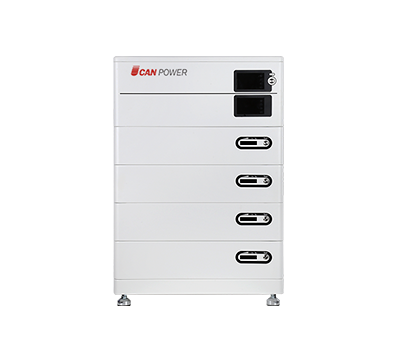
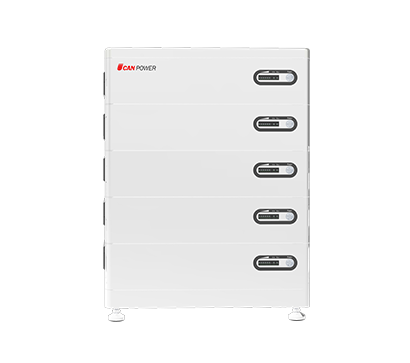
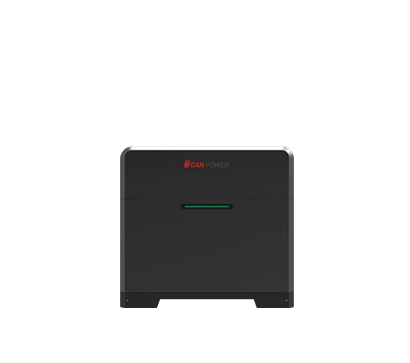
Lithium-ion Batteries: Widely used in portable electronics and electric vehicles, lithium-ion batteries are also finding applications in large-scale energy storage systems. They offer high energy density, long cycle life, and relatively fast charging and discharging capabilities. For example, Tesla's Powerwall and Powerpack systems use lithium-ion batteries to store solar energy for residential and commercial use.
Lead-acid Batteries: Although they have lower energy density and shorter cycle life compared to lithium-ion batteries, lead-acid batteries are still used in some smaller-scale energy storage applications due to their lower cost.
Sodium-sulfur Batteries: These batteries have high energy density and are suitable for large-scale grid storage. However, they require high operating temperatures.
Pumped Hydro Storage
This is one of the oldest and most widely used forms of energy storage. During periods of low electricity demand, water is pumped from a lower reservoir to a higher one. When electricity is needed, the water is released back down through turbines to generate electricity. The Grand Coulee Dam in the United States is an example of a pumped hydro storage facility.
Compressed Air Energy Storage (CAES)
In a CAES system, air is compressed and stored in underground caverns or containers when electricity is abundant. When electricity is required, the compressed air is released and heated to drive a turbine and generate power.
Flywheel Energy Storage
Flywheels store energy in the form of rotational kinetic energy. When excess electricity is available, a motor spins the flywheel at high speeds. To release the stored energy, the flywheel's rotation is used to drive a generator. They are often used in applications where short bursts of high power are needed, such as in uninterruptible power supplies.
Thermal Energy Storage
This technology stores heat or cold for later use. It can involve using phase change materials, such as molten salts, to store heat from solar thermal plants or using ice or chilled water to store cooling energy for air conditioning systems.
III. Benefits of Renewable Energy Storage
Grid Stability and Reliability
By storing excess renewable energy, storage systems can help balance supply and demand on the grid, reducing the frequency and severity of power outages and voltage fluctuations. This is particularly important as the share of intermittent renewable sources in the grid increases.
Integration of Variable Renewable Energy
Peak Shaving and Load Management
Emergency Backup Power
In case of natural disasters or other emergencies, energy storage systems can provide critical backup power to essential facilities such as hospitals, communication centers, and water treatment plants.
IV. Challenges and Limitations of Renewable Energy Storage
Cost
Although the costs of some storage technologies have been declining in recent years, they still represent a significant upfront investment. This can be a barrier to widespread adoption, especially for smaller-scale applications.
Energy Density and Storage Capacity
Some storage technologies, such as batteries, have limitations in terms of energy density and the amount of energy that can be stored. This can restrict their use in large-scale grid applications or for long-duration storage needs.
Lifespan and Degradation
Environmental Impact
The production and disposal of some storage technologies, such as batteries, can have environmental implications. For example, the extraction of raw materials for lithium-ion batteries can cause habitat destruction and pollution.
V. Market Trends and Future Outlook
Rapid Growth and Investment
The renewable energy storage market has been experiencing rapid growth in recent years, driven by increasing demand for clean energy, technological advancements, and supportive policies. Global investment in energy storage is expected to continue to rise, with projections indicating significant expansion in the coming decades.
Technological Advancements
Ongoing research and development efforts are focused on improving the performance, cost, and lifespan of existing storage technologies, as well as exploring new and innovative approaches. For example, solid-state batteries and flow batteries are emerging as promising alternatives to traditional lithium-ion batteries.
Policy Support and Regulatory Frameworks
Governments around the world are implementing policies and regulations to promote the deployment of renewable energy storage. This includes providing subsidies, setting targets for energy storage installations, and creating favorable market conditions for storage projects.
Integration with Smart Grids and Distributed Energy Resources
VI. Case Studies
Sonnen Community in Germany
AES Advancion Energy Storage Array in California
VII. Conclusion
Renewable energy storage is a key enabler of the clean energy transition, offering numerous benefits in terms of grid stability, renewable energy integration, and cost savings. While there are still challenges to overcome, the rapid advancements in technology and the growing support from policymakers and investors are driving the sector forward. As we continue to strive for a sustainable and low-carbon future, the role of renewable energy storage will only become more crucial in shaping the global energy landscape.
It is essential that we continue to invest in research and development, improve policy frameworks, and drive market innovation to ensure that renewable energy storage reaches its full potential and contributes to a cleaner, more reliable, and resilient energy system for generations to come.





 German
 Italian
 Japanese
 Global (English)
 Chinese
 Spanish
 French


