

1. Introduction
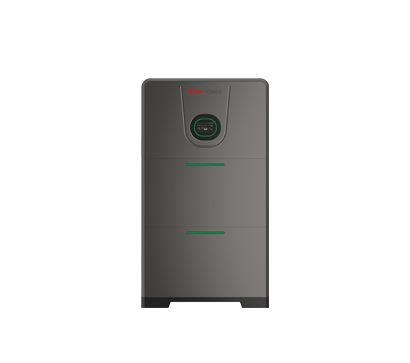
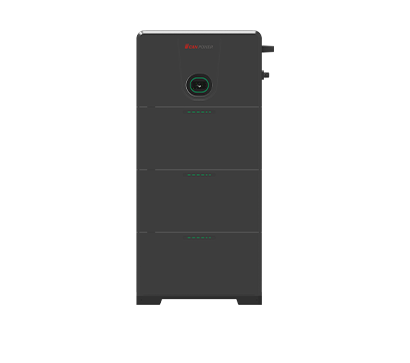
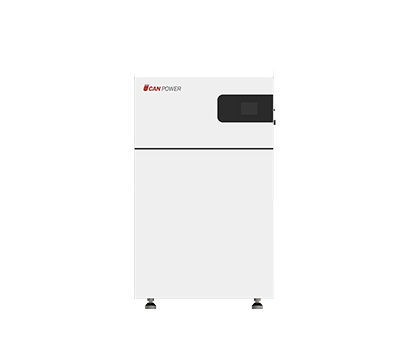
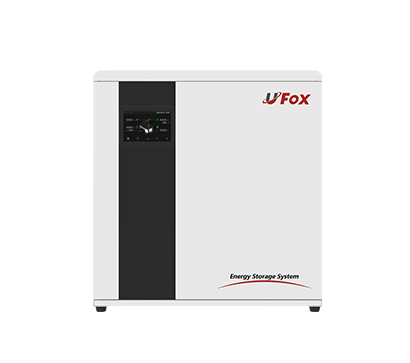
The combination of residential battery energy storage systems (BESS) and solar power has emerged as a powerful solution for homeowners seeking energy independence, costsavings, and environmental sustainability. Solar panels have become increasingly popular for generating clean, renewable electricity, but their intermittent nature, with power generation limited to daylight hours and affected by weather conditions, creates a need for energy storage. Residential BESS for solar integration bridge this gap, allowing homeowners to store excess solar energy during the day and use it when the sun is not shining, such as at night or on cloudy days. This comprehensive exploration will cover all aspects of these integrated systems, including their components, working principles, applications, advantages, challenges, and future trends.
2. Components of Residential Battery Energy Storage Systems for Solar Integration
- Solar Panels:
Photovoltaic (PV) solar panels are the primary source of electricity in this integrated system. Monocrystalline and polycrystalline solar panels are the most commonly used types in residential settings. Monocrystalline solar panels are known for their high efficiency, with some models achieving efficiencies of up to 2223%. They are made from a single crystal of silicon, which allows for better electron movement and thus higher power generation. For example, a typical 300watt monocrystalline solar panel can generate a significant amount of electricity in a sunny location.
Polycrystalline solar panels, on the other hand, are made from multiple silicon crystals. They are generally more affordable than monocrystalline panels but have slightly lower efficiency, typically in the range of 1518%. The number and size of solar panels installed depend on the energy needs of the household and the available roof space. A mediumsized household may require 1015 solar panels to meet a significant portion of its energy demands.
- Battery Bank:
Lithiumion batteries are the preferred choice for residential BESS due to their high energy density, long cycle life, and relatively fast charging capabilities. Lithiumironphosphate (LFP) batteries are particularly popular for their safety features and longterm reliability. A 10kWh LFP battery bank can store a substantial amount of excess solar energy, which can be used to power the household during nonsolargenerating periods.
The capacity of the battery bank is determined based on the daily energy consumption of the household and the amount of solar energy expected to be generated. A household with higher energy consumption may need a largercapacity battery bank, such as 1520 kWh, to ensure sufficient energy storage for extended periods without solar power.
- Inverter:
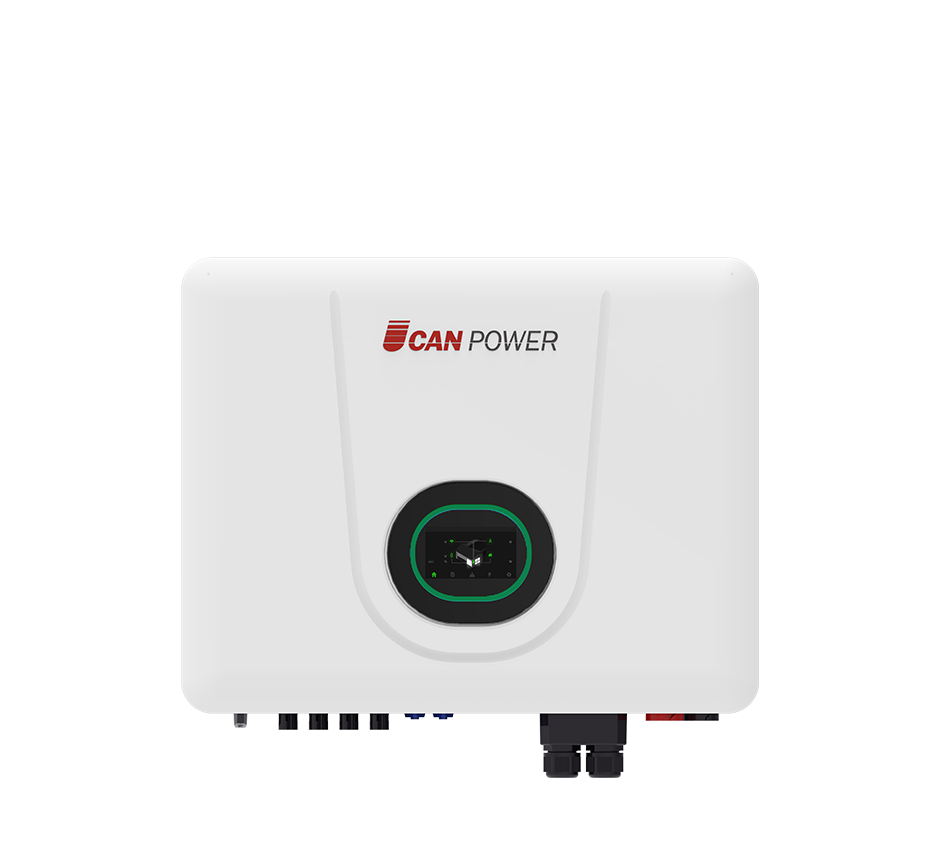
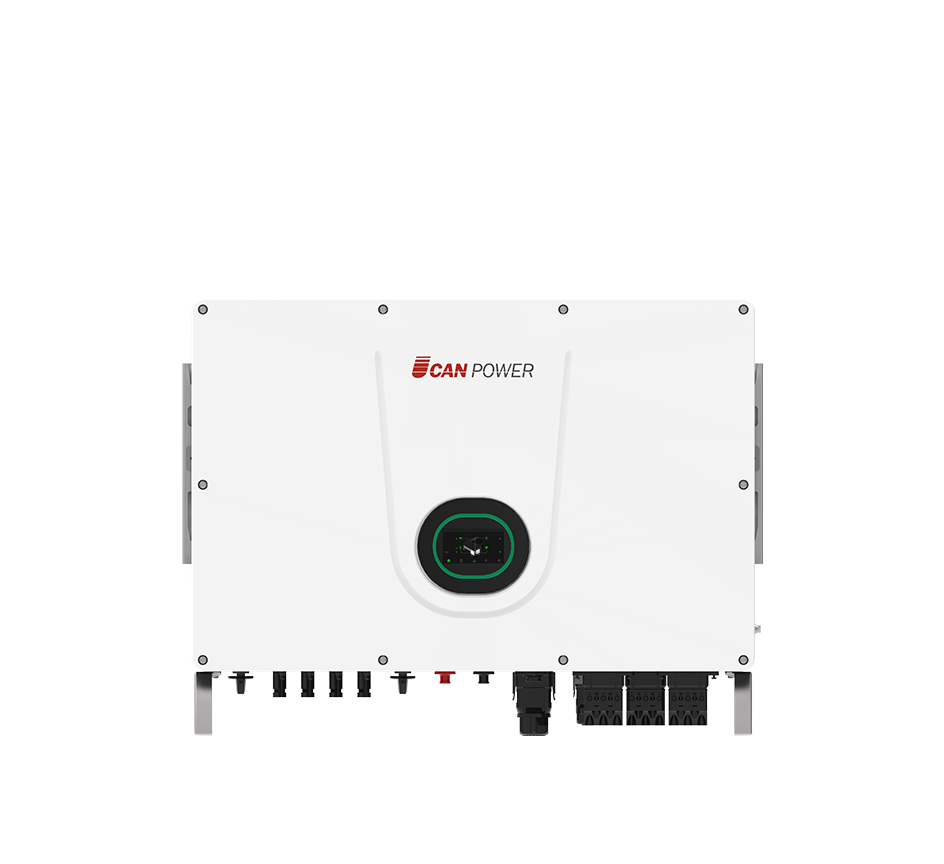
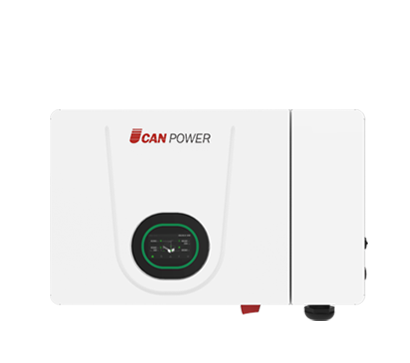
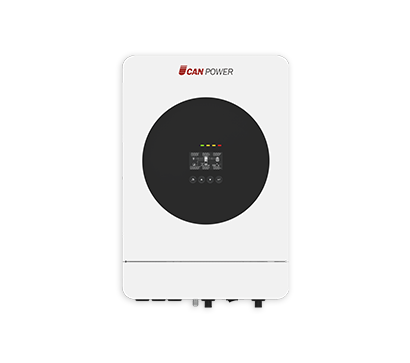
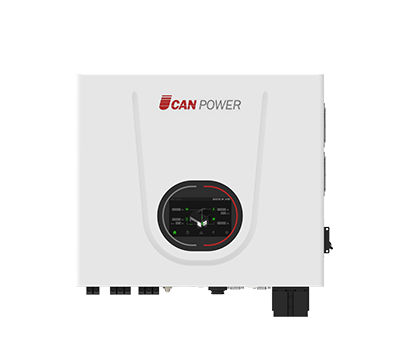
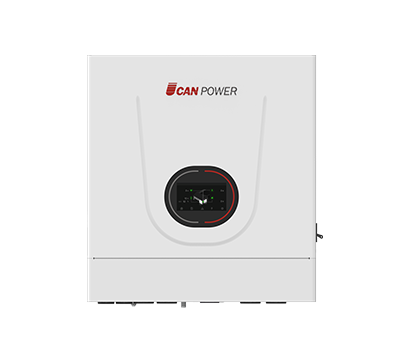
The inverter is a crucial component that converts the DC power generated by the solar panels and stored in the battery bank into AC power for use in the household. There are two main types of inverters: string inverters and microinverters. String inverters are connected to multiple solar panels in a series (a string). They are costeffective for larger solar installations but have a drawback in that if one panel in the string underperforms, it can affect the performance of the entire string.
Microinverters, on the other hand, are connected to each individual solar panel. They optimize the performance of each panel independently, making them more suitable for installations with shading issues or panels of different orientations. In a residential BESS for solar integration, the inverter also needs to manage the power flow between the solar panels, the battery bank, and the household, ensuring efficient energy utilization.
- Charge Controller:
The charge controller manages the charging process of the battery bank from the solar panels. Maximum power point tracking (MPPT) charge controllers are highly recommended for this application. They continuously monitor the voltage and current of the solar panels and adjust the charging process to ensure that the panels operate at their maximum power point. This is especially important in variable sunlight conditions. For example, on a partially cloudy day, an MPPT charge controller can still extract the maximum amount of power from the solar panels and transfer it efficiently to the battery bank.
The charge controller also protects the battery bank from overcharging and undercharging, ensuring the longterm health and performance of the batteries.
3. Working Principle
- Solar Energy Generation and Charging:
During the day, when the sun is shining, the solar panels generate DC power. This DC power is first sent to the charge controller. The charge controller, with its MPPT technology, optimizes the power transfer from the solar panels and regulates the charging current and voltage to the battery bank. If the solar panels generate more power than the household is consuming at that moment, the excess power is stored in the battery bank.
For example, in the morning when the sunlight intensity is increasing, the solar panels start generating power. The charge controller adjusts the charging rate to the battery bank based on the battery's state of charge. In the initial stage of charging, when the battery SOC is low, it may allow a relatively high charging current to quickly increase the stored energy. As the battery approaches full charge, the charge controller reduces the charging current to prevent overcharging.
- Discharging and Energy Utilization:
When the solar panels are not generating enough electricity, such as at night or on cloudy days, the battery bank discharges. The stored DC electricity in the battery bank is sent to the inverter. The inverter converts this DC power into AC power, which is then used to power the household appliances.
The monitoring and control system (which is often an integral part of the BESS) plays a crucial role during the discharging process. It monitors the power consumption of the household and the SOC of the battery bank. If the SOC drops below a certain level, the control system may adjust the power output to nonessential loads to ensure that there is enough power for critical appliances. For example, it may automatically turn off nonessential lighting or postpone the operation of lesscritical appliances like a clothes dryer until the battery SOC is higher or the solar panels start generating power again.
4. Applications
- Energy SelfSufficiency:
The integrated system of solar panels and BESS allows homeowners to achieve a high degree of energy selfsufficiency. They can generate their own electricity from solar power and store it for later use, reducing their reliance on the grid. This is especially beneficial in remote areas where grid connection may be difficult or expensive.
- CostSavings:
By storing and using their own solargenerated electricity, homeowners can significantly reduce their electricity bills. In regions with netmetering policies, homeowners can also sell the excess electricity back to the grid, creating an additional source of income. For example, if a household generates more solar energy than it consumes during the day, the excess energy can be fed into the grid, and the homeowner can receive credits or payments for it.
- Environmental Sustainability:
The use of solar power and BESS promotes environmental sustainability. Solar energy is a clean, renewable energy source that produces no greenhouse gas emissions during operation. By relying more on solar energy and reducing the use of gridsourced electricity (which may be generated from fossilfuelbased power plants), homeowners can significantly reduce their carbon footprint.
5. Advantages
- Maximized Solar Energy Utilization:
The integration of BESS with solar panels ensures that excess solar energy is not wasted. Instead, it is stored in the battery bank for later use, increasing the overall selfconsumption of solar energy.




 German
 Italian
 Japanese
 Global (English)
 Chinese
 Spanish
 French


