

1. Introduction
In the modern pursuit of sustainable living and energy independence, residential battery energy storage systems have emerged as a crucial component of the home energy landscape. Among the various battery chemistries available, lithium iron phosphate (LiFePO4) has gained significant traction in residential applications. LiFePO4 based residential battery energy storage systems offer a unique combination of safety, long term reliability, and high performance characteristics, making them an ideal choice for homeowners looking to optimize their energy usage, reduce electricity bills, and contribute to a cleaner environment. This article delves into the key aspects of LiFePO4 residential battery energy storage systems, including their technology, benefits, applications, challenges, and future prospects.
2. Understanding LiFePO4 Battery Technology for Residential Use
2.1 Chemical Composition and Electrochemical Process
LiFePO4 batteries are based on a lithium ion chemistry, where lithium ions move between the positive (cathode) and negative (anode) electrodes during charge and discharge cycles. The cathode material, lithium iron phosphate (LiFePO4), has a stable olivine crystal structure. In the charged state, lithium ions are intercalated within the LiFePO4 lattice. During discharge, lithium ions are de intercalated from the cathode, pass through the electrolyte (usually a lithium salt based organic liquid), and intercalate into the graphite based anode.
The electrochemical reaction at the cathode can be represented as:
\[LiFePO_{4}\underset{\text{Charge}}{\overset{\text{Discharge}}{\rightleftharpoons}}FePO_{4}+Li^{+}+e^{-}\]
At the anode, the reaction is:
\[Li_{x}C_{6}\underset{\text{Charge}}{\overset{\text{Discharge}}{\rightleftharpoons}}xLi^{+}+xe^{-}+C_{6}\]
This movement of lithium ions generates an electric current, providing electrical energy for the connected loads. The stable structure of LiFePO4 contributes to its excellent safety and long cycle life characteristics, which are highly desirable in a residential setting.
2.2 Advantages of LiFePO4 Batteries in Residential Applications
2.2.1 Safety
Safety is a top priority in residential battery energy storage systems, especially when the batteries are installed in close proximity to living areas. LiFePO4 batteries are renowned for their high thermal stability. The phosphate based cathode material is less prone to thermal runaway, a dangerous condition where a battery overheats and can potentially catch fire or explode. In contrast to some other lithium ion chemistries, such as lithium cobalt oxide (LiCoO2), LiFePO4 batteries have a much lower risk of thermal incidents. This makes them a safe choice for installation in basements, garages, or even inside the living spaces of homes, providing homeowners with peace of mind.
2.2.2 Long Cycle Life
LiFePO4 batteries typically offer an impressive cycle life, which is crucial for long term cost effectiveness in residential applications. High quality LiFePO4 batteries can withstand 2000 5000 charge discharge cycles or more, depending on factors such as the depth of discharge (DoD) and operating temperature. In a residential setting, where the battery may be charged and discharged daily, this long cycle life means that homeowners can rely on the battery for many years without the need for frequent replacements. For example, if a homeowner uses their LiFePO4 based battery system to store excess solar energy during the day and discharge it at night, the long cycle life ensures that the battery can maintain its performance and capacity over an extended period, reducing the overall cost of ownership.
2.2.3 High Temperature Performance
Residential battery energy storage systems may be exposed to a wide range of temperatures, especially if installed outdoors or in unconditioned spaces. LiFePO4 batteries exhibit better performance at high temperatures compared to some other lithium ion chemistries. In hot climates, where temperatures can soar during the summer months, LiFePO4 batteries can maintain their capacity and charging discharging efficiency. This reduces the need for complex and energy consuming cooling systems, making them more practical and cost effective for residential use. For instance, in a solar integrated residential energy storage system located in a sunny and hot region, the LiFePO4 battery can continue to operate reliably without significant performance degradation, ensuring a stable power supply for the home.
3. Components of a Residential LiFePO4 Battery Energy Storage System
3.1 Battery Pack
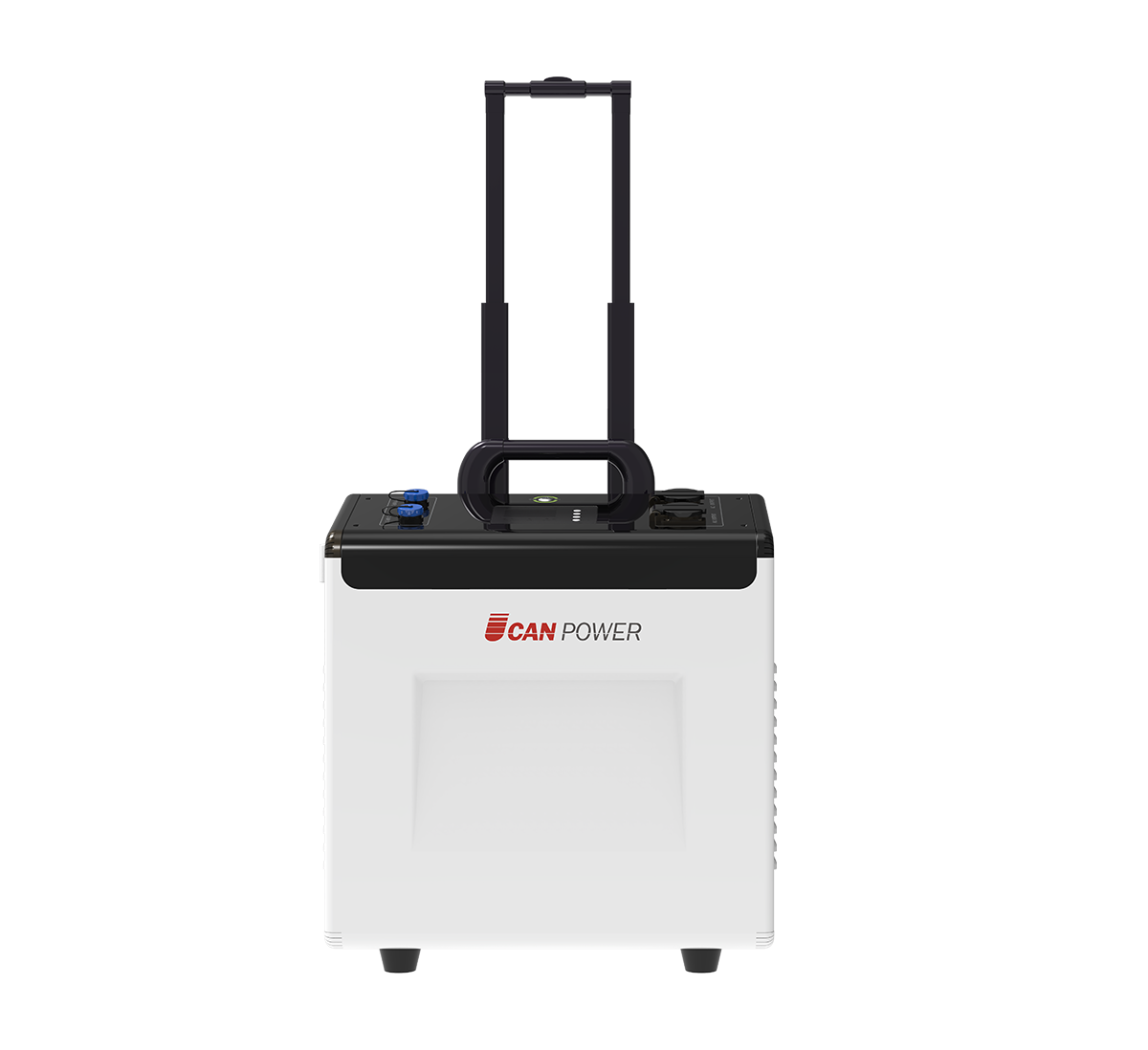
The LiFePO4 battery pack is the core component of a residential energy storage system. It consists of multiple LiFePO4 cells connected in series and parallel to achieve the desired voltage and capacity. In a typical residential setup, the battery pack may have a capacity ranging from 5 to 15 kWh, although larger capacities are also available for homes with higher energy demands or those looking to achieve greater energy independence.
The battery pack is equipped with a Battery Management System (BMS). The BMS plays a crucial role in monitoring and controlling the state of the battery. It continuously monitors parameters such as the voltage, current, and temperature of each cell in the pack. In case of any cell imbalance, over voltage, or over temperature conditions, the BMS takes corrective actions. For example, if one cell in the pack has a slightly lower voltage than the others during charging, the BMS can balance the charge by diverting current to that cell, ensuring that all cells in the pack are charged and discharged evenly. This helps to extend the overall lifespan of the battery pack and maintain its performance over time.
3.2 Inverter
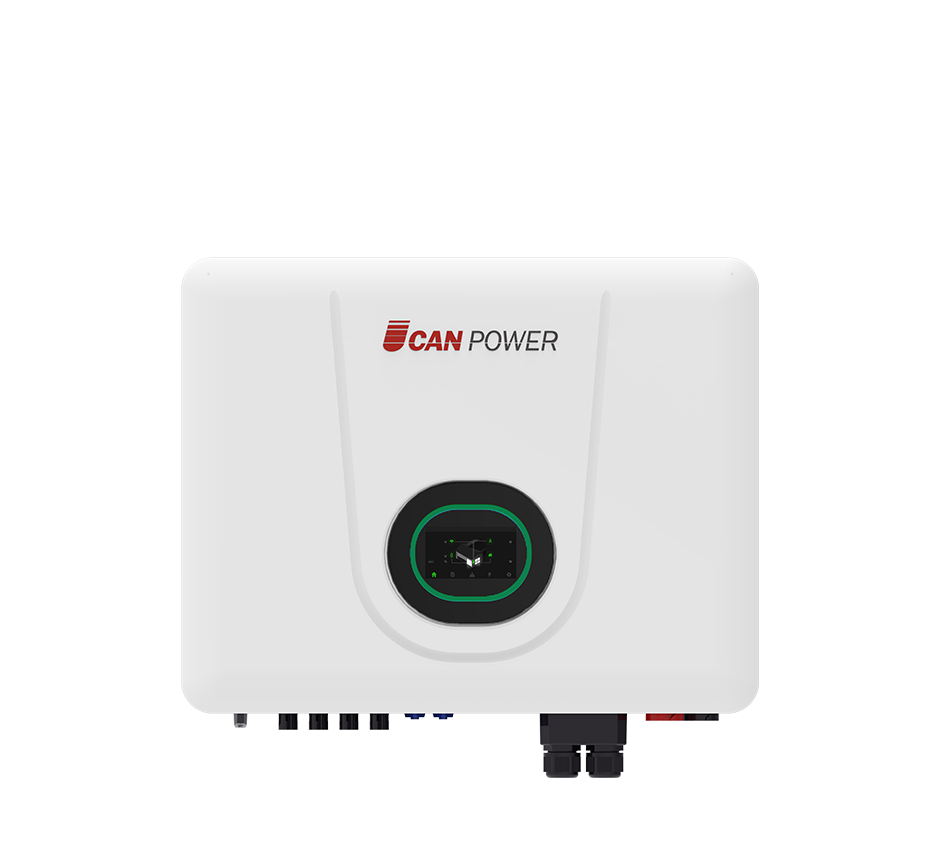
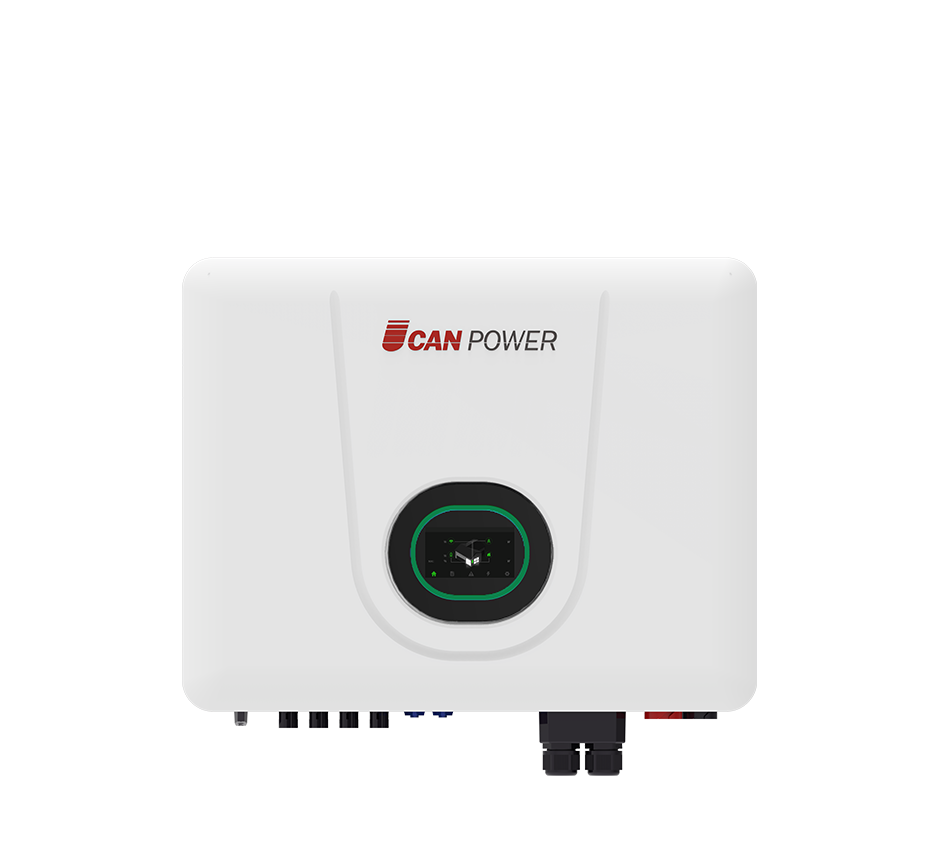
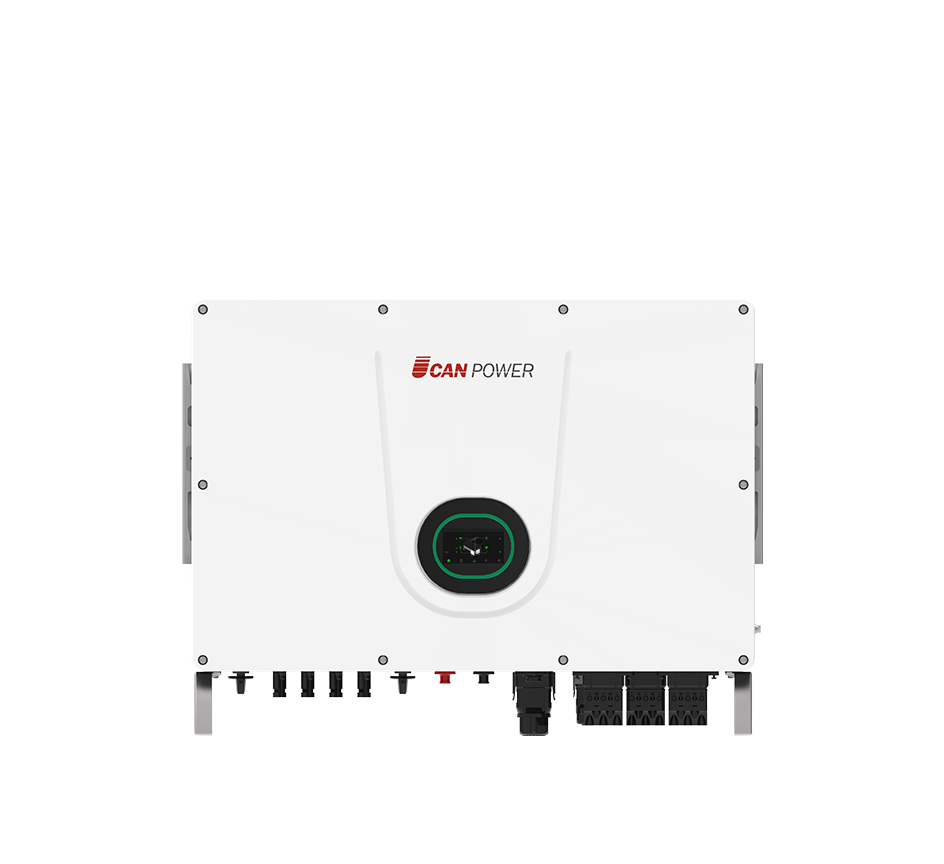
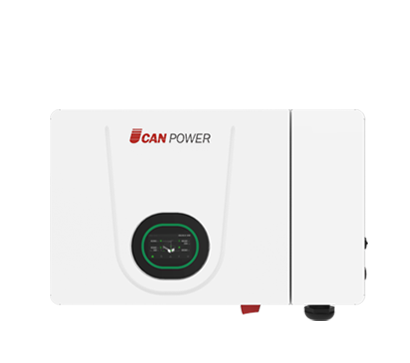
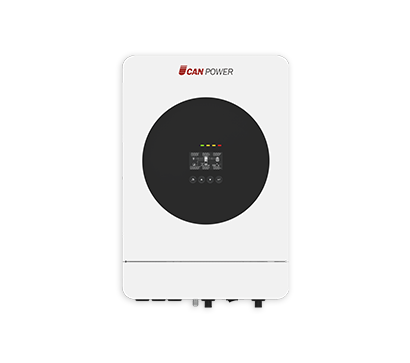
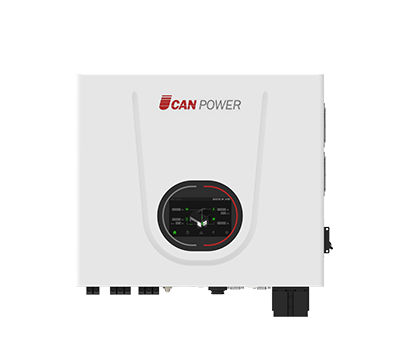
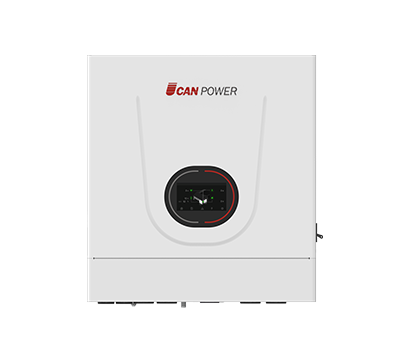
The inverter in a residential LiFePO4 battery energy storage system is responsible for converting the direct current (DC) power stored in the battery pack into alternating current (AC) power, which is suitable for powering household appliances and devices. There are different types of inverters used in residential systems, with sine wave inverters being the most common choice for their ability to produce a clean and stable AC output, similar to the power supplied by the grid. This is essential for powering sensitive electronics such as computers, televisions, and modern kitchen appliances without causing damage or performance issues.
Inverters in residential energy storage systems also often come with features like maximum power point tracking (MPPT) when connected to solar panels. MPPT algorithms continuously adjust the operating point of the solar panels to extract the maximum possible power from them, regardless of changing sunlight conditions. In addition, the inverter can communicate with other components of the energy storage system, such as the battery pack and the energy management system, to optimize the power flow between the solar panels, the battery, and the household loads.
3.3 Energy Management System (EMS)
The Energy Management System is a key component that coordinates the operation of all the elements within the residential LiFePO4 battery energy storage system. The EMS monitors the state of charge of the battery, the power generation from renewable sources (such as solar panels if integrated), and the power demand of the household.
Based on this information, the EMS makes decisions on how to optimize the use of energy. For example, during the day when solar panels are generating excess power, the EMS will direct the inverter to charge the LiFePO4 battery pack. If the power demand from the household suddenly increases and the solar power is insufficient, the EMS will instruct the battery to discharge and supply the additional power. In some advanced residential energy storage systems, the EMS can also communicate with the grid (if grid connected) to participate in demand response programs. It can sell excess stored energy back to the grid during peak demand periods when electricity prices are high, and buy electricity from the grid during off peak hours when prices are low, thereby maximizing the economic benefits for the homeowner.
3.4 Monitoring and Control Interface
Residential LiFePO4 battery energy storage systems are equipped with a monitoring and control interface, which can be in the form of a local display panel or a remote accessible software application. This interface allows homeowners to monitor the real time status of the system, including the state of charge of the battery, the power generation and consumption, and any fault alerts.
For example, a homeowner can use a mobile app to check how much solar energy has been generated and stored in the battery throughout the day. They can also set preferences for the system's operation, such as whether to prioritize self consumption of solar energy or to charge the battery for later use. In case of any issues, the monitoring and control interface can provide detailed information about the problem, allowing the homeowner to take appropriate actions or contact the system installer for support.
4. Applications of Residential LiFePO4 Battery Energy Storage Systems
4.1 Solar Plus Storage
One of the most common applications of residential LiFePO4 battery energy storage systems is in solar plus storage setups. Homeowners install solar panels on their rooftops to generate electricity from sunlight. During the day, when the solar panels produce more electricity than the household is consuming, the excess energy is used to charge the LiFePO4 battery pack.
At night or during periods of low sunlight, such as on cloudy days, the battery discharges and supplies power to the household, reducing the reliance on grid supplied electricity. This not only helps homeowners save on their electricity bills but also provides a backup power source during grid outages. For example, in a storm prone area, if the grid goes down, the solar plus storage system can keep essential appliances like refrigerators, lights, and Wi Fi routers running, ensuring a certain level of comfort and connectivity. Some homeowners may also be able to participate in virtual power plant (VPP) programs, where they can aggregate their stored energy with other households and sell it back to the grid, generating an additional source of income.
4.2 Backup Power
Even in homes without solar panels, residential LiFePO4 battery energy storage systems can serve as reliable backup power sources. These systems can be charged from the grid during normal operation, and in case of a power outage, they can automatically switch to backup mode and supply power to critical loads. This is particularly useful for households with medical equipment, such as home based oxygen concentrators or dialysis machines, or for those who want to ensure a continuous power supply for security systems.
For example, a family with an elderly member who requires medical equipment at home can install a LiFePO4 based battery energy storage system. In the event of a power outage, the battery can power the medical equipment for several hours, providing a crucial safety net. Backup power systems can also be configured to power essential lighting, a small refrigerator, and a communication device, allowing the household to function relatively normally during the outage.
4.3 Peak shaving and Cost Savings
Residential LiFePO4 battery energy storage systems can be used for peak shaving, which involves reducing the household's electricity consumption from the grid during peak demand periods. Electricity tariffs are often structured such that the cost per kilowatt hour is higher during peak hours, typically in the evenings when many households are using appliances simultaneously.
By charging the battery during off peak hours when electricity prices are low and discharging it during peak hours, homeowners can reduce their peak demand charges. For example, a homeowner can set their energy management system to charge the battery from the grid during the middle of the night when electricity rates are at their lowest. Then, in the evening, when the peak demand period starts, the battery supplies power to the household, reducing the amount of electricity drawn from the grid at the higher cost rate. This can result in significant cost savings over time, especially for households with high energy consumption.
5. Challenges in Residential LiFePO4 Battery Energy Storage Systems
5.1 Cost
5.1.1 High Initial Investment
The initial cost of a residential LiFePO4 battery energy storage system can be a significant barrier to adoption. The cost of the battery pack, inverter, energy management system, and installation can amount to several thousand dollars. For example, a mid sized residential solar plus storage system with a 10 kWh LiFePO4 battery pack can cost upwards of $10,000 $15,000, depending on the brand and additional features.
To address this challenge, manufacturers are working on improving production processes to achieve economies of scale. As the demand for these systems grows, the cost of production is expected to decrease. In addition, government incentives such as tax credits, rebates, and grants are being offered in many regions to encourage the adoption of residential energy storage systems. For instance, some states in the United States provide tax credits of up to 30% of the system cost for residential energy storage installations.
5.2 Compatibility and Integration
5.2.1 Inter component Compatibility
Ensuring seamless compatibility between different components within the residential energy storage system can be a challenge. The battery pack, inverter, and energy management system need to work together harmoniously. For example, the inverter's voltage and current ratings must be compatible with the battery pack, and the communication protocols between the components should be standardized.
Manufacturers are increasingly focusing on developing integrated systems where all components are designed and tested together to ensure compatibility. In addition, industry standards organizations are working on establishing common interfaces and communication protocols to facilitate the integration of different components from various manufacturers. This will give homeowners more flexibility in choosing components for their energy storage systems while still ensuring proper functionality.
5.2.2 Integration with Existing Home Electrical Systems
Integrating a residential LiFePO4 battery energy storage system with the existing home electrical system requires careful planning and expertise. The system needs to be connected to the home's electrical panel in a safe and compliant manner. In some cases, electrical upgrades may be necessary to handle the additional load and the two way flow of power.
Professional installers are typically required to ensure that the installation meets local electrical codes and safety standards. However, the lack of standardization in home electrical systems across different regions and the complexity of the installation process can still pose challenges. To overcome this, some manufacturers are developing user friendly installation kits and providing detailed installation guidelines, and there is also a growing network of trained installers who specialize in residential energy storage system installations.
5.3 Performance Degradation
5.3.1 Battery Capacity Fade
Over time, the capacity of LiFePO4 batteries in residential energy storage systems can fade due to factors such as repeated charge discharge cycles, high operating temperatures, and improper charging and discharging practices. This can reduce the amount of energy that the system can store and supply, affecting its long term performance.
To mitigate battery capacity fade, manufacturers are constantly improving battery chemistries and design. For example, new cathode and anode materials are being developed to enhance the battery's resistance to capacity degradation. In addition, the BMS in the residential energy storage system can be programmed to optimize the charging and discharging process, such as by controlling the charge discharge rate and avoiding over charging and over discharging. Regular maintenance and monitoring of the battery pack, such as checking the battery's state of health and capacity, can also help detect early signs of capacity fade and take corrective actions.
5.3.2 Inverter Efficiency Loss
Inverters in residential energy storage systems can experience efficiency losses over time. Power electronics components in the inverter, such as transistors and diodes, may degrade, leading to increased power losses during the DC to AC conversion process. This can reduce the overall efficiency of the energy storage system.
Manufacturers are using advanced semiconductor materials, such as silicon carbide (SiC) and gallium nitride (GaN), in inverter design to improve efficiency and reduce component degradation. Regular maintenance and software updates for the inverter can also help keep it operating at optimal efficiency. In addition, the energy management system can be configured to adjust the inverter's operation based on the battery's state and the load demand to minimize efficiency losses.
6. Future Outlook
6.1 Technological Advancements
The future of residential LiFePO4 battery energy storage systems is likely to be marked by significant technological advancements. In the area of battery technology, research is focused on developing new LiFePO4 based chemistries with even higher energy density, longer cycle life, and improved performance at extreme temperatures. For example, the development of solid state LiFePO4 batteries holds great promise. Solid state batteries use a solid electrolyte instead of a liquid one, which can potentially lead to higher energy density, enhanced safety, and reduced self discharge.
Inverter technology is also expected to advance, with the development of more compact, efficient, and intelligent inverters. New control algorithms, such as those based on artificial intelligence and machine learning, will be able to optimize the power conversion process in real time, taking into account various factors such as battery state, load demand, and grid conditions. The energy management system will become more sophisticated, enabling better integration of multiple energy sources and loads, and more effective participation in grid related services.
6.2 Market Growth
The market for residential LiFePO4 battery energy storage systems is projected to experience substantial growth in the coming years. The increasing demand for energy independence, cost savings on electricity bills, and the need for reliable backup power in homes will drive the adoption of these systems. In addition, the growth of renewable energy sources, such as solar and wind, which require energy storage for grid integration, will further boost the market.
As the costs of these systems continue to decline due to technological advancements and economies of scale, more homeowners will be able to afford them. The growing awareness of environmental issues among the general public is also a significant factor contributing to market growth. Homeowners are increasingly motivated to reduce their carbon footprint and rely on clean energy sources, and residential energy storage systems play a crucial role in achieving this goal.
6.3 Integration with Smart Home Technologies
Residential LiFePO4 battery energy storage systems will increasingly be integrated with smart home technologies in the future. Smart home devices, such as smart thermostats, smart lighting systems, and home automation hubs, can communicate with the energy storage system to optimize energy usage. For example, the energy management system can adjust the operation of smart thermostats to reduce energy consumption during peak hours or when the battery's state of charge is low.
In addition, the integration with smart home technologies will provide homeowners with more control and flexibility over their energy usage. They can use mobile apps or voice controlled assistants to monitor and manage the energy storage system, set energy saving schedules, and receive real time feedback on their energy consumption patterns. This integration will not only enhance the functionality of the residential energy storage system but also contribute to the overall efficiency and sustainability of the home.
In conclusion, residential LiFePO4 battery energy storage systems offer a viable and promising solution for homeowners looking to achieve energy independence, save on electricity bills, and contribute to a sustainable future. Despite the current challenges, the continuous technological advancements, market growth, and integration with other emerging technologies make these systems an increasingly attractive option for the modern home.




 German
 Italian
 Japanese
 Global (English)
 Chinese
 Spanish
 French


