

1. Introduction
In the contemporary era of sustainable energy transition, residential solar power systems have witnessed a remarkable surge in popularity. Homeowners are increasingly turning to solar energy as a means to reduce their carbon footprint, lower electricity bills, and achieve a certain degree of energy independence. However, the intermittent nature of solar power generation, being dependent on sunlight availability, has posed a significant obstacle to the seamless utilization of this renewable energy source. This is where residential battery energy storage systems (BESS) in conjunction with hybrid inverters come into play, offering a comprehensive solution to optimize the use of solar energy at the household level.
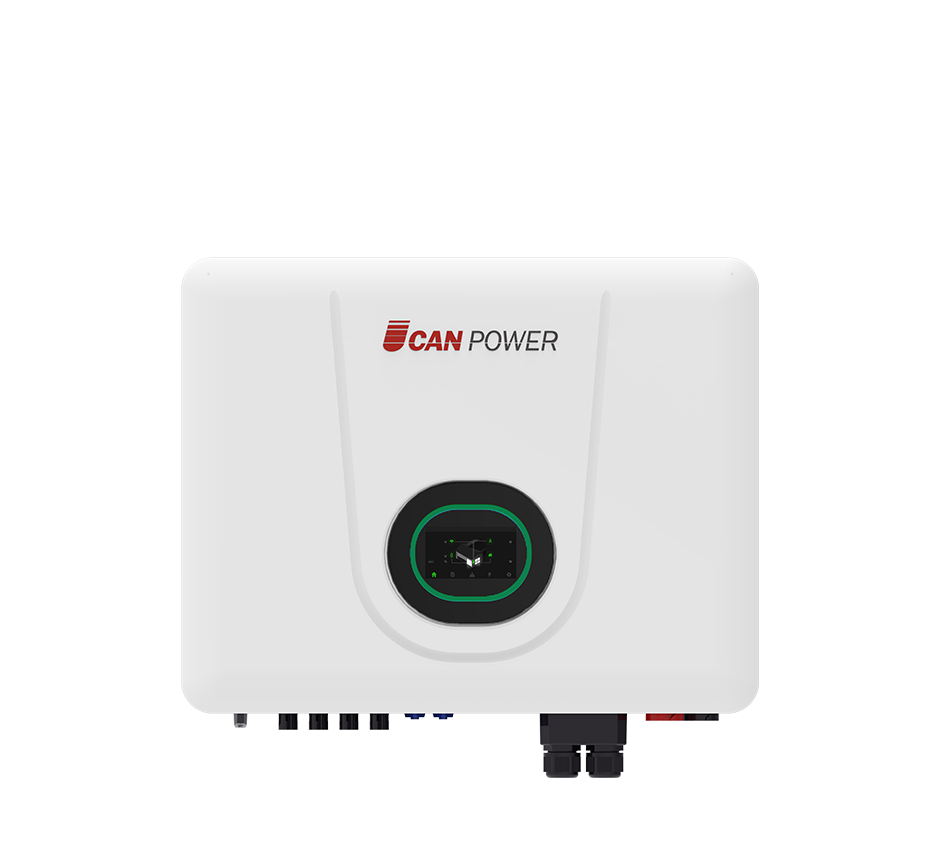
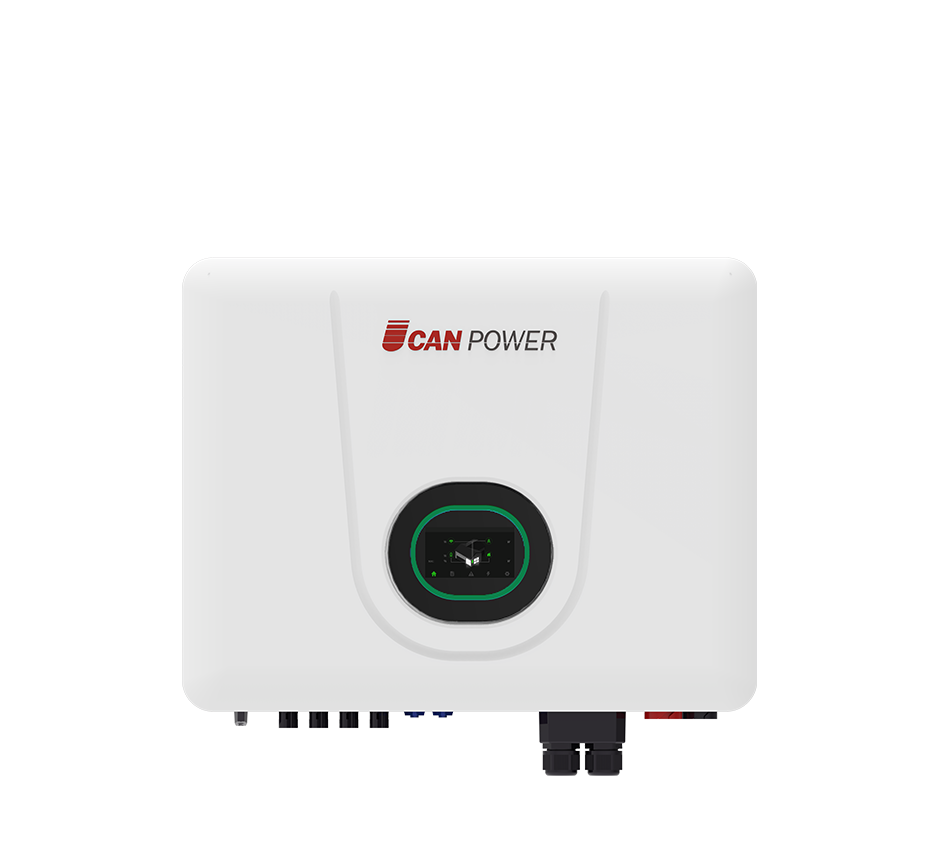
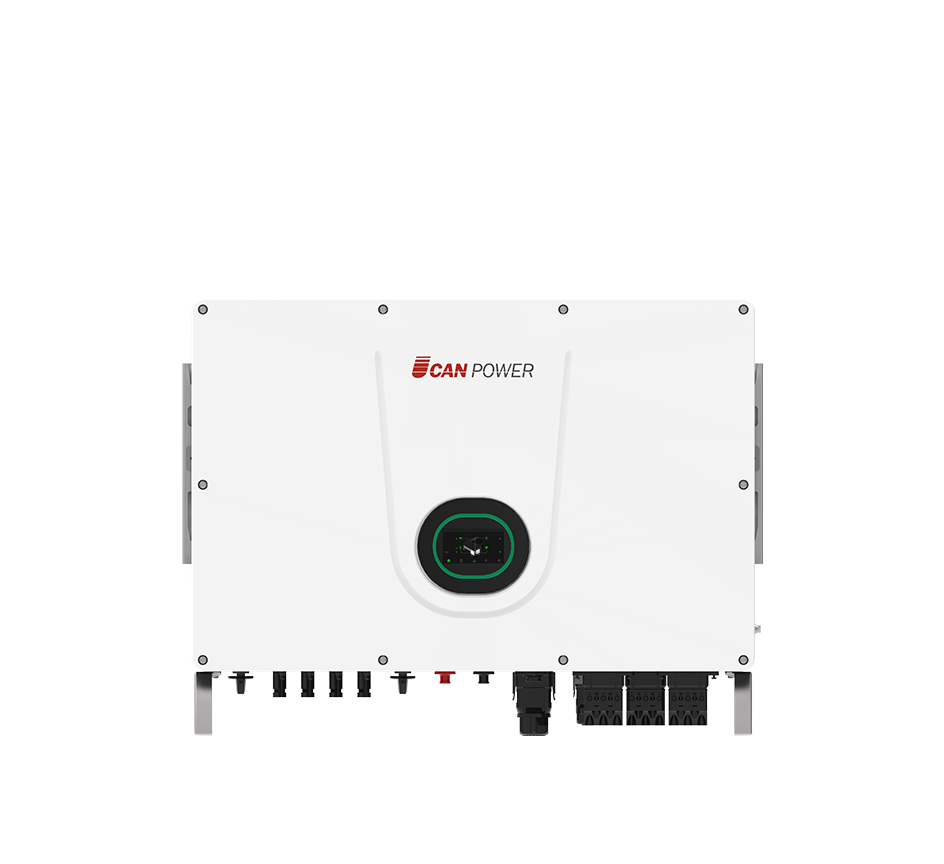
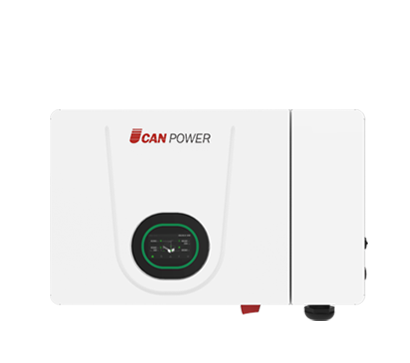
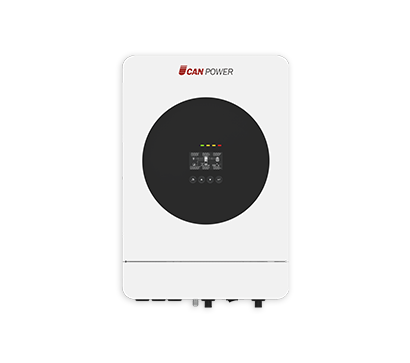
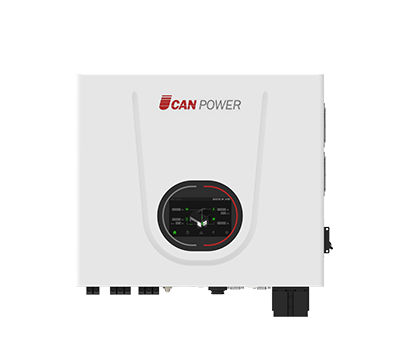
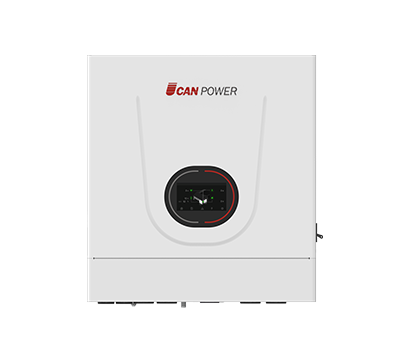
A hybrid inverter serves as the central nervous system of a residential solar battery setup. It combines the functions of a traditional solar inverter, which converts direct current (DC) from solar panels into alternating current (AC) for household use, and a battery inverter, which manages the charging and discharging of the battery. By integrating these two functions, a hybrid inverter enables a more efficient and intelligent management of the power flow within the residential energy system, making it possible to store excess solar energy during periods of high generation and utilize it when solar production is low or non existent.
2. Functionality of Residential Battery Energy Storage Systems with Hybrid Inverters
2.1 Power Conversion and Management
2.1.1 DC to AC Conversion for Solar Power
The first and foremost function of a hybrid inverter in a residential setting is to convert the DC power generated by solar panels into AC power. Solar panels operate based on the photovoltaic effect, where sunlight is absorbed by semiconductor materials, generating DC electricity. The hybrid inverter steps in to transform this DC power into AC power, which is compatible with the electrical appliances and devices commonly used in households. This conversion process is crucial as most residential electrical systems are designed to operate on AC power. The inverter achieves this conversion through a series of semiconductor switches, typically insulated gate bipolar transistors (IGBTs), which are rapidly switched on and off to create an AC waveform. Advanced hybrid inverters are engineered to produce a high quality sinusoidal AC output, minimizing harmonic distortion and ensuring stable operation of connected electrical equipment.
2.1.2 AC to DC and DC to AC Conversion for Battery Charging and Discharging
When it comes to the battery energy storage system, the hybrid inverter plays a dual role in power conversion. During periods of excess solar power generation, when the electricity produced by the solar panels exceeds the immediate consumption of the household, the hybrid inverter converts the surplus AC power back into DC power. This DC power is then used to charge the battery. The charging process is carefully regulated by the inverter in collaboration with the battery management system (BMS). The BMS monitors various parameters of the battery, such as voltage, current, temperature, and state of charge (SoC), and provides feedback to the inverter. Based on this information, the inverter adjusts the charging current and voltage to ensure safe and efficient charging, preventing overcharging or undercharging, which could otherwise damage the battery and reduce its lifespan.
Conversely, during times when solar power is insufficient to meet the household's energy demand, such as at night or on cloudy days, the battery discharges. The DC power stored in the battery is fed into the hybrid inverter, which then converts it back into AC power to supply the household load. The inverter ensures that the output AC power has the correct voltage, frequency, and phase to seamlessly integrate with the household electrical system, providing a continuous and stable power supply.
2.1.3 Intelligent Power Flow Management
One of the most significant advantages of a hybrid inverter in a residential solar battery system is its ability to manage the power flow intelligently. The inverter constantly monitors the power generation from the solar panels, the energy consumption of the household, and the state of charge of the battery. Based on this real time data, it determines the optimal source of power to meet the load demand. For example, during the day when solar power is abundant, the inverter first uses the solar power to supply the household load. If there is any surplus solar power, it is directed towards charging the battery. If the solar power generation is insufficient to meet the load demand, the inverter supplements the power from the battery or, if necessary, from the grid. In regions with time of use electricity tariffs, where the cost of electricity varies depending on the time of day, the hybrid inverter can be programmed to prioritize the use of battery power during peak rate hours, reducing the overall electricity cost for the homeowner.
2.2 Grid Interaction
2.2.1 Grid Tied Operation
In grid tied residential solar battery systems, the hybrid inverter enables seamless interaction with the electrical grid. When the solar panels generate more power than the household can consume and the battery is fully charged, the excess power is fed into the grid. The hybrid inverter synchronizes the frequency, voltage, and phase of the AC power it injects into the grid with the grid's parameters. This synchronization is crucial to ensure the stability of the grid and prevent any disruptions or harmonics that could affect other grid connected consumers. Many regions have strict regulations regarding the quality of power injection into the grid, and hybrid inverters are designed to comply with these standards. In addition, the inverter is equipped with anti islanding protection, which automatically disconnects the solar battery system from the grid in the event of a grid outage. This safety feature prevents the solar generated power from energizing the grid lines, protecting utility workers from potential electrical hazards.
2.2.2 Off Grid Operation
Although grid tied operation is more common in residential settings, hybrid inverters also enable off grid operation. In the event of a grid outage or in remote areas where grid connection is unreliable or unavailable, the hybrid inverter can switch the system to off grid mode. In this mode, the inverter draws power from the battery to supply the household load. The inverter must be able to operate independently and maintain a stable output voltage and frequency to ensure the proper functioning of household appliances. Some advanced hybrid inverters are also capable of integrating with other backup power sources, such as diesel generators. In such cases, the inverter can manage the power flow between the battery, solar panels, and generator, ensuring a continuous power supply to the household even during extended grid outages.
3. Benefits of Residential Battery Energy Storage Systems with Hybrid Inverters
3.1 Energy Independence and Reliability
3.1.1 Continuous Power Supply
One of the primary benefits of a residential solar battery system with a hybrid inverter is the assurance of a continuous power supply. Solar power generation is intermittent, and grid outages can occur due to various reasons, such as extreme weather conditions, equipment failures, or maintenance work. With a battery energy storage system, homeowners can store excess solar energy during sunny days and use it during periods of low solar production or grid outages. This provides a reliable backup power source, ensuring that essential household appliances, such as refrigerators, medical equipment (if applicable), and lighting, can continue to operate without interruption. In regions prone to frequent power outages, a residential solar battery system can significantly enhance the quality of life and provide peace of mind to homeowners.
3.1.2 Reduced Grid Dependence
By storing and using solar energy on site, homeowners can reduce their reliance on the grid for electricity. This is particularly appealing for those who want to achieve a certain level of energy independence. In addition to the environmental benefits of reducing fossil fuel based electricity consumption, decreased grid dependence can also insulate homeowners from potential electricity price increases. As the cost of grid supplied electricity is subject to market fluctuations and regulatory changes, having a self sufficient energy system can provide long term cost stability. In some cases, homeowners may even be able to sell excess solar power stored in their batteries back to the grid during peak demand periods, generating additional income.
3.2 Cost Savings
3.2.1 Time of Use Tariff Arbitrage
In many areas, electricity providers implement time of use (TOU) tariffs, where the cost of electricity varies depending on the time of day. Peak rate hours, typically during the late afternoon and early evening when demand is high, have higher electricity prices, while off peak hours, usually at night or in the early morning, have lower prices. A residential solar battery system with a hybrid inverter allows homeowners to take advantage of these TOU tariffs through tariff arbitrage. During off peak hours, when electricity prices are low, the homeowner can charge the battery using grid supplied electricity (if solar power is not available) or excess solar power. Then, during peak rate hours, the homeowner can discharge the battery to meet the household's energy needs, reducing the amount of expensive grid supplied electricity consumed. This simple yet effective strategy can result in significant savings on monthly electricity bills, especially for households with high electricity consumption during peak rate hours.
3.2.2 Reducing Peak Demand Charges
For some commercial and industrial customers, as well as certain residential customers with high energy consuming appliances, electricity providers may impose peak demand charges. These charges are based on the maximum amount of power (in kilowatts) consumed during a specific period, usually a month. By using a battery energy storage system, homeowners can reduce their peak demand. The hybrid inverter can manage the power flow in such a way that the battery discharges during periods of high energy demand, supplementing the power from the grid and preventing the peak demand from exceeding a certain threshold. This can lead to substantial savings in peak demand charges, which can be a significant portion of the overall electricity bill for some customers.
3.3 Environmental Benefits
3.3.1 Reduced Carbon Emissions
Residential solar battery systems with hybrid inverters contribute to a significant reduction in carbon emissions. By relying more on solar energy and reducing the consumption of grid supplied electricity, which is often generated from fossil fuel based power plants, homeowners can lower their carbon footprint. Solar energy is a clean and renewable energy source that produces no greenhouse gas emissions during operation. Even when the battery is charged using grid supplied electricity during off peak hours, the overall carbon emissions are still lower compared to continuous reliance on grid power, especially if the grid mix includes a significant proportion of renewable energy sources. As more and more households adopt solar battery systems, the cumulative effect on reducing carbon emissions at a regional and national level can be substantial, contributing to global efforts to combat climate change.
3.3.2 Energy Conservation
In addition to reducing carbon emissions, residential solar battery systems also promote energy conservation. By storing excess solar energy and using it when needed, these systems minimize the waste of solar power that would otherwise be lost when the household's energy demand is lower than the solar power generation. This more efficient use of energy resources helps to optimize the overall energy balance and reduces the need for additional energy generation from non renewable sources. It also contributes to a more sustainable use of energy at the local level, conserving natural resources and reducing the environmental impact associated with energy production and distribution.
4. Challenges in Implementing Residential Battery Energy Storage Systems with Hybrid Inverters
4.1 High Initial Cost
4.1.1 Cost Components
The high initial cost is one of the most significant barriers to the widespread adoption of residential battery energy storage systems with hybrid inverters. The cost of a complete system includes several components. The battery itself is a major expense, especially for high quality lithium ion batteries, which are the most commonly used type in residential applications. The cost of battery cells, along with the associated battery management system, can account for a large portion of the total system cost. Hybrid inverters, which are more complex than traditional solar inverters due to their dual functionality, also contribute significantly to the cost. Other costs include installation labor, wiring, and any necessary hardware for mounting the solar panels and battery. In addition, there may be costs associated with system design and customization to meet the specific energy needs and space constraints of each household.
4.1.2 Cost Reduction Strategies
To address the high initial cost issue, several strategies are being pursued. Technological advancements in battery manufacturing are leading to cost reductions over time. As the production volume of lithium ion batteries increases, economies of scale are realized, resulting in lower per unit costs. New battery chemistries are also being developed, such as lithium sulfur and sodium ion batteries, which have the potential to offer lower cost alternatives to traditional lithium ion batteries. In terms of hybrid inverters, competition in the market is driving down prices as more manufacturers enter the field. In addition, some regions offer financial incentives, such as government subsidies, tax credits, or rebates, to encourage homeowners to invest in solar battery systems. These incentives can significantly reduce the upfront cost for homeowners, making the adoption of these systems more financially viable.
4.2 Battery Lifespan and Degradation
4.2.1 Factors Affecting Battery Lifespan
The lifespan and degradation of the battery are important considerations in residential battery energy storage systems. Lithium ion batteries, which are widely used, typically experience a gradual decrease in capacity over time. The number of charge discharge cycles a battery can undergo before its capacity drops to a certain level (usually around 80% of its original capacity) is a key indicator of its lifespan. Several factors can affect the battery lifespan. The depth of discharge (DoD) is a crucial factor. Deep discharging the battery, where a large percentage of its capacity is used in each cycle, can accelerate degradation. High charging and discharging currents can also put stress on the battery cells, leading to faster capacity loss. Temperature is another significant factor. Batteries operate most efficiently within a specific temperature range, and extreme temperatures, either hot or cold, can reduce their lifespan.
4.2.2 Mitigation Strategies
To mitigate battery lifespan and degradation issues, several measures can be taken. The battery management system, which is an integral part of the battery energy storage system, plays a crucial role. It can be programmed to limit the depth of discharge to a safe range, typically around 20 80% of the battery's capacity, to avoid over discharging. The BMS can also regulate the charging and discharging currents to prevent excessive stress on the battery cells. Thermal management systems can be installed to maintain the battery at an optimal temperature. In hot climates, cooling systems can be used to dissipate heat, while in cold climates, heating elements can be employed to keep the battery warm. Regular maintenance and monitoring of the battery, such as checking the voltage, current, and SoC, can help detect early signs of degradation, allowing for timely adjustments to the charging and discharging profiles or, if necessary, battery replacement.
4.3 System Integration and Compatibility
4.3.1 Compatibility Issues
Integrating a residential battery energy storage system with a hybrid inverter can pose challenges in terms of system integration and compatibility. Different solar panels, hybrid inverters, and battery systems may have different voltage and current ratings, communication protocols, and control interfaces. Ensuring that these components work together seamlessly is crucial for the efficient operation of the overall system. For example, the voltage range of the solar panels must be compatible with the input voltage requirements of the hybrid inverter. The hybrid inverter, in turn, must be able to communicate effectively with the battery management system to control the charging and discharging processes. If there are compatibility issues, it can lead to reduced system performance, such as lower energy efficiency, inaccurate battery charging and discharging control, or even system failures.
4.3.2 Standardization and Solution Providers
To overcome system integration and compatibility challenges, standardization efforts are underway in the industry. Industry associations and regulatory bodies are working to develop common standards for voltage, current, communication protocols, and safety in residential solar battery systems. This will make it easier for manufacturers to produce components that are interoperable. In addition, there are solution providers in the market that offer turn key residential solar battery integration services. These providers select and install compatible components from different manufacturers, ensuring that the system as a whole functions optimally. They also provide ongoing support and maintenance services, taking the burden off homeowners to deal with complex integration and compatibility issues.
5. Future Trends in Residential Battery Energy Storage Systems with Hybrid Inverters
5.1 Advancements in Battery Technology
5.1.1 Next Generation Batteries
The future of residential battery energy storage systems is likely to be shaped by advancements in battery technology. Next generation batteries, such as solid state lithium ion batteries, hold great promise. Solid state batteries use a solid electrolyte instead of the liquid or gel based electrolytes found in traditional lithium ion batteries. This offers several advantages, including higher energy density, which means they can store more energy in a smaller and lighter package. They also have the potential for faster charging times and improved safety, as solid electrolytes are less prone to leakage and thermal runaway. In addition, research is ongoing in the development of new battery chemistries, such as lithium sulfur and sodium ion batteries. Lithium sulfur batteries have the potential to offer extremely high energy density, which could significantly increase the storage capacity of residential battery systems. Sodium ion batteries, on the other hand, are attractive due to the abundance of sodium, which could lead to lower cost batteries compared to lithium ion, especially as lithium resources become more scarce.
5.1.2 Smart and Self Healing Batteries
Another trend in battery technology is the development of smart and self healing batteries. Smart batteries will be able to continuously monitor their own state of health and performance, and adjust their charging and discharging behavior accordingly. They may be equipped with sensors that can detect changes in voltage, current, temperature, and other parameters, and use this data to optimize their operation. Self healing batteries, meanwhile, are an exciting concept where the battery can repair minor damage to its cells or electrodes over time. This could be achieved through the use of self assembling materials or the activation of chemical reactions within the battery to repair damaged areas. These advancements in battery technology will not only improve the performance and lifespan of residential battery energy storage systems but also reduce the need for frequent battery replacements, lowering the overall cost of ownership.
5.2 Increased Connectivity and Internet of Things (IoT) Integration
5.2.1 Remote Monitoring and Control
In the future, residential battery energy storage systems with hybrid inverters are likely to become more connected, with increased integration of Internet of Things (IoT) technology. Homeowners will be able to remotely monitor and control their solar battery systems through mobile applications or web based interfaces. They will be able to view real time data on solar power generation, battery state of charge, energy consumption, and power flow within the system. This remote monitoring and control capability will allow homeowners to make informed decisions about their energy use, such as adjusting the charging and discharging schedules of the battery based on their daily activities or electricity tariffs.
5.2.1 Remote Monitoring and Control
Moreover, in case of any anomalies or malfunctions within the system, such as a sudden drop in solar panel efficiency or an abnormal battery charging pattern, homeowners can receive instant alerts on their mobile devices. This enables timely intervention, either by scheduling maintenance or making adjustments to the system settings. For example, if the app detects that the battery is not charging properly, the homeowner can quickly check if there are any loose connections or contact the service provider for further assistance. This level of real time awareness not only empowers homeowners but also reduces the risk of unexpected system failures and associated costs.
5.2.2 Integration with Smart Home Devices
The integration of residential battery energy storage systems with smart home devices will also be a significant trend. Smart home ecosystems are becoming increasingly popular, with devices such as smart thermostats, lighting systems, and security cameras being interconnected. Hybrid inverter based solar battery systems can be seamlessly integrated into these ecosystems. For instance, the smart home system can communicate with the hybrid inverter to adjust the energy consumption of various devices based on the available solar power and battery charge. During peak rate hours, the smart home system can automatically reduce the power consumption of non essential devices, such as the pool pump or the electric vehicle charger, and prioritize the use of battery stored energy. Conversely, when solar power is abundant, it can direct more power hungry devices to operate, maximizing the utilization of the free solar energy. This integration not only optimizes energy usage but also enhances the overall convenience and comfort of the smart home environment.
5.3 Role of Artificial Intelligence in System Optimization
5.3.1 Predictive Energy Management
Artificial intelligence (AI) will play a pivotal role in optimizing residential solar battery systems. AI algorithms can analyze vast amounts of historical data, including solar irradiance patterns, electricity consumption habits, weather forecasts, and grid related information. By leveraging this data, AI can predict future solar power generation and household energy demand with a high degree of accuracy. For example, an AI powered energy management system can anticipate that a particular household will experience a higher energy demand in the evening due to the occupants' daily routine, and that the weather forecast indicates a cloudy day with reduced solar power generation. Based on these predictions, the system can pre emptively adjust the battery charging and discharging strategies. It may charge the battery more aggressively during the early part of the day when solar power is available, ensuring that there is sufficient energy stored to meet the evening demand without relying heavily on expensive grid power.
5.3.2 Battery Health Prognostics
AI can also be used for battery health prognostics. By continuously monitoring the battery's voltage, current, temperature, and other parameters, AI algorithms can detect early signs of battery degradation. These algorithms can identify patterns that are precursors to potential battery failures, such as changes in the internal resistance of the battery cells or abnormal charge discharge profiles. Once such patterns are detected, the AI system can recommend proactive maintenance measures, such as adjusting the charging and discharging currents, or scheduling a battery replacement before a complete failure occurs. This not only extends the lifespan of the battery but also reduces the likelihood of unexpected power outages, improving the overall reliability of the residential energy system.
5.4 Grid Scale Interactions and Virtual Power Plants
5.4.1 Aggregation of Residential Systems for Grid Support
In the future, residential battery energy storage systems with hybrid inverters may be aggregated at a grid scale level to provide support services to the electrical grid. Virtual power plants (VPPs) are emerging as a concept that allows the integration of distributed energy resources, including residential solar battery systems. Through advanced communication and control technologies, the power output of multiple residential solar battery systems can be coordinated and managed as a single entity. For example, during periods of high grid demand, the VPP operator can instruct residential batteries to discharge power into the grid, helping to meet the peak demand and stabilize the grid frequency and voltage. In return, homeowners can receive financial incentives for contributing their battery capacity to the VPP, creating a win win situation where the grid benefits from increased flexibility and reliability, and homeowners can earn additional income from their energy assets.
5.4.2 Frequency and Voltage Regulation
Residential battery energy storage systems can also play a role in grid frequency and voltage regulation. When the grid frequency drops due to a sudden increase in demand or a decrease in generation, the hybrid inverters of residential solar battery systems can be programmed to quickly discharge power into the grid, injecting the necessary energy to raise the frequency back to normal levels. Similarly, during periods of over voltage in the grid, the batteries can absorb excess power, preventing damage to electrical equipment connected to the grid. These grid support functions become increasingly important as the proportion of intermittent renewable energy sources in the grid mix grows, and residential solar battery systems can contribute significantly to maintaining grid stability.
5.5 Policy and Regulatory Landscape Evolution
5.5.1 Incentive Programs Expansion
The future policy and regulatory landscape will likely see an expansion of incentive programs for residential solar battery systems. Governments around the world are recognizing the importance of these systems in promoting renewable energy adoption, reducing carbon emissions, and enhancing grid resilience. Existing incentives, such as tax credits, subsidies, and feed in tariffs, may be extended or enhanced to encourage more homeowners to invest in these technologies. In addition, new incentive mechanisms may be introduced. For example, some regions may implement capacity payments for residential battery owners who are willing to make their battery capacity available for grid support services. This would further incentivize the installation and utilization of residential battery energy storage systems.
5.5.2 Regulatory Adaptations
As residential solar battery systems become more prevalent, regulatory bodies will need to adapt existing regulations. Regulations regarding grid connection, power quality, and the operation of distributed energy resources will need to be updated to accommodate the unique characteristics of these systems. For example, rules for net metering, which currently govern how homeowners are compensated for exporting excess solar power to the grid, may need to be revised to better account for the role of battery storage. In addition, regulations related to the safety and performance of hybrid inverters and battery systems will need to be strengthened to ensure the protection of consumers and the integrity of the grid. By adapting the regulatory framework, policymakers can create a more conducive environment for the continued growth and innovation in the field of residential battery energy storage systems with hybrid inverters.
6. Conclusion
Residential battery energy storage systems with hybrid inverters are at the forefront of the sustainable energy revolution at the household level. They offer a comprehensive solution to address the challenges associated with the intermittent nature of solar power, providing homeowners with increased energy independence, reliability, and cost savings, along with significant environmental benefits. Despite the current challenges, such as high initial costs, battery lifespan concerns, and system integration complexities, ongoing technological advancements, industry standardization efforts, and supportive policy measures are paving the way for a bright future.
The future trends, including advancements in battery technology, increased connectivity and IoT integration, the application of AI for system optimization, and the evolution of grid scale interactions and the policy landscape, hold great promise for further enhancing the performance and adoption of these systems. As more homeowners embrace residential solar battery systems with hybrid inverters, the cumulative impact on the global energy transition will be substantial, contributing to a cleaner, more reliable, and sustainable energy future.




 German
 Italian
 Japanese
 Global (English)
 Chinese
 Spanish
 French


