

1. Introduction
In recent years, the residential sector has witnessed a significant shift towards the adoption of renewable energy sources, with solar power leading the way. Solar energy offers a clean, sustainable, and potentially cost effective alternative to traditional grid supplied electricity. However, the intermittent nature of solar power, depending on sunlight availability, has led to the growing importance of residential energy storage systems. These systems, when combined with solar panels, allow homeowners to store excess solar energy generated during the day for use at night or during periods of low sunlight. This article explores the various aspects of residential energy storage systems, including different battery options, system design, benefits, challenges, and future prospects.
2. The Need for Residential Energy Storage Systems
2.1 Addressing Solar Intermittency
Solar power generation is highly dependent on sunlight. During sunny days, solar panels can produce a large amount of electricity, often more than what a household consumes. However, at night or on cloudy days, solar power generation drops significantly. Without an energy storage system, this excess solar energy generated during peak production times is often wasted, and homeowners have to rely on the grid for their electricity needs. A residential energy storage system stores the excess solar energy, ensuring a continuous power supply even when solar generation is low.
2.2 Energy Independence and Cost Savings
One of the primary motivations for homeowners to install a residential energy storage system is to achieve a greater degree of energy independence. By storing solar energy, homeowners can reduce their reliance on the grid. This not only provides a sense of security in case of grid outages but also allows them to take advantage of lower electricity costs. In many regions, electricity tariffs are structured such that peak hour electricity is more expensive. With an energy storage system, homeowners can charge the battery during off peak hours (using solar energy if available) and discharge it during peak hours, effectively reducing their electricity bills.
2.3 Grid Support and Peak Shaving
Residential energy storage systems can also play a role in supporting the grid. During periods of high electricity demand, known as peak hours, the grid can experience stress. By discharging stored energy from residential batteries, homeowners can participate in peak shaving, which helps to reduce the overall demand on the grid. This can contribute to grid stability and potentially avoid the need for expensive grid infrastructure upgrades.
3. Battery Options for Residential Energy Storage Systems
3.1 Lead Acid Batteries
3.1.1 Flooded Lead Acid Batteries
Flooded lead acid batteries have been used in energy storage applications for a long time. They are relatively inexpensive and have a well established technology. These batteries consist of lead plates immersed in an electrolyte solution of sulfuric acid. When the battery is charged, lead sulfate on the plates is converted back to lead and lead dioxide, and the electrolyte's sulfuric acid concentration increases. During discharge, the opposite reaction occurs.
However, flooded lead acid batteries have several drawbacks. They require regular maintenance, including checking and topping up the electrolyte levels. They also have a relatively low energy density, which means they need a large physical space to store a significant amount of energy. In addition, their cycle life is limited, typically ranging from 300 500 full charge discharge cycles, depending on the depth of discharge (DoD).
3.1.2 Sealed Lead Acid Batteries
Sealed lead acid batteries, such as valve regulated lead acid (VRLA) batteries, are a more maintenance free alternative to flooded lead acid batteries. They are sealed, which means there is no need to add water to the electrolyte. VRLA batteries use a recombination mechanism to prevent the loss of water during charging. There are two main types of VRLA batteries: absorbed glass mat (AGM) and gel batteries.
AGM batteries use a fiberglass mat to absorb the electrolyte, while gel batteries use a silica based gel. Sealed lead acid batteries have a slightly higher energy density compared to flooded lead acid batteries and a longer cycle life, usually around 500 1000 cycles. However, they are still more expensive than flooded lead acid batteries and have a lower energy density compared to some other battery chemistries.
3.2 Lithium Ion Batteries
3.2.1 Lithium Iron Phosphate (LiFePO4) Batteries
LiFePO4 batteries have gained significant popularity in residential energy storage systems. They offer several advantages, starting with their high safety levels. The phosphate based cathode material has a stable crystal structure, which makes it highly resistant to thermal runaway, a dangerous condition where a battery overheats and can potentially catch fire or explode.
LiFePO4 batteries also have a long cycle life, often ranging from 2000 5000 full charge discharge cycles or more, depending on the operating conditions. They can maintain their capacity and performance over a large number of cycles, making them a cost effective option in the long run. In addition, LiFePO4 batteries have good high temperature performance, which is beneficial in regions with hot climates where solar energy storage systems are often exposed to high temperatures.
3.2.2 Lithium Nickel Manganese Cobalt Oxide (NMC) Batteries
NMC batteries are another type of lithium ion battery commonly used in residential energy storage. They have a relatively high energy density, which means they can store a large amount of energy in a small and lightweight package. This makes them suitable for applications where space is limited, such as in small residential garages or utility rooms.
NMC batteries also have a good charge discharge efficiency, typically in the range of 90% 95%. However, they are more sensitive to high temperatures and overcharging compared to LiFePO4 batteries. Proper battery management systems (BMS) are required to ensure the safe and efficient operation of NMC batteries in residential energy storage systems.
3.3 Nickel Metal Hydride (Ni MH) Batteries
Ni MH batteries offer some advantages for residential energy storage. They have a higher energy density compared to lead acid batteries, which allows for a more compact storage solution. Ni MH batteries also have a better charge discharge efficiency and a longer cycle life than lead acid batteries, often around 1000 1500 cycles.
However, Ni MH batteries are more expensive than lead acid batteries and have a lower energy density compared to lithium ion batteries. Their self discharge rate is relatively high, which means they can lose their charge over time even when not in use. This can be a drawback in residential energy storage systems where the battery may be idle for extended periods.
4. Designing a Residential Energy Storage System
4.1 Sizing the Battery
Sizing the battery for a residential energy storage system is a crucial step. It involves determining the appropriate capacity of the battery based on the household's energy consumption patterns, the size of the solar panel array, and the desired level of energy independence. To calculate the battery capacity, homeowners need to consider their average daily energy consumption, which can be obtained from their electricity bills.
For example, if a household consumes an average of 20 kWh of electricity per day and wants to have enough stored energy to cover two days of electricity needs during a grid outage, they would need a battery with a capacity of at least 40 kWh. However, other factors such as the depth of discharge of the battery also need to be considered. Most batteries should not be fully discharged to extend their lifespan, so the actual battery capacity may need to be larger than the calculated value.
4.2 Inverter Selection
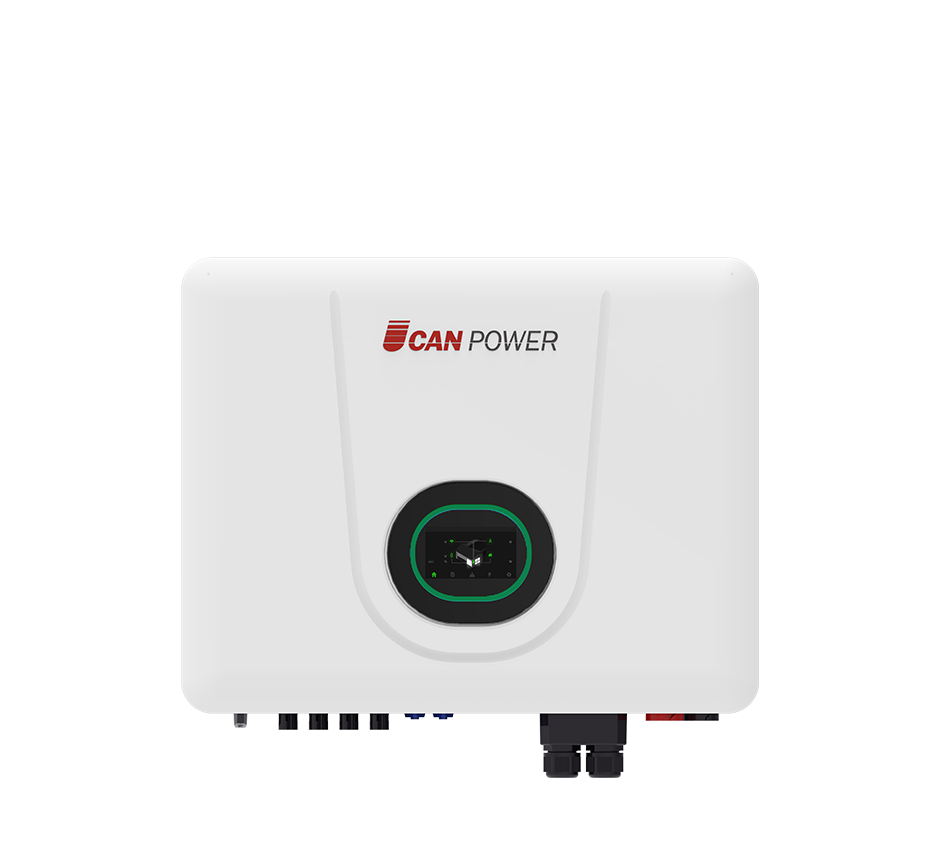
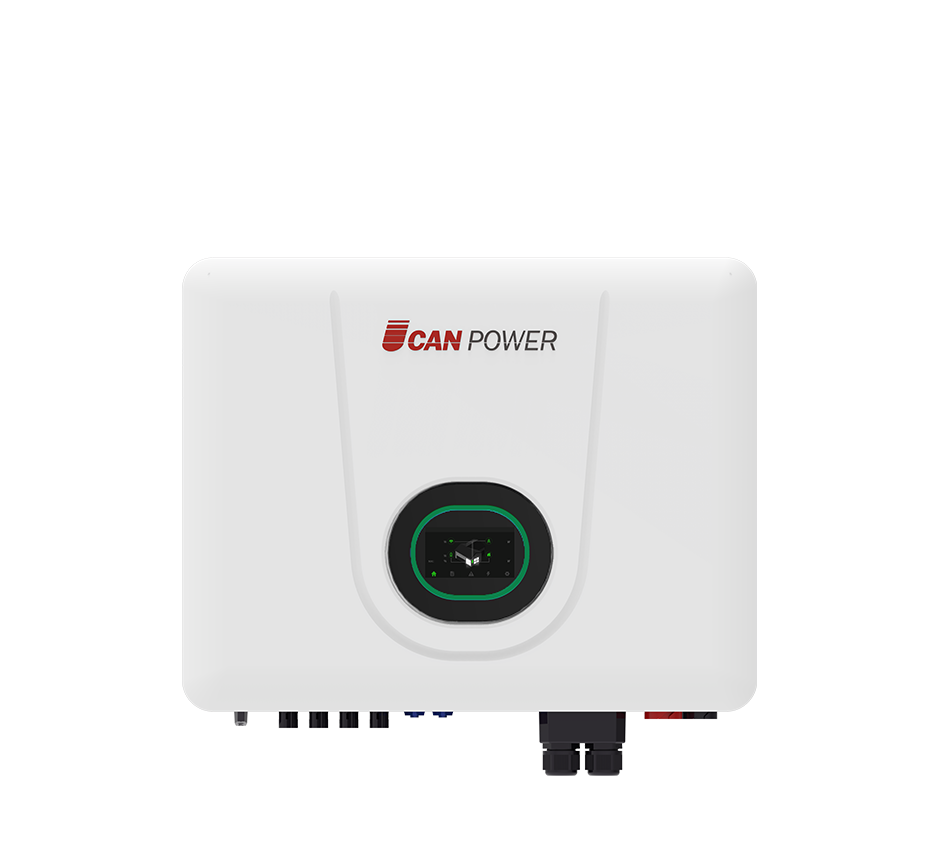
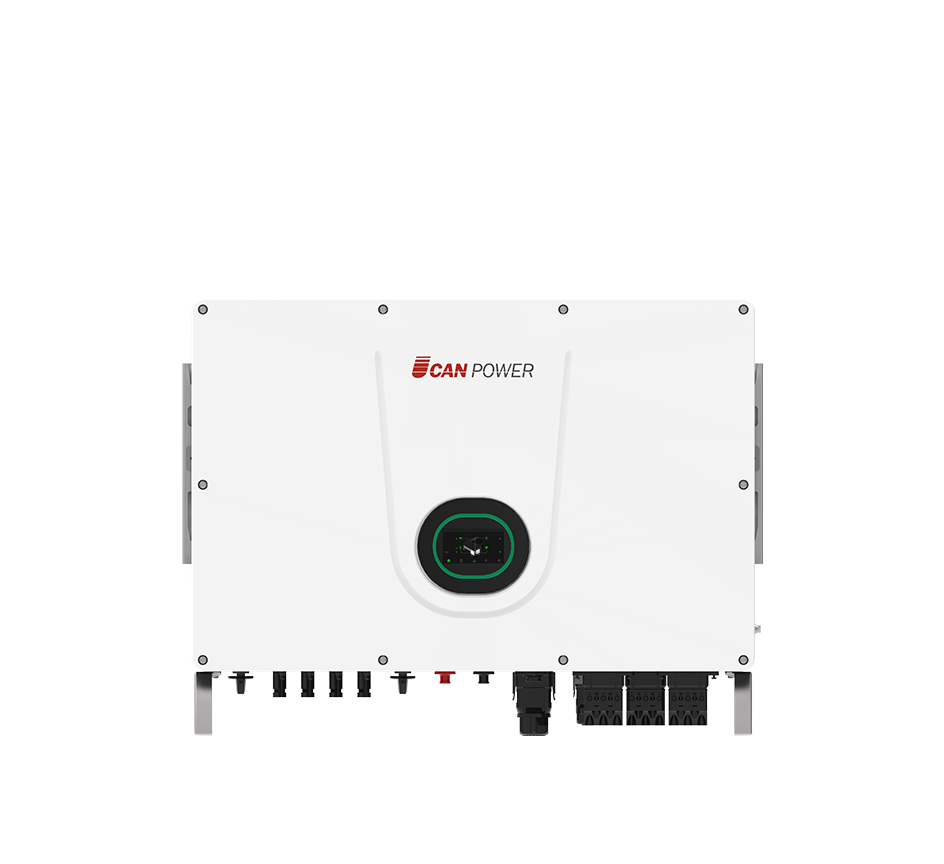
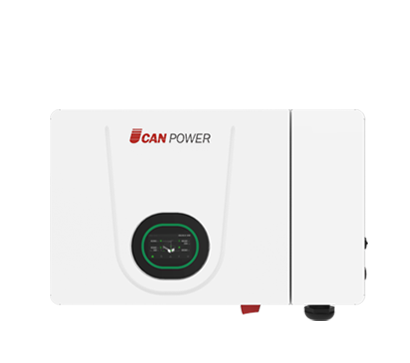
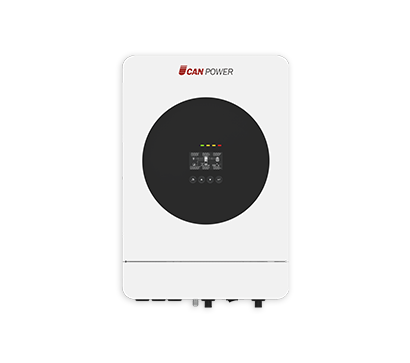
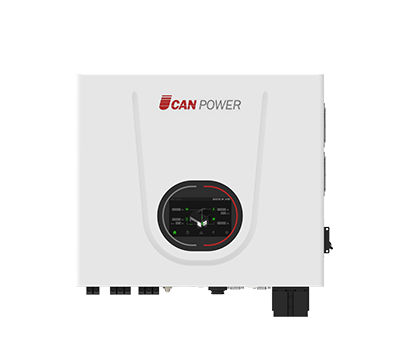
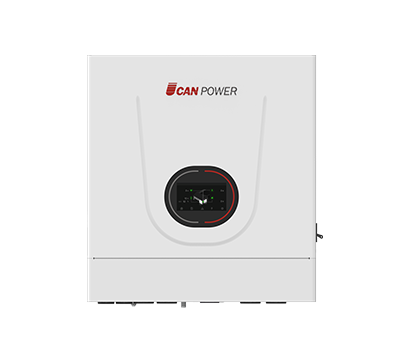
The inverter is an essential component of a residential energy storage system. It is responsible for converting the direct current (DC) power from the solar panels and the battery into alternating current (AC) power for use in the household. When selecting an inverter, homeowners need to consider its power rating, efficiency, and compatibility with the battery and solar panels.
The power rating of the inverter should be sufficient to handle the maximum power output of the solar panels and the battery. A high efficiency inverter can minimize power losses during the conversion process, ensuring that more of the stored energy is available for use. In addition, the inverter should be compatible with the voltage and current characteristics of the battery and solar panels to ensure seamless operation.
4.3 System Integration and Safety
Integrating the solar panels, battery, and inverter into a cohesive system requires careful planning. The electrical connections between the components need to be made correctly to ensure safe and efficient operation. Proper grounding is also essential to protect against electrical faults.
Safety is a top priority in a residential energy storage system. The battery should be installed in a well ventilated area to prevent the build up of potentially explosive gases, especially in the case of lead acid batteries. The BMS, if present, should be configured correctly to monitor and control the battery's operation, protecting it from overcharging, over discharging, and over temperature conditions.
5. Benefits of Residential Energy Storage Systems
5.1 Cost Savings
One of the most significant benefits of a residential energy storage system is the potential for cost savings. By storing excess solar energy and using it during peak hours when electricity prices are high, homeowners can reduce their electricity bills. In addition, some regions offer incentives such as feed in tariffs or net metering, which allow homeowners to sell excess stored energy back to the grid. This can provide an additional source of income for homeowners.
5.2 Backup Power
A residential energy storage system provides reliable backup power during grid outages. This is particularly important for households with medical equipment or other critical loads that require a continuous power supply. In areas prone to natural disasters or with an unreliable grid infrastructure, a battery based energy storage system can ensure that essential appliances like refrigerators, lights, and communication devices continue to operate during an outage.
5.3 Environmental Benefits
Using a residential energy storage system in conjunction with solar panels helps to reduce the reliance on fossil fuel based electricity generation. By storing and using solar energy, homeowners can significantly reduce their carbon footprint. This contributes to the overall goal of mitigating climate change and promoting a more sustainable energy future.
6. Challenges and Limitations of Residential Energy Storage Systems
6.1 High Initial Cost
The initial cost of a residential energy storage system can be a significant barrier for many homeowners. The cost of the battery, inverter, installation, and associated equipment can be quite high. Although the cost of batteries, especially lithium ion batteries, has been decreasing in recent years, it is still a major investment for most households.
6.2 Battery Degradation
All batteries degrade over time, which means their capacity to store energy decreases with use. Factors such as high temperature operation, over charging, and deep discharging can accelerate battery degradation. In a residential energy storage system, this can lead to a reduced ability to store and provide power over the long term. Homeowners need to be aware of the expected lifespan of the battery and plan for its replacement.
6.3 Regulatory and Policy Issues
Regulatory and policy issues can also pose challenges for the adoption of residential energy storage systems. In some regions, there may be complex regulations regarding the installation, operation, and connection of energy storage systems to the grid. These regulations can vary from one jurisdiction to another, making it difficult for homeowners to navigate the process. In addition, some policies may not adequately incentivize the installation of energy storage systems, which can slow down their adoption.
7. Future Outlook for Residential Energy Storage Systems
7.1 Technological Advancements
The future of residential energy storage systems looks promising in terms of technological advancements. In the battery technology domain, research is ongoing to develop batteries with higher energy density, longer cycle life, and lower cost. For example, solid state batteries, which use a solid electrolyte instead of a liquid one, have the potential to offer significant improvements in terms of safety, energy density, and cycle life.
In addition, advancements in inverter technology and energy management systems are expected. More intelligent inverters will be able to optimize the power flow between the solar panels, battery, and the grid, further improving the efficiency of the energy storage system. Energy management systems will become more sophisticated, using artificial intelligence and machine learning algorithms to predict energy consumption and generation patterns and adjust the operation of the system accordingly.
7.2 Market Growth
The market for residential energy storage systems is expected to grow significantly in the coming years. The increasing awareness of environmental issues, the desire for energy independence, and the declining cost of energy storage technologies are the main drivers of this growth. As more homeowners become aware of the benefits of energy storage systems, the demand for these systems is likely to increase.
In addition, government policies and incentives are also playing a role in promoting the adoption of residential energy storage systems. Many countries are implementing subsidies, tax credits, and other incentives to encourage homeowners to install solar panels and energy storage systems. This is expected to further fuel the growth of the market.
7.3 Integration with Smart Homes and the Grid
Residential energy storage systems will increasingly be integrated with smart home technologies and the grid. In a smart home, the energy storage system can communicate with other devices, such as smart thermostats, lighting systems, and appliances. This allows for more efficient energy management, as the system can adjust the operation of these devices based on the available energy storage and solar generation.
On the grid side, residential energy storage systems can participate in grid support services more actively. They can be part of virtual power plants, where multiple residential energy storage systems are aggregated and controlled to provide grid scale services such as frequency regulation and peak shaving. This integration with the grid and smart home technologies will enhance the overall value and functionality of residential energy storage systems.
In conclusion, residential energy storage systems offer a viable solution for homeowners to make the most of solar energy, achieve energy independence, and contribute to a more sustainable energy future. Despite the current challenges, the continuous technological advancements and the growing market demand are likely to overcome these hurdles, making residential energy storage systems a more common and accessible option in the years to come.




 German
 Italian
 Japanese
 Global (English)
 Chinese
 Spanish
 French


