I. Introduction
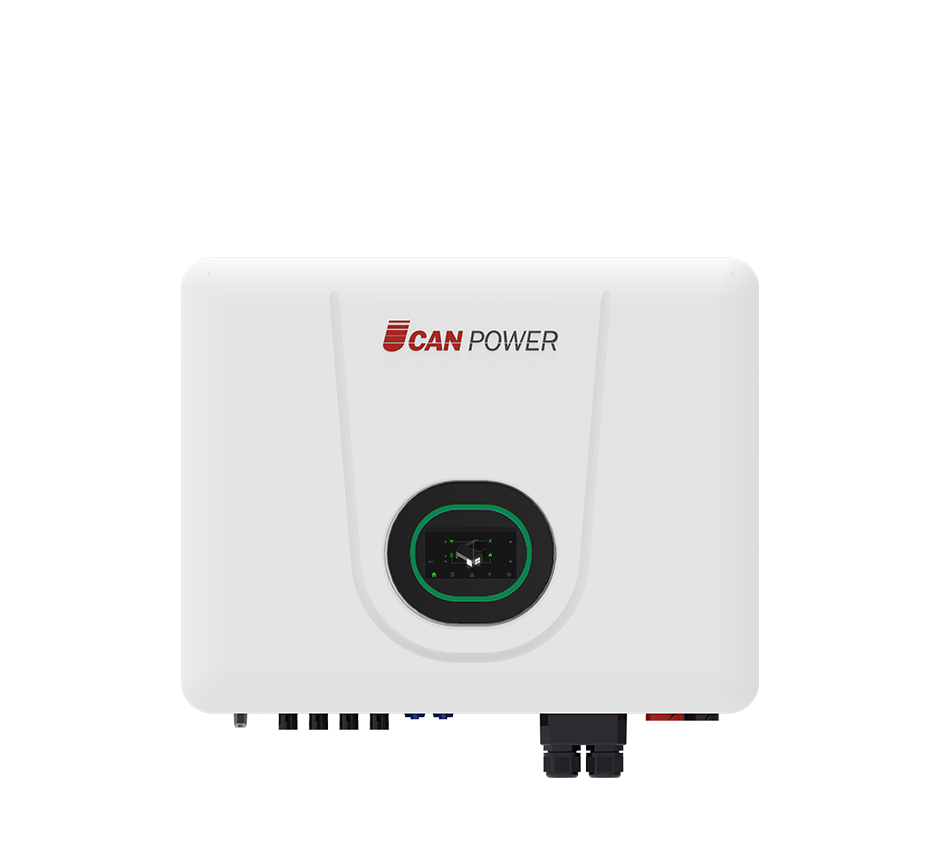
These inverters are not just simple devices for converting electrical energy; they are sophisticated systems that integrate advanced technologies to optimize energy flow, enhance grid stability, and enable a smarter and more flexible energy ecosystem.
II. Understanding Smart Energy Inverters
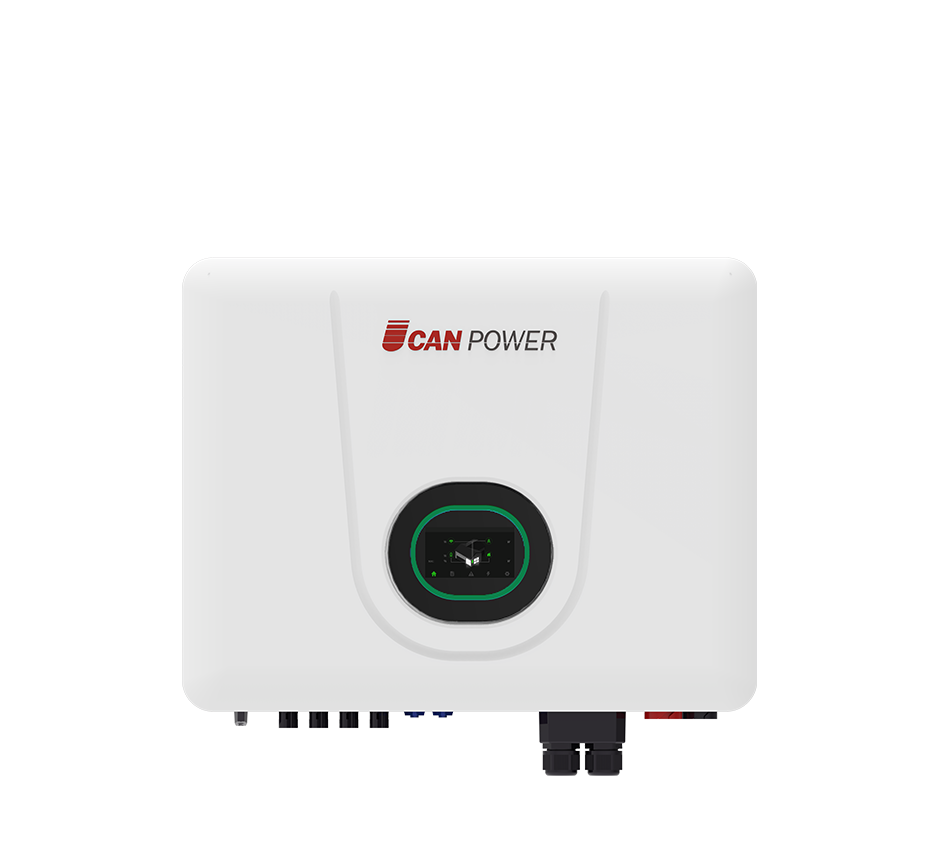
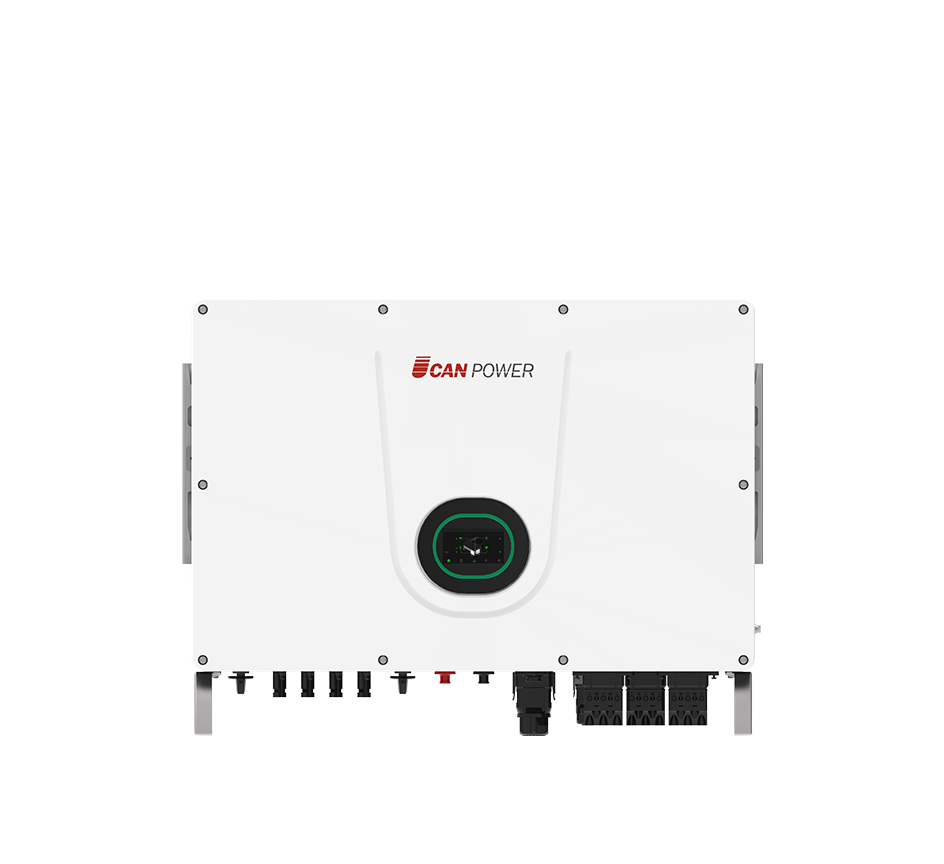
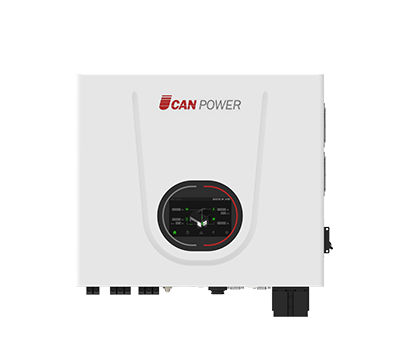
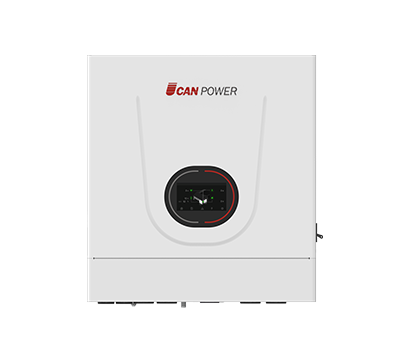
A smart energy inverter is a device that converts direct current (DC) electricity, typically from sources such as solar panels, batteries, or fuel cells, into alternating current (AC) that can be used in homes, businesses, and the electrical grid. However, what sets them apart from traditional inverters is their intelligent capabilities.
They are equipped with sensors, communication modules, and control algorithms that allow them to monitor and respond to changes in energy supply and demand in real-time. This enables them to adjust the output power, frequency, and voltage precisely to meet the requirements of the connected loads and the grid.
III. Key Features and Functions of Smart Energy Inverters
Advanced Monitoring and Control
Smart inverters provide detailed real-time monitoring of various parameters such as power output, energy consumption, voltage levels, and current flow. This data is accessible via a user-friendly interface or a cloud-based platform, allowing for remote monitoring and control.
For instance, homeowners can monitor the performance of their solar panels and battery storage system from their smartphones and make adjustments accordingly.
Grid Interaction and Support
They can communicate with the grid to provide essential services such as reactive power compensation, frequency regulation, and voltage support. This helps maintain grid stability and improves the overall quality of the power supply.
In some cases, smart inverters can even participate in demand response programs where they adjust the energy output based on signals from the grid operator to balance supply and demand.
Energy Storage Integration
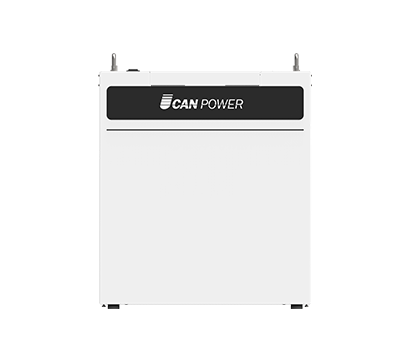
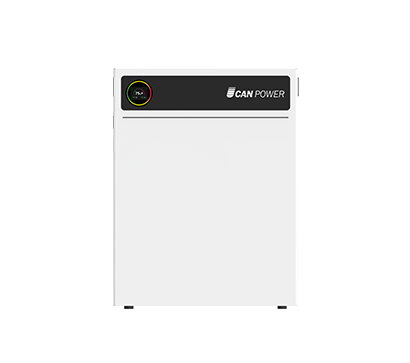
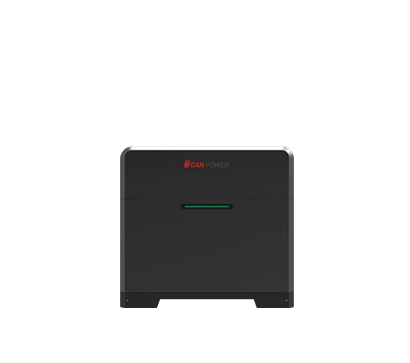
When combined with energy storage systems like batteries, smart inverters manage the charging and discharging processes intelligently. They ensure that the stored energy is utilized efficiently, for example, during peak demand periods or power outages.
A home with a solar panel array and a battery storage system equipped with a smart inverter can operate independently from the grid for extended periods.
Optimization of Energy Generation and Consumption
By analyzing historical and real-time data, smart inverters can optimize the energy generation from renewable sources based on weather conditions and load patterns. They also ensure that energy is consumed efficiently within the premises, minimizing waste.
Fault Detection and Diagnostics
These inverters have built-in fault detection mechanisms that can identify issues such as component failures, wiring problems, or abnormal operating conditions. They send alerts and diagnostic information to facilitate prompt maintenance and minimize downtime.
IV. Types of Smart Energy Inverters
Solar Smart Inverters
Specifically designed for solar photovoltaic (PV) systems, these inverters optimize the output of solar panels and handle the integration with the grid and energy storage.
Examples include Enphase IQ series inverters that offer microinverter technology for individual panel optimization in solar arrays.
Battery Smart Inverters
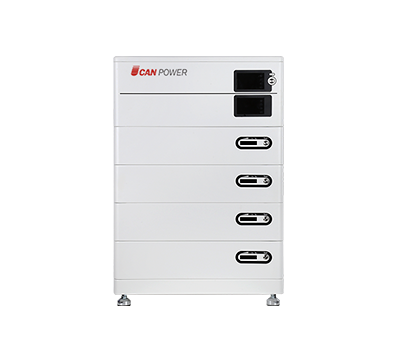
These are tailored for battery-based energy storage systems, ensuring safe and efficient charging and discharging while interacting with the grid and loads.
The Tesla Powerwall inverter is a well-known example that works seamlessly with the Tesla battery to provide backup power and grid services.
Hybrid Smart Inverters
Hybrid inverters combine the functionality of solar and battery inverters, allowing for a seamless integration of both renewable generation and energy storage in a single unit.
The SMA Sunny Island hybrid inverter is capable of managing multiple energy sources and loads simultaneously.
V. Benefits of Smart Energy Inverter Solutions
Energy Efficiency and Cost Savings
By optimizing energy generation, consumption, and storage, smart inverters can significantly reduce energy waste and lower electricity bills.
A business that implements a smart energy inverter system in its solar-powered facility can expect to see a substantial reduction in energy costs over time.
Grid Reliability and Resilience
Their ability to support the grid and provide backup power during outages enhances the reliability and resilience of the electrical grid, especially in areas prone to power disruptions.
Communities equipped with smart inverter-enabled microgrids can continue to operate smoothly during major grid failures.
Environmental Sustainability
Promoting the use of renewable energy sources and efficient energy management, smart inverters contribute to reducing carbon emissions and mitigating the impact of energy generation on the environment.
A large-scale deployment of smart solar inverters can lead to a significant decrease in the reliance on fossil fuel-based power plants.
Flexibility and Scalability
VI. Challenges and Limitations of Smart Energy Inverters
Initial Cost
The advanced features and technologies incorporated in smart inverters often result in a higher upfront cost compared to conventional inverters. However, the long-term benefits and savings can outweigh this initial investment.
The cost of a high-quality smart solar inverter can be several times that of a basic inverter, which may pose a barrier for some consumers.
Complexity and Technical Expertise
Installing and maintaining smart inverter systems may require a certain level of technical expertise and knowledge. This can pose challenges for some users, especially in the absence of proper training and support.
Troubleshooting and software updates may be more complicated compared to traditional inverters, requiring professional assistance.
Compatibility and Interoperability
Ensuring compatibility between different components of the energy system, such as solar panels, batteries, and the grid infrastructure, can be a challenge. Interoperability standards are still evolving in the industry.
Mixing and matching products from different manufacturers may lead to compatibility issues and suboptimal performance.
Cybersecurity Risks
The connected and intelligent nature of smart inverters makes them vulnerable to cyberattacks. Protecting the inverter systems and the associated data from unauthorized access and manipulation is crucial.
A cyberattack on a smart inverter could potentially disrupt the energy supply or compromise the privacy of energy consumption data.
VII. Market Trends and Future Outlook
Growing Demand and Market Expansion
The demand for smart energy inverters is expected to grow rapidly in the coming years, driven by the increasing adoption of renewable energy, energy storage, and the need for smarter grid management.
According to market research, the global smart inverter market is projected to reach a significant value by [forecasted year].
Technological Advancements
Ongoing research and development efforts are focused on improving the efficiency, power density, and functionality of smart inverters. Advancements such as wide-bandgap semiconductors and artificial intelligence-based control algorithms are expected to revolutionize the industry.
New inverter designs will offer higher performance, smaller form factors, and enhanced reliability.
Policy and Regulatory Support
Governments worldwide are implementing policies and regulations to promote the deployment of smart energy solutions, including incentives for the installation of smart inverters and the development of grid-friendly technologies.
In some regions, utilities are mandating the use of certain smart inverter features to ensure grid stability and compliance.
Integration with Emerging Technologies
Smart inverters are likely to integrate with other emerging technologies such as the Internet of Things (IoT), blockchain, and electric vehicles to create more comprehensive and integrated energy ecosystems.
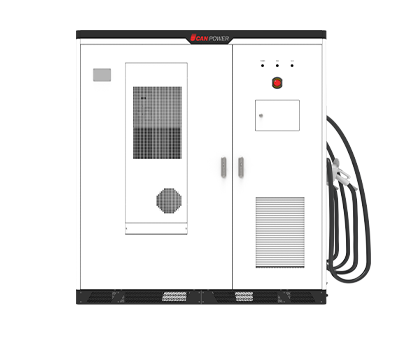
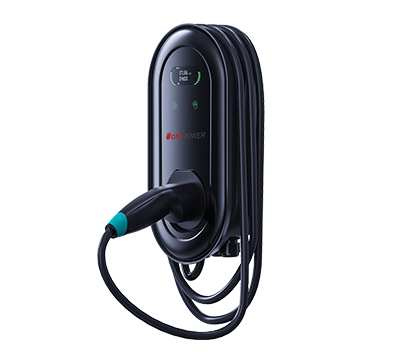
For example, EV charging stations could be integrated with smart inverter systems to manage the charging process based on the available energy and grid conditions.
VIII. Case Studies of Successful Smart Energy Inverter Deployments
Residential Community with Solar and Battery Storage
A residential community installed a solar PV system with battery storage and smart inverters. The inverters managed the energy flow between the solar panels, batteries, and the grid, allowing residents to achieve significant energy independence and cost savings.
During peak sunlight hours, the excess solar energy was stored in the batteries, and at night or during high-demand periods, the stored energy was used, reducing the reliance on the grid.
Industrial Facility with Grid-Tied Solar and Smart Inverters
An industrial facility implemented a large-scale solar PV system with smart inverters. The inverters enabled the facility to participate in the grid's demand response program, earning revenue by reducing its energy consumption during peak times.
The real-time monitoring and control features of the smart inverters also helped the facility identify and address energy efficiency improvement opportunities, resulting in further cost savings.
IX. Conclusion
Smart energy inverter solutions represent a significant advancement in the field of energy management, offering a plethora of benefits for both individual consumers and the larger electrical grid. While there are challenges to overcome, the continuous technological progress, supportive policies, and growing market demand are driving the widespread adoption of these intelligent devices.
As we move towards a more sustainable and resilient energy future, smart inverters will play a crucial role in optimizing the use of renewable energy sources, enhancing grid stability, and enabling a seamless transition to a cleaner and smarter energy landscape. By embracing these innovative solutions, we can take significant steps towards achieving our energy and environmental goals.
It is essential for stakeholders, including manufacturers, installers, policymakers, and end-users, to collaborate and work towards addressing the challenges and maximizing the potential of smart energy inverter technologies. Through informed decision-making and strategic investments, we can unlock the full potential of these solutions and create a more energy-efficient and sustainable world for generations to come.





 German
 Italian
 Japanese
 Global (English)
 Chinese
 Spanish
 French