

I. Introduction
In today's rapidly evolving energy landscape, smart energy inverter solutions are playing a crucial role in enabling the efficient generation, distribution, and consumption of electricity. These advanced inverters are designed to integrate seamlessly with renewable energy sources such as solar panels and wind turbines, as well as with the electrical grid and energy storage systems. By providing intelligent control and optimization capabilities, smart energy inverters are helping to drive the transition towards a more sustainable and decentralized energy future.
The importance of smart energy inverter solutions lies in their ability to address some of the key challenges facing the modern energy industry. These challenges include the intermittent nature of renewable energy sources, the need for grid stability and reliability, and the growing demand for energy efficiency and cost savings. Smart energy inverters offer a range of features and functionalities that can help overcome these challenges, making them an essential component of any modern energy system.
II. Components and Functionality of Smart Energy Inverters
Power Conversion
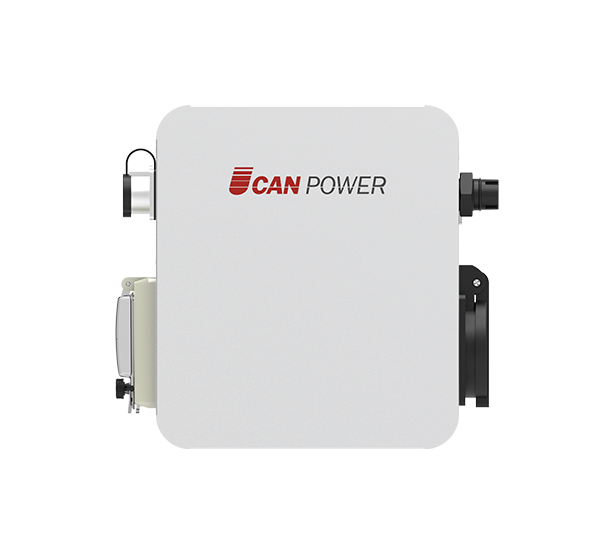
At the core of a smart energy inverter is its power conversion function. This involves converting the direct current (DC) electricity generated by renewable energy sources such as solar panels or wind turbines into alternating current (AC) electricity that can be used to power homes, businesses, and the electrical grid.
Smart energy inverters are typically designed to handle a wide range of input voltages and power levels, allowing them to be compatible with different types of renewable energy systems. They also employ advanced power conversion technologies such as pulse-width modulation (PWM) and multi-level conversion to achieve high efficiency and low harmonic distortion.
Intelligent Control
Smart energy inverters are equipped with intelligent control systems that enable them to optimize their performance and adapt to changing operating conditions. These control systems use sensors and algorithms to monitor various parameters such as voltage, current, power, and temperature, and adjust the inverter's operation accordingly.
For example, smart inverters can automatically adjust their output power to match the available solar or wind energy, maximizing the energy yield of the renewable energy system. They can also respond to grid signals and adjust their power output to help maintain grid stability and reliability.
Communication and Connectivity
Another important feature of smart energy inverters is their communication and connectivity capabilities. These inverters can be connected to the internet or a local network, allowing them to communicate with other devices and systems in the energy ecosystem.
Through communication protocols such as Modbus, Ethernet, or Wi-Fi, smart inverters can exchange data with energy management systems, smart meters, and other devices. This enables real-time monitoring and control of the inverter's operation, as well as integration with advanced energy management strategies such as demand response and peak shaving.
Energy Storage Integration
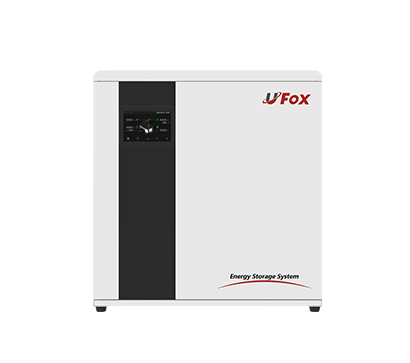
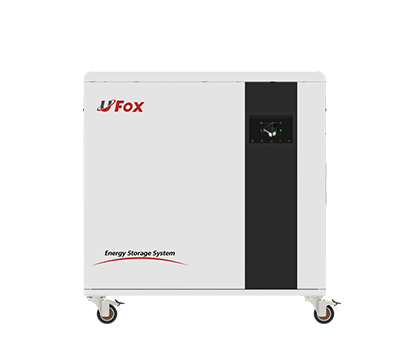
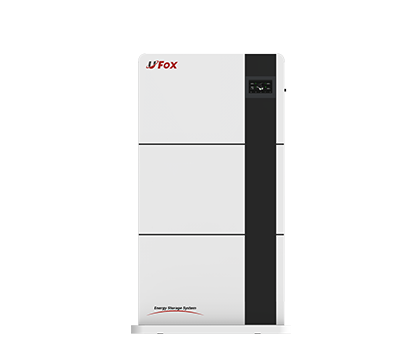
Many smart energy inverters are designed to integrate with energy storage systems such as batteries. This allows for the storage of excess renewable energy for later use, providing backup power during grid outages, and enabling peak shaving and load shifting.
Smart inverters can manage the charging and discharging of the energy storage system, ensuring that it is operated safely and efficiently. They can also coordinate with the grid and other energy sources to optimize the use of stored energy and minimize energy costs.
III. Benefits of Smart Energy Inverter Solutions
Increased Energy Efficiency
Smart energy inverters can significantly improve the energy efficiency of renewable energy systems. By using advanced power conversion technologies and intelligent control algorithms, these inverters can minimize energy losses and maximize the output power of solar panels and wind turbines.
Additionally, smart inverters can optimize the use of energy storage systems, reducing the need for grid power during peak demand periods and lowering overall energy consumption. This can result in significant savings on electricity bills and a reduced carbon footprint.
Enhanced Grid Stability and Reliability
The integration of smart energy inverters with the electrical grid can help improve grid stability and reliability. These inverters can respond to grid signals and adjust their power output to help maintain voltage and frequency within acceptable limits.
In the event of a grid outage, smart inverters with energy storage integration can provide backup power, ensuring that critical loads are maintained. This can help to reduce the impact of power outages and improve the resilience of the electrical grid.
Flexibility and Scalability
Smart energy inverter solutions offer a high degree of flexibility and scalability. They can be easily integrated with different types of renewable energy systems and energy storage technologies, allowing for customized configurations to meet the specific needs of different applications.
Whether it's a small residential solar installation or a large-scale commercial wind farm, smart inverters can be scaled up or down to match the power requirements of the system. This makes them suitable for a wide range of applications and enables easy expansion as the energy needs of a building or community grow.
Advanced Monitoring and Control
With their communication and connectivity capabilities, smart energy inverters provide advanced monitoring and control options. Users can access real-time data on the performance of their renewable energy system and energy storage system through a web-based interface or mobile app.
This allows for proactive maintenance and troubleshooting, as well as the ability to optimize energy usage and cost savings. Additionally, smart inverters can be integrated with energy management systems to automate energy consumption and generation, further enhancing energy efficiency and convenience.
IV. Applications of Smart Energy Inverter Solutions
Residential Solar Power Systems
Smart energy inverters are widely used in residential solar power systems. They enable homeowners to generate their own electricity from solar panels and feed excess power back to the grid, reducing their electricity bills and carbon footprint.
In addition to power conversion, smart inverters for residential applications often include features such as islanding protection, which automatically disconnects the solar system from the grid in the event of a power outage to prevent backfeeding and ensure the safety of utility workers. They may also offer energy monitoring and reporting functions to help homeowners track their energy production and consumption.
Commercial and Industrial Solar Installations
Smart energy inverters are also essential for commercial and industrial solar installations. These larger-scale systems require inverters with higher power ratings and advanced features to handle the increased electrical loads and complex grid requirements.
For example, commercial and industrial smart inverters may include features such as reactive power control, which helps to maintain grid stability by compensating for reactive power demand. They may also be integrated with building management systems to optimize energy usage and reduce peak demand charges.
Wind Energy Systems
Smart energy inverters are used in wind energy systems to convert the variable-frequency AC output of wind turbines into grid-compliant electricity. These inverters must be able to handle the high power levels and dynamic nature of wind power generation.
Similar to solar inverters, wind energy inverters may include intelligent control features to optimize power output and respond to grid conditions. They may also be designed for harsh environmental conditions and require rugged construction to withstand the elements.
Microgrids and Off-Grid Systems
Smart energy inverters play a crucial role in microgrids and off-grid systems. These systems often combine renewable energy sources, energy storage, and backup generators to provide reliable power in areas where the grid is unavailable or unreliable.
Smart inverters in microgrids can manage the flow of power between different sources and loads, ensuring stable voltage and frequency. They can also coordinate with energy storage systems to provide backup power during outages and optimize the use of renewable energy. In off-grid systems, smart inverters are essential for converting the DC power from renewable energy sources and batteries into AC power for use by electrical appliances.
V. Future Trends in Smart Energy Inverter Solutions
Increased Integration with Digital Technologies
As the energy industry becomes more digitalized, smart energy inverters are expected to integrate with a wider range of digital technologies. This includes the use of artificial intelligence (AI) and machine learning algorithms to optimize inverter performance and predict maintenance needs.
Inverters may also be integrated with blockchain technology to enable secure and transparent energy transactions in peer-to-peer energy markets. Additionally, the Internet of Things (IoT) will continue to play a major role in connecting smart inverters with other devices and systems in the energy ecosystem, enabling seamless communication and control.
Higher Power Ratings and Efficiency
With the growing demand for renewable energy and the need for larger-scale installations, smart energy inverters will need to offer higher power ratings and increased efficiency. This will require the development of advanced power conversion technologies and materials that can handle higher voltages and currents while minimizing energy losses.
Manufacturers are also likely to focus on improving the reliability and durability of high-power inverters to ensure long-term performance in demanding applications.
Enhanced Grid Services
Smart energy inverters are expected to play an even greater role in providing grid services such as voltage support, frequency regulation, and power quality improvement. As the grid becomes more decentralized and reliant on renewable energy, inverters will need to be able to respond quickly to grid signals and provide these services in real time.
This will require the development of advanced control algorithms and communication protocols that enable seamless integration with the grid. Additionally, regulatory frameworks may need to be updated to incentivize the provision of grid services by smart inverters.
Integration with Energy Storage and Electric Vehicles
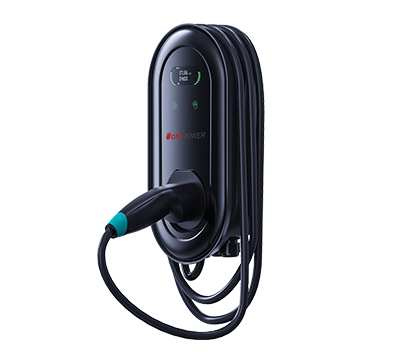
The integration of smart energy inverters with energy storage systems and electric vehicles is expected to become more widespread. This will enable the seamless transfer of energy between different sources and loads, providing greater flexibility and reliability in the energy system.
For example, smart inverters can be used to charge electric vehicles during periods of low energy demand and discharge the battery back to the grid or to power a home during peak demand periods. This integration will require the development of standardized communication protocols and interoperability standards to ensure seamless operation.
VI. Conclusion
Smart energy inverter solutions are transforming the energy landscape by enabling the efficient generation, distribution, and consumption of electricity. These advanced inverters offer a range of benefits, including increased energy efficiency, enhanced grid stability and reliability, flexibility and scalability, and advanced monitoring and control. With their integration with digital technologies, higher power ratings and efficiency, enhanced grid services, and integration with energy storage and electric vehicles, smart energy inverters are poised to play an even greater role in the future of the energy industry. As the world continues to transition towards a more sustainable and decentralized energy future, smart energy inverter solutions will be essential in enabling the widespread adoption of renewable energy and the creation of a more resilient and efficient energy system.




 German
 Italian
 Japanese
 Global (English)
 Chinese
 Spanish
 French


