

I. Introduction
In the pursuit of a sustainable future, solar energy has emerged as one of the most promising sources of clean and renewable power. As the demand for solar power systems continues to grow, so does the need for advanced and intelligent solar inverters. Smart solar inverters offer a wide range of features and capabilities that enhance the performance, efficiency, and reliability of solar installations. In this comprehensive article, we will explore the various smart solar inverter options available in the market and their benefits.
II. What are Smart Solar Inverters?
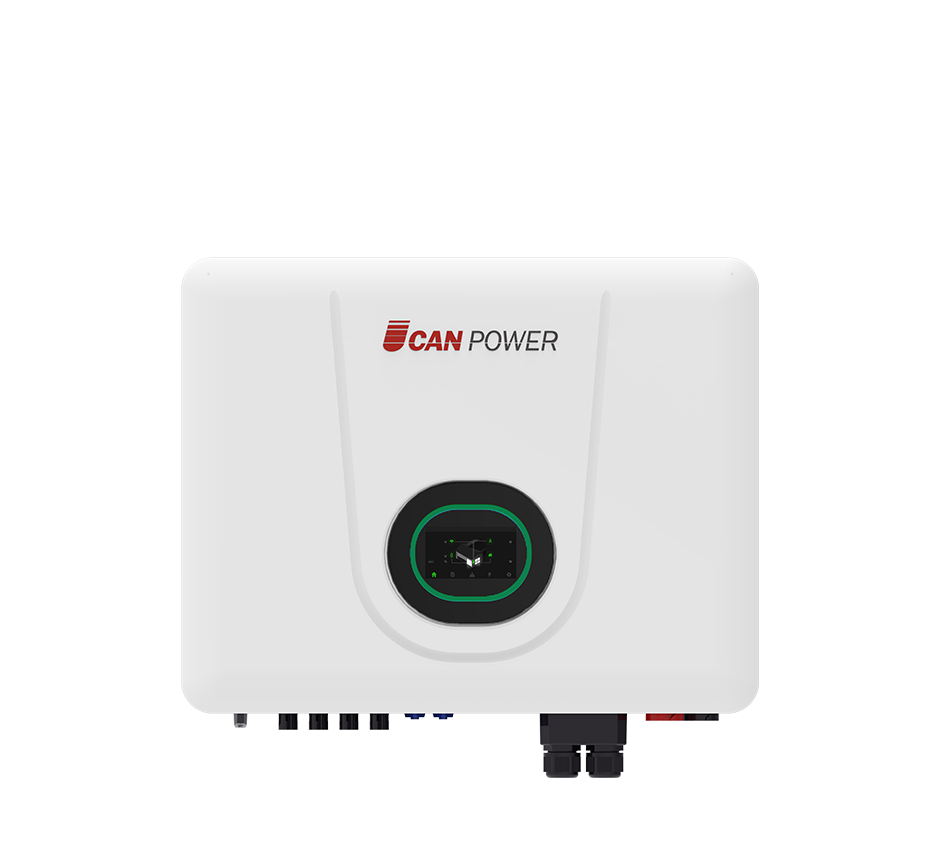
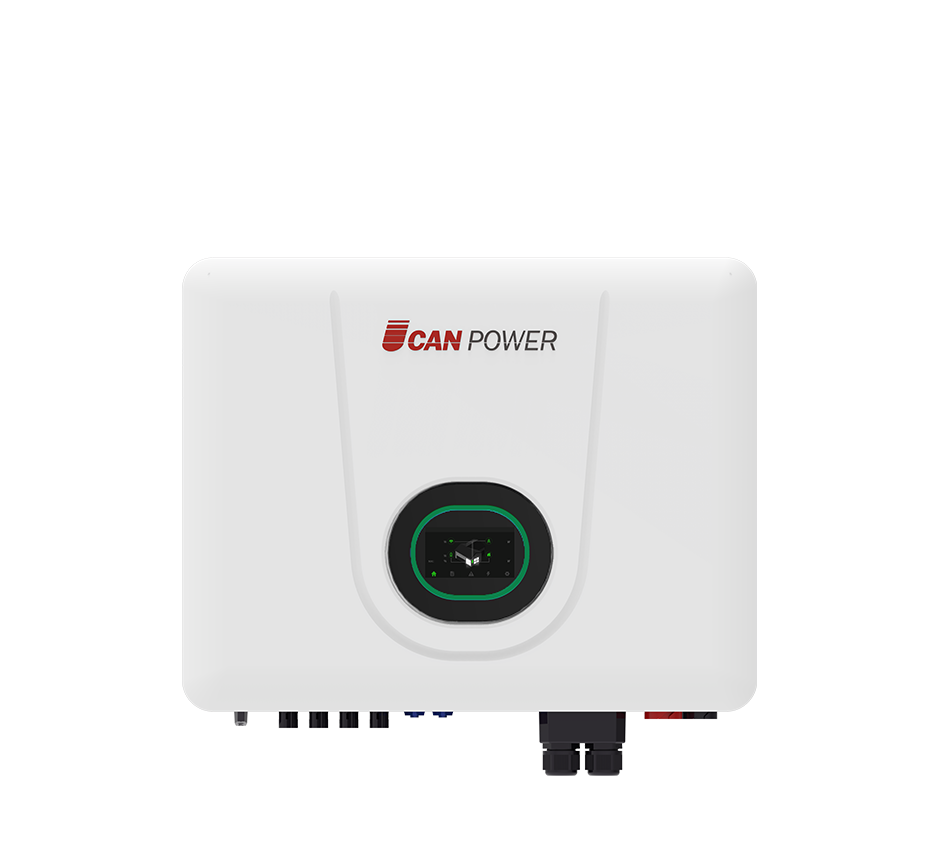
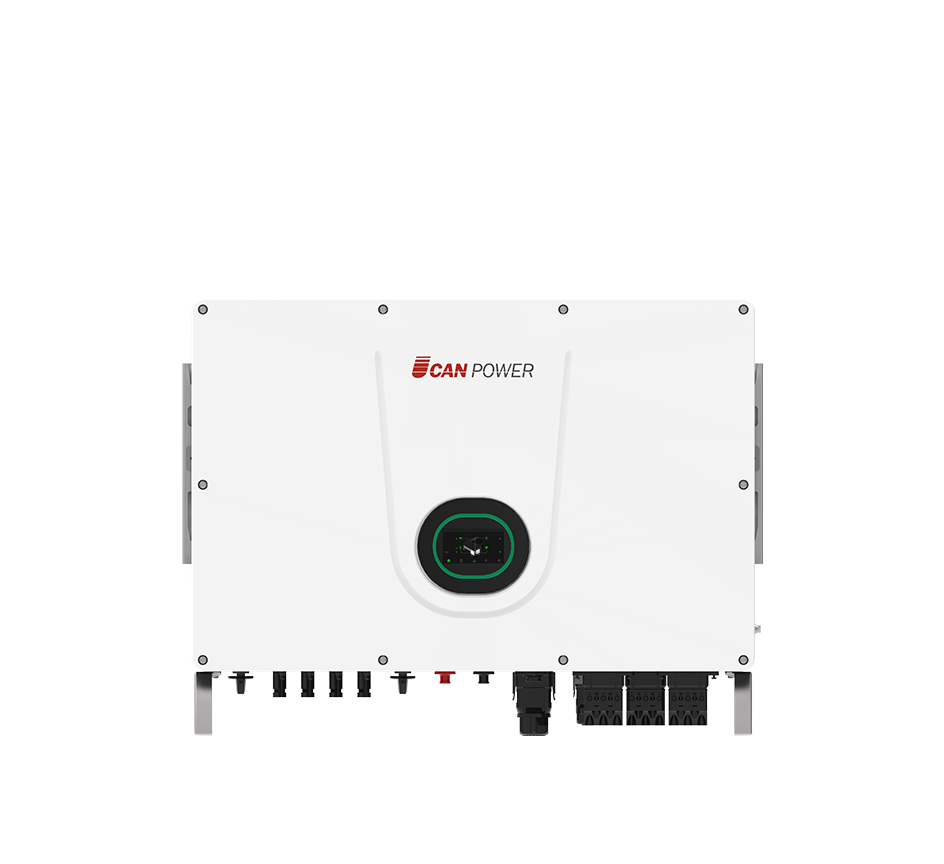
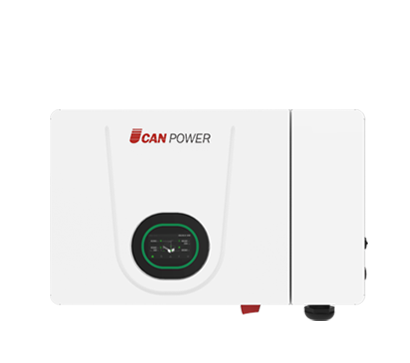
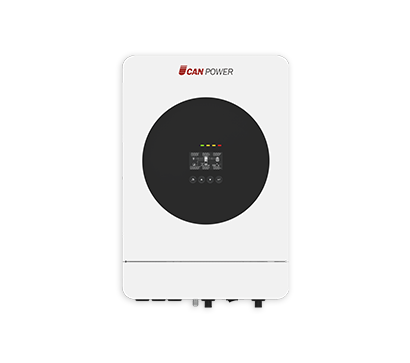
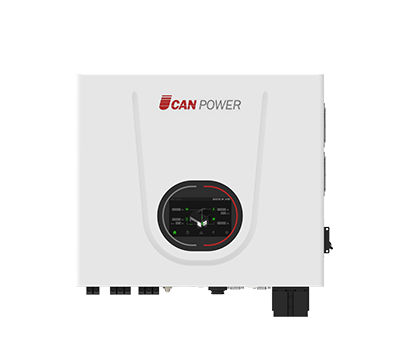
A smart solar inverter is a device that converts the direct current (DC) electricity generated by solar panels into alternating current (AC) electricity that can be used to power homes, businesses, and the grid. Unlike traditional solar inverters, smart inverters are equipped with advanced technologies and features that enable them to communicate with other components of the solar system, monitor energy production and consumption, and optimize system performance.
Some of the key features of smart solar inverters include:
Monitoring and Communication: Smart inverters can monitor the performance of solar panels, batteries, and other components of the solar system in real-time. They can also communicate with smart meters, energy management systems, and the grid to provide valuable data on energy production and consumption.
Maximum Power Point Tracking (MPPT): MPPT technology allows smart inverters to continuously adjust the voltage and current from solar panels to maximize power output. This results in higher energy production and efficiency.
Grid Interaction: Smart inverters can interact with the grid in various ways, such as exporting excess power, importing power when needed, and providing grid support services.
Remote Monitoring and Control: Many smart inverters offer remote monitoring and control capabilities, allowing users to access system data and make adjustments from anywhere using a smartphone or computer.
Safety and Protection: Smart inverters are equipped with safety features such as overvoltage protection, overcurrent protection, and ground fault protection to ensure the safety of the solar system and its users.
III. Types of Smart Solar Inverters
There are several types of smart solar inverters available in the market, each with its own unique features and capabilities. The main types of smart solar inverters include:
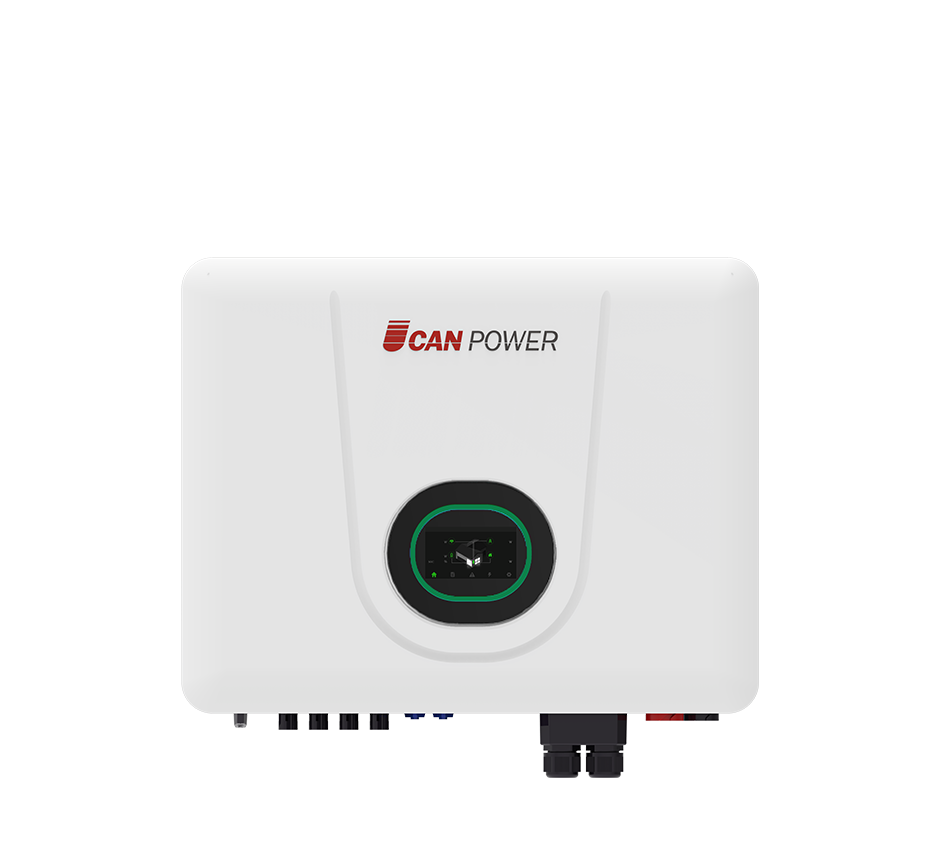
String Inverters: String inverters are the most common type of solar inverter and are suitable for small to medium-sized solar installations. They connect multiple solar panels in series (a string) and convert the DC power from the string into AC power. String inverters are relatively inexpensive and easy to install, but they may not be as efficient as other types of inverters in some situations.
Microinverters: Microinverters are installed on each individual solar panel and convert the DC power from the panel into AC power. Microinverters offer several advantages over string inverters, including higher efficiency, better shade tolerance, and easier installation and maintenance. However, they are more expensive than string inverters.
Power Optimizers: Power optimizers are devices that are installed between solar panels and the inverter. They optimize the power output of each panel by adjusting the voltage and current to match the characteristics of the panel. Power optimizers can improve the performance of solar systems with shading issues or panels with different orientations.
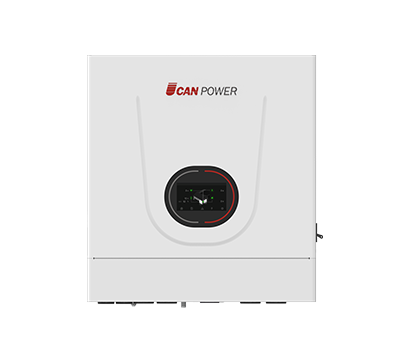
Hybrid Inverters: Hybrid inverters are designed to work with both solar panels and batteries. They can convert DC power from solar panels and batteries into AC power and also charge batteries when excess power is available. Hybrid inverters offer the flexibility of using solar power during the day and battery power at night or during power outages.
IV. Benefits of Smart Solar Inverters
Smart solar inverters offer several benefits over traditional solar inverters, including:
Increased Energy Production: Smart inverters with MPPT technology can maximize the power output from solar panels, resulting in higher energy production. Additionally, features such as shade tolerance and panel-level monitoring can further increase energy production in systems with shading issues or panels with different orientations.
Improved Efficiency: Smart inverters are more efficient than traditional inverters, reducing power losses and increasing the overall efficiency of the solar system. This can lead to significant savings on electricity bills over time.
Grid Interaction and Support: Smart inverters can interact with the grid in various ways, such as exporting excess power, importing power when needed, and providing grid support services. This helps to stabilize the grid and reduce the need for expensive grid upgrades.
Remote Monitoring and Control: Remote monitoring and control capabilities allow users to access system data and make adjustments from anywhere, providing greater convenience and peace of mind. Users can also receive alerts and notifications in case of system issues, enabling timely troubleshooting and maintenance.
Enhanced Safety and Reliability: Smart inverters are equipped with safety features such as overvoltage protection, overcurrent protection, and ground fault protection, ensuring the safety of the solar system and its users. Additionally, features such as remote monitoring and diagnostics can help detect and resolve issues before they become major problems, improving the reliability of the system.
V. Choosing the Right Smart Solar Inverter
When choosing a smart solar inverter, there are several factors to consider, including:
System Size and Power Requirements: The size and power requirements of your solar system will determine the type and capacity of inverter you need. Consider the total number of solar panels, their wattage, and the expected energy production to choose an inverter that can handle your system's power output.
Features and Capabilities: Consider the features and capabilities that are important to you, such as MPPT technology, grid interaction, remote monitoring, and safety features. Choose an inverter that offers the features you need to optimize the performance and reliability of your solar system.
Brand and Reputation: Choose a reputable brand with a proven track record of quality and reliability. Read reviews and ask for recommendations from other solar installers or users to ensure you are choosing a reliable and high-quality inverter.
Cost: Smart solar inverters can vary significantly in price, depending on their features and capabilities. Consider your budget and the long-term savings and benefits of investing in a high-quality inverter. Don't just choose the cheapest option, as it may not offer the performance and reliability you need.
Installation and Maintenance: Consider the ease of installation and maintenance of the inverter. Some inverters may require professional installation, while others are designed for DIY installation. Additionally, consider the availability of technical support and warranty coverage in case of issues.
VI. Installation and Maintenance of Smart Solar Inverters
The installation of smart solar inverters typically requires the expertise of a professional solar installer. The installer will ensure that the inverter is properly sized and configured for your solar system and that all electrical connections are made safely and correctly.
Once installed, smart solar inverters require minimal maintenance. However, it is important to periodically check the inverter for any signs of damage or malfunction. This can include inspecting the inverter's display for error messages, checking the electrical connections, and cleaning the inverter's cooling fans if necessary.
Some smart inverters may also require software updates to ensure optimal performance and compatibility with new technologies. Check with the manufacturer for information on available software updates and follow their instructions for installing them.
VII. Future Trends in Smart Solar Inverter Technology
The field of smart solar inverter technology is constantly evolving, with new features and capabilities being developed to meet the growing demand for renewable energy. Some of the future trends in smart solar inverter technology include:
Increased Integration with Energy Storage: As the use of energy storage systems such as batteries becomes more widespread, smart solar inverters will become more integrated with these systems. This will enable seamless power management between solar panels, batteries, and the grid, providing greater flexibility and reliability.
Advanced Grid Interaction: Smart inverters will play an increasingly important role in grid stability and management. Future inverters will be able to provide more advanced grid support services, such as voltage regulation, frequency control, and demand response.
Artificial Intelligence and Machine Learning: Smart inverters will incorporate artificial intelligence and machine learning algorithms to optimize system performance and predict maintenance needs. These algorithms will be able to analyze large amounts of data from the solar system and make intelligent decisions to maximize energy production and reliability.
Wireless Communication: Wireless communication technologies such as Wi-Fi and Bluetooth will become more common in smart solar inverters, enabling easier installation and remote monitoring. This will also allow for seamless integration with other smart home devices and energy management systems.
Modular and Scalable Designs: Smart solar inverters will become more modular and scalable, allowing for easy expansion and customization of solar systems. This will enable users to start with a small system and add more panels and inverters as their energy needs grow.
VIII. Conclusion
Smart solar inverters are an essential component of modern solar power systems, offering a wide range of features and capabilities that enhance the performance, efficiency, and reliability of solar installations. With their advanced technologies and intelligent features, smart inverters are revolutionizing the way we generate and use solar energy. When choosing a smart solar inverter, it is important to consider your system's size, power requirements, features, and budget. Additionally, proper installation and maintenance are crucial to ensure the long-term performance and reliability of your solar system. As the field of smart solar inverter technology continues to evolve, we can expect to see even more advanced and innovative features in the future, making solar energy an even more attractive and sustainable source of power.




 German
 Italian
 Japanese
 Global (English)
 Chinese
 Spanish
 French


