

Introduction
In today's era of growing environmental consciousness and the pursuit of sustainable energy solutions, solar power has emerged as a frontrunner. At the heart of a solar power system lies the solar inverter, a crucial component that converts the direct current (DC) generated by solar panels into alternating current (AC) that can be used to power homes, businesses, and even feed back into the grid. Smart solar inverters take this functionality a step further, offering advanced features and capabilities that enhance the efficiency, reliability, and overall performance of solar power systems. This article will explore the various smart solar inverter options available in the market, their features, benefits, and considerations for choosing the right one for your specific needs.
I. Types of Smart Solar Inverters
A. String Inverters
String inverters are the most common type of solar inverters and have been in use for many years. In a string inverter system, multiple solar panels are connected in series to form a string, and the output of these strings is fed into a single inverter. Smart string inverters come with advanced monitoring and control features that allow users to remotely monitor the performance of their solar panels and inverter. They can detect faults and issues in real-time and send alerts to the user or service provider. Some smart string inverters also have the ability to optimize the output of each string based on factors such as irradiance, temperature, and shading, thereby maximizing the overall energy production.
Benefits of smart string inverters include:
1. Cost-effective: String inverters are generally less expensive than other types of inverters, making them a popular choice for residential and small commercial installations.
2. Easy installation: Since multiple solar panels can be connected to a single inverter, the installation process is relatively simple and can be completed quickly.
3. Reliable: String inverters are known for their reliability and durability, with many models offering long warranties.
However, there are also some limitations to string inverters:
1. Single point of failure: If the inverter fails, the entire solar power system will be down until the inverter is repaired or replaced.
2. Shading issues: Shading on one or more panels in a string can significantly reduce the output of the entire string.
3. Limited optimization: While smart string inverters can optimize the output of each string to some extent, they may not be able to fully address shading or other issues that affect individual panels.
B. Microinverters
Microinverters, on the other hand, are installed on each individual solar panel. They convert the DC output of the panel into AC directly at the panel level. Smart microinverters offer advanced monitoring and control features similar to smart string inverters, but with the added advantage of being able to optimize the output of each panel independently. This means that even if one panel is shaded or experiencing a problem, the other panels can continue to operate at maximum efficiency.
Benefits of smart microinverters include:
1. Enhanced performance: By optimizing the output of each panel, smart microinverters can increase the overall energy production of a solar power system.
2. Flexibility: Microinverters can be used with different types and sizes of solar panels, making them more flexible than string inverters.
3. Reduced shading impact: Since each panel has its own inverter, shading on one panel does not affect the output of the others.
However, smart microinverters also have some drawbacks:
1. Higher cost: Microinverters are generally more expensive than string inverters, which can increase the overall cost of a solar power system.
2. Installation complexity: Installing microinverters on each panel can be more complex and time-consuming than installing a single string inverter.
3. Heat management: Microinverters generate more heat than string inverters, which can require additional cooling measures.
C. Hybrid Inverters
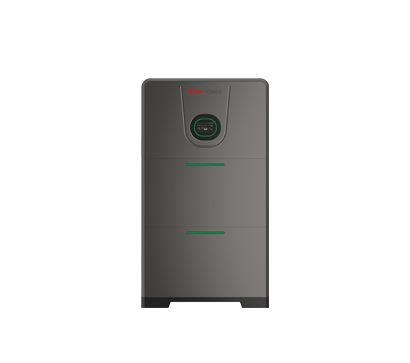
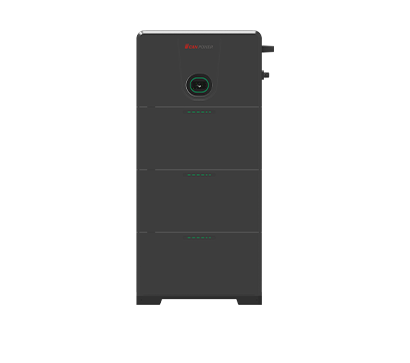
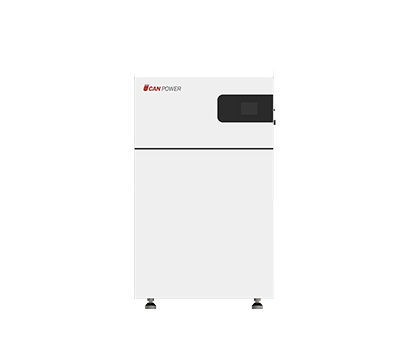
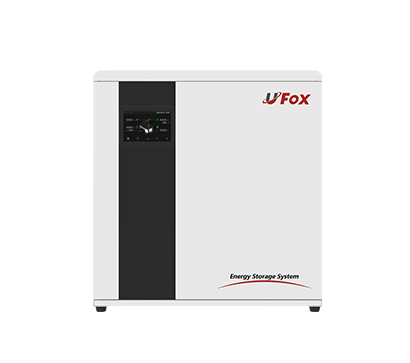
Hybrid inverters combine the features of string inverters and battery inverters, allowing for the integration of solar power with energy storage systems. Smart hybrid inverters offer advanced monitoring and control features that enable users to manage their solar power generation and energy storage simultaneously. They can charge batteries during periods of excess solar generation and discharge the batteries when needed, providing backup power during outages or peak demand periods.
Benefits of smart hybrid inverters include:
1. Energy independence: By integrating energy storage, smart hybrid inverters can provide backup power and reduce reliance on the grid.
2. Peak shaving: They can help reduce peak demand charges by using stored energy during peak usage periods.
3. Increased self-consumption: Users can consume more of their own solar power by storing excess energy for later use.
However, smart hybrid inverters also come with some challenges:
1. Higher initial cost: Hybrid inverters and energy storage systems can be expensive, making them a significant investment.
2. Complex installation: The installation of a hybrid system requires additional components and expertise, which can increase the complexity and cost of the installation.
3. Battery maintenance: Energy storage systems require regular maintenance and monitoring to ensure optimal performance and longevity.
II. Features of Smart Solar Inverters
A. Monitoring and Communication
One of the key features of smart solar inverters is advanced monitoring and communication capabilities. These inverters can be connected to the internet or a local network, allowing users to remotely monitor the performance of their solar power system in real-time. Users can access detailed information such as energy production, inverter status, and panel performance through a web portal or mobile app. Some smart inverters also offer alerts and notifications in case of faults or issues, enabling timely maintenance and troubleshooting.
In addition to remote monitoring, smart inverters can also communicate with other devices in the solar power system, such as solar panels, batteries, and smart meters. This enables seamless integration and optimization of the entire system, enhancing its efficiency and performance.
B. Maximum Power Point Tracking (MPPT)
MPPT is a technology that maximizes the power output of solar panels by continuously adjusting the operating voltage and current to match the panel's maximum power point. Smart solar inverters come with advanced MPPT algorithms that can quickly and accurately track the maximum power point, even in changing environmental conditions. This results in increased energy production and improved system efficiency.
Some smart inverters also offer multiple MPPT channels, allowing for the connection of different strings or groups of panels with different orientations or shading conditions. This provides greater flexibility and optimization opportunities for complex solar installations.
C. Grid Interaction and Feed-in Management
Smart solar inverters can interact with the grid in various ways. They can synchronize with the grid frequency and voltage, ensuring a stable and reliable power supply. Some inverters also offer grid-tied operation, allowing excess solar power to be fed back into the grid and earning credits or revenue for the user.
In addition, smart inverters can manage the feed-in of power to the grid based on grid requirements and regulations. They can limit the power output during peak demand periods or adjust the feed-in based on grid stability considerations. This helps to ensure the stability and reliability of the grid while maximizing the benefits of solar power generation.
D. Safety Features
Safety is a crucial consideration in solar power systems, and smart solar inverters come with a range of safety features to protect users and equipment. These features include overvoltage protection, undervoltage protection, overcurrent protection, short-circuit protection, and ground fault protection. Some inverters also offer fire protection and arc fault detection, providing an additional layer of safety.
Smart inverters may also have safety certifications such as UL, CE, and IEC, ensuring that they meet strict safety standards and regulations.
III. Benefits of Smart Solar Inverters
A. Increased Energy Production
Smart solar inverters can optimize the performance of solar panels and the entire solar power system, resulting in increased energy production. By using advanced MPPT algorithms, monitoring and control features, and grid interaction capabilities, smart inverters can ensure that the solar panels are operating at their maximum efficiency at all times. This can lead to significant savings on electricity bills and a faster return on investment.
B. Improved Reliability and Durability
Smart inverters are designed to be more reliable and durable than traditional inverters. They come with advanced monitoring and diagnostic features that can detect faults and issues early on, enabling timely maintenance and repair. Some smart inverters also offer warranties of up to 25 years, providing peace of mind to users.
C. Enhanced Grid Integration
Smart solar inverters can interact with the grid in a more intelligent and flexible way, helping to improve the stability and reliability of the grid. They can provide grid support services such as voltage regulation and frequency control, and can also respond quickly to grid disturbances. This makes solar power a more valuable and reliable source of energy for the grid.
D. Energy Independence and Backup Power
With the integration of energy storage systems, smart hybrid inverters can provide energy independence and backup power during outages. Users can store excess solar power in batteries and use it when needed, reducing reliance on the grid and ensuring a continuous power supply.
E. Environmental Benefits
By using solar power and smart solar inverters, users can reduce their carbon footprint and contribute to a cleaner environment. Solar power is a renewable energy source that does not produce greenhouse gas emissions or air pollutants, and smart inverters can help maximize the efficiency and effectiveness of solar power generation.
IV. Considerations for Choosing Smart Solar Inverters
A. System Size and Requirements
The first step in choosing a smart solar inverter is to determine the size and requirements of your solar power system. Consider factors such as the number of solar panels, the expected energy production, and the load requirements of your home or business. This will help you determine the appropriate inverter size and type that can handle your specific needs.
B. Compatibility with Solar Panels and Other Components
Make sure that the smart inverter you choose is compatible with your solar panels and other components in the system. Check the specifications and certifications of the inverter to ensure that it can work with your specific panel models and battery types.
C. Monitoring and Communication Features
Consider the monitoring and communication features offered by the inverter. Look for an inverter that provides detailed and real-time information about the performance of your solar power system, and that allows you to access this information remotely through a web portal or mobile app. Also, check if the inverter can communicate with other devices in the system for seamless integration and optimization.
D. Reliability and Warranty
Choose a smart inverter from a reputable manufacturer with a proven track record of reliability and durability. Look for inverters that offer long warranties and good customer support to ensure that you are protected in case of any issues.
E. Cost and Return on Investment
Finally, consider the cost of the smart inverter and the potential return on investment. While smart inverters may be more expensive than traditional inverters, they can offer significant savings in the long run through increased energy production and reduced electricity bills. Calculate the payback period and return on investment to determine if a smart inverter is a good investment for your specific situation.
Conclusion
Smart solar inverters offer a wide range of advanced features and capabilities that can enhance the efficiency, reliability, and overall performance of solar power systems. Whether you choose a string inverter, microinverter, or hybrid inverter, there are many options available to meet your specific needs and requirements. By considering factors such as system size, compatibility, monitoring features, reliability, and cost, you can choose the right smart solar inverter for your home or business and enjoy the benefits of clean, renewable energy.




 German
 Italian
 Japanese
 Global (English)
 Chinese
 Spanish
 French


