

In an era of growing environmental concerns and the need for reliable energy sources, the combination of solar power and energy storage is emerging as a powerful solution. Solar + storage options offer numerous benefits, including increased energy independence, reduced electricity bills, and a more sustainable way of meeting our energy needs. In this comprehensive article, we will explore the various aspects of solar + storage options, including their types, benefits, installation process, and future prospects.
I. Introduction to Solar + Storage Options
Solar + storage refers to the integration of solar photovoltaic (PV) systems with energy storage devices. The solar panels generate electricity from sunlight, while the storage system stores the excess energy for later use. This combination allows homeowners and businesses to maximize the use of solar energy, reducing their reliance on the grid and providing backup power during outages.
There are several types of energy storage options available for solar + storage systems, including batteries, pumped hydro storage, and thermal energy storage. Each option has its own unique characteristics and advantages, depending on the specific needs and requirements of the user.
II. Types of Solar + Storage Options
1. Battery Storage
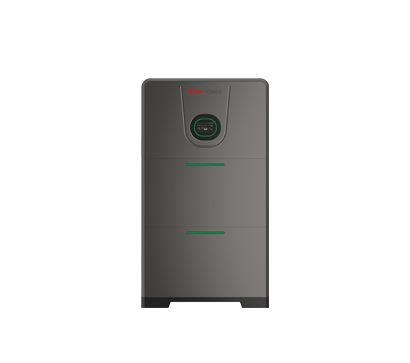
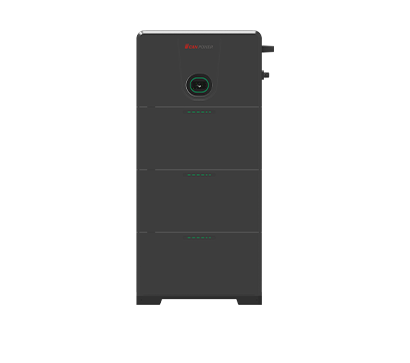
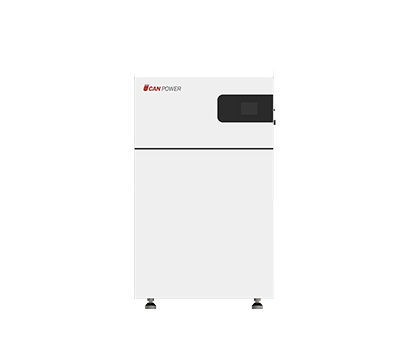
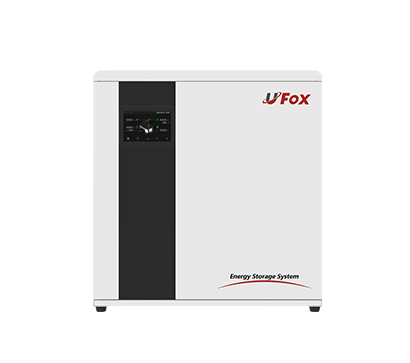
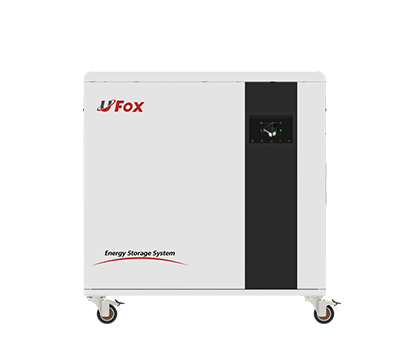
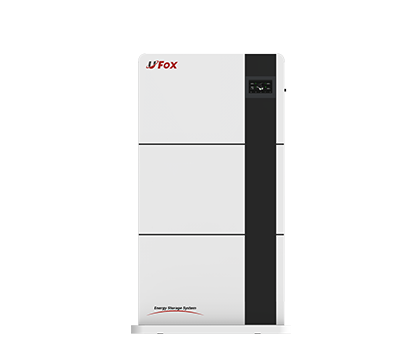
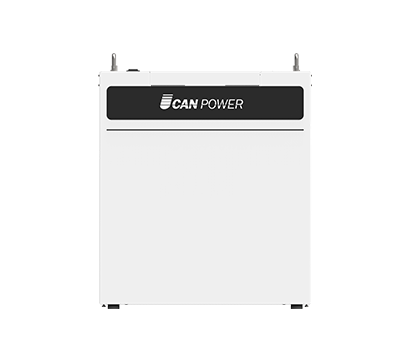
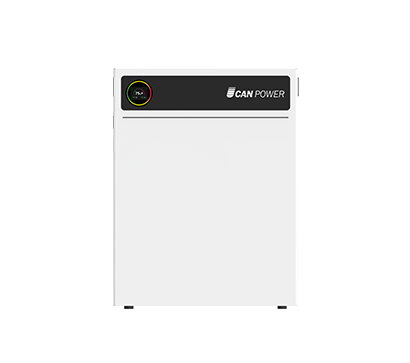
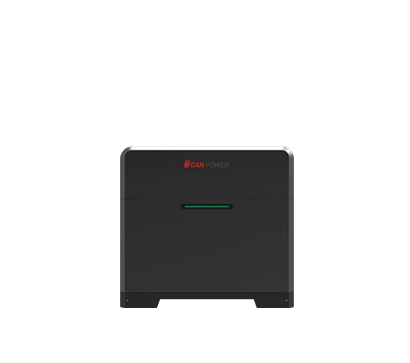
Battery storage is the most common type of energy storage option for solar + storage systems. Batteries can be installed either as part of a new solar installation or retrofitted to an existing system. There are several types of batteries available, including lithium-ion, lead-acid, and flow batteries.
Lithium-ion batteries are the most popular choice due to their high energy density, long cycle life, and fast charging capabilities. They are also relatively lightweight and compact, making them easy to install. However, they can be expensive and may require special safety precautions due to their chemical composition.
Lead-acid batteries are a more traditional option and are less expensive than lithium-ion batteries. They have a long history of reliable performance and are widely available. However, they have a lower energy density and shorter cycle life than lithium-ion batteries.
Flow batteries are a relatively new technology that offers several advantages over traditional batteries. They have a long cycle life, can be scaled up to large sizes, and are relatively safe. However, they are currently more expensive than other types of batteries and may require more maintenance.
2. Pumped Hydro Storage
Pumped hydro storage is a large-scale energy storage option that uses water to store energy. During periods of low electricity demand, water is pumped from a lower reservoir to a higher reservoir. When electricity is needed, the water is released back down to the lower reservoir, driving turbines to generate electricity.
Pumped hydro storage is a mature technology with a long history of reliable performance. It can store large amounts of energy and has a high efficiency rate. However, it requires a suitable site with access to water and a significant amount of land.
3. Thermal Energy Storage
Thermal energy storage uses heat to store energy. There are several types of thermal energy storage options, including sensible heat storage, latent heat storage, and thermochemical storage.
Sensible heat storage uses materials such as water, rocks, or concrete to store heat. Latent heat storage uses materials that change phase, such as ice or wax, to store heat. Thermochemical storage uses chemical reactions to store heat.
Thermal energy storage can be used in conjunction with solar thermal systems to store heat for later use. It can also be used in district heating and cooling systems to provide a reliable source of heat and cold.
III. Benefits of Solar + Storage Options
1. Increased Energy Independence
One of the main benefits of solar + storage options is increased energy independence. By generating and storing their own electricity, homeowners and businesses can reduce their reliance on the grid and become less vulnerable to power outages and price fluctuations. This can provide a sense of security and stability, especially in areas with unreliable power grids or during natural disasters.
2. Reduced Electricity Bills
Solar + storage options can also lead to significant savings on electricity bills. By generating their own electricity and using stored energy during peak demand periods, users can reduce their reliance on the grid and avoid high electricity prices. Additionally, some utilities offer incentives and rebates for installing solar + storage systems, further reducing the cost.
3. Environmental Sustainability
Another benefit of solar + storage options is their environmental sustainability. Solar power is a clean, renewable source of energy that does not produce greenhouse gases or air pollutants. By combining solar power with energy storage, users can reduce their carbon footprint and contribute to a more sustainable future.
4. Backup Power
In the event of a power outage, solar + storage options can provide backup power for essential appliances and devices. This can be a crucial lifeline during emergencies, ensuring that homes and businesses have access to lighting, refrigeration, and other essential services.
IV. Installation Process of Solar + Storage Options
1. Site Assessment
The first step in installing a solar + storage system is to conduct a site assessment. This involves evaluating the available sunlight, roof space, and electrical load of the property. A professional installer will also consider any shading issues, orientation of the roof, and local building codes and regulations.
2. System Design
Based on the site assessment, the installer will design a customized solar + storage system that meets the specific needs and requirements of the user. This includes determining the size and number of solar panels, the type and capacity of the storage system, and the location of the components.
3. Permitting and Approval
Before installation can begin, the user may need to obtain permits and approvals from local authorities. This typically involves submitting plans and specifications for the solar + storage system and paying any required fees. The installer can assist with the permitting process and ensure that all necessary approvals are obtained.
4. Installation
Once the permits and approvals are in place, the installer will begin the installation process. This typically involves mounting the solar panels on the roof or other suitable location, installing the storage system, and connecting the components to the electrical grid. The installation process can take several days to a week, depending on the complexity of the system.
5. Commissioning and Testing
After the installation is complete, the installer will commission and test the solar + storage system to ensure that it is functioning properly. This includes checking the electrical connections, verifying the performance of the solar panels and storage system, and testing the backup power capabilities. The installer will also provide training to the user on how to operate and maintain the system.
V. Future Prospects of Solar + Storage Options
1. Technological Advancements
As technology continues to advance, solar + storage options are expected to become more efficient, reliable, and affordable. New solar panel technologies, such as perovskite solar cells and tandem solar cells, are being developed that offer higher efficiency and lower cost. Additionally, advances in battery technology, such as solid-state batteries and lithium-sulfur batteries, are expected to improve the performance and lifespan of storage systems.
2. Increased Adoption
As the benefits of solar + storage options become more widely known, adoption is expected to increase. This will be driven by factors such as falling costs, improved technology, and increased environmental awareness. Additionally, government incentives and policies, such as tax credits and net metering programs, are likely to continue to support the growth of the solar + storage market.
3. Integration with Smart Grids
Solar + storage options are expected to play an important role in the development of smart grids. By providing a flexible source of power, these systems can help to balance the grid and reduce peak demand. Additionally, smart grid technologies can be used to optimize the performance of solar + storage systems, allowing users to participate in demand response programs and earn additional income.
4. Off-Grid Applications
As the cost of solar + storage systems continues to decline, off-grid applications are becoming more feasible. Homeowners and businesses in remote areas or areas with unreliable power grids can use solar + storage systems to provide a reliable source of electricity. This can offer greater independence and self-sufficiency, as well as a reduced environmental impact.
VI. Challenges and Limitations of Solar + Storage Options
1. Cost
The cost of solar + storage systems can be a significant barrier to adoption. Although the cost of solar panels and batteries has been declining in recent years, the initial investment can still be substantial. Additionally, the cost of installation and maintenance can add to the overall expense.
2. Battery Lifespan
The lifespan of battery storage systems is another concern. While lithium-ion batteries are known for their long cycle life, they still have a limited lifespan and will eventually need to be replaced. The cost of replacing batteries can be significant, and users need to factor this into their long-term cost calculations.
3. Space Requirements
Installing a solar + storage system requires a significant amount of space. Solar panels need to be installed on a roof or other suitable location, and battery storage systems need to be placed in a secure and accessible location. This can be a challenge for homeowners and businesses with limited space or who live in urban areas.
4. Grid Interconnection
In some cases, users may face challenges when interconnecting their solar + storage systems with the grid. Utilities may have specific requirements and procedures for grid interconnection, and users may need to work with the utility to ensure that their system is compliant. Additionally, utilities may charge fees for grid interconnection, which can add to the cost of the system.
VII. Conclusion
Solar + storage options offer a powerful solution for meeting our energy needs in a sustainable and reliable way. By combining the power of solar energy with energy storage technology, users can increase their energy independence, reduce their electricity bills, and contribute to a more sustainable future. While there are still challenges and limitations to overcome, the continued development of technology and the increasing adoption of these systems suggest that they will play an important role in the future of energy. As the cost of solar panels and batteries continues to decline and the benefits of clean energy become more widely recognized, solar + storage options are likely to become more accessible and mainstream.




 German
 Italian
 Japanese
 Global (English)
 Chinese
 Spanish
 French


